
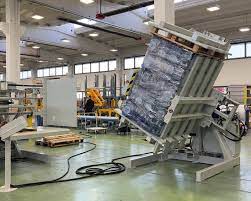
Running a warehouse is a complex and challenging task that requires significant effort to keep things organized, streamlined, and efficient. One crucial piece of equipment that can help achieve these goals is a pallet inverter. Pallet inverters significantly boost warehouse efficiency by automating pallet handling, speeding up loading/unloading, and optimizing space, while enhancing safety by reducing manual lifting, preventing injuries, and protecting goods during transfer. A pallet inverter is a machine designed to quickly turn a pallet upside down or rotate it, making it easier to access, load, unload, and manipulate products stored on pallets or other containers. These machines are integral to modern material handling operations, streamlining processes and improving both efficiency and safety.
Understanding Pallet Inverters
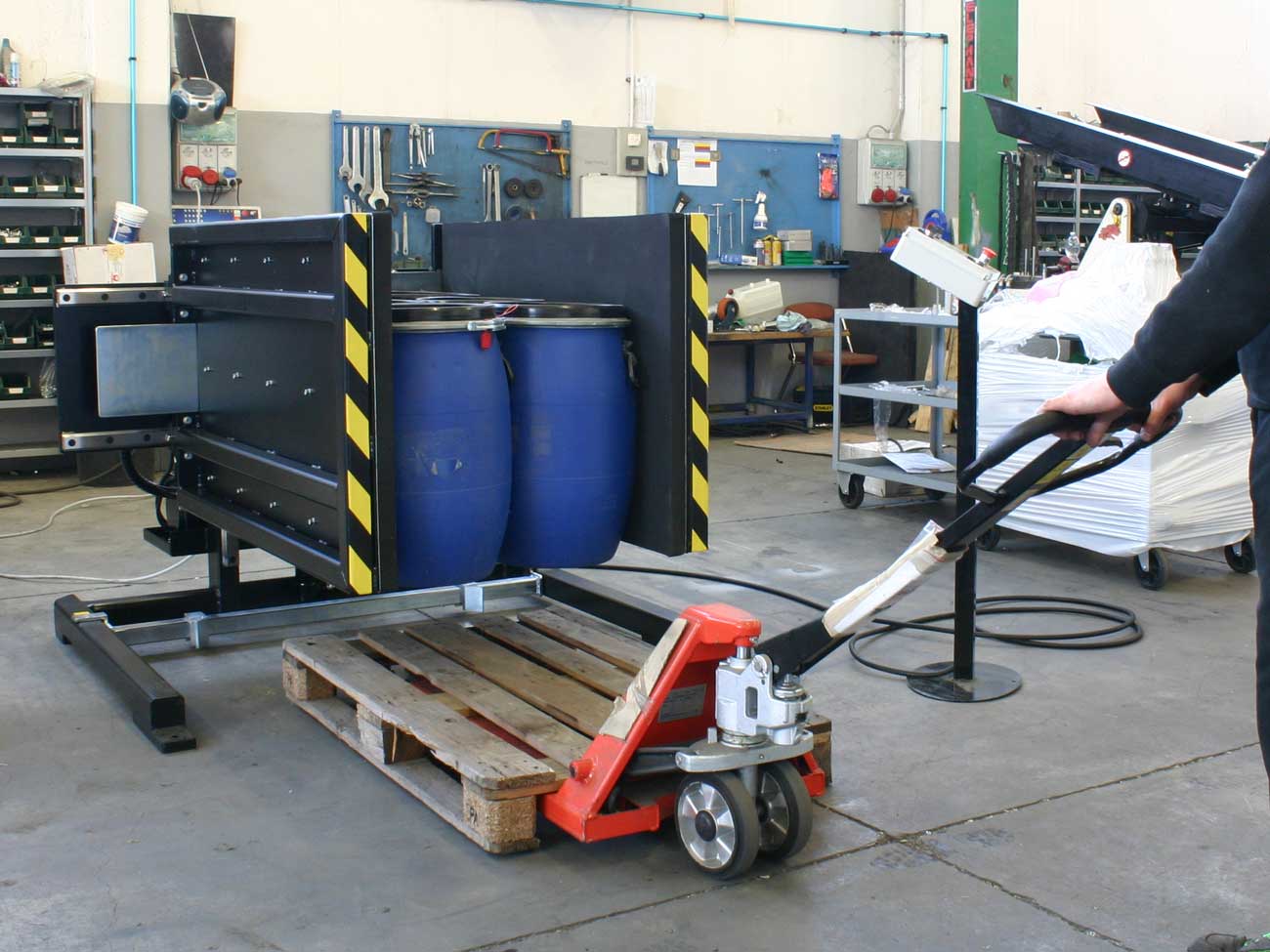
At its core, a pallet inverter is a specialized machine that rotates or tilts loaded pallets, typically up to 180 degrees. This operation can be a freestanding function or part of a larger material-handling system. Pallet inverters handle and reorient product loads of various sizes and weights, enabling workers to easily manipulate pallets of boxes, cartons, drums, and other containers.
These machines are powered by electricity and usually feature one or multiple clamps that secure the load with programmable pressure. This clamping prevents damage to containers, which is crucial, especially for delicate goods. Some inverters have movable clamps at one or both ends, allowing for the manipulation of loads that may not be perfectly square, such as barrels. Most pallet inverters can handle loads up to 4,400 pounds, with adjustable clamp widths. The rotation process is often quick, with some models completing a full 180-degree turn in around 17 seconds. Operation is typically simple via push-button controls, contributing to ease of use and safety.
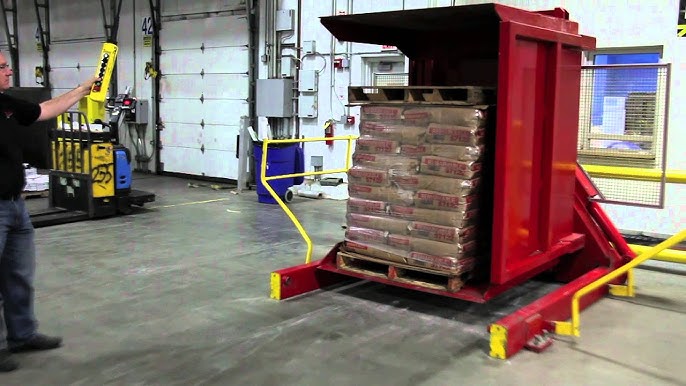
Pallet inverters meet pallet jacks and forklifts at ground level, then hoist the load to an ergonomically correct position for pallet removal, insertion, or other load manipulation. Features like rollers in the corner and pallet grabbers can further add ease, speed, and safety to the process of removing and inserting items.
The Challenges of Traditional Pallet Handling
Many distribution centers and warehouses still rely on traditional pallet handling methods that involve significant manual labor. While standard practice for years, this approach presents several challenges that impact both operational efficiency and workplace safety:
- Risk of Worker Injuries: Workers frequently lift, push, and move heavy wooden or plastic pallets. Improper handling and the repetitive nature of these tasks significantly increase the likelihood of back injuries, hand lacerations, and other workplace incidents. Manual handling is responsible for a significant percentage of warehouse injuries. These injuries lead to increased workers' compensation claims, lost productivity, and higher turnover rates.
- Inefficient Use of Warehouse Space: When pallets are not managed properly, they can occupy excessive space, limiting storage capacity and creating bottlenecks. Stacked pallets can obstruct walkways, interfere with equipment movement, and reduce workflow efficiency. Traditional methods often involve inefficient stacking, making quick retrieval difficult and slowing down loading/unloading processes, leading to delays and added labor costs.
- Damage to Pallets and Products: Mishandling pallets, whether by forklifts, manual movement, or improper storage, can cause significant damage. Broken pallets risk product loss, contamination, and safety hazards. Unstable stacking from damaged pallets increases the risk of products falling. Manual transfers of products from one pallet to another also increase the likelihood of damage, especially for fragile items. Reducing pallet damage directly translates to cost savings and fewer product losses.
- Labor Inefficiencies and Increased Costs: Inefficient pallet handling slows down productivity. Manual sorting, moving, or repairing pallets takes time away from value-added tasks. Excessive labor costs associated with manual handling erode profit margins. With ongoing labor shortages, maximizing efficiency without relying on excessive manual work is crucial.
How Pallet Inverters Enhance Efficiency
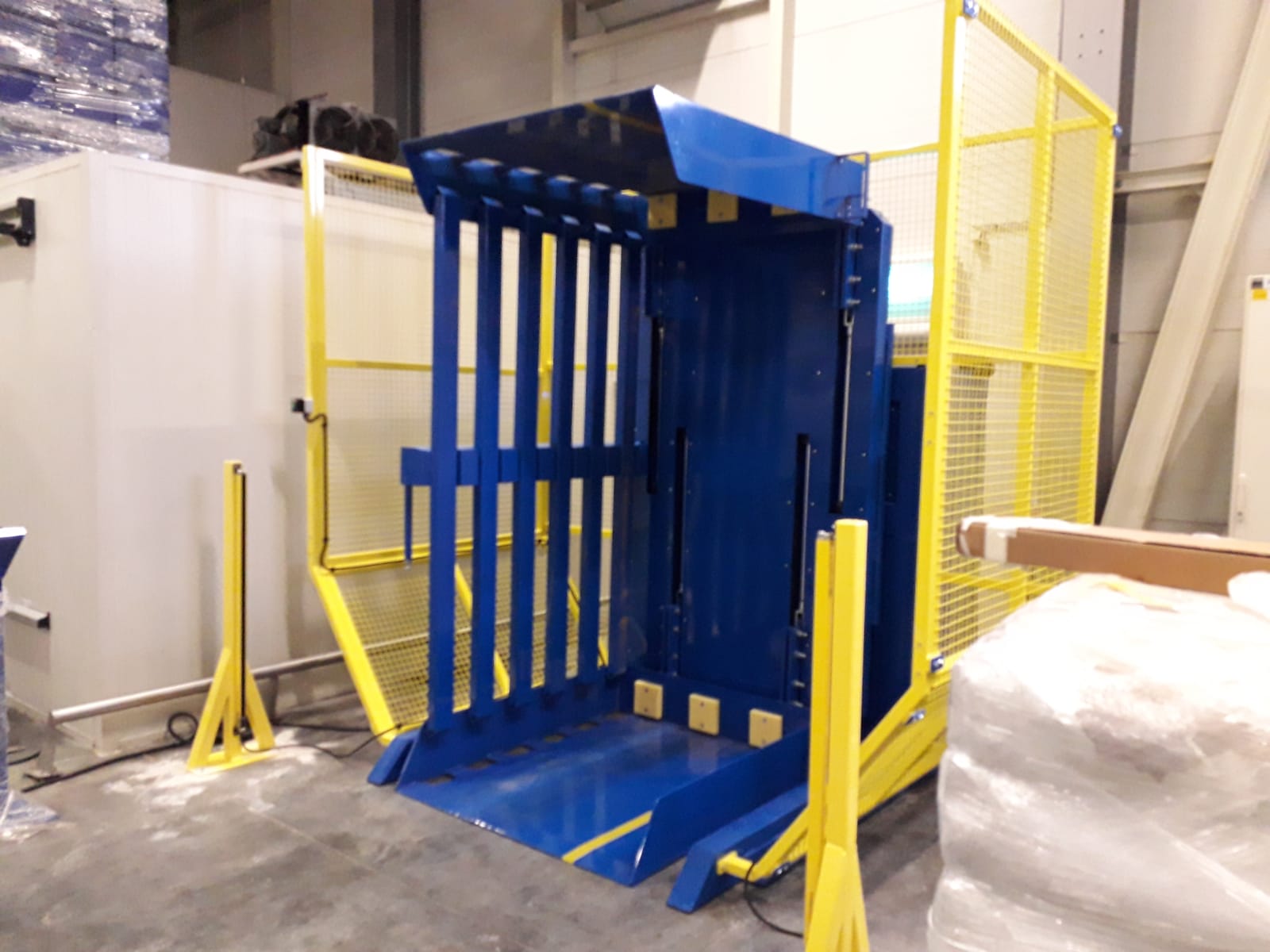
Pallet inverters are a key solution to many of the efficiency challenges in warehousing and logistics. They achieve this through several mechanisms:
- Streamlining Loading and Unloading: Pallet inverters automate the task of flipping or turning pallets. This eliminates the need for manual handling to access products or swap pallets. This is particularly beneficial for heavy or bulky items. The quick rotation time allows for faster processing of goods, significantly reducing the time and effort required during inbound receiving and outbound shipping.
- Improving Overall Productivity: By speeding up the pallet manipulation process, inverters enable products to move in and out of the warehouse faster. This increased throughput directly contributes to higher overall efficiency. The time saved by reducing manual handling frees up employees to focus on more critical tasks like picking, packing, and shipping, maximizing the value of the workforce.
- Increasing Efficiency in Product Transfers: Moving product from one pallet type to another (e.g., from a standard warehouse pallet to a retail-ready display pallet) is a common and often time-consuming task. Pallet inverters, or systems like automated pallet exchangers which perform similar functions of product transfer, drastically speed up this process. They allow for quick product transfer between pallets without the need for physical lifting of individual items or layers. This minimizes labor time and personnel required compared to manual methods, allowing more orders to be processed faster.
- Optimizing Space Utilization: Efficient pallet handling, enabled by inverters, supports better space utilization. By streamlining the inversion process needed for tasks like swapping damaged pallets or accessing the bottom of a load, inverters facilitate more organized and compact storage and retrieval processes. While dedicated racking systems and WMS are primary tools for static space optimization, the efficient handling that inverters enable contributes to smoother flow and less congestion in dynamic areas.
- Cutting Labor Costs: By automating tasks that previously required multiple workers or significant manual effort, pallet inverters reduce the dependency on labor for basic handling operations. This can lead to reduced labor hours spent on unproductive tasks and contributes to overall cost-effectiveness.
How Pallet Inverters Enhance Safety
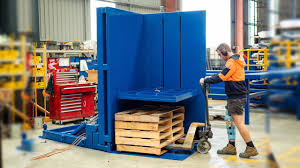
Safety is paramount in warehouse operations, and pallet inverters offer substantial improvements in this area:
- Reducing Physical Strain and Preventing Injuries: The most significant safety benefit is the reduction or elimination of strenuous manual handling. Pallet inverters perform the heavy lifting and rotating, minimizing the risk of musculoskeletal disorders, back injuries, tendonitis, carpal tunnel syndrome, and other injuries commonly associated with manually lifting, pushing, and repetitive motions involving heavy loads. By taking the physical burden off workers, inverters create a safer work environment.
- Minimizing Risk from Heavy or Awkward Lifts: Load-transfer work often involves awkward positions or lifts that are too heavy for manual handling, increasing the risk of acute injuries. Pallet inverters handle loads weighing thousands of pounds, eliminating the need for workers to attempt such dangerous maneuvers. This directly prevents accidents and injuries that can result in pain for the worker, medical expenses, lost work time, and potential liability for the company.
- Enhancing Product Protection: Pallet inverters secure loads with programmable pressure, preventing crushing or damage during the rotation process. By allowing easy access to the bottom of the load or enabling smooth pallet swaps, they reduce the need for manual restacking or manipulation of products, which is a major cause of damage, especially for fragile goods like bottled beverages. Reducing product damage minimizes losses, prevents potential hazards from spills or broken containers, and reduces the risk of accidents caused by unstable loads.
- Improving Workplace Ergonomics: Pallet inverters are designed to handle materials in an ergonomically correct way. They bring the load to a position that allows workers to access and manipulate it without excessive bending, reaching, or awkward postures. Voluntarily adopting ergonomic standards, supported by equipment like pallet inverters, aims to reduce injuries from lifting, bending, and repetitive motion. This not only improves worker well-being but also decreases downtime and costs associated with injuries. According to industry statistics, work-related injuries, many stemming from materials handling and manual tasks, represent a significant portion of workers' compensation claims and incur billions in costs annually. Ergonomic-assistance equipment like pallet inverters is a key solution.
- Creating a Defined and Safer Work Zone: When implemented correctly, the operation area of a pallet inverter should be clearly defined with safety markings and procedures. Training operators on how to use the machine safely, understanding its movements, clearance requirements, and potential hazards is essential. Proper maintenance ensures the equipment functions reliably and safely. Awareness of the dangers associated with equipment use and adherence to training protocols are fundamental safety tips. OSHA requirements for powered industrial truck operators and the need for workplace-specific safety plans underscore the importance of proper training and procedures around heavy equipment like pallet inverters, even for operators whose primary role is button-pushing and pallet exchange.
Key Considerations for Implementation
Choosing the right pallet inverter involves considering several factors:
- Load Capacity and Weight Handling: It's crucial to select a machine that can safely handle the maximum weights and dimensions of your typical palletized goods.
- Physical Dimensions and Space: Ensure the inverter fits within your facility's available space, allowing for safe operation and material flow around the machine, meeting side and overhead clearance requirements.
- Level of Automation: Determine whether a semi-automatic model (requiring some manual intervention) or a fully automatic system aligns best with your operational volume and integration needs. Consider control systems and user interfaces.
- Durability and Maintenance: Pallet inverters should be built from high-quality materials for reliable, long-term performance. While generally low-maintenance, regular inspection, cleaning, and servicing are necessary for optimal safety and productivity.
- Customization: Many pallet inverters can be customized with specific dimensions, load capacities, or features like side support, gravity assistance, or specialized clamps to meet unique operational requirements.
Conclusion
Pallet inverters are a critical piece of equipment for any warehouse, distribution center, or manufacturing facility aiming to maximize efficiency and enhance safety. By automating strenuous manual tasks, they significantly improve productivity, streamline loading and unloading processes, increase the speed of product transfers, and optimize the effective use of space. Simultaneously, they drastically reduce the risk of workplace injuries associated with manual handling and heavy lifting, improve ergonomics, and protect valuable products from damage during manipulation. Implementing pallet inverters, coupled with comprehensive safety training and proper maintenance, represents a strategic investment that contributes to a more efficient, safer, and ultimately more profitable operation. Distributors and warehouse managers who prioritize smarter pallet management solutions like pallet inverters are better positioned to meet industry demands, reduce operational risks, and create a positive environment for their workforce.