How Do Coil Wrapping Machines Help with Inventory Management?
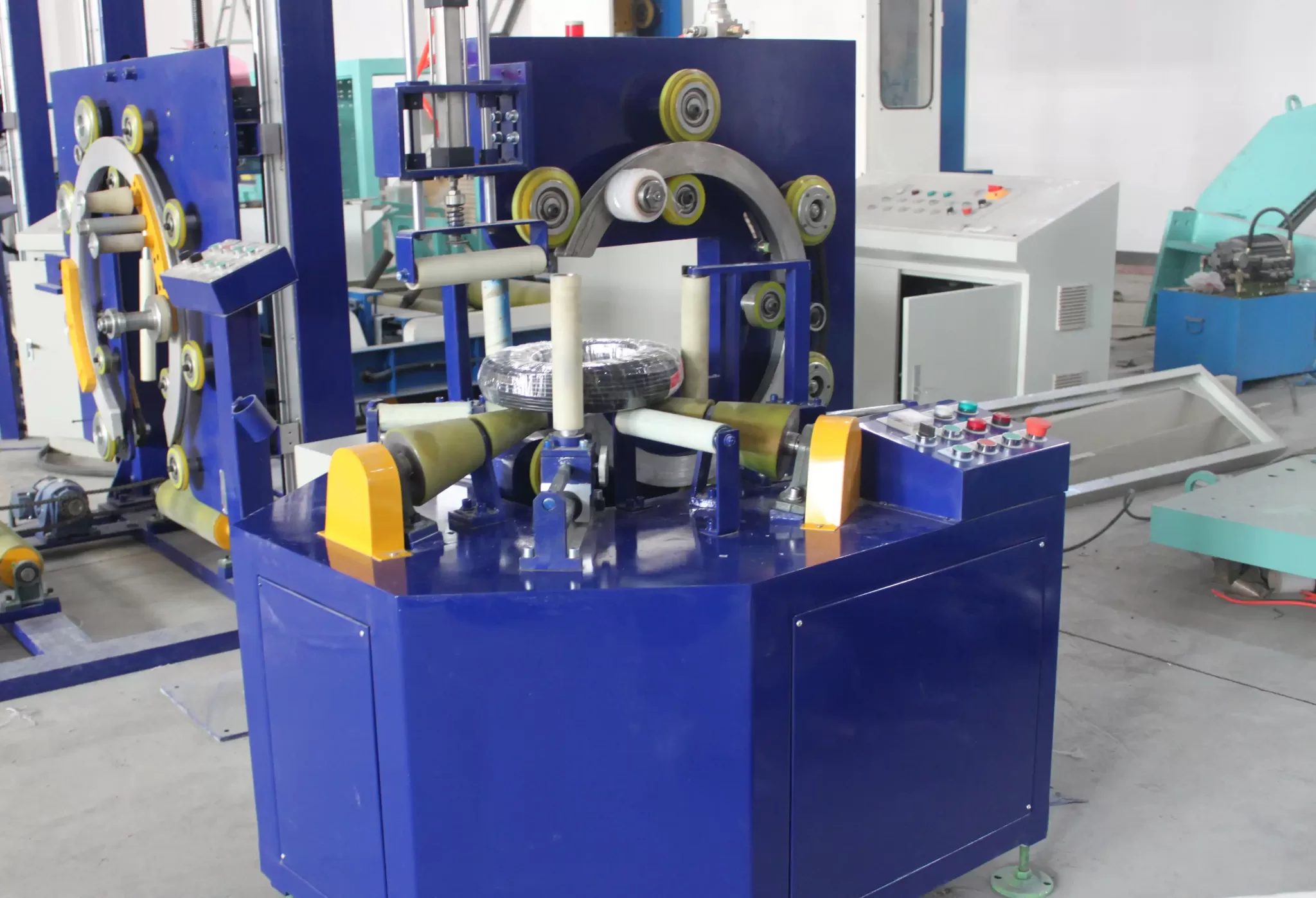
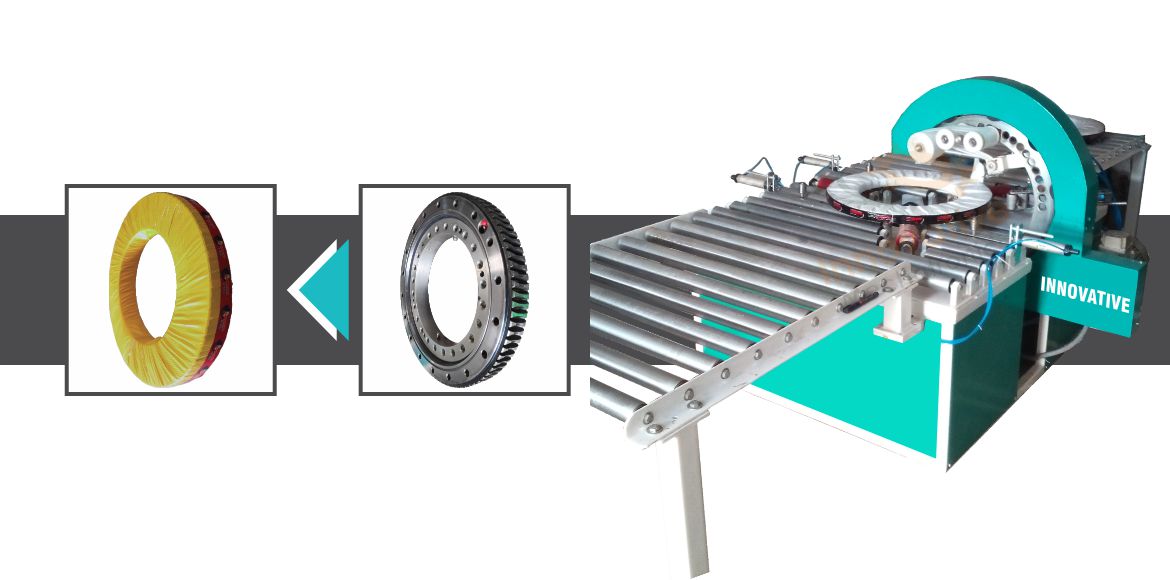
Coil wrapping machines significantly enhance inventory management by providing accurate tracking of material usage, reducing waste through optimized wrapping, and improving stock control with consistent packaging. These machines automate data collection, minimize manual errors, and contribute to a more efficient and transparent inventory process, ensuring businesses maintain optimal stock levels and reduce operational costs.
For manufacturers dealing with coiled materials, efficient inventory management is not just a best practice—it's a cornerstone of operational success. Coil inventory, whether it's sheet metal, wire, or other flexible materials, presents unique challenges. These materials are often bulky, heavy, and difficult to track manually. Without precise inventory control, businesses face risks ranging from production delays due to stockouts to increased costs from overstocking and material wastage. This is where coil wrapping machines emerge as a critical asset, offering a streamlined approach to inventory management that goes far beyond simple packaging.
While traditionally viewed as equipment for securing and protecting coils for storage and transit, modern coil wrapping machines play a much more strategic role. They are integral to creating a data-rich environment that empowers businesses to optimize their inventory processes, reduce operational inefficiencies, and gain unprecedented control over their coil stock. Let's delve into the specific ways coil wrapping machines are revolutionizing inventory management.
Enhanced Accuracy in Material Usage Tracking
| One of the most significant contributions of coil wrapping machines to inventory management is the dramatic improvement in the accuracy of material usage tracking. Traditional manual methods of inventory tracking are often time-consuming, labor-intensive, and prone to human error. Operators might manually record coil usage, relying on footage totalizers or estimations, which can lead to discrepancies and inaccurate inventory data. Consider the limitations of manual tracking: |
Method | Drawbacks |
|---|---|---|
| Manual Footage Totalizers | Time-consuming, prone to reading and recording errors | |
| Manual Estimation | Inaccurate, subjective, lacks precision |
| Double Data Entry | Increased labor, potential for transcription errors |
| Lack of Real-time Data | Inventory values are not current |
In contrast, advanced coil wrapping machines, especially when integrated with Computer Integrated Manufacturing (CIM) systems or similar inventory management software, offer an automated and highly accurate method of tracking material consumption. These systems can:
- Automatically Measure Material Usage: Machine controllers linked to a central computer can precisely measure the amount of material used during the wrapping process. This eliminates the need for manual measurements and estimations, providing accurate data down to the millimeter.
- Differentiate Between Good Material and Scrap: Sophisticated systems can distinguish between material used for wrapping and any scrap generated during the process. This distinction is crucial for accurate inventory reconciliation and waste management.
- Real-Time Data Reporting: The machine controller automatically reports material usage data to a central inventory database in real-time. This eliminates manual data entry, reduces labor costs, and minimizes the risk of errors associated with manual transcription.
- Verification of Coil Selection: Integrating coil wrapping machines with inventory systems allows for verification that the correct coil is selected for each job. This prevents costly mistakes arising from using the wrong type or specification of material, which can lead to production issues and material waste.
By providing fast, accurate, and automated tracking of coil usage, these machines transform inventory management from a reactive, error-prone process into a proactive, data-driven function.Reduction in Material Waste and Optimized Usage
Coil wrapping machines not only track material usage but also contribute directly to reducing material waste and optimizing the consumption of wrapping film. Manual wrapping processes often suffer from inconsistencies, leading to excessive use of wrapping material. Operators may overestimate the amount of film needed to ensure secure wrapping, resulting in unnecessary waste and increased material costs.
Automated coil wrapping machines, however, are designed for precision and efficiency in film application. They offer features that directly address material waste:
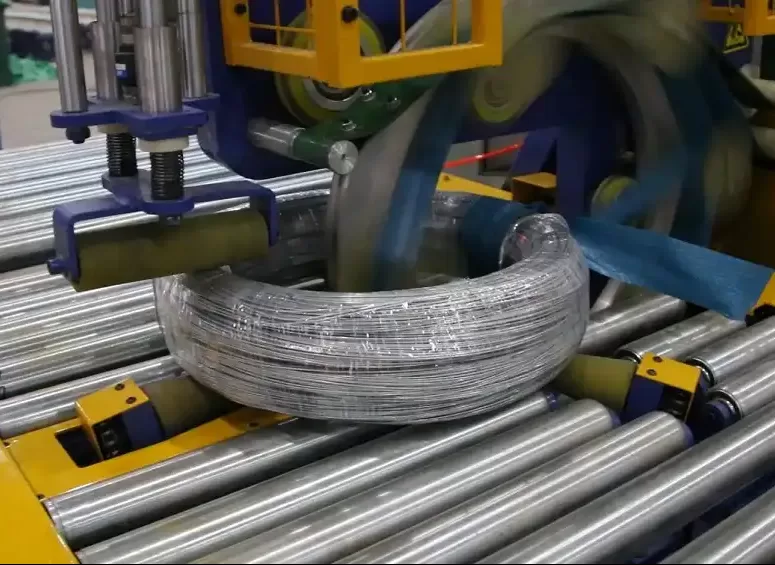
- Consistent Tension Control: Machines can be programmed to apply the optimal tension to the wrapping film. This ensures that coils are securely wrapped without over-stretching or using excessive film. Consistent tension also contributes to better load stability and reduced risk of damage during transit.
- Precise Film Overlap Control: Advanced machines can control the degree of film overlap during the wrapping process. Optimizing overlap minimizes film usage while maintaining wrap integrity and protection.
- Adjustable Wrapping Programs: Operators can program wrapping machines with different settings based on coil size, weight, and fragility. This customization ensures that the wrapping process is tailored to the specific requirements of each coil, preventing unnecessary film usage for lighter or smaller coils.
- Pre-Stretch Film Capabilities: Many modern coil wrapping machines feature pre-stretch film systems. These systems stretch the film before application, maximizing film yield and reducing the amount of film required per coil. Pre-stretch technology can significantly lower film consumption, leading to substantial cost savings over time.
By minimizing film waste and optimizing material usage, coil wrapping machines contribute directly to a more sustainable and cost-effective inventory management process. Reduced material consumption translates to lower procurement costs, decreased storage space requirements for wrapping film, and a reduced environmental footprint.Streamlined Inventory Control and Visibility
Beyond accurate tracking and waste reduction, coil wrapping machines enhance overall inventory control and visibility. The data generated by these machines, when integrated with inventory management systems, provides businesses with a comprehensive and real-time view of their coil inventory.
This enhanced visibility translates into several key benefits: - Improved Stock Level Monitoring: Real-time data on material usage allows for accurate monitoring of stock levels. Businesses can track inventory depletion as coils are wrapped and used, enabling proactive replenishment planning and preventing stockouts.
- Reduced Inventory Holding Costs: With better visibility and accurate stock level information, businesses can optimize their inventory levels, minimizing overstocking. Reduced inventory holding translates to lower storage costs, reduced risk of obsolescence or damage to stored coils, and improved cash flow.
- Enhanced Traceability and Accountability: Integrating coil wrapping machines with inventory systems enables traceability of materials back to their source. Each wrapped coil can be linked to a specific batch or supplier, facilitating quality control and enabling quick identification of the source of any defective materials. This traceability also enhances accountability throughout the inventory management process.
- Simplified Inventory Audits: Accurate and readily available data from coil wrapping machines simplifies inventory audits. Instead of time-consuming manual stock checks, businesses can rely on system-generated reports and data for efficient and accurate audits, saving time and resources.
- Optimized Warehouse Space Utilization: Consistent and secure wrapping provided by machines leads to more stable and stackable coils. This allows for better organization and optimized utilization of warehouse space, maximizing storage capacity and improving warehouse efficiency.
By providing real-time data, enhancing traceability, and improving stock level monitoring, coil wrapping machines empower businesses to achieve a higher level of inventory control, leading to more efficient and responsive operations.Integration with Advanced Inventory Management Systems
The true power of coil wrapping machines in inventory management is unlocked when they are integrated with advanced inventory management systems. These systems, often leveraging technologies like Computer Integrated Manufacturing (CIM) or cloud-based platforms, create a seamless flow of information, transforming raw data into actionable insights.
Integration can involve: - Direct Data Exchange: Coil wrapping machines can be directly linked to inventory management software, automatically transferring data on material usage, coil identification, and other relevant parameters.
- Automated Reporting and Analytics: Integrated systems can generate automated reports on inventory levels, material consumption trends, and wrapping efficiency. Analytics tools can further process this data to identify areas for improvement and optimize inventory strategies.
- Cloud-Based Platforms: Cloud-based inventory management systems provide real-time access to inventory data from anywhere, enabling better collaboration and decision-making across different departments and locations. This is particularly beneficial for businesses with multiple facilities or complex supply chains.
- IoT and Sensor Integration: Advanced systems can incorporate IoT sensors and devices throughout the inventory and wrapping process. Sensors can monitor environmental conditions, track coil location, and provide additional data points for enhanced inventory control and optimization.
By integrating coil wrapping machines with sophisticated inventory management systems, businesses can create a holistic and data-driven approach to inventory control. This integration unlocks the full potential of automation, leading to significant improvements in efficiency, accuracy, and overall inventory performance.
Cost Savings and Return on Investment (ROI)
Investing in coil wrapping machines and integrated inventory management systems represents a strategic move that yields significant cost savings and a strong return on investment over time. The benefits discussed above translate directly into tangible financial gains:
- Reduced Labor Costs: Automation of wrapping and inventory tracking processes reduces the need for manual labor, leading to lower labor costs associated with packaging and inventory management.
- Lower Material Costs: Optimized film usage and reduced material waste translate into lower procurement costs for wrapping film and raw materials.
- Minimized Inventory Holding Costs: Improved inventory control and reduced overstocking lead to lower storage costs and reduced capital tied up in excess inventory.
- Reduced Material Loss and Shrinkage: Accurate tracking and theft prevention tools minimize material loss due to errors, damage, or theft, contributing to significant cost savings.
- Improved Operational Efficiency: Streamlined processes, reduced errors, and enhanced visibility contribute to overall operational efficiency, leading to faster throughput, reduced downtime, and increased productivity.
While the initial investment in coil wrapping machinery and integrated systems may seem substantial, the long-term cost savings and efficiency gains quickly offset the upfront expenses. Many businesses realize a return on investment within a relatively short period, often under a year, due to the significant improvements in operational efficiency and cost reductions.Conclusion: Coil Wrapping Machines as Inventory Management Tools
Coil wrapping machines are no longer simply packaging equipment; they are powerful tools for enhancing inventory management. By automating processes, improving accuracy, reducing waste, and providing real-time data, these machines empower businesses to achieve unprecedented control over their coil inventory. Integrating coil wrapping machines with advanced inventory management systems creates a data-rich environment that drives efficiency, reduces costs, and optimizes operations across the entire supply chain. For businesses handling coiled materials, investing in these technologies is not just about packaging—it’s about building a smarter, more efficient, and more profitable future through optimized inventory management.
In conclusion, coil wrapping machines are instrumental in modern inventory management by providing accurate tracking of materials, minimizing waste through efficient wrapping, and improving stock control with consistent packaging. Automating data collection, reducing manual errors, and ensuring optimal stock levels, coil wrapping machines offer a transparent and efficient inventory process that significantly reduces operational costs for businesses.