
How Do Coil Packing Machines Integrate with Other Packaging Equipment?
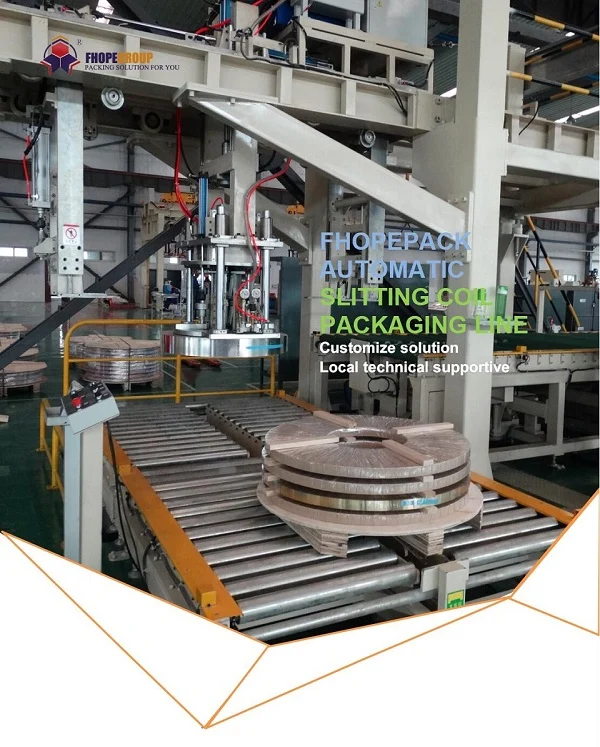
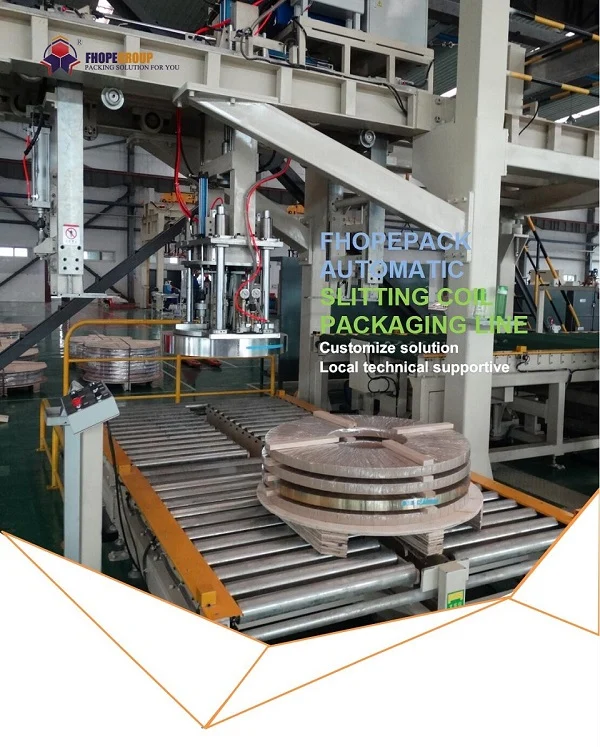
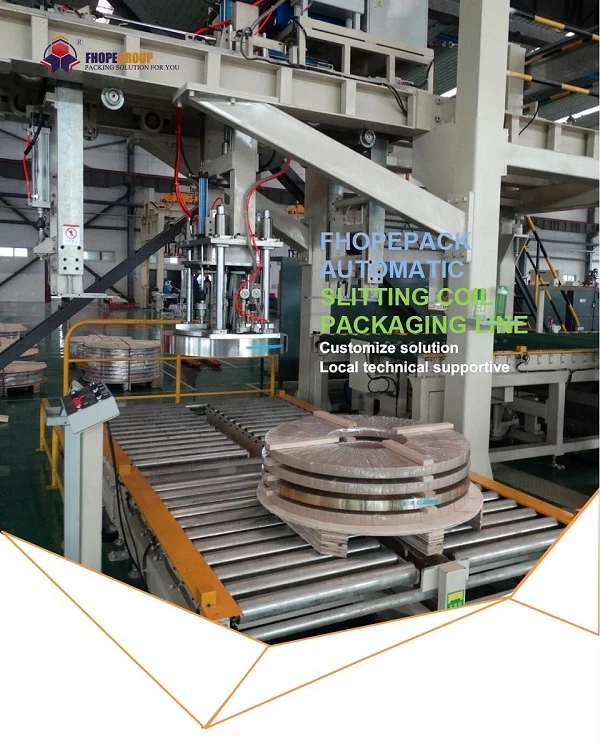
Coil packing machines seamlessly integrate with upstream and downstream packaging equipment to create automated lines that dramatically enhance efficiency and product protection. By combining with systems such as coil handling, strapping, weighing, labeling, and palletizing, these integrated solutions minimize manual labor, ensure consistent packaging quality, and streamline the entire process from production to dispatch, offering significant advantages in modern manufacturing and logistics.
In today's fast-paced manufacturing environment, efficiency and product integrity are paramount. For industries dealing with coil products – be it steel, wire, tubing, or other materials – the packaging process is a critical step that can significantly impact both operational costs and the condition of goods upon arrival. Coil packing machines have emerged as a vital technology, automating the wrapping and protection of these cylindrical products. However, the true power of coil packing machines is unlocked when they are integrated with other packaging equipment. This integration transforms standalone machines into cohesive packaging lines, optimizing workflow, reducing manual intervention, and enhancing overall productivity.
Understanding Coil Packing Machines
Before delving into integration, it’s essential to understand what coil packing machines are and their fundamental benefits. Coil packing machines, also known as coil wrapping machines, are specialized systems designed to automatically wrap coils of various materials. These machines are engineered to apply protective films, papers, or other wrapping materials securely around coils, ensuring they are safeguarded from environmental elements, physical damage, and tampering during storage and transportation.
There are primarily two main types of coil packing machines:
- Horizontal Coil Packing Machines: These machines are designed for coils that are typically positioned horizontally during the wrapping process. They are often used for heavier and larger coils, as the horizontal orientation provides stability and easier handling.
-
Vertical Coil Packing Machines: Vertical coil packing machines are suitable for coils that are wrapped in a vertical position. This type is often preferred for lighter and smaller coils and can be integrated into production lines where vertical coil handling is more convenient.
Both horizontal and vertical coil packing machines offer several core advantages over manual packaging methods:Feature Manual Coil Packing Coil Packing Machines Speed & Efficiency Slow, labor-intensive High-speed, automated
| Consistency | Variable, dependent on operator skill | Consistent, uniform wrapping quality |
| Labor Costs | High, requires multiple operators | Lower, reduces labor dependency |
| Material Usage | Prone to waste, inconsistent application | Optimized, precise material control |
| Safety | Higher risk of injury | Safer, reduces manual handling risks |
| Product Protection| Less consistent, potential for gaps | Enhanced, consistent, and secure |
The Need for Integration: Beyond Standalone Machines
While a standalone coil packing machine offers significant improvements over manual packaging, maximizing efficiency and streamlining operations often requires integrating it with other packaging and material handling equipment. A standalone machine might automate the wrapping process itself, but it still relies on manual steps for feeding coils into the machine, handling wrapped coils afterward, and preparing them for the next stage of logistics. This is where equipment integration becomes crucial.
Integrating coil packing machines with upstream and downstream systems creates a continuous, automated packaging line. This eliminates bottlenecks, reduces manual handling at various stages, and ensures a smoother, more efficient flow of products from the production line to dispatch. The goal is to create a seamless process where coils move through each packaging stage with minimal human intervention, optimizing both speed and accuracy.
How Coil Packing Machines Integrate with Packaging Equipment
Coil packing machines can be effectively integrated with a variety of other packaging and handling systems to create comprehensive packaging solutions. The specific integration points and equipment used will depend on the type of coil being packaged, the desired throughput, and the overall layout of the manufacturing or packaging facility. Here are key examples of how coil packing machines are integrated:
1. Upstream Integration: Coil Feeding and Handling Systems
The first step in an integrated coil packaging line is ensuring a smooth and automated flow of coils into the packing machine. This is achieved through integration with upstream coil handling systems, which can include:
- Automatic Coilers: For products like hoses, pipes, and wires, automatic coiling machines can be placed upstream. These machines automatically coil the manufactured material to a pre-set diameter and then transfer the coil to the packaging line, often via a conveyor system. This eliminates manual coiling and ensures a consistent coil size and shape for packaging.
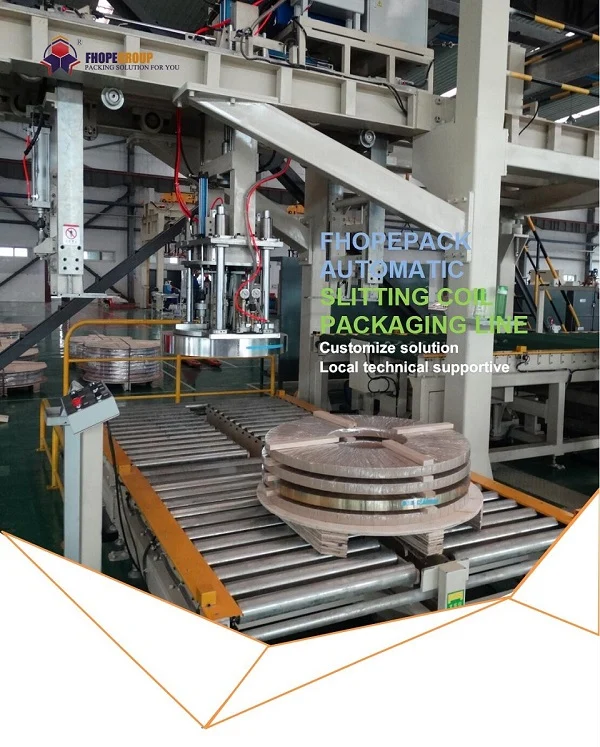
- Conveyor Systems: Various types of conveyors, such as roller conveyors, chain conveyors, or belt conveyors, are used to transport coils from production areas or storage to the infeed of the coil packing machine. Automated conveyor systems ensure a continuous and controlled supply of coils, reducing manual lifting and transport.
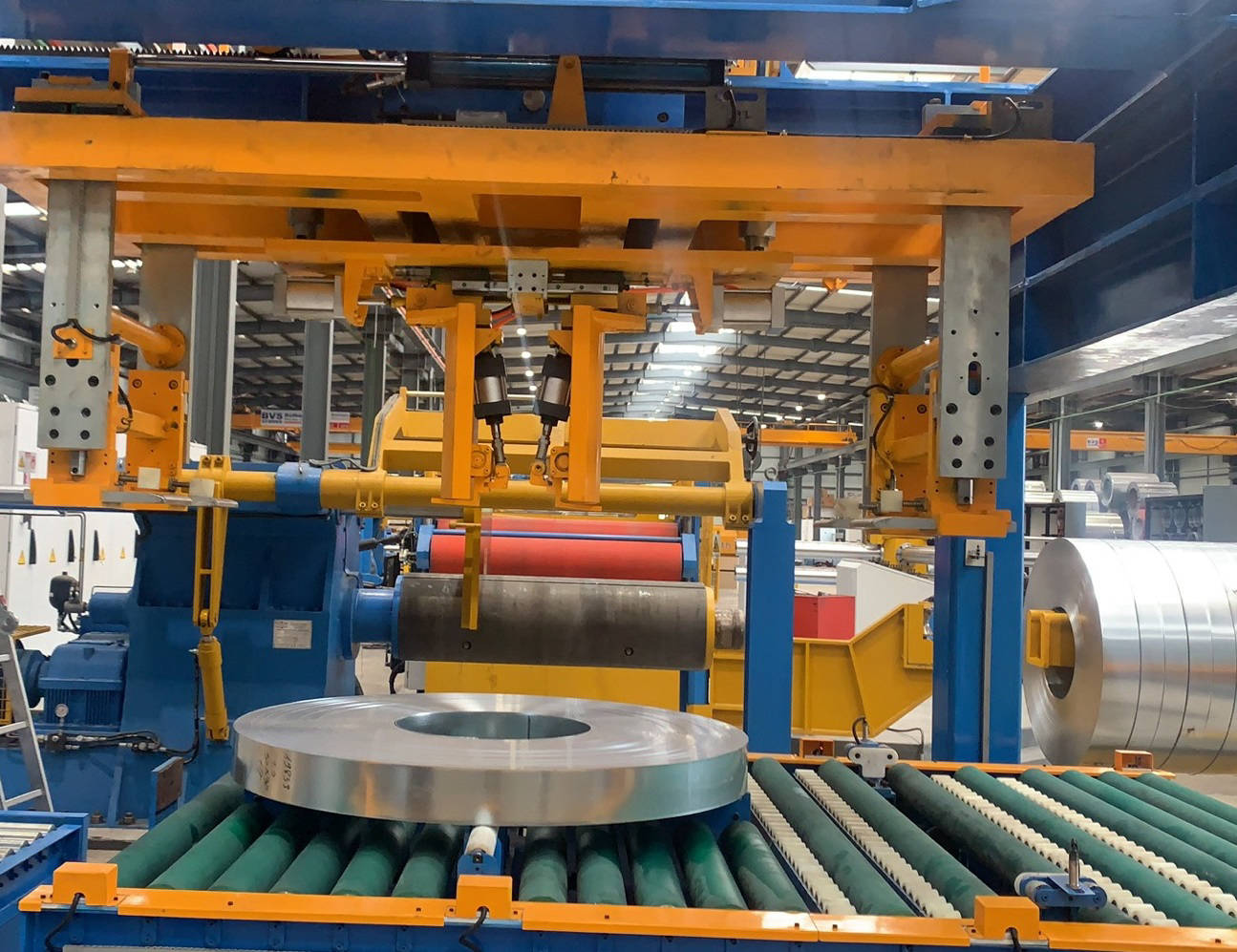
- Tilting Tables and Coil Positioners: For heavier coils, tilting tables and coil positioners can be integrated to automatically orient and position coils correctly for entry into the wrapping machine. These systems can be programmed to handle coils of different sizes and weights, further automating the infeed process.
- Robotic Loading Systems: In advanced setups, robotic arms can be used to pick and place coils onto the infeed conveyor or directly into the coil packing machine. Robotic systems offer flexibility and precision, especially when dealing with varying coil sizes and complex loading patterns.
By integrating with these upstream systems, the coil packing machine receives a consistent and automated supply of coils, eliminating manual loading and ensuring continuous operation.2. Downstream Integration: Post-Wrapping Processes
Once the coil is wrapped by the coil packing machine, several downstream processes are typically required before it is ready for storage or shipment. Integration with downstream equipment automates these processes, further enhancing efficiency:
- Strapping Machines: After wrapping, coils often require strapping to provide additional security and stability, especially for heavier or less rigid coils. Integrating a strapping machine immediately downstream of the coil wrapper allows for automated application of straps (steel, plastic, or composite) around the wrapped coil. This ensures that the wrapping is held firmly in place and the coil is secure for handling and transport.
- Weighing and Labeling Systems: Accurate weighing and labeling are crucial for inventory management and logistics. Integrated weighing systems can automatically weigh each wrapped and strapped coil as it exits the packaging line. This weight data can then be fed into a labeling system, which automatically prints and applies labels containing weight, product identification, date of packaging, and other relevant information. This automation eliminates manual weighing and labeling, reduces errors, and ensures accurate tracking of packaged coils.
- Palletizing Systems: For efficient storage and shipping, packaged coils are often palletized. Integrating a palletizing system at the end of the packaging line automates the process of stacking wrapped and labeled coils onto pallets. Robotic palletizers or automatic pallet stacking machines can be programmed to create stable and optimized pallet loads, ready for forklift transport to warehouses or loading docks.
- Stretch Wrapping Pallet Wrappers (for Pallet Loads): Once coils are palletized, the entire pallet load may need to be stretch-wrapped for added stability and protection during transit. Integrating a pallet stretch wrapping machine after the palletizing station ensures that pallet loads are securely wrapped, protecting multiple coils at once and preparing them for shipment.
- Conveyor Systems (Output): Conveyor systems are also essential for downstream integration, transporting wrapped, strapped, weighed, labeled, and palletized coils to designated areas for storage, warehousing, or direct loading onto trucks or railcars. Automated output conveyors ensure a smooth and continuous flow of finished packaged goods away from the packaging line.
Benefits of Integrated Coil Packing Lines
The integration of coil packing machines with other packaging equipment yields a multitude of benefits, significantly impacting operational efficiency, cost-effectiveness, and product quality:
- Increased Efficiency and Throughput: Automation at every stage of the packaging process dramatically increases throughput. Integrated lines operate faster and more consistently than manual or semi-automated systems, allowing for higher production volumes and quicker turnaround times.
- Reduced Labor Costs: By automating coil handling, wrapping, strapping, labeling, and palletizing, the need for manual labor is significantly reduced. This translates into lower labor costs, reduced reliance on manual operators, and the ability to reallocate personnel to other critical tasks.
- Improved Packaging Consistency and Quality: Automated systems ensure consistent and uniform packaging quality. Coil packing machines apply wrapping material with precision, strapping machines apply consistent tension, and labeling systems ensure accurate and legible labels every time. This consistency minimizes errors and enhances the overall presentation and protection of the packaged coils.
- Enhanced Product Protection: Integrated packaging lines provide superior product protection at every stage. From secure wrapping to robust strapping and stable palletizing, coils are safeguarded against damage from handling, environmental factors, and transit vibrations. Reduced damage rates lead to fewer product losses and increased customer satisfaction.
- Streamlined Workflow and Reduced Bottlenecks: Integration eliminates bottlenecks by creating a continuous flow of products through the packaging process. Automated transfer between machines and synchronized operation ensures that there are no delays or interruptions, optimizing the overall workflow.
- Optimized Material Usage and Reduced Waste: Automated coil packing machines are designed to use wrapping material efficiently, minimizing waste. Precise application of wrapping film and strapping material reduces overuse and optimizes material consumption, leading to cost savings and environmental benefits.
- Improved Safety: Automation reduces the need for manual handling of heavy and awkward coils, significantly improving workplace safety. Integrated systems minimize the risk of injuries associated with manual lifting, repetitive tasks, and operating packaging equipment.
- Real-time Data and Tracking: Integrated systems with weighing and labeling capabilities provide real-time data on packaged coils. This data can be integrated with inventory management systems, providing accurate tracking of production output, inventory levels, and shipment readiness.
Steps for Successful Integration
To ensure successful integration of coil packing machines with other packaging equipment, a systematic approach is crucial:
- Assess Current Packaging Needs and Processes: Begin by thoroughly evaluating your current packaging processes, identifying bottlenecks, labor-intensive tasks, and areas for improvement. Analyze the types and volumes of coils being packaged, desired throughput rates, and specific packaging requirements.
- Consult with Packaging System Experts: Engage with experienced packaging system integrators and machine manufacturers. Discuss your specific needs, production goals, and facility layout. Seek expert advice on machine compatibility, system design, and optimal integration strategies.
- Design a Customized Integrated Solution: Based on your assessment and expert consultation, design a customized integrated coil packaging line that addresses your specific requirements. This includes selecting the appropriate coil packing machine, upstream and downstream equipment, conveyor systems, and control systems.
- Implement Advanced Control and Synchronization Technology: Utilize advanced PLC (Programmable Logic Controller) and HMI (Human-Machine Interface) systems to ensure seamless communication and synchronization between all integrated machines. Implement software and control systems that allow for centralized monitoring, data collection, and system optimization.
- Provide Comprehensive Training and Support: Ensure that your staff is adequately trained to operate, maintain, and troubleshoot the integrated packaging system. Work with the system integrator to provide comprehensive training programs and ongoing technical support.
- Continuously Evaluate and Improve System Performance: Regularly monitor the performance of the integrated packaging line. Collect data on throughput, efficiency, material usage, and downtime. Identify areas for further optimization and implement continuous improvement strategies to maximize the system's effectiveness.
Conclusion
Integrating coil packing machines with other packaging equipment represents a significant advancement in modern manufacturing and logistics. By creating automated, cohesive packaging lines, industries handling coil products can achieve substantial gains in efficiency, reduce operational costs, enhance product protection, and improve workplace safety. As businesses continue to seek optimization and automation, integrated coil packaging solutions will become increasingly essential for maintaining competitiveness and meeting the demands of a dynamic global marketplace. The ability to seamlessly combine coil wrapping with upstream and downstream processes offers a pathway to streamlined operations, superior product quality, and a more efficient, cost-effective future for coil packaging.