
How Can Coil Wrapping Machines Help with Product Protection?
Imagine your valuable metal coils exposed to the elements – rust creeping in, dirt clinging to every surface, and the risk of dents and scratches growing with each jostle. It’s a manufacturer’s nightmare. But what if there was a solution to shield your coils from these threats, ensuring they arrive at their destination in pristine condition? Coil wrapping machines are engineered to be that protection, offering a robust defense against damage.
Coil wrapping machines are crucial for product protection by providing a secure, protective layer around coils. This layer shields against corrosion, dirt, moisture, and physical damage during storage and transit, maintaining the coil's quality and integrity until it reaches its destination. They automate the wrapping process, ensuring consistent and reliable protection for various coil types and sizes.
Ready to delve deeper and discover how coil wrapping machines can revolutionize your product protection strategy? Keep reading to explore the multifaceted benefits and applications of this essential technology.
Why Coil Protection is Paramount in Material Handling
Think about the journey of a metal coil – from the production line to storage, then onto trucks, trains, or ships, and finally to the customer. Each stage presents potential hazards. Without adequate protection, these coils are vulnerable to a host of damaging factors.
Effective coil protection is essential to prevent damage from corrosion, dirt, and physical impacts during handling, storage, and transportation. Coil wrapping machines provide this necessary protection, ensuring product integrity and reducing potential losses from damaged goods. By creating a barrier against environmental and mechanical threats, these machines safeguard the quality and value of the coils.
%[Coil Wrapping Machines Product Protection Packaging]
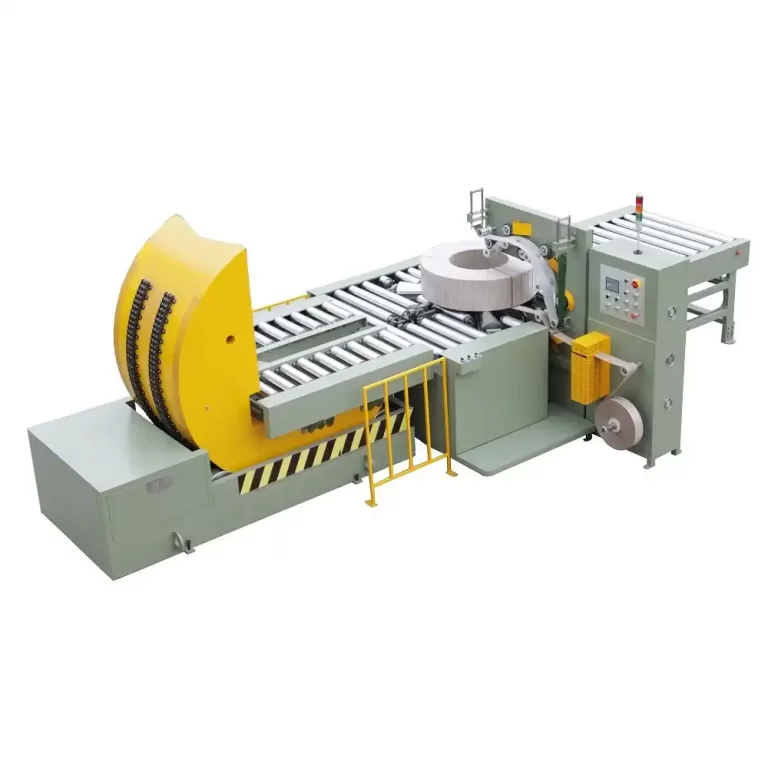
The High Cost of Neglecting Coil Protection: A Deeper Dive
The consequences of inadequate coil protection extend far beyond surface-level damage. Let's break down the real costs and risks involved when coil protection is overlooked:
1. Material Degradation and Corrosion
Unprotected metal coils are prime targets for environmental corrosion. Moisture, humidity, and even airborne pollutants can trigger oxidation, leading to rust formation. This corrosion weakens the structural integrity of the coil and degrades its surface finish, rendering it unusable for many applications.
Consider these corrosion statistics in industrial settings:
| Corrosion Type | Impact on Coils | Estimated Cost of Damage |
|---|---|---|
| General Corrosion | Uniform rust across the coil surface, weakening structure | 10-20% of coil value |
| Pitting Corrosion | Localized, deep pits that compromise integrity | 20-40% of coil value |
| Crevice Corrosion | Corrosion in tight gaps, difficult to detect | 15-30% of coil value |
These figures highlight that corrosion isn't just cosmetic; it's a significant financial drain. Coil wrapping acts as a barrier, preventing direct contact with corrosive elements and drastically reducing these losses.
2. Physical Damage and Handling Issues
During transportation and storage, coils are subjected to vibrations, impacts, and abrasion. Without wrapping, the outer layers of the coil can become deformed, edges can be bent, and surfaces scratched. This physical damage not only affects the coil's appearance but can also impact its functionality, especially for precision applications.
Here’s a look at common physical damages and their consequences:
| Damage Type | Cause | Consequence |
|---|---|---|
| Edge Damage | Impacts during handling, unsecured stacking | Difficulty in unwinding, material waste |
| Surface Scratches | Abrasion during transport, improper storage | Reduced surface quality, aesthetic issues |
| Deformation | Excessive pressure, improper lifting | Dimensional inaccuracies, functional impairment |
These damages can lead to material waste, production delays, and customer dissatisfaction. Coil wrapping provides cushioning and stability, minimizing the risk of physical damage during every stage of handling.
3. Contamination and Quality Compromise
Dust, dirt, and debris accumulation on coils can be problematic, especially for industries with stringent cleanliness standards, such as food processing or pharmaceuticals. Contamination can necessitate costly cleaning processes or even rejection of the entire coil if quality is compromised beyond acceptable limits.
The impact of contamination varies by industry:
| Industry | Contaminant Concern | Potential Impact |
|---|---|---|
| Food Processing | Dust, grease | Hygiene violations, product recalls |
| Pharmaceuticals | Particulates | Product contamination, regulatory non-compliance |
| Electronics | Metallic debris | Short circuits, device malfunction |
Coil wrapping creates a clean, sealed environment, preventing contaminants from reaching the coil surface and maintaining the required quality standards for diverse applications.
By understanding the multifaceted costs associated with neglecting coil protection, the value proposition of coil wrapping machines becomes undeniably clear. They are not just packaging equipment; they are essential tools for risk mitigation, quality assurance, and cost-effectiveness in material handling.
Benefits of Using Coil Wrapping Machines for Superior Protection
Investing in a coil wrapping machine offers a multitude of advantages, directly addressing the challenges of product protection and operational efficiency. Let's explore the key benefits:
Coil wrapping machines offer enhanced product protection, increased efficiency, cost savings, and improved workplace safety compared to manual wrapping methods. They ensure consistent, high-quality wrapping, reducing material waste and labor costs while safeguarding coils from damage. These benefits contribute to a more streamlined and profitable operation.
%[Coil Wrapping Machines Product Protection Packaging]
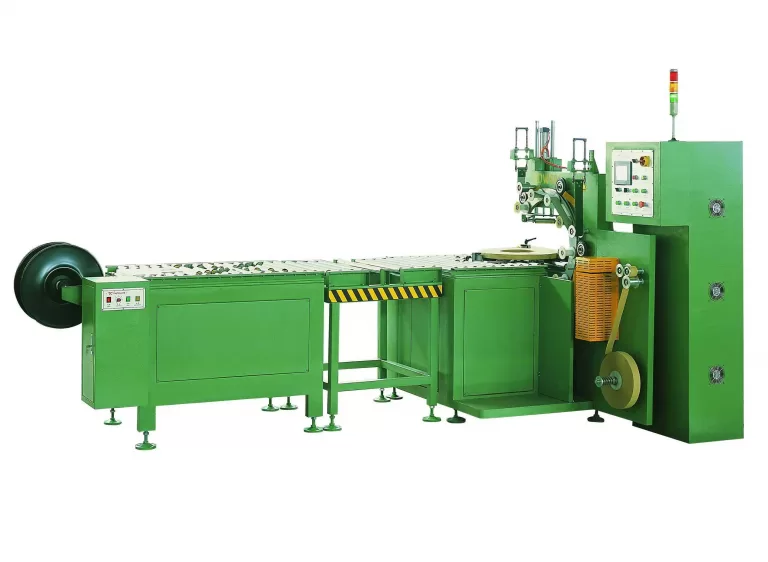
Unpacking the Advantages: Efficiency, Consistency, and Cost Savings
Coil wrapping machines aren't just about better protection; they're about transforming your entire coil packaging process. Here's a detailed look at the operational advantages:
1. Enhanced Efficiency and Throughput
Manual coil wrapping is labor-intensive and time-consuming. A coil wrapping machine automates this process, significantly increasing packaging speed. Machines can wrap coils in seconds or minutes, a stark contrast to the much longer time required for manual wrapping. This speed translates directly into higher throughput and faster production cycles.
Consider this efficiency comparison:
| Process Method | Wrapping Time per Coil (Average) | Throughput (Coils/Hour) | Labor Requirement |
|---|---|---|---|
| Manual Wrapping | 15-30 minutes | 2-4 | 2-3 workers |
| Machine Wrapping | 1-3 minutes | 20-60+ | 1 operator |
As the data shows, machine wrapping dramatically reduces wrapping time and increases throughput while requiring less labor. This efficiency gain is crucial for meeting production demands and reducing lead times.
2. Consistent and Uniform Wrapping Quality
Manual wrapping is prone to inconsistencies. The tightness, overlap, and overall quality of the wrap can vary depending on the operator's skill and fatigue. Coil wrapping machines, on the other hand, deliver consistent and uniform wrapping every time. Pre-programmed settings ensure that each coil receives the same level of protection, eliminating variations and ensuring reliable packaging quality.
Here’s why consistency matters:
| Feature | Manual Wrapping | Machine Wrapping | Benefit |
|---|---|---|---|
| Tension Control | Inconsistent, operator-dependent | Precise, automated control | Uniform tightness, prevents loosening |
| Overlap Accuracy | Variable, prone to gaps or excess | Consistent, programmed overlap | Optimal material usage, complete coverage |
| Wrap Quality | Operator skill-dependent | Machine precision, repeatable quality | Reliable protection, professional finish |
This consistency not only ensures better product protection but also enhances the professional appearance of your packaged coils, improving customer perception.
3. Material and Cost Optimization
Manual wrapping often leads to material wastage. Operators may use excessive wrapping film or paper to ensure perceived security, resulting in unnecessary material costs. Coil wrapping machines are designed to optimize material usage. They apply the precise amount of wrapping material needed for each coil, minimizing waste and reducing overall packaging costs.
Cost savings through material optimization:
| Metric | Manual Wrapping (Estimated) | Machine Wrapping (Estimated) | Savings with Machine Wrapping |
|---|---|---|---|
| Film Usage per Coil | 5-7 meters | 3-4 meters | 30-40% reduction |
| Material Cost per Coil | $2-$3 | $1-$1.50 | 40-50% reduction |
| Annual Material Savings | Significant, variable | Predictable, substantial | Potentially thousands of dollars |
These savings accumulate over time, making coil wrapping machines a cost-effective investment in the long run. Furthermore, reduced material consumption contributes to sustainability efforts.
4. Enhanced Workplace Safety
Manual handling of heavy coils poses safety risks to workers. Lifting, maneuvering, and wrapping large coils manually can lead to strains, sprains, and other injuries. Coil wrapping machines automate the wrapping process, reducing the need for manual handling and minimizing the risk of workplace accidents. Operators primarily oversee the machine's operation, significantly improving safety in the packaging area.
Safety benefits of automation:
| Risk Factor | Manual Wrapping | Machine Wrapping | Safety Improvement |
|---|---|---|---|
| Heavy Lifting | Frequent, high risk | Minimal, machine-assisted | Reduced strain and back injuries |
| Awkward Postures | Common, during wrapping and handling | Ergonomic machine operation | Minimized musculoskeletal disorders |
| Accident Potential | Higher, due to manual handling | Lower, automated process | Safer working environment, fewer accidents |
By automating the physically demanding aspects of coil wrapping, businesses can create a safer working environment, reduce injury rates, and improve employee well-being.
In summary, coil wrapping machines offer a compelling package of benefits: enhanced efficiency, consistent quality, cost optimization, and improved safety. These advantages make them an indispensable asset for industries focused on efficient and reliable coil packaging.
Types of Coil Wrapping Machines and Their Applications
The world of coil wrapping machines isn't one-size-fits-all. Different types of machines cater to specific coil types, production volumes, and application needs. Understanding these variations is key to selecting the right machine for your operation.
Various types of coil wrapping machines exist, including horizontal and vertical models, each designed for specific coil types and production needs. Horizontal machines are ideal for heavy and large coils, while vertical machines suit lighter and smaller coils. Automation levels also vary, from semi-automatic to fully automatic, to match different operational scales. The choice depends on factors like coil size, material, and throughput requirements.
%[Coil Wrapping Machines Product Protection Packaging]
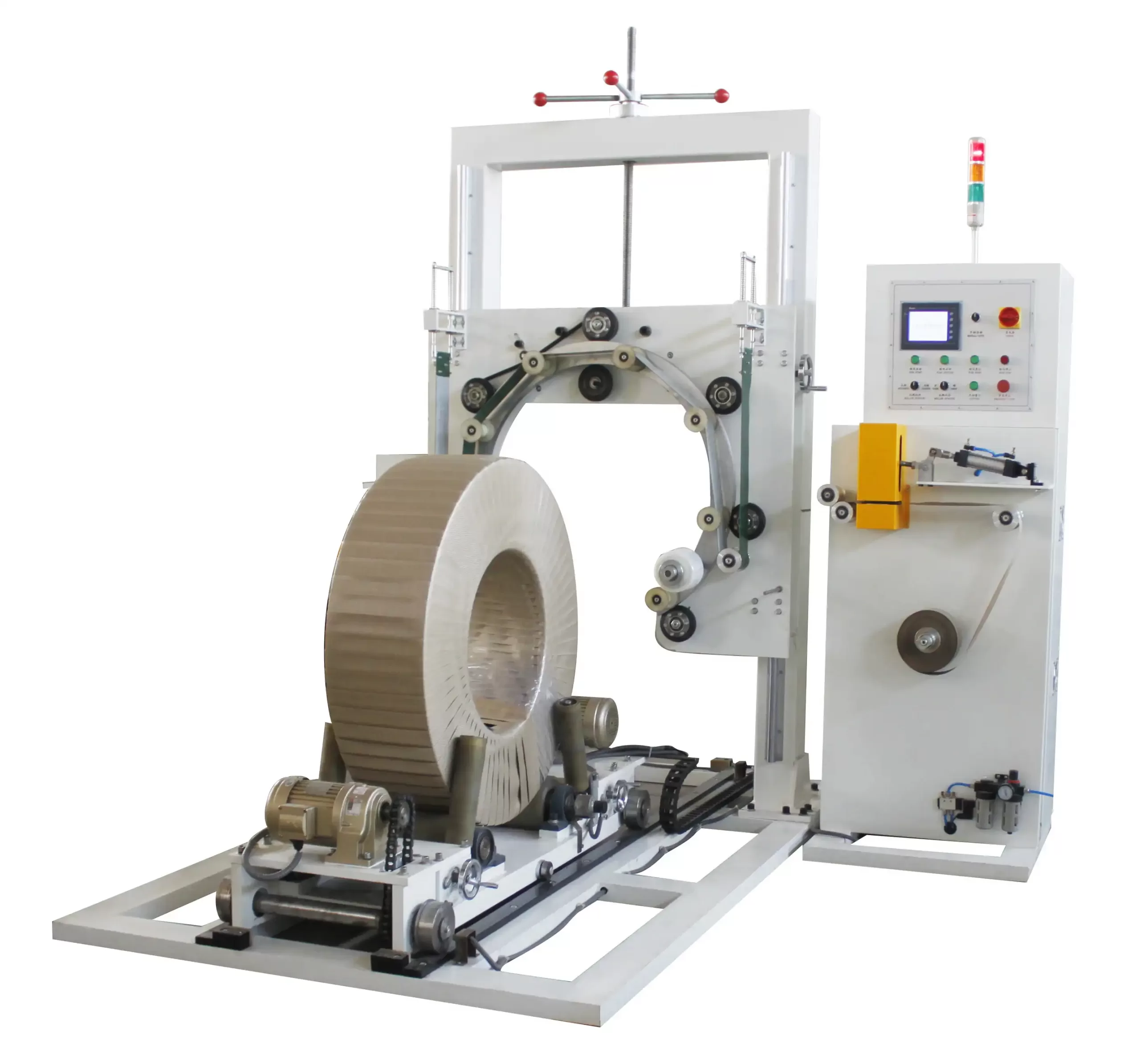
Matching the Machine to Your Needs: A Guide to Different Types
Choosing the right coil wrapping machine involves considering factors like coil dimensions, weight, material, and your desired level of automation. Let's explore the main types and their best-suited applications:
1. Horizontal Coil Wrapping Machines
Horizontal coil wrappers are designed for heavy and large coils, such as steel coils, copper coils, and aluminum coils. These machines typically feature a rotating ring or arm that moves around the horizontally positioned coil to apply the wrapping material.
Key Features of Horizontal Wrappers:
- High Load Capacity: Can handle very heavy coils.
- Versatile Size Range: Accommodates a wide range of coil diameters and widths.
- Robust Construction: Built for industrial environments and heavy-duty operation.
- Suitable for: Steel mills, metal processing plants, and industries handling large, heavy coils.
Example Applications:
- Wrapping steel coils for corrosion protection during outdoor storage.
- Packaging aluminum coils for safe transport to manufacturing facilities.
- Securing copper coils for export shipments.
2. Vertical Coil Wrapping Machines
Vertical coil wrappers are better suited for lighter and smaller coils, including wire coils, hose coils, and cable coils. In these machines, the coil is positioned vertically on a rotating platform, and the wrapping material is applied as the platform spins.
Key Features of Vertical Wrappers:
- Compact Footprint: Space-saving design, ideal for smaller facilities.
- Easy Coil Loading/Unloading: Convenient for handling lighter coils.
- Good for Smaller Diameters: Efficiently wraps coils with smaller diameters.
- Suitable for: Wire and cable manufacturers, plastic pipe producers, and industries dealing with lighter coils.
Example Applications:
- Wrapping wire coils for retail packaging.
- Packaging plastic hose coils for garden supply stores.
- Securing cable coils for electrical component manufacturers.
3. Automatic vs. Semi-Automatic Machines
Coil wrapping machines also vary in their level of automation:
- Semi-Automatic Machines: Require operator involvement for loading, starting the wrapping cycle, and unloading. They offer a balance of automation and operator control, suitable for medium production volumes.
- Fully Automatic Machines: Automate the entire wrapping process, including coil feeding, wrapping, cutting, and unloading. These machines are designed for high-volume production lines and minimize operator intervention.
Automation Level Comparison:
| Feature | Semi-Automatic Machine | Fully Automatic Machine | Best Suited For |
|---|---|---|---|
| Coil Loading | Manual | Automated (conveyor integration) | Medium to high volume |
| Wrapping Cycle Start | Operator initiated | Automatic (sensor-triggered) | High volume production lines |
| Film Cutting | Manual or semi-automatic | Automatic | High throughput, minimal labor |
| Coil Unloading | Manual | Automated (conveyor integration) | High volume, continuous operation |
| Production Volume | Medium | High | Variable volume, high efficiency |
| Operator Input | Moderate | Minimal | Cost-sensitive operations, automation |
Choosing between automatic and semi-automatic depends on your production volume, labor costs, and desired level of automation. Fully automatic lines offer maximum efficiency for high-output facilities, while semi-automatic machines can be a cost-effective solution for smaller to medium-sized operations.
By carefully considering coil type, size, weight, and production volume, businesses can select the coil wrapping machine type and automation level that best matches their specific needs and optimize their packaging processes for efficiency and product protection.
Integrating Coil Wrapping Machines into Your Packaging Line
A coil wrapping machine isn't just a standalone piece of equipment; it's a crucial component that integrates seamlessly into a modern packaging line. Its effectiveness is amplified when combined with other automation technologies, creating a streamlined and efficient flow from production to shipping.
Coil wrapping machines are integral to modern packaging lines, often integrated with conveyors, strapping machines, and palletizers for a fully automated process. This integration enhances efficiency, reduces manual handling, and ensures a smooth workflow from coil production to dispatch. A well-integrated system maximizes throughput and minimizes bottlenecks in the packaging process.
%[Coil Wrapping Machines Product Protection Packaging]
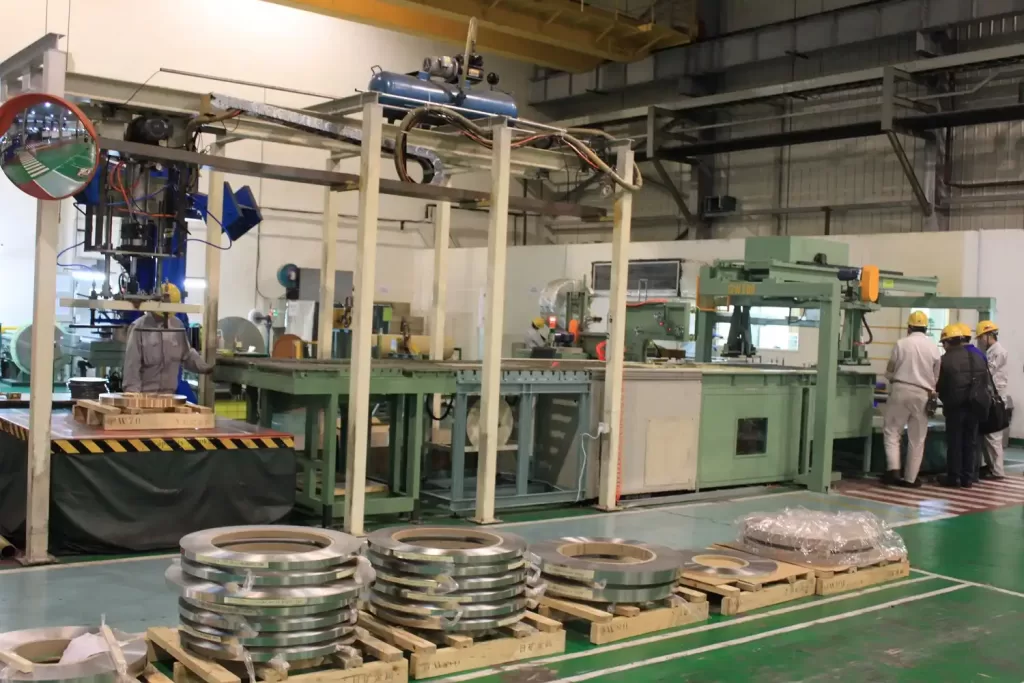
Building a Seamless Packaging Workflow: Automation and Integration Strategies
To maximize the benefits of coil wrapping machines, consider how they fit into your overall packaging line. Here's how integration with other equipment can create a highly efficient and automated system:
1. Conveyor Systems for Material Handling
Integrating coil wrapping machines with conveyor systems is fundamental for automation. Conveyors automate the movement of coils between different stages of the packaging process, reducing manual handling and improving workflow.
Conveyor Integration Benefits:
- Automated Coil Feeding: Conveyors bring coils directly to the wrapping machine, eliminating manual loading.
- Seamless Transfer: Coils move smoothly from wrapping to subsequent packaging stages.
- Reduced Labor Costs: Minimizes manual labor for material transport.
- Increased Throughput: Continuous flow of coils through the packaging line.
Types of Conveyors for Coil Handling:
| Conveyor Type | Suitability for Coils | Advantages |
|---|---|---|
| Roller Conveyors | Heavy coils, stable base | Simple, robust, good for heavy loads |
| Chain Conveyors | Coils of various shapes, heavy loads | Durable, can handle uneven coil surfaces |
| Belt Conveyors | Lighter coils, consistent shape | Gentle handling, good for smooth coil surfaces |
The choice of conveyor depends on the coil type, weight, and the layout of your facility. A well-designed conveyor system is the backbone of an automated coil packaging line.
2. Strapping Machines for Enhanced Security
After wrapping, strapping machines can be integrated to add an extra layer of security and stability to the packaged coils. Strapping applies tensioned bands around the wrapped coil, further securing the wrapping material and providing reinforcement for handling and stacking.
Strapping Integration Advantages:
- Reinforced Packaging: Straps prevent wrapping from loosening or tearing during transit.
- Improved Stability: Strapped coils are more stable for stacking and storage.
- Enhanced Handling: Straps provide secure points for forklift or crane handling.
- Suitable for: Heavy coils, long-distance transport, demanding handling conditions.
Types of Strapping Materials:
| Strapping Material | Strength | Cost | Application Suitability |
|---|---|---|---|
| Steel Strapping | Very High | High | Heaviest coils, extreme conditions |
| Plastic Strapping | Medium | Medium | Most coils, general purpose strapping |
| Polyester Strapping | High | Medium-High | Heavy coils, good alternative to steel strapping |
Strapping material selection depends on the coil weight, transport conditions, and cost considerations. Integrating strapping ensures maximum security for valuable coil shipments.
3. Palletizing Systems for Efficient Dispatch
The final stage of an automated packaging line often involves palletizing. Palletizing systems automatically stack wrapped and strapped coils onto pallets, preparing them for warehousing or shipment.
Palletizing Integration Benefits:
- Automated Stacking: Efficiently stacks coils onto pallets in pre-defined patterns.
- Reduced Manual Labor: Eliminates manual pallet stacking, improving ergonomics.
- Optimized Pallet Loading: Maximizes pallet space utilization.
- Faster Dispatch: Streamlines the process of preparing coils for shipping.
Types of Palletizing Systems:
| Palletizing System | Speed | Flexibility | Coil Type Suitability |
|---|---|---|---|
| Robotic Palletizers | High | High | Various coil sizes and stacking patterns |
| Layer Palletizers | Medium | Medium | Consistent coil sizes, layer-by-layer stacking |
| Conventional Palletizers | Lower | Lower | Simple stacking patterns, limited flexibility |
Robotic palletizers offer the highest flexibility and speed, while layer palletizers are suitable for consistent coil sizes and high throughput. Palletizing completes the automated packaging line, ensuring efficient and dispatch-ready coil packaging.
By strategically integrating coil wrapping machines with conveyor systems, strapping machines, and palletizers, businesses can create a fully automated packaging line. This level of automation optimizes efficiency, reduces labor costs, enhances product protection, and streamlines the entire process from coil production to final dispatch.
Choosing the Right Coil Wrapping Machine: Key Considerations
Selecting the ideal coil wrapping machine for your business is a critical decision. It's not just about buying a machine; it's about investing in a solution that aligns with your specific needs, production environment, and long-term goals.
Choosing the right coil wrapping machine involves considering factors like coil size and weight, wrapping material compatibility, automation level, space constraints, and budget. Evaluating these factors ensures the selected machine meets your operational needs and provides optimal product protection and efficiency. A careful assessment is crucial for a successful and cost-effective investment.
%[Coil Wrapping Machines Product Protection Packaging]
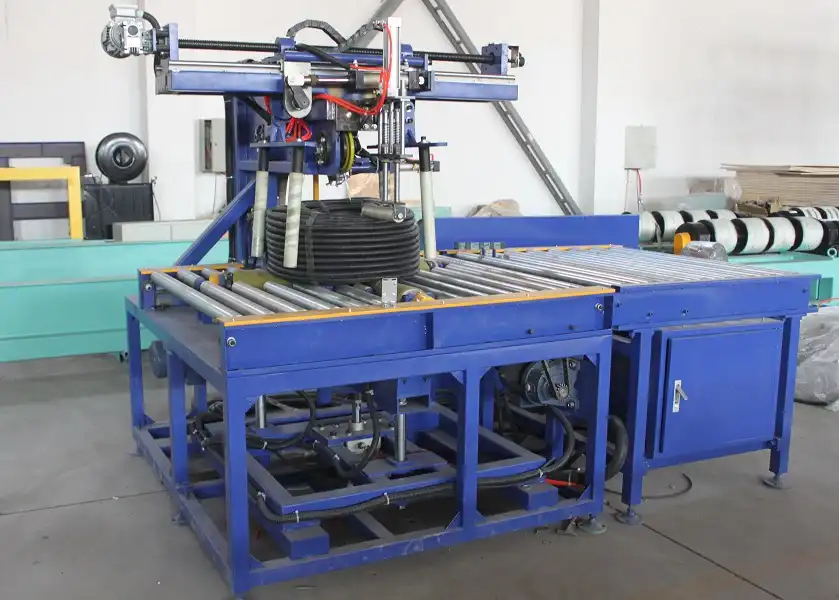
Key Factors to Consider When Choosing a Coil Wrapping Machine:
When making your selection, focus on these critical aspects:
- Coil Dimensions and Weight: The machine must be able to handle the size and weight range of your coils. Check the machine's specifications for maximum coil diameter, width, and weight capacity.
- Wrapping Material Compatibility: Ensure the machine is compatible with your desired wrapping materials (stretch film, paper, woven fabric, etc.). Consider material thickness and tension requirements.
- Automation Level: Choose between semi-automatic and fully automatic machines based on your production volume, labor availability, and budget.
- Space Requirements: Assess the machine's footprint and ensure it fits within your available floor space. Consider in-line integration requirements if applicable.
- Power and Utility Requirements: Verify the machine's power supply, air compressor (if pneumatic), and other utility needs are compatible with your facility.
- Maintenance and Service: Inquire about maintenance schedules, spare parts availability, and the supplier's service and support capabilities.
- Budget and ROI: Evaluate the machine's cost in relation to your budget and calculate the potential return on investment (ROI) through increased efficiency, reduced material costs, and improved product protection.
- Supplier Reputation and Experience: Choose a reputable supplier with experience in coil wrapping solutions and a track record of quality and customer satisfaction.
Answering Key Questions for Informed Decision-Making:
To guide your selection process, ask yourself these critical questions:
- What types of coils will you be wrapping? (Steel, aluminum, copper, wire, hose, etc.)
- What are the typical dimensions and weights of your coils? (Minimum and maximum ranges)
- What wrapping materials do you intend to use? (Stretch film, paper, woven fabric, etc.)
- What is your desired production volume and throughput? (Coils per hour, day, week)
- What level of automation are you seeking? (Semi-automatic, fully automatic, line integration)
- What is your budget for the coil wrapping machine? (Capital expenditure and operating costs)
- What are your space constraints in the packaging area? (Machine footprint and layout)
- What are your maintenance and service expectations? (In-house maintenance or supplier support)
By thoroughly evaluating these factors and answering these questions, you'll be well-equipped to choose a coil wrapping machine that not only meets your immediate product protection needs but also contributes to long-term operational efficiency and profitability.
Conclusion
In today's competitive industrial landscape, product protection is non-negotiable. Coil wrapping machines stand as a frontline defense, ensuring that valuable coils reach their destination in optimal condition. By automating and standardizing the wrapping process, these machines offer a superior alternative to manual methods, delivering enhanced efficiency, consistency, and cost savings. From preventing corrosion and physical damage to optimizing material usage and improving workplace safety, the benefits are undeniable. For industries dealing with coils of all types and sizes, investing in a coil wrapping machine is not just an expense; it's a strategic move towards operational excellence and enhanced product integrity. Embrace coil packaging automation and safeguard your products, your profits, and your reputation.