
How Can a Coil Packing Machine Improve Production Time?
Are you tired of production bottlenecks caused by slow and inefficient coil packaging processes? Imagine a streamlined operation where coils are swiftly and securely packaged, ready for dispatch in a fraction of the time. A coil packing machine isn't just an upgrade; it's a revolution in manufacturing efficiency.
A coil packing machine significantly improves production time by automating and accelerating the coil packaging process. It reduces manual labor, minimizes errors, and ensures consistent, high-speed wrapping, leading to faster throughput and reduced downtime in manufacturing operations.
Ready to discover how a coil packing machine can transform your production line and boost your bottom line? Let's delve into the specifics.
Streamlining Operations with Automated Coil Packing
In today's fast-paced manufacturing environment, every minute counts. Manual coil packaging is not only labor-intensive but also prone to inconsistencies and delays. Implementing a coil packing machine offers a direct solution to these challenges, drastically cutting down packaging time and freeing up valuable resources.
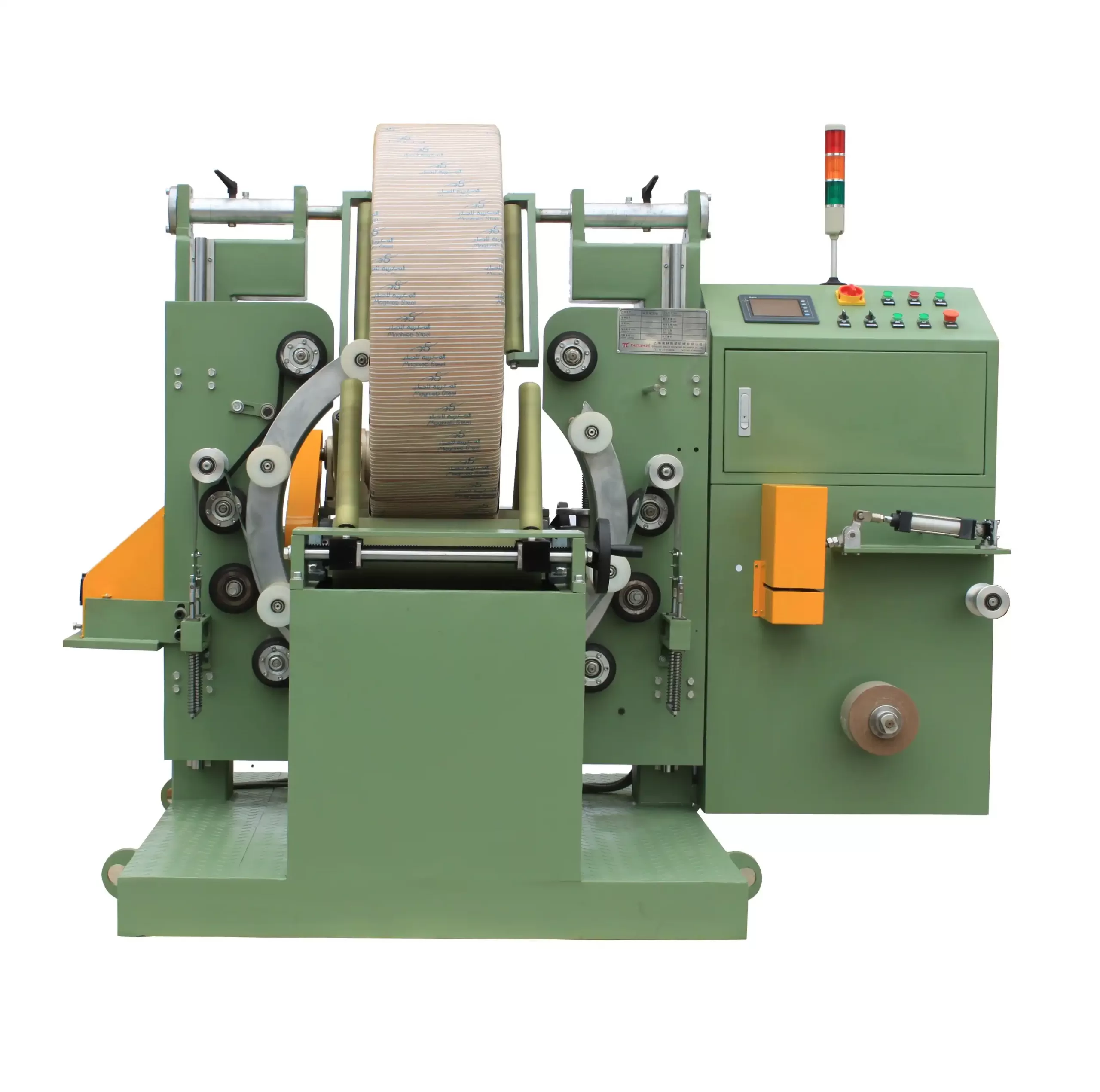
A coil packing machine dramatically improves production time by automating key packaging steps such as loading, wrapping, sealing, and labeling. This automation minimizes manual handling, accelerates the entire process, and ensures consistent packaging quality. By reducing reliance on manual labor, manufacturers experience faster throughput, lower labor costs, and significantly reduced production bottlenecks. The result is a more efficient and productive operation, capable of meeting demanding production schedules and improving overall profitability.
Diving Deeper: Quantifying Time Savings and Efficiency Gains
To truly appreciate the impact of coil packing machines on production time, it's essential to break down the specific areas where these machines excel. Let's examine the tangible improvements across key operational stages:
1. Reduced Manual Labor and Handling Time
Manual coil packaging is a multi-step process involving significant physical effort and time. Operators must manually position coils, apply wrapping materials, secure them, and prepare them for dispatch. A coil packing machine automates these steps, drastically reducing the time spent on each coil.
2. Increased Packaging Speed and Throughput
Automated systems operate at a much faster pace than manual processes. Coil packing machines are designed for high-speed operation, capable of wrapping coils in seconds or minutes, compared to the significantly longer time required for manual wrapping. This speed directly translates to increased throughput and a higher volume of packaged coils ready for shipment.
3. Minimized Downtime and Bottlenecks
Manual packaging lines are susceptible to downtime due to operator fatigue, shift changes, and inconsistencies in work pace. Automated coil packing machines operate continuously and consistently, minimizing downtime and eliminating bottlenecks in the packaging process. This consistent operation ensures a smooth flow of production and reduces delays.
4. Enhanced Consistency and Reduced Errors
Manual packaging is prone to human error, leading to inconsistent wrapping quality, material wastage, and potential damage to coils. Coil packing machines are programmed to deliver consistent and precise wrapping every time, eliminating variations and reducing errors. This consistency ensures optimal product protection and minimizes rework or repackaging needs.
To illustrate the quantitative benefits, consider the following comparison:
| Feature | Manual Coil Packing | Automated Coil Packing | Improvement |
|---|---|---|---|
| Packaging Time/Coil | 15-30 minutes | 2-5 minutes | 75-90% reduction |
| Labor Required | 2-3 operators per station | 1 operator for supervision | 50-66% reduction |
| Throughput | 10-20 coils per shift | 80-150 coils per shift | 400-750% increase |
| Material Waste | 10-15% | 2-5% | 50-75% reduction |
| Error Rate | 5-10% | <1% | 80-90% reduction |
These figures clearly demonstrate the significant improvements in production time, efficiency, and resource utilization achievable with coil packing machines. The investment translates directly into tangible operational benefits and a stronger bottom line.
Enhancing Product Protection and Reducing Damage
Beyond speed, protecting coils during packaging and transit is paramount. Damage during these stages can lead to costly returns, rework, and customer dissatisfaction. Coil packing machines are engineered to provide superior protection compared to manual methods, ensuring coils arrive at their destination in pristine condition.
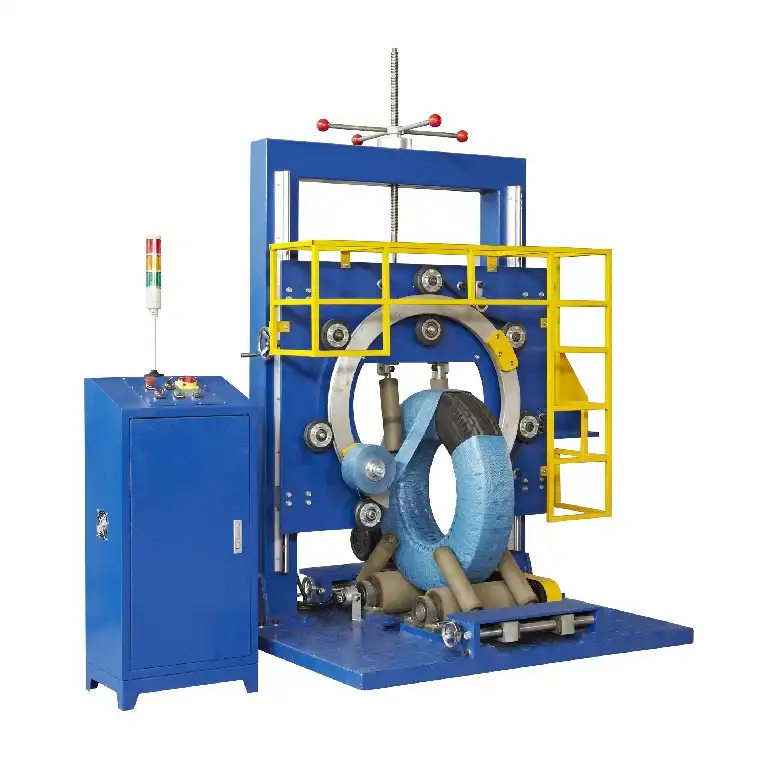
Coil packing machines enhance product protection by applying consistent and secure wrapping, utilizing appropriate materials like stretch film and VCI film to shield coils from moisture, dust, and physical impacts during handling and transportation. This robust protection minimizes damage risks, reduces product loss, and ensures coils maintain their quality from production to delivery, enhancing customer satisfaction and reducing potential costs associated with damaged goods.
Safeguarding Coil Integrity: A Multi-Layered Approach
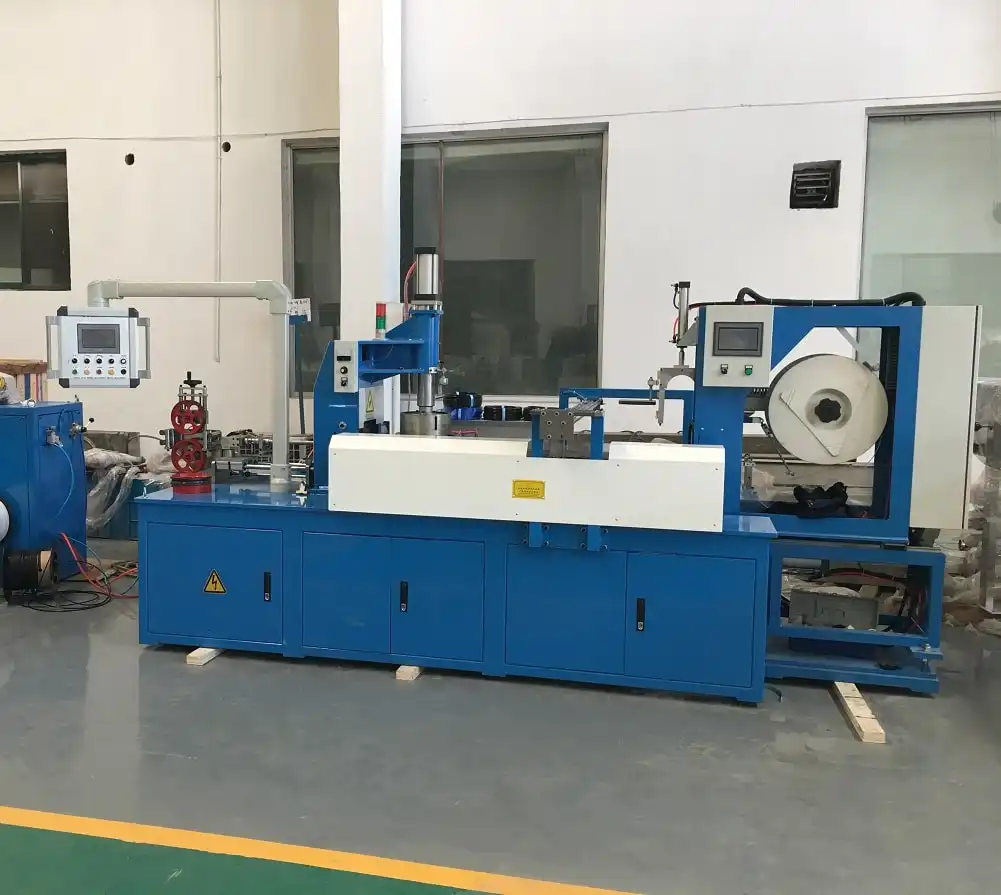
Coil packing machines employ a range of features and technologies to ensure comprehensive product protection. These machines go beyond simply speeding up the wrapping process; they fundamentally improve the quality and reliability of packaging. Let’s explore the key protective advantages:
-
Consistent Wrapping Tension: Machines apply uniform tension during wrapping, ensuring a snug and secure fit that prevents shifting and abrasion during transit. Manual wrapping often struggles to maintain consistent tension, leading to loose or overly tight wraps.
-
Optimal Material Utilization: Coil packing machines precisely control the amount of wrapping material used, optimizing material usage and reducing waste. This precision not only saves costs but also ensures each coil receives the correct amount of protection without unnecessary layers.
-
Specialized Wrapping Materials: These machines can handle a variety of specialized wrapping materials, including stretch film, VCI (Volatile Corrosion Inhibitor) film, and protective papers. VCI films, for example, offer enhanced corrosion protection, crucial for metal coils susceptible to rust.
-
Automated Edge Protection Application: Some advanced coil packing lines incorporate automated edge protection applicators. These systems apply protective edge boards or corner boards to vulnerable coil edges, significantly reducing the risk of damage from impacts and strapping.
-
Robust Sealing and Strapping: Machines ensure secure sealing and strapping of the wrapped coils, preventing unwrapping during handling and transportation. Automated strapping systems apply consistent and reliable strapping, enhancing package integrity.
-
Reduced Manual Handling: By automating the packaging process, coil packing machines minimize manual handling of coils. Reduced manual handling translates to fewer opportunities for accidental drops, impacts, and other forms of physical damage during packaging.
Cost Savings and Resource Optimization
Investing in a coil packing machine is not just about improving production time and product protection; it's also a strategic move towards significant cost savings and resource optimization. By streamlining operations and reducing waste, these machines offer a compelling return on investment.
Coil packing machines drive cost savings by reducing labor expenses through automation, minimizing material waste with precise application, and decreasing product damage, which lowers rework and replacement costs. The enhanced efficiency and resource optimization translate to significant long-term financial benefits, making coil packing machines a cost-effective solution for improving overall profitability in coil manufacturing and handling industries.
Unpacking the Financial Benefits: A Detailed Look at Savings
The cost savings generated by coil packing machines are multifaceted, impacting various aspects of the manufacturing and packaging process. Let's delve into the specific areas where these savings materialize:
-
Labor Cost Reduction: Automation directly reduces the need for manual labor. Fewer operators are required to manage a coil packing line compared to a manual packaging setup. This reduction in labor costs is a significant and ongoing saving.
-
Material Waste Minimization: Precise material application by machines drastically reduces wrapping material waste. Optimized material usage translates directly into lower expenditure on stretch film, VCI film, paper, and strapping materials.
-
Reduced Product Damage and Rework: Enhanced product protection minimizes damage during packaging and transit. Fewer damaged coils mean reduced rework, repackaging, and replacement costs, as well as fewer returns and customer complaints.
-
Increased Throughput and Output: Faster packaging speeds lead to increased throughput and output. Higher production volume with the same or reduced resources directly improves profitability and revenue potential.
-
Lower Energy Consumption (Potentially): Modern, efficient coil packing machines may be designed to optimize energy consumption compared to less efficient manual or semi-automatic processes, contributing to operational cost savings.
-
Reduced Storage Space for Packaging Materials: Optimized material usage and potentially on-demand material forming can reduce the need for large inventories of pre-cut packaging materials, saving valuable storage space.
-
Improved Workplace Safety and Reduced Insurance Costs: Automation improves workplace safety by reducing manual handling and potential for injuries. A safer working environment can lead to lower insurance premiums and reduced costs associated with workplace accidents.
Enhancing Operational Flexibility and Customization
Modern manufacturing demands flexibility. Production lines must adapt to varying coil sizes, materials, and packaging requirements. Coil packing machines are designed with this flexibility in mind, offering customizable solutions to meet diverse operational needs.
Coil packing machines enhance operational flexibility through customizable settings that accommodate various coil sizes, shapes, and materials. Manufacturers can adjust wrapping parameters, material types, and integrate additional features like labeling and barcode scanning to tailor the packaging process to specific product requirements. This adaptability ensures seamless handling of diverse coil types and enhances overall production line versatility.
Tailoring Packaging to Specific Needs: A Deep Dive into Customization
The ability to customize coil packing processes is a crucial advantage in today's diverse manufacturing landscape. Coil packing machines offer a wide range of customization options, allowing manufacturers to fine-tune packaging to meet specific product and operational demands. Let's examine the key areas of customization:
1. Adjustable Wrapping Parameters
- Tension Control: Operators can adjust the wrapping tension to suit different coil materials and fragility levels. Delicate coils require lower tension, while robust coils can withstand higher tension for tighter wrapping.
- Overlap Adjustment: The degree of overlap in wrapping can be adjusted to control the level of protection and material usage. Higher overlap provides greater protection but uses more material.
- Wrapping Layers: The number of wrapping layers can be customized to match the required level of protection based on transportation distance, handling conditions, and product sensitivity.
- Wrapping Speed: Adjustable wrapping speed allows for optimization based on coil size, weight, and material characteristics.
2. Material Versatility
- Stretch Film Options: Machines can accommodate various types of stretch film, including different thicknesses, widths, and specialized films like UV-resistant or colored films.
- VCI Film Compatibility: Integration with VCI film dispensing systems provides enhanced corrosion protection for metal coils.
- Paper and Cardboard Options: Some machines can utilize paper or cardboard wrapping for specific applications or environmental considerations.
- Strapping Material Choice: Options for different strapping materials, such as plastic or steel, allow for customization based on coil weight and security requirements.
3. Integration of Additional Features
- Labeling and Barcoding Systems: Integration with automated labeling and barcoding systems streamlines product identification and tracking.
- Weighing Systems: In-line weighing systems can be incorporated to verify package weight and ensure accurate shipping documentation.
- Automatic Edge Protection Application: Modules for automated application of edge protection enhance package robustness.
- Data Logging and Reporting: Advanced machines may offer data logging and reporting capabilities to track packaging performance, material usage, and production metrics.
4. Machine Configuration and Layout
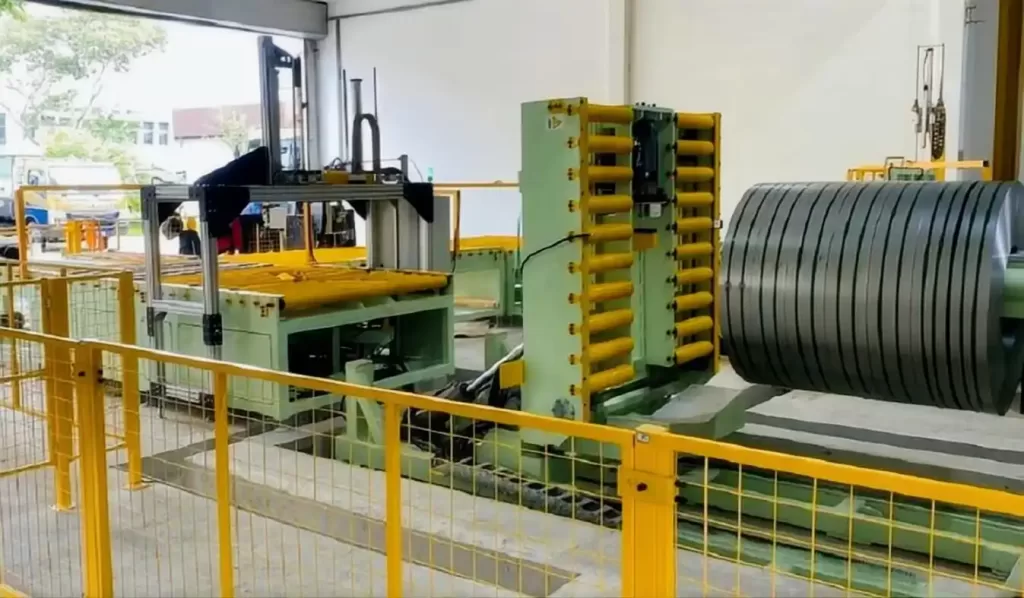
- Inline or Offline Integration: Coil packing machines can be configured for inline integration into existing production lines or as standalone offline packaging stations.
- Customizable Machine Size and Capacity: Machines are available in various sizes and capacities to accommodate different coil dimensions and production volumes.
- Modular Design: Modular designs allow for easy expansion and adaptation to changing production needs.
Seamless Integration and Enhanced Workflow
Implementing a coil packing machine is not just about adding a new piece of equipment; it's about optimizing the entire production workflow. Modern coil packing lines are designed for seamless integration with existing manufacturing systems, enhancing overall operational efficiency and streamlining the movement of goods.
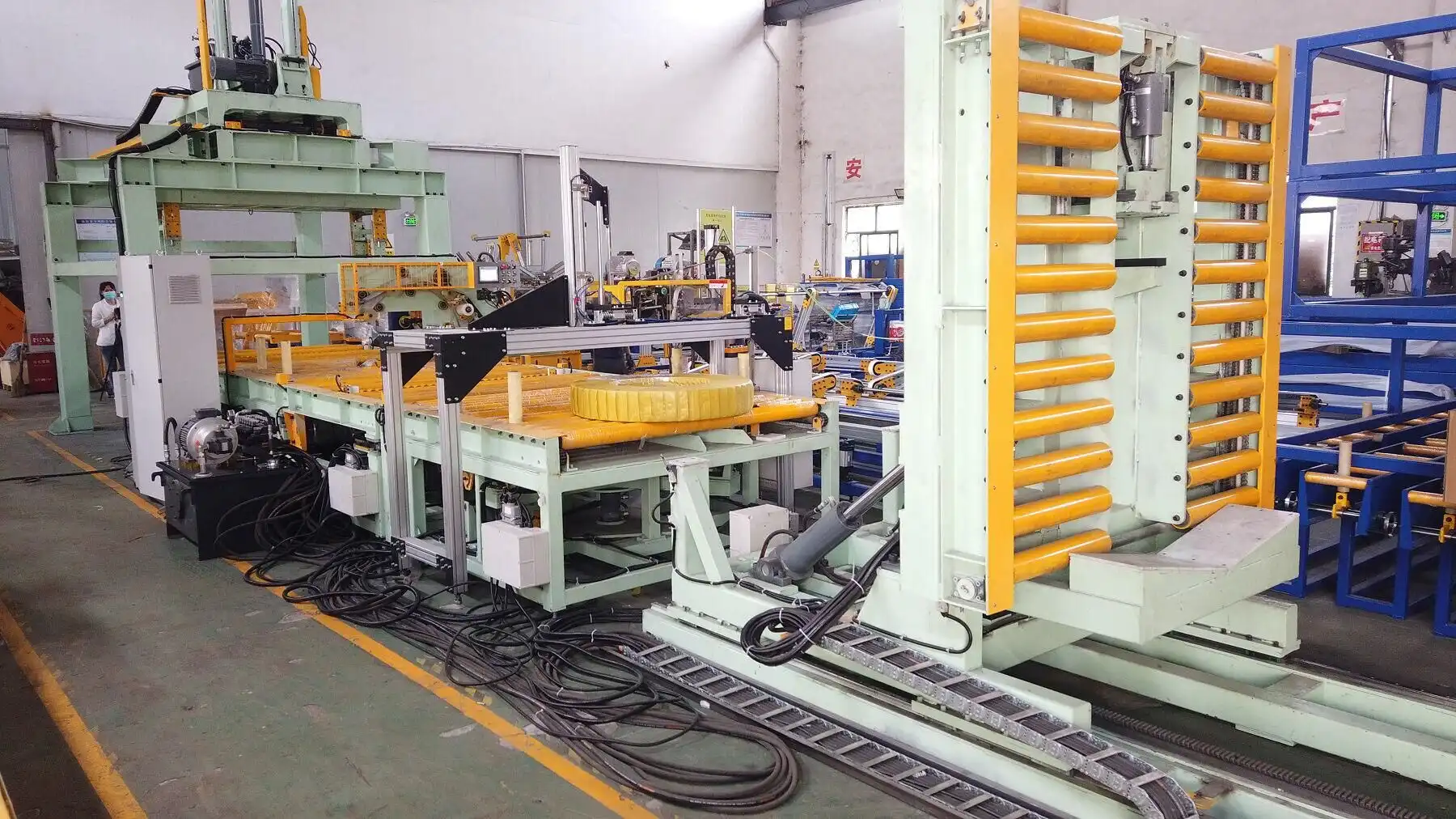
Coil packing machines offer seamless integration into existing production lines through automated material handling systems, compatibility with various conveyor systems, and data integration capabilities with manufacturing execution systems (MES) and enterprise resource planning (ERP) systems. This integration streamlines the workflow by ensuring a smooth transition from production to packaging, reducing manual intervention, minimizing bottlenecks, and providing real-time data for improved production management and overall operational efficiency. This holistic approach to workflow optimization maximizes the benefits of automated packaging and contributes to a more agile and responsive manufacturing environment. By connecting the packaging process directly to the broader manufacturing ecosystem, businesses can unlock significant gains in speed, efficiency, and control.
Conclusion
Investing in a coil packing machine is a strategic decision that yields substantial improvements in production time, product protection, cost savings, operational flexibility, and workflow efficiency. By automating and optimizing the coil packaging process, manufacturers can overcome bottlenecks, reduce manual labor, minimize material waste, and ensure consistent, high-quality packaging. For businesses seeking to enhance their competitiveness and streamline their operations, coil packing automation is not just an option—it's a necessity.