
Global Trends in Steel Coil Packaging Lines
Are you struggling with inefficient and labor-intensive steel coil packaging processes? The steel industry is evolving, and so are the methods to secure and protect valuable steel coils. Discover the cutting-edge global trends in steel coil packaging lines that are revolutionizing operations and boosting efficiency.
The global trend in steel coil packaging lines is shifting towards highly automated units that utilize buckle-free or welded joints for strapping. These advanced systems significantly reduce the need for manual labor, enhance packaging speed, and provide superior locking force, ensuring safer and more secure transit of steel coils.
This article delves into the key trends shaping the steel coil packaging industry, from innovative strapping technologies to the leading international manufacturers and the increasing demand for automation. Read on to discover how these advancements can transform your steel coil packaging operations and keep you ahead in a competitive market.
Innovations in Strapping Joint Technology
As the demands for secure steel coil packaging intensify, the technology behind strapping joints is rapidly advancing. Ensuring coils remain tightly bound throughout handling and transportation is paramount, driving innovation in jointing methods.
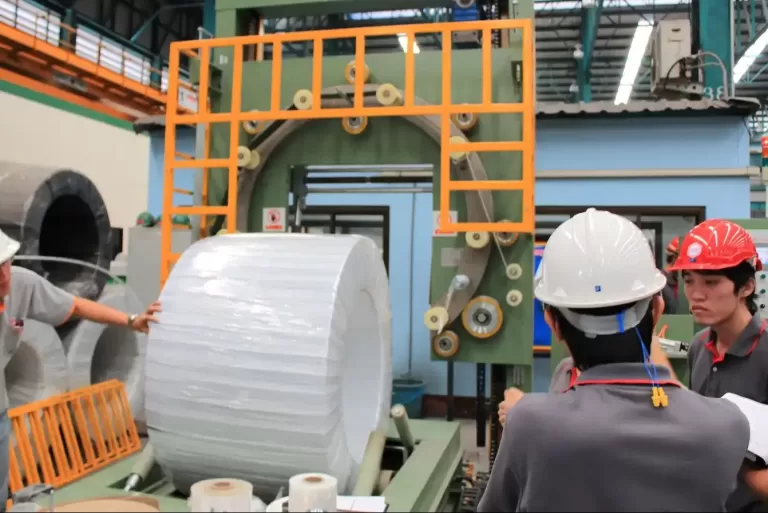
Currently, three primary types of strapping joints dominate steel coil packaging: locking type using iron buckles, buckle-free type utilizing stamping deformation, and welding type employing spot welding. Buckle-free joints offer binding force exceeding 14,000N, welding joints surpass 20,000N, while locking type joints provide >6,000N. The selection depends on required security and automation level.
%[Strapping Joint Technology]
Delving Deeper into Strapping Technology Evolution
The evolution of strapping joint technology reflects the steel industry's pursuit of enhanced efficiency, security, and automation in packaging processes. From basic manual methods to sophisticated automated systems, the journey has been marked by continuous improvement and adaptation to industry needs.
The Rise of High-Strength Joints
Initially, simple locking joints with iron buckles were sufficient for manual bundling. However, as coil weights increased and transport conditions became more demanding, the limitations of locking joints became apparent. This spurred the development of buckle-free and welding technologies, offering significantly higher binding forces. Buckle-free joints, achieved through stamping deformation, provided a substantial leap in strength, suitable for semi-automatic and some automatic systems. Welding joints, utilizing spot welding, emerged as the pinnacle of strapping strength, primarily integrated into fully automatic, high-throughput packaging lines.
Automation and Joint Technology Synergy
The progression in strapping joint technology is intrinsically linked to the rise of automation. Manual locking joints are labor-intensive and slow, incompatible with high-volume production. Buckle-free and welding joints are designed for automated systems, enabling faster, more consistent, and reliable packaging. Fully automatic strapping machines incorporating these advanced jointing methods have become essential for modern steel plants aiming for operational excellence.
Comparative Analysis of Strapping Joint Types
To understand the nuances of each strapping joint type, a comparative analysis is essential. The table below summarizes the key features, advantages, and disadvantages:
| Feature | Locking Type (Iron Buckles) | Buckle-Free Type (Stamping) | Welding Type (Spot Welding) |
|---|---|---|---|
| Binding Force | > 6,000N | > 14,000N | > 20,000N |
| Automation Level | Manual & Fully Automatic | Manual & Semi-Automatic | Fully Automatic |
| Complexity | Simple | Medium | High |
| Cost | Low | Medium | High |
| Joint Reliability | Moderate | High | Very High |
| Application | General bundling | Heavy coils, Semi-auto lines | High-speed auto lines |
| Advantages | Versatile, Low cost | Stronger, Less material | Strongest, Highly reliable |
| Disadvantages | Lower strength, Buckles needed | More complex machinery | Highest cost, Complex maintenance |
Future Trends in Strapping Joints
The future of strapping joint technology is likely to be shaped by several factors:
- Increased Demand for Strength: As steel coils become larger and heavier, the need for even stronger joints will continue to grow, potentially driving the development of enhanced welding techniques or entirely new jointing methods.
- Sustainability: There will be a greater focus on material efficiency and reducing waste. Buckle-free joints, which eliminate the need for separate buckles, align with this trend. Further innovations may focus on minimizing material usage in welding processes or exploring biodegradable strapping materials.
- Smart Packaging: Integration of sensors and data analytics into strapping systems could enable real-time monitoring of strapping tension and joint integrity, enhancing safety and preventing damage during transit.
- Customization: Tailoring strapping solutions to specific coil types and transport conditions will become more prevalent, requiring flexible and adaptable jointing technologies.
In conclusion, the evolution of strapping joint technology is a continuous journey driven by the steel industry's relentless pursuit of efficiency, security, and innovation. The shift towards stronger, more automated, and sustainable jointing methods is set to redefine steel coil packaging in the years to come.
Leading International Manufacturers of Steel Coil Packaging Equipment
Developed countries are at the forefront of steel coil packaging technology, with steel companies implementing stringent in-house standards and highly automated packaging units. These advancements are driven by a need for efficiency, quality, and reduced labor costs.
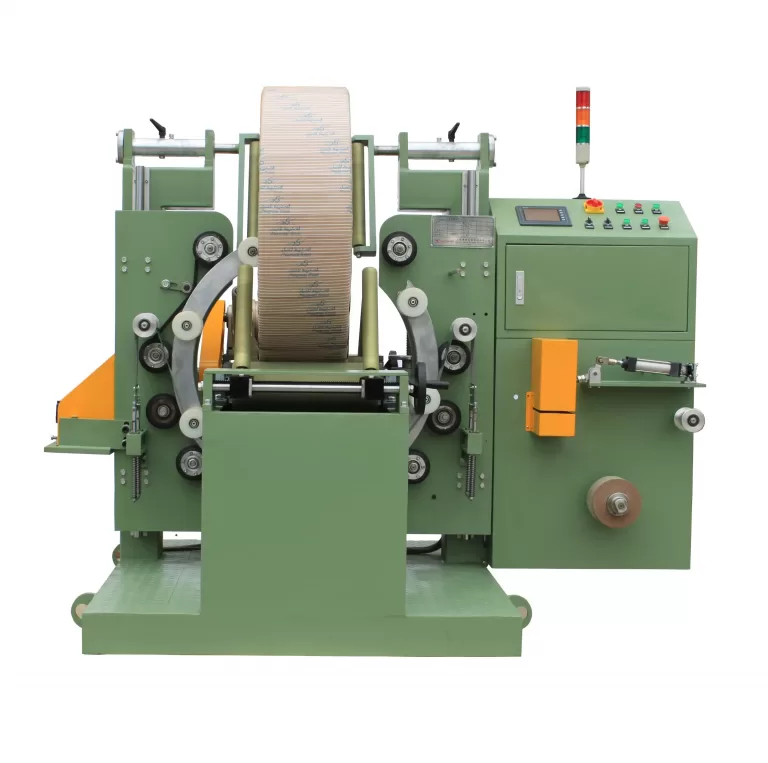
Internationally renowned manufacturers of steel coil packaging equipment include SIGNODE (USA), TITANPACK (Germany), and ITIPACK (Italy). SIGNODE excels in fully automatic strapping machines, TITANPACK specializes in strapping heads, and ITIPACK focuses on comprehensive steel packaging machinery, often integrating TITANPACK heads.
%[Steel Coil Packaging Equipment Manufacturers]
Exploring Key Players and Their Strengths
The global steel coil packaging equipment market is characterized by a few dominant players who have consistently pushed the boundaries of technology and innovation. These companies not only provide advanced machinery but also contribute significantly to setting industry standards and best practices.
SIGNODE: The Automation Pioneer
SIGNODE, a US-based company, stands out for its comprehensive approach to fully automatic strapping solutions. Renowned for its fully automatic strapping machines and heads, SIGNODE also manufactures a complete range of packaging materials, including specialized strapping, corner guards, and locks. Their strapping heads boast a market-leading maximum locking force of 20,000N, demonstrating their commitment to high-performance and reliability. SIGNODE's focus on complete system solutions makes them a preferred choice for steel plants seeking end-to-end automated packaging lines.
TITANPACK: Strapping Head Specialist
TITANPACK, a German manufacturer, has carved a niche as a specialist in fully automatic strapping heads. Their extensive product range and superior performance have made them a global leader in strapping head technology. Many packaging equipment manufacturers worldwide, including ITIPACK, incorporate TITANPACK strapping heads into their systems, attesting to their quality and reliability. With a maximum locking force of 17,000N, TITANPACK heads are known for their robust design and consistent performance in demanding industrial environments.
ITIPACK: System Integrator for Bare Coils
ITIPACK, an Italian company, differentiates itself through its specialization in designing and manufacturing complete steel packaging machinery, particularly for "bare coils" – steel coils packaged without external wrapping materials. By using TITANPACK strapping heads in their machinery, ITIPACK ensures high strapping performance while focusing on the overall packaging system design and integration. Their expertise in handling bare coils, which require precise and secure strapping, positions them as a key player in the steel coil packaging sector.
Corporate Standards and Industry Leadership
The maturity of steel coil packaging technology in developed countries is not solely due to equipment manufacturers but also to the stringent corporate standards implemented by steel companies themselves. These internal standards, often considered trade secrets, dictate the packaging requirements for finished steel coils, pushing equipment manufacturers to innovate and meet ever-higher benchmarks. This demand for excellence from the steel industry, coupled with the technological prowess of companies like SIGNODE, TITANPACK, and ITIPACK, drives continuous progress in steel coil packaging technology. The collaboration between steel producers and equipment manufacturers is a key factor in maintaining the high standards and driving future innovations in the industry.
The Rise of Automation in Steel Coil Packaging
Manual steel coil packaging is labor-intensive, time-consuming, and often inconsistent. Automation offers a solution to these challenges, increasing efficiency, improving packaging quality, and reducing operational costs.
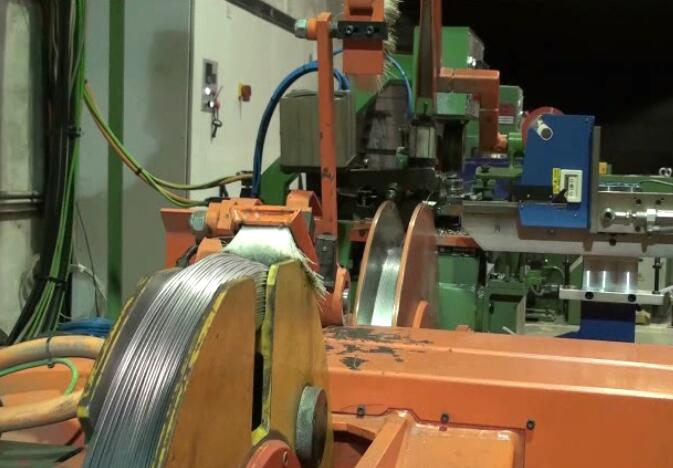
Highly automated packaging units utilizing buckle-free or welded joints are the current development trend in steel coil packaging technology. These systems minimize manual intervention, requiring workers primarily for auxiliary tasks like applying corner guards and strap replacement.
%[Automation in Steel Coil Packaging]
Exploring the Levels and Benefits of Automation
Automation in steel coil packaging lines spans a spectrum, from basic mechanization to fully autonomous systems. Understanding the different levels of automation and their respective benefits is crucial for steel manufacturers looking to optimize their packaging processes.
Levels of Automation in Packaging Lines
Steel coil packaging automation can be broadly categorized into three levels:
- Manual Packaging: This is the most basic level, relying entirely on manual labor for all packaging tasks. Strapping is typically done with manual strapping tools and locking type joints. This method is slow, labor-intensive, and prone to inconsistencies.
- Semi-Automatic Packaging: This level incorporates some degree of mechanization. For example, a semi-automatic strapping machine might apply straps and create buckle-free joints, but coil handling and positioning are still largely manual. This improves speed and consistency compared to manual packaging but still requires significant labor.
- Fully Automatic Packaging: This represents the highest level of automation. Fully automatic lines handle coils from entry to exit with minimal human intervention. They include automated coil conveying, positioning, wrapping, strapping (using buckle-free or welding joints), and stacking. Workers are primarily needed for monitoring and auxiliary tasks.
Benefits of Automation
The shift towards automation in steel coil packaging is driven by numerous compelling benefits:
- Increased Efficiency and Throughput: Automated lines can package coils much faster than manual or semi-automatic systems, significantly increasing throughput and reducing packaging time.
- Improved Packaging Consistency and Quality: Automation ensures consistent strap tension, joint quality, and wrapping, leading to more secure and reliable packaging.
- Reduced Labor Costs: By minimizing manual labor, automation significantly reduces labor costs associated with packaging operations.
- Enhanced Safety: Automated systems reduce the need for workers to be in close proximity to heavy coils and machinery, improving workplace safety.
- Material Savings: Optimized strapping and wrapping processes in automated lines can reduce material consumption, leading to cost savings and environmental benefits.
- Improved Traceability and Data Collection: Modern automated systems can integrate with plant-wide data networks, enabling real-time monitoring of packaging processes, tracking of materials, and data collection for process optimization.
Technologies Driving Automation
Several key technologies underpin the advancement of automation in steel coil packaging:
- Automated Strapping Machines: These machines, equipped with buckle-free or welding heads, are the core of automated strapping processes. They can apply multiple straps with precise tension and create reliable joints at high speeds.
- Robotics and Material Handling Systems: Robots and automated conveyors are used for coil handling, positioning, and transferring coils between different packaging stations, minimizing manual intervention.
- Sensors and Control Systems: Sophisticated sensors and programmable logic controllers (PLCs) monitor and control all aspects of the packaging process, ensuring accuracy, consistency, and safety.
- Integrated Software and Data Analytics: Software systems integrate packaging lines with plant-wide management systems, enabling data collection, process monitoring, and optimization.
Comparing Automation Levels in Steel Coil Packaging
| Feature | Manual Packaging | Semi-Automatic Packaging | Fully Automatic Packaging |
|---|---|---|---|
| Throughput | Low | Medium | High |
| Labor Requirement | High | Medium | Low |
| Packaging Consistency | Low | Medium | High |
| Safety | Lower | Moderate | Higher |
| Initial Investment | Low | Medium | High |
| Operating Cost | High (labor-intensive) | Medium | Low (labor-saving) |
| Joint Type | Locking Type | Buckle-Free Type | Buckle-Free & Welding Type |
| Complexity | Simple | Medium | Complex |
The trend towards fully automatic steel coil packaging lines is undeniable. As steel manufacturers strive for greater efficiency, lower costs, and improved product quality, automation will continue to play an increasingly crucial role in shaping the future of steel coil packaging.
Market Growth and Future Outlook for Steel Coil Packaging
The global market for pre-painted steel coils, closely linked to packaging demands and overall steel industry trends, is experiencing significant growth, indicating a parallel expansion in steel coil packaging needs.
%[Steel Coil Packaging Market Outlook]
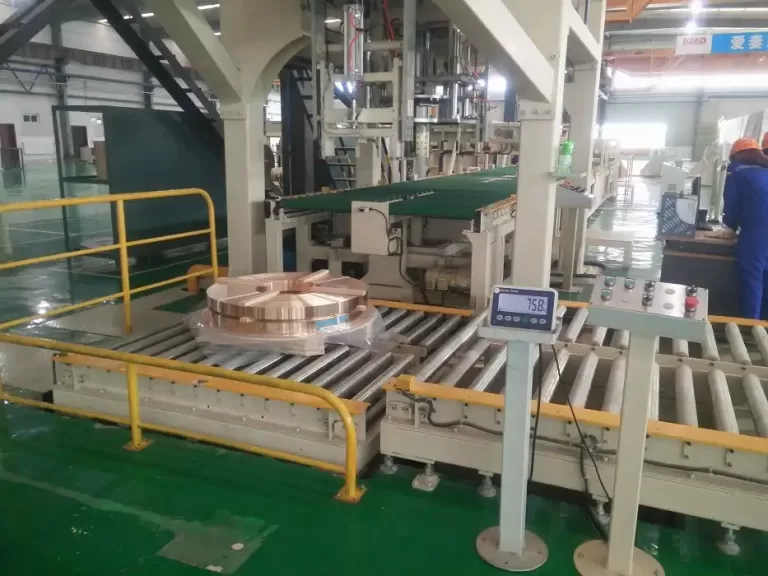
The Pre Painted Steel Coil Market was valued at USD 18.99 billion in 2024 and is projected to reach USD 33.66 billion by 2034, exhibiting a CAGR of 5.89% from 2025 to 2034. This growth is driven by increasing demand from construction, automotive, and appliance industries, which in turn fuels the need for advanced steel coil packaging solutions to support this expanding market.
The robust growth of the pre-painted steel coil market directly translates to increased demand for efficient and reliable steel coil packaging lines. Several key factors are contributing to this expansion and shaping the future outlook for the steel coil packaging industry:
Key Market Drivers and Trends
- Expanding Construction Sector: The construction industry is a major consumer of pre-painted steel coils for roofing, cladding, and interior applications. Global urbanization and infrastructure development are driving significant growth in this sector, leading to increased demand for steel coils and, consequently, packaging solutions.
- Automotive Industry Growth: The automotive industry's demand for lightweight, durable, and corrosion-resistant materials is fueling the use of pre-painted steel coils in vehicle manufacturing. Rising vehicle production and evolving automotive designs are key drivers for both pre-painted steel coils and advanced packaging systems.
- Consumer Appliance Sector Expansion: Pre-painted steel coils are increasingly used in consumer appliances like refrigerators, washing machines, and dishwashers due to their durability and aesthetic appeal. Growing consumer demand for durable goods and rising disposable incomes are boosting this sector, further driving the need for steel coil packaging.
- Technological Advancements in Coatings: Innovations in coating technologies are enhancing the properties of pre-painted steel coils, making them more attractive for various applications. This includes developments in eco-friendly coatings, high-performance coatings for corrosion resistance, and digital printing technologies for customized designs, all contributing to market growth.
- Sustainability and Energy Efficiency: The increasing focus on sustainable building practices and energy efficiency is creating opportunities for pre-painted steel coils with eco-friendly coatings that reduce energy consumption. This trend is also influencing packaging, with a greater emphasis on material optimization and environmentally responsible packaging solutions.
- Emerging Markets Growth: Rapid urbanization and industrialization in emerging economies, particularly in the Asia-Pacific region, are creating substantial demand for steel and pre-painted steel coils. This growth is driving the need for efficient and scalable steel coil packaging solutions in these regions.
Key Market Players and Competitive Landscape
The steel coil and pre-painted steel coil markets are dominated by major global players, including:
- ArcelorMittal
- Nippon Steel Corporation
- Baosteel Group
- Tata Steel
- ThyssenKrupp AG
- POSCO
- Nucor Corporation
- JFE Steel Corporation
These companies are continuously investing in research and development to enhance product quality, expand production capacity, and cater to the evolving needs of the market. The competitive landscape is characterized by innovation, strategic partnerships, and capacity expansions, all aimed at capturing a larger share of the growing market.
Future Outlook
The future of the steel coil packaging market is closely tied to the continued growth of the pre-painted steel coil market and the broader steel industry. The trends towards automation, stronger strapping technologies, and sustainable practices are expected to intensify. The demand for efficient, reliable, and cost-effective steel coil packaging solutions will continue to rise, driven by the expanding construction, automotive, appliance, and packaging sectors globally. Technological advancements and the increasing focus on sustainability will shape the future landscape of the steel coil packaging industry, creating opportunities for innovation and growth.
Conclusion
The global steel coil packaging industry is undergoing a significant transformation, driven by the relentless pursuit of efficiency, security, and sustainability. The shift towards highly automated packaging lines, utilizing advanced strapping technologies like buckle-free and welding joints, is reshaping operations and setting new standards for the industry. Leading manufacturers are continuously innovating, pushing the boundaries of technology and contributing to the evolution of steel coil packaging. As the market for steel and pre-painted steel coils continues to expand, particularly in sectors like construction and automotive, the demand for sophisticated and efficient packaging solutions will only intensify. Embracing automation and adopting these global trends is crucial for steel manufacturers to remain competitive and meet the evolving demands of the market, ensuring the safe and efficient delivery of steel coils worldwide. The future of steel coil packaging automation is bright, promising greater efficiency, enhanced safety, and a more sustainable approach to this critical industrial process.