
Are you planning to install a heavy mold upender? The foundation and flooring are critical! Without proper planning, you risk equipment damage, safety hazards, and costly downtime. Learn the key requirements for a successful and safe installation.
What foundation and flooring requirements are crucial for heavy mold upenders? The foundation must provide adequate support and stability to handle the upender's weight and operational forces. Flooring should be durable, level, and capable of withstanding the heavy loads and potential impacts.
This comprehensive guide will explore the essential foundation and flooring requirements for heavy mold upenders, ensuring a safe and efficient working environment. Keep reading to discover the key factors and best practices for a successful installation.
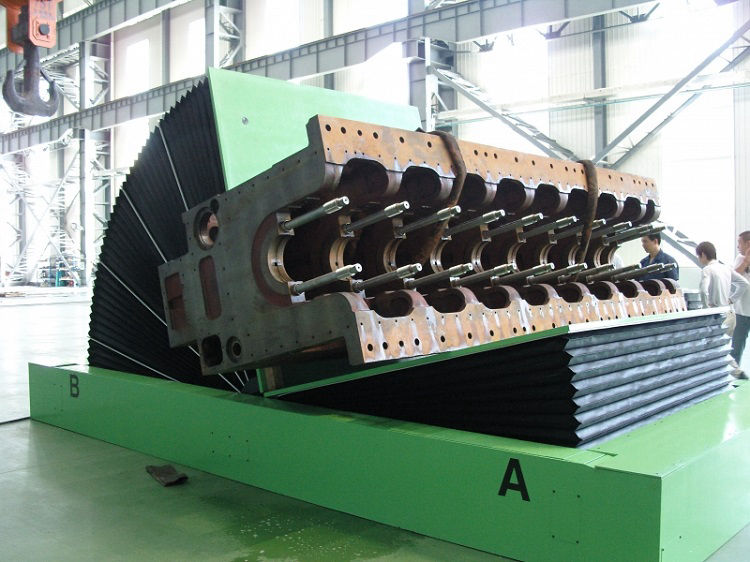
Understanding Load Distribution and Foundation Design
The foundation is the bedrock of any heavy machinery installation. A well-designed foundation ensures stability, minimizes vibrations, and prevents equipment damage. It's a critical investment for long-term operational success.
Why is proper load distribution crucial in foundation design for heavy mold upenders? Proper load distribution ensures that the weight of the upender and the molds it handles are evenly spread across the foundation, preventing stress concentrations and potential foundation failure.
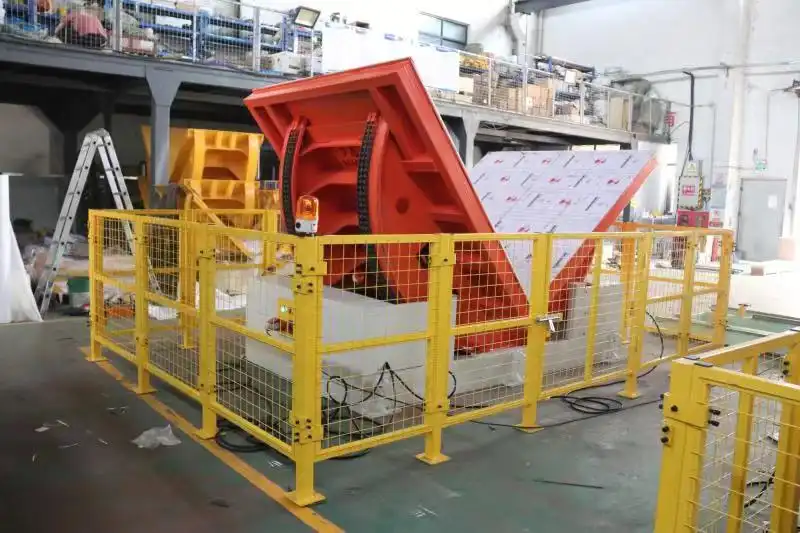
Dive Deeper: Key Considerations for Foundation Design
Designing a foundation for a heavy mold upender involves a detailed analysis of several critical factors. Let’s break down these considerations to ensure a robust and reliable foundation.
1. Soil Analysis and Geotechnical Investigation
Before any construction begins, it's essential to understand the soil conditions at the installation site. A geotechnical investigation provides crucial data on soil bearing capacity, settlement characteristics, and water table levels. This information dictates the type and depth of the foundation required.
- Soil Bearing Capacity: The soil's ability to support the load without excessive settlement.
- Settlement Characteristics: How much the soil will compress under load over time.
- Water Table Levels: The depth at which groundwater is encountered, affecting foundation design and construction techniques.
2. Load Calculations: Static and Dynamic Forces
Accurately calculating the loads the foundation will bear is paramount. This includes both static loads (the weight of the upender and molds) and dynamic loads (forces generated during operation, such as tilting and rotating).
- Static Loads: The constant weight of the equipment and the heaviest mold it will handle.
- Dynamic Loads: Forces generated during the upender's operation, including acceleration, deceleration, and impact loads. These are often more challenging to estimate.
3. Foundation Types and Design
Based on the soil conditions and load calculations, the appropriate foundation type can be selected. Common types include:
- Reinforced Concrete Slab: A thick concrete slab reinforced with steel rebar, providing a stable and rigid base.
- Pile Foundation: Used when the soil bearing capacity is low. Piles transfer the load to deeper, more stable soil layers.
- Caisson Foundation: Similar to pile foundations, but larger in diameter and often used for very heavy loads.
4. Design Standards and Codes
Adhering to relevant design standards and building codes is essential. These codes specify minimum requirements for foundation design, materials, and construction practices.
- ACI 318: Building Code Requirements for Structural Concrete (American Concrete Institute).
- IBC: International Building Code.
- Local Building Codes: Specific to the region, addressing local soil conditions and seismic activity.
5. Foundation Isolation and Vibration Control
Mold upenders can generate significant vibrations during operation. Incorporating vibration isolation measures into the foundation design can minimize the transmission of these vibrations to the surrounding structure.
- Vibration Isolators: Spring or elastomeric isolators placed between the equipment and the foundation.
- Dampening Materials: Materials that absorb and dissipate vibration energy.
Comparative Analysis: Foundation Types
| Feature | Reinforced Concrete Slab | Pile Foundation | Caisson Foundation |
|---|---|---|---|
| Soil Suitability | High bearing capacity | Low capacity | Very low capacity |
| Load Capacity | Moderate | High | Very High |
| Construction Cost | Low | Moderate | High |
| Construction Time | Short | Moderate | Long |
| Vibration Control | Limited | Moderate | High |
By carefully considering these factors and engaging experienced geotechnical and structural engineers, you can ensure that the foundation for your heavy mold upender is designed to provide long-term stability, minimize downtime, and maintain a safe working environment.
Flooring Material Selection: Durability and Load Resistance
Selecting the right flooring material is just as critical as designing the foundation. The flooring must withstand heavy loads, resist abrasion, and provide a safe working surface.
What flooring materials are best suited for areas with heavy mold upenders? High-strength concrete, epoxy coatings, and steel plating are excellent choices due to their durability, load resistance, and ability to withstand heavy equipment traffic and potential impacts.
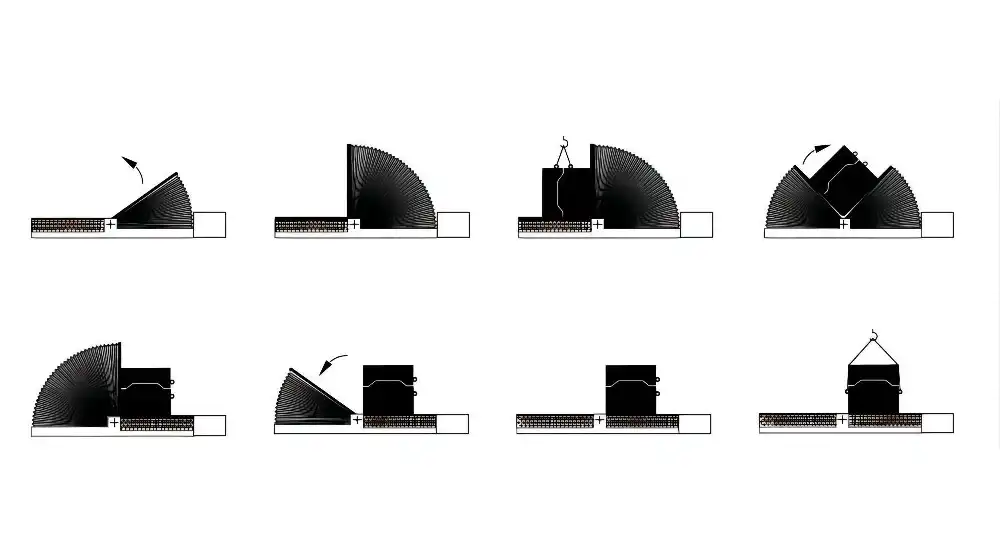
Choosing the Right Flooring: A Comprehensive Guide
The floor in any facility with heavy mold upenders takes a beating. The flooring needs to withstand constant heavy loads. It needs to be resistant to damage from equipment and impact from dropped items. Choosing the right material is crucial for safety and efficiency.
1. High-Strength Concrete
High-strength concrete is a popular choice for industrial flooring due to its exceptional durability and load-bearing capacity. It can withstand heavy equipment traffic and resist cracking and wear.
- Pros: High load-bearing capacity, durability, cost-effective.
- Cons: Can be porous, susceptible to chemical attack, requires sealing.
2. Epoxy Coatings
Epoxy coatings are applied over concrete to provide a protective layer that is resistant to chemicals, abrasion, and impact. They also offer a smooth, seamless surface that is easy to clean and maintain.
- Pros: Chemical resistance, abrasion resistance, easy to clean.
- Cons: Can be slippery when wet, may require reapplication over time.
3. Steel Plating
Steel plating provides the ultimate in durability and load-bearing capacity. It is often used in areas where extremely heavy loads or frequent impacts are expected.
- Pros: Extremely high load-bearing capacity, impact resistance, long-lasting.
- Cons: High cost, can be noisy, requires specialized installation.
4. Polyurethane Coatings
Polyurethane coatings offer a balance of durability, flexibility, and chemical resistance. They are often used in areas where a combination of these properties is required.
- Pros: Good chemical resistance, flexibility, impact resistance.
- Cons: Can be more expensive than epoxy, may require specialized installation.
5. Considerations for Safety
In addition to durability and load resistance, safety is a critical factor in flooring material selection. Features to consider include:
- Slip Resistance: Choose materials with a textured surface to prevent slips and falls.
- Visibility: Use bright colors or reflective markings to improve visibility in the work area.
- Ergonomics: Consider materials that provide cushioning or reduce fatigue for workers who stand for long periods.
By carefully evaluating these factors and selecting the right flooring material, you can create a safe, durable, and efficient working environment for your heavy mold upenders.
Leveling and Alignment for Optimal Performance
Precise leveling and alignment are essential for the safe and efficient operation of heavy mold upenders. Proper alignment minimizes stress on the equipment, reduces vibrations, and ensures accurate mold handling.
Why is precise leveling and alignment so vital for heavy mold upenders? It prevents uneven load distribution, reduces stress on mechanical components, minimizes vibrations, and ensures smooth, accurate operation, leading to increased lifespan and reliability.
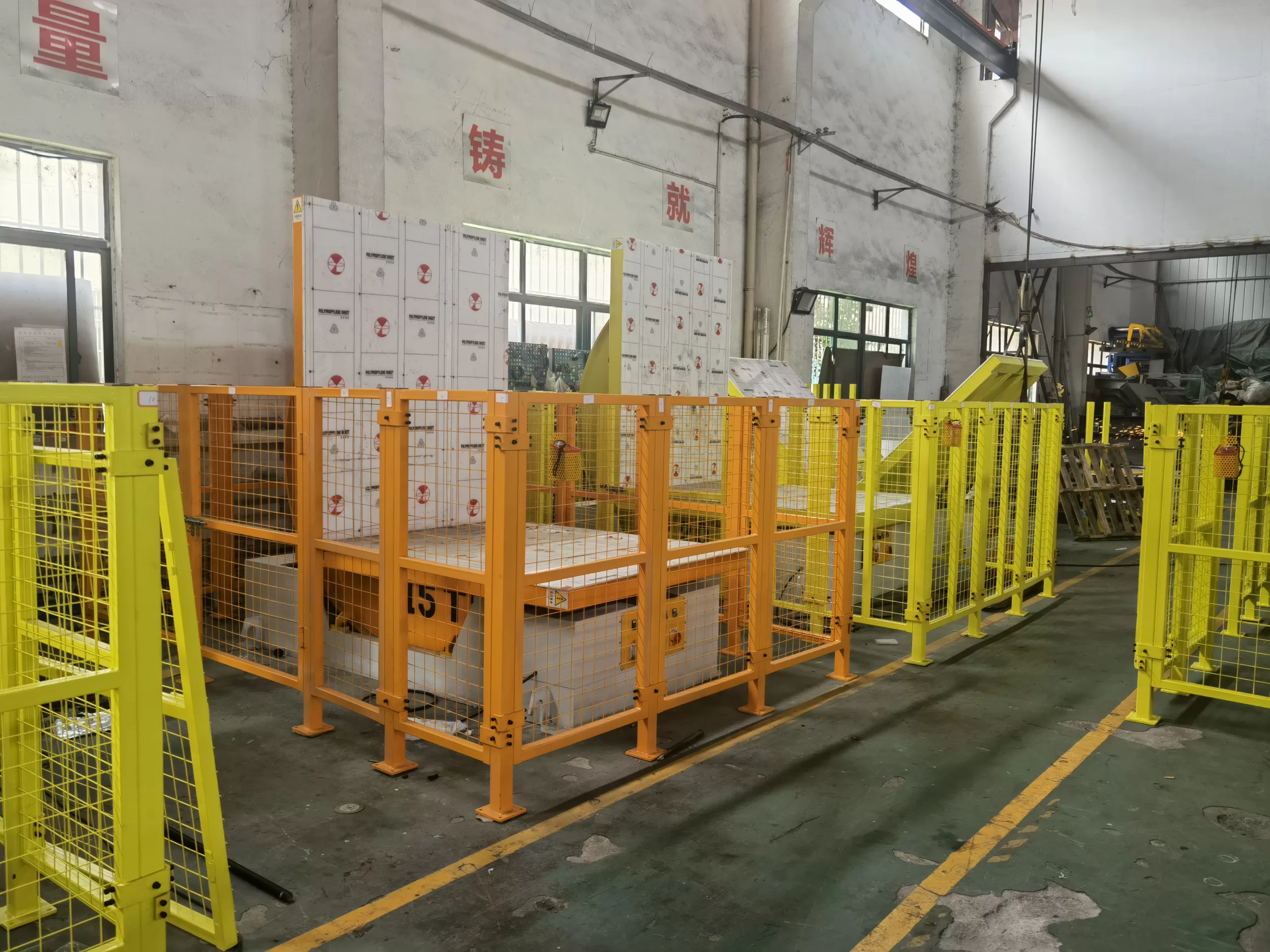
Techniques for Achieving Perfect Level and Alignment
Achieving perfect level and alignment involves a combination of precise measurement tools, skilled technicians, and a systematic approach. Here’s how to ensure your heavy mold upender is perfectly aligned.
1. Initial Survey and Preparation
Before installation begins, conduct a thorough survey of the foundation and flooring. Identify any deviations from level and plan for corrective measures.
- Tools: Use precision levels, laser levels, and surveying equipment to map the surface.
- Preparation: Clean the surface and ensure it is free of debris.
2. Shimming and Leveling
Shimming involves placing thin pieces of material under the equipment to achieve level. This is a critical step in the alignment process.
- Materials: Use steel shims of varying thicknesses for precise adjustments.
- Technique: Start with larger shims and gradually reduce thickness until level is achieved.
3. Anchoring and Securing
Once the equipment is level, it must be securely anchored to the foundation. This prevents movement and maintains alignment over time.
- Anchor Bolts: Use high-strength anchor bolts to secure the equipment to the foundation.
- Torque Specifications: Follow manufacturer’s torque specifications to ensure proper clamping force.
4. Final Alignment Verification
After anchoring, perform a final alignment verification to ensure everything is within tolerance.
- Laser Alignment: Use laser alignment tools to measure and correct any misalignment.
- Dial Indicators: Use dial indicators to check for runout and parallelism.
5. Regular Maintenance and Monitoring
Leveling and alignment are not one-time tasks. Regular maintenance and monitoring are essential to maintain optimal performance.
- Periodic Inspections: Conduct regular inspections to check for signs of misalignment or settlement.
- Re-Alignment: Re-align the equipment as needed to maintain optimal performance.
Addressing Common Misalignment Issues
| Issue | Cause | Solution |
|---|---|---|
| Uneven Settlement | Soil compaction, foundation issues | Add shims to compensate for settlement, repair foundation |
| Vibration | Misalignment, loose components | Re-align equipment, tighten loose bolts, balance rotating parts |
| Premature Wear | Misalignment, excessive loads | Re-align equipment, reduce loads, use proper lubrication |
By following these techniques and performing regular maintenance, you can ensure that your heavy mold upender operates at peak performance, minimizing downtime and extending its lifespan.
Implementing Safety Measures and Facility Preparation
Implementing safety measures and proper facility preparation are paramount when installing heavy mold upenders. A well-prepared facility minimizes risks, ensures smooth operations, and protects personnel.
What safety measures and facility preparations are crucial for heavy mold upender installation? Adequate space, safety barriers, proper lighting, emergency stop systems, and trained personnel are essential to prevent accidents and ensure a safe working environment.
Here are some key considerations:
- Adequate Space: Ensure sufficient clearance around the upender for safe operation and maintenance.
- Safety Barriers: Install physical barriers to prevent unauthorized access to the equipment.
- Proper Lighting: Provide ample lighting to ensure good visibility and reduce the risk of accidents.
- Emergency Stop Systems: Install easily accessible emergency stop buttons to quickly halt operation in case of a problem.
- Trained Personnel: Ensure that all personnel operating or maintaining the upender are properly trained and certified.
Thorough planning and execution of these safety measures are critical for a successful and safe installation.
Conclusion
The success of installing a heavy mold upender hinges on meticulous attention to foundation and flooring requirements. By prioritizing proper foundation design, selecting durable flooring materials, and implementing precise leveling and alignment techniques, you ensure optimal performance, safety, and longevity of the equipment. Remember, investing in these crucial aspects upfront minimizes potential downtime and maximizes operational efficiency. The longevity of the equipment can be increased by following Flooring requirements.