
Struggling with the high costs and inflexibility of owning specialized mold handling equipment? Heavy molds pose significant safety risks and operational bottlenecks, tying up capital and limiting your ability to adapt quickly. Rental mold upender services offer a dynamic solution, providing access to necessary equipment precisely when needed.
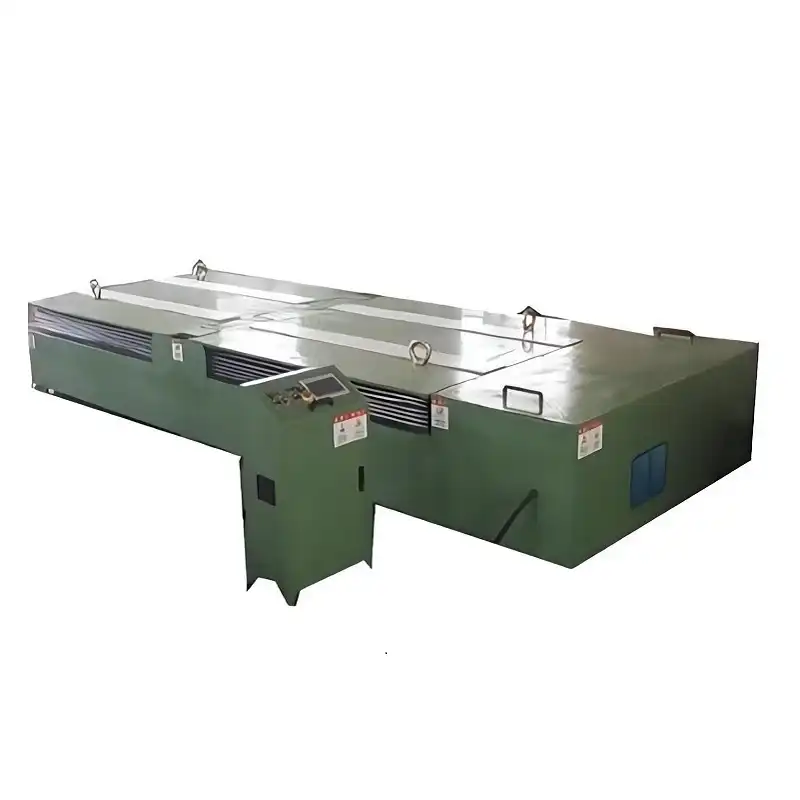
The rise of rental mold upender services stems from manufacturers seeking enhanced flexibility, cost efficiency, and safety. Renting provides access to specialized, well-maintained equipment without the large capital outlay of purchasing. This model allows companies to scale operations based on project needs, reduce maintenance burdens, and improve workplace safety by using compliant, modern machinery handled by rental experts, ultimately boosting overall manufacturing agility.
This shift towards renting heavy equipment like mold upenders isn't just a trend; it's a strategic move reflecting the evolving demands of modern manufacturing. Dive deeper with us as we explore the tangible benefits, key considerations, and operational advantages that are driving the adoption of rental mold upender services across the industry. Discover how this flexible approach can unlock new levels of efficiency and competitiveness for your operations.
Cost Efficiency: Renting vs. Buying Mold Upenders
Evaluating the financial implications of equipment acquisition is paramount in manufacturing. The significant investment required for purchasing a mold upender, coupled with ongoing maintenance and storage costs, presents a major hurdle. Renting emerges as a compelling financial strategy, offering immediate access without the long-term capital commitment.
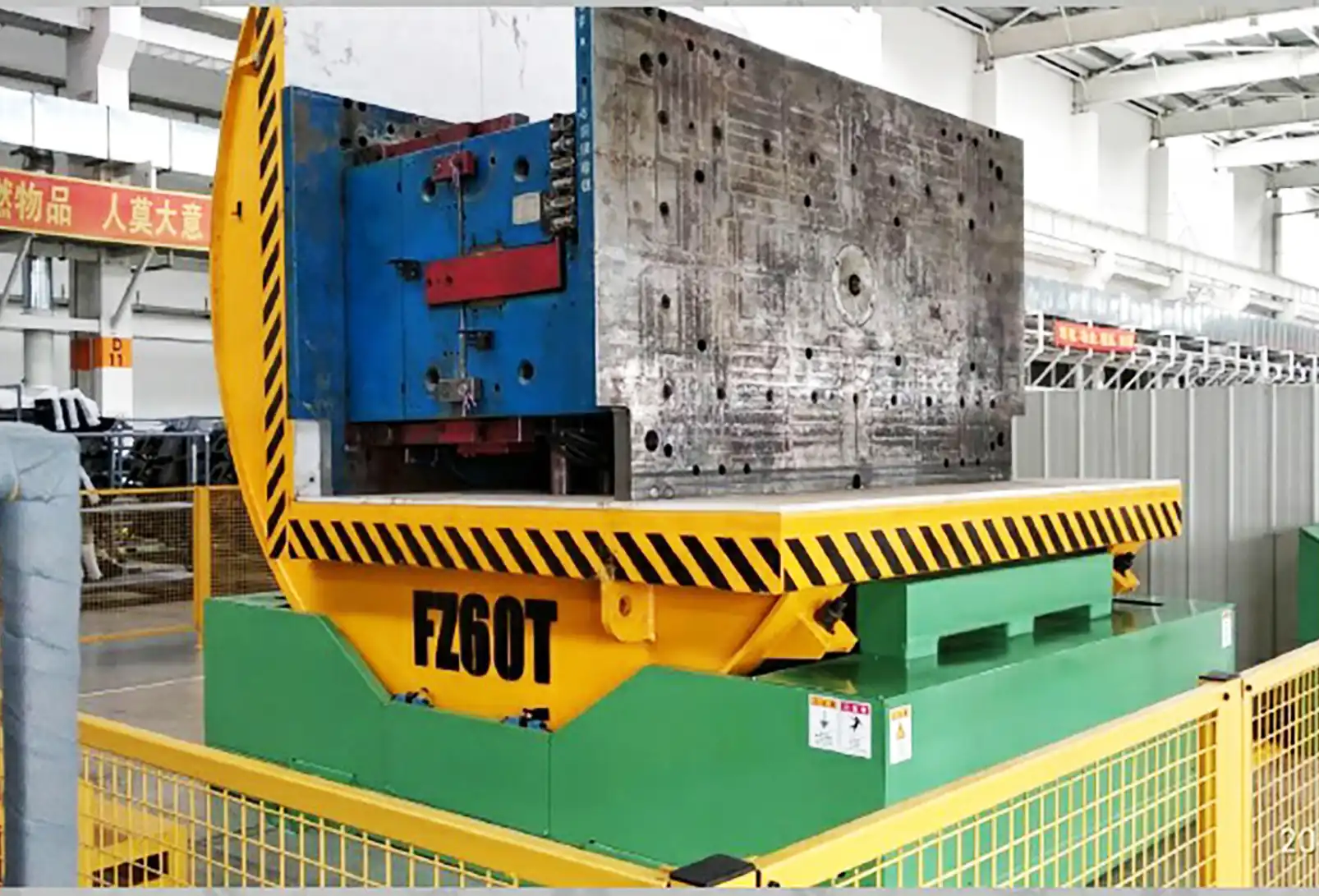
Renting mold upenders offers substantial cost efficiency compared to purchasing. The primary advantage is eliminating the large upfront capital expenditure, freeing up funds for other core business activities. Rental agreements typically include maintenance and repair costs, removing unpredictable expenses and the need for in-house expertise. Storage costs are negated as equipment is returned after use. Furthermore, renting avoids asset depreciation and the eventual costs associated with disposal or resale. Operational expenses (OpEx) through rental fees are often more manageable and predictable than the capital expenses (CapEx) and ongoing hidden costs of ownership, making it particularly beneficial for project-based work, startups, or companies managing tight budgets. This model provides access to modern technology without the long-term financial burden, improving the bottom line.
A Deeper Dive into Financial Implications
Choosing between renting and buying a mold upender requires a thorough financial analysis beyond the initial price tag. Understanding the Total Cost of Ownership (TCO) versus the total cost of renting over a specific period is crucial for making an informed decision that aligns with a company's financial strategy and operational needs.
Total Cost of Ownership (TCO) Breakdown
Owning heavy equipment involves numerous costs beyond the purchase price. These accumulate over the asset's lifespan and significantly impact the overall financial burden. Renting, while involving regular fees, externalizes many of these costs.
| Cost Factor | Purchasing (Ownership) | Renting | Notes |
|---|---|---|---|
| Initial Cost | High (Full Purchase Price) | Low (Security Deposit, First Rental Fee) | Major barrier for purchase, minimal barrier for rental. |
| Maintenance | High (Parts, Labor, Expertise Required) | Typically Included in Rental Fee | Significant savings & reduced operational burden with rentals. |
| Repairs | Variable & Potentially High (Unpredictable) | Usually Covered by Rental Provider | Renting offers cost predictability and avoids major repair bills. |
| Storage | Required (Space Costs, Facility Needs) | Not Required (Equipment Returned) | Frees up valuable facility space and associated costs. |
| Insurance | Required (Asset & Liability Coverage) | Required (Liability, often specific clauses) | Costs may differ, rental agreements define responsibilities. |
| Depreciation | High (Asset Value Decreases Over Time) | Not Applicable | Ownership bears the financial loss from depreciation. |
| Operator Training | Required (Internal or External Cost) | May be offered or required by provider | Can be a cost factor in both scenarios, provider quality varies. |
| Compliance Certs | Owner's Responsibility (Cost & Admin) | Rental Provider's Responsibility | Renting ensures equipment meets standards without internal effort. |
| Disposal/Resale | Cost or Effort Required | Not Applicable | End-of-life management is handled by the rental provider. |
| Rental Fees | N/A | Primary Ongoing Cost (Predictable Periods) | The core expense of renting, replacing ownership costs. |
ROI Considerations for Rental
The Return on Investment (ROI) for renting mold upenders isn't measured in asset appreciation but in operational efficiency and cost avoidance. Key ROI drivers include:
- Capital Preservation: Funds not spent on purchasing can be invested in revenue-generating activities (R&D, sales, production improvements).
- Project Profitability: For short-term projects, renting avoids the burden of owning idle equipment afterward, improving project margins.
- Reduced Downtime: Access to well-maintained equipment and quick replacements minimizes costly production delays.
- Enhanced Safety: Using compliant, modern equipment reduces the financial impact of accidents (workers' compensation, fines, lost productivity).
- Flexibility: The ability to access the right size and type of upender for a specific job maximizes efficiency, unlike being constrained by owned assets.
Impact on Capital Expenditure (CapEx) vs. Operational Expenditure (OpEx)
Shifting from purchasing (CapEx) to renting (OpEx) has significant accounting and cash flow implications:
- CapEx Reduction: Renting drastically lowers the need for large capital investments, improving cash flow and reducing reliance on financing for equipment acquisition.
- OpEx Increase: Rental fees become a regular operational expense. This is often preferred as OpEx can be fully tax-deductible in the period incurred, and it provides expense predictability.
- Balance Sheet Impact: Owned assets appear on the balance sheet and depreciate, while rental agreements (depending on length and terms under accounting standards like ASC 842/IFRS 16) might be treated as operating leases, potentially keeping significant liabilities off the balance sheet, which can improve certain financial ratios.
- Budgeting: OpEx budgets are often more flexible and easier to manage month-to-month or project-to-project compared to large, infrequent CapEx approvals.
Ultimately, the decision hinges on utilization rates, project durations, the company's financial health, and strategic priorities. For many, the financial agility and cost predictability offered by rental mold upender services outweigh the perceived benefits of long-term ownership.
Enhancing Operational Flexibility and Scalability
In today's fast-paced manufacturing world, agility is key. Market demands shift, production volumes fluctuate, and project requirements change. Relying solely on owned equipment like mold upenders can create bottlenecks and hinder a company's ability to respond effectively, impacting competitiveness and growth potential.
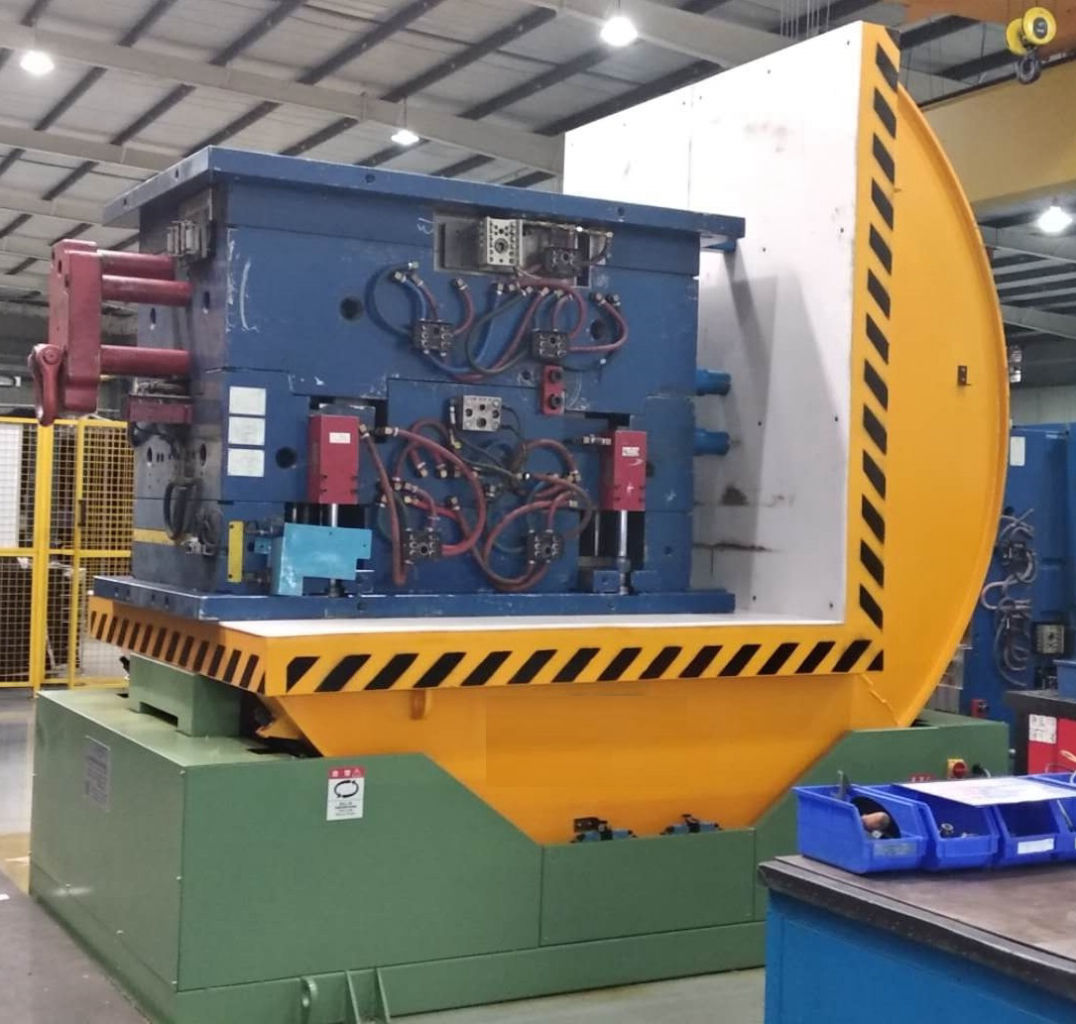
Rental mold upenders significantly enhance operational flexibility by allowing manufacturers to quickly adapt their equipment resources to meet fluctuating demands. Companies can scale capacity up during peak production periods or for large projects, and scale down during lulls, avoiding the costs associated with idle owned machinery. Renting provides immediate access to specific types of upenders (e.g., different capacities, rotation angles) needed for unique mold designs or short-term tasks, eliminating the constraints of a fixed asset inventory.
Adapting to Dynamic Manufacturing Environments
The modern manufacturing landscape is characterized by volatility and the need for rapid adaptation. Fixed assets can become liabilities when agility is required. Rental services provide a crucial lever for navigating this dynamic environment effectively.
-
Meeting Project-Based Needs: Many manufacturing operations, particularly in tooling, prototyping, or custom production, are project-driven. A specific project might require a large-capacity mold upender for a few weeks, but purchasing such a unit for infrequent use is inefficient. Renting allows companies to access the exact equipment needed for the project duration, ensuring capability without long-term investment in potentially underutilized assets. This is ideal for:
- Short-term production runs.
- Handling molds for prototype development.
- Accommodating non-standard mold sizes or weights for specific contracts.
-
Handling Fluctuating Demand: Seasonal peaks, unpredictable large orders, or market volatility can strain existing equipment capacity. Owning enough machinery to handle the absolute peak demand means significant underutilization during average or slow periods. Rental mold upenders offer a 'buffer capacity'. Manufacturers can maintain an owned fleet for baseline needs and supplement it with rentals during surges. This ensures orders are met on time without over-investing in permanent assets. Examples include:
- Seasonal tooling changes in industries like automotive or consumer goods.
- Unexpected large contracts requiring rapid capacity increases.
- Market downturns where scaling down equipment costs is necessary.
-
Accessing Specialized Upenders: Not all molds are created equal, and neither are mold upenders. A standard owned upender might handle 80% of the work, but specific jobs may require features like:
- Higher weight capacity.
- Different rotation angles (e.g., 90° vs. 180°).
- Specific platform dimensions or features for unusually shaped molds.
- Integration with specific transport systems (e.g., AGVs, overhead cranes).
Rental providers often maintain a diverse fleet, offering access to specialized units that would be prohibitively expensive or impractical to own for occasional use. This expands a manufacturer's capabilities without expanding their asset base.
-
Reducing Lead Times for Equipment Acquisition: Purchasing heavy equipment like mold upenders often involves long lead times – from specification and quoting to manufacturing and delivery. This delay can jeopardize project timelines or prevent a company from quickly capitalizing on new opportunities. Rental services offer near-immediate access to equipment. Typically, arrangements can be made within days, allowing operations to start much faster than if waiting for a purchased unit. This rapid deployment is critical for:
- Urgent repair or maintenance tasks requiring mold flipping.
- Quickly setting up temporary production lines.
- Replacing a broken owned unit while awaiting repair or replacement.
By leveraging rental mold upenders, manufacturers transform equipment from a fixed constraint into a flexible resource. This adaptability is crucial for maintaining competitiveness, managing costs effectively, and responding swiftly to the ever-changing demands of the market.
Mitigating Risks: Safety and Maintenance Advantages
Handling large, heavy molds presents inherent safety risks in any manufacturing environment. Improper handling or equipment malfunction can lead to severe accidents, costly downtime, and potential regulatory fines. Ensuring equipment is properly maintained and compliant adds another layer of complexity and responsibility for owners.
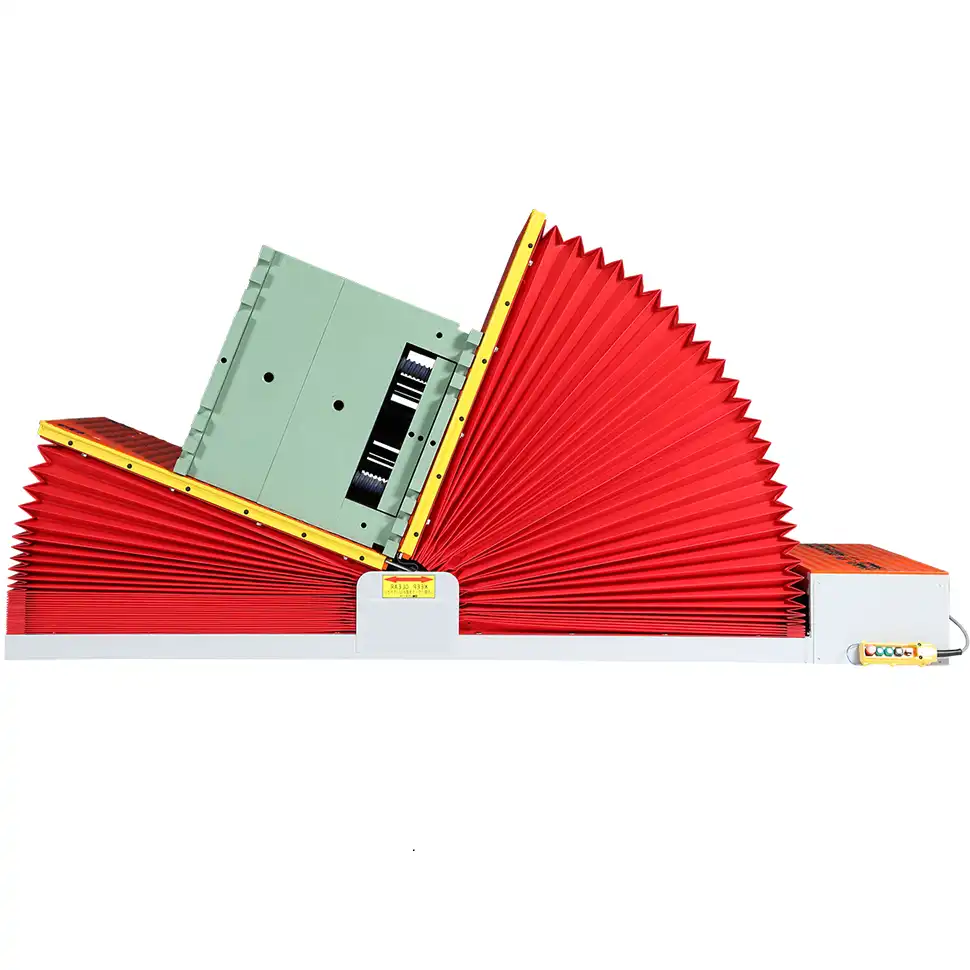
Rental mold upender services significantly mitigate operational risks by shifting the burden of maintenance and compliance to the provider. Renters gain access to professionally maintained, regularly inspected, and certified equipment, reducing the likelihood of failures and associated accidents. This ensures adherence to safety standards (e.g., OSHA, ANSI) without requiring dedicated in-house expertise or resources, ultimately fostering a safer working environment and minimizing liability exposure for the manufacturer.
Ensuring Safe and Reliable Mold Handling
Safety and reliability are non-negotiable when dealing with heavy industrial equipment like mold upenders. Failures can have catastrophic consequences. Rental services inherently offer advantages in managing these critical aspects.
The Importance of Regular Maintenance and Inspections
Mold upenders, like any heavy machinery, require rigorous maintenance schedules to function safely and efficiently. This includes routine checks, lubrication, hydraulic system inspections, electrical checks, and structural integrity assessments. Neglecting maintenance can lead to:
- Sudden equipment failure during operation, potentially dropping or damaging molds.
- Increased risk of hydraulic leaks or electrical faults.
- Reduced operational lifespan.
- Non-compliance with safety regulations.
Rental companies build their business model around equipment uptime and reliability. They typically have dedicated maintenance teams, standardized procedures, and detailed records for each piece of equipment. This professional approach ensures that rented units are consistently in optimal working condition, often exceeding the maintenance rigor found in facilities where upkeep is a secondary operational task.
Compliance and Certification Management
Operating heavy equipment often requires adherence to specific industry standards and government regulations (e.g., OSHA in the US, CE marking in Europe). This involves periodic inspections, load testing, and maintaining certifications. For equipment owners, managing this compliance process can be time-consuming and requires specific knowledge. Rental providers handle this responsibility:
- They ensure their fleet meets or exceeds relevant safety standards.
- They manage the scheduling and documentation of required inspections and certifications.
- They stay updated on regulatory changes, ensuring their equipment remains compliant.
By renting, manufacturers offload this administrative and technical burden, reducing compliance risks.
Maintenance Responsibilities: Owner vs. Renter
The division of maintenance responsibilities is a key differentiator between owning and renting.
| Responsibility | Owning | Renting (Typical Agreement) | Notes |
|---|---|---|---|
| Routine Checks | Owner's responsibility (Daily/Weekly) | Renter's responsibility (Pre-use checks) | Basic operator checks are usually expected from the renter. |
| Preventive Maintenance | Owner's responsibility (Scheduled, Costly) | Rental Provider's responsibility | Provider performs lubrication, filter changes, etc., between rentals. |
| Major Repairs | Owner's responsibility (High Cost, Downtime) | Rental Provider's responsibility | Provider repairs or replaces faulty equipment quickly. |
| Compliance & Certs | Owner's responsibility (Admin & Cost) | Rental Provider's responsibility | Significant burden lifted from the renter. |
| Emergency Support | Owner's responsibility (Internal/External) | Rental Provider often offers 24/7 support | Faster response and resolution often available through rentals. |
| Damage (Negligence) | N/A (Owner bears all costs) | Renter may be liable | Important to understand liability clauses in the rental contract. |
Operator Training Considerations
While the rental provider ensures the equipment is safe, the renter is typically responsible for ensuring operators are properly trained and qualified. However, reputable rental companies often contribute to safety by:
- Providing detailed operating manuals.
- Offering optional operator training sessions.
- Ensuring equipment has clear safety labels and instructions.
Using well-maintained, modern equipment from a rental service can simplify training compared to older, potentially non-standard owned machinery.
Reducing Liability Exposure
Accidents involving heavy equipment can lead to significant liability claims. By using professionally maintained and certified equipment from a rental provider, manufacturers can demonstrate due diligence in providing safe tools for their employees. While the renter still holds responsibility for safe operation, the risk associated with equipment failure due to poor maintenance or non-compliance is substantially reduced. This shift in responsibility can be a crucial factor in mitigating overall business liability.
Choosing the Right Mold Upender Rental Partner
Selecting a mold upender rental service is more than just finding the lowest price; it's about establishing a partnership that ensures reliability, safety, and efficiency. The quality of the provider directly impacts your operational success. Making an informed choice requires careful evaluation of several key factors to find a partner that meets your specific needs.
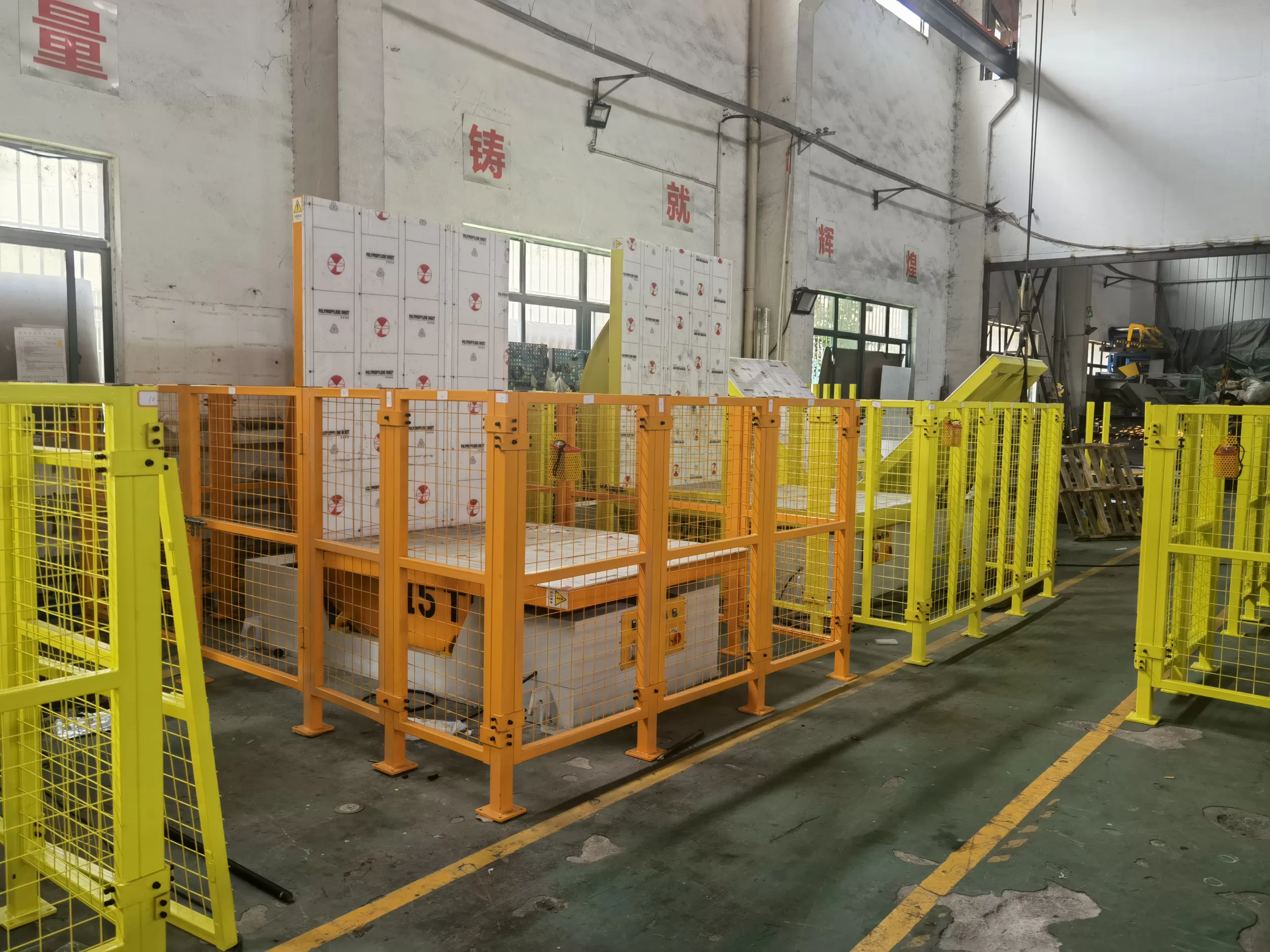
Choosing the right mold upender rental partner is critical for realizing the benefits of flexibility and cost efficiency. Key evaluation criteria include the provider's inventory range, ensuring they have the specific upender types and capacities needed, and the quality and maintenance standards of their fleet. Service responsiveness, including timely delivery, setup support, and emergency assistance, is paramount. Transparent pricing, clear contract terms regarding liability and duration, and positive customer references or industry reputation should also heavily influence the decision. A reliable partner acts as an extension of your operations.
Key Factors for Evaluating Rental Providers
Finding a dependable rental partner requires looking beyond the surface and assessing their capabilities and service quality comprehensively. Consider these factors:
-
Inventory and Equipment Quality:
- Range: Does the provider offer a wide selection of mold upenders? This includes various weight capacities (e.g., 5-ton, 10-ton, 20-ton+), rotation angles (90°, 180°), platform sizes, and potentially specialized features (e.g., hydraulic clamping, integrated weighing systems).
- Availability: Can they guarantee availability when you need it, especially during peak periods or for urgent requests?
- Condition: What is the average age and condition of their fleet? Request information on their maintenance schedules and inspection records. Modern, well-maintained equipment is safer and more reliable. Avoid providers with predominantly old or poorly maintained units.
-
Service Level Agreements (SLAs):
- Delivery & Pickup: How quickly can they deliver and retrieve the equipment? Are there guaranteed delivery windows? Understand their logistical capabilities and associated costs.
- Response Times: What are their guaranteed response times for service calls or emergency breakdowns? A provider offering 24/7 support can be invaluable in minimizing downtime.
- Replacement Policy: If a rented unit fails, how quickly will they provide a replacement? This is a critical part of the SLA.
-
Technical Support and Training Offered:
- Setup Assistance: Do they offer assistance with installation or initial setup if needed?
- Troubleshooting Support: Is knowledgeable technical support readily available via phone or on-site if issues arise?
- Operator Training: Do they offer familiarization or formal operator training programs? While the renter is responsible for operator competence, a provider offering training resources adds significant value and promotes safety.
-
Contract Terms and Flexibility:
- Clarity: Is the rental agreement clear, concise, and easy to understand? Pay close attention to clauses regarding liability, damage waivers, fuel/power charges, and return conditions.
- Duration: Do they offer flexible rental periods (daily, weekly, monthly, long-term)? Can terms be adjusted if project timelines change?
- Cancellation Policy: What are the penalties or procedures for early termination of the rental agreement?
- Pricing Transparency: Are all costs clearly itemized (rental fee, delivery, insurance, taxes, potential surcharges)? Avoid providers with hidden fees.
-
Geographic Coverage and Logistics:
- Service Area: Does the provider operate within your required geographic region?
- Logistics Network: Do they have a robust logistics network to ensure timely delivery and pickup, even to remote sites?
-
Customer Reviews and References:
- Reputation: Research the provider's reputation within the industry. Look for online reviews, testimonials, or case studies.
- References: Ask for references from similar companies in your sector. Speaking directly with current or past clients can provide valuable insights into their reliability and service quality.
By systematically evaluating potential rental partners against these criteria, manufacturers can select a provider that not only supplies the necessary equipment but also contributes positively to operational efficiency, safety, and the bottom line.
Conclusion
The adoption of rental mold upender services marks a significant shift towards more agile and cost-effective manufacturing operations. By providing access to specialized, well-maintained equipment without the burden of ownership, these services empower companies to enhance flexibility, scale efficiently, and improve workplace safety. The financial benefits of reduced CapEx and predictable OpEx, coupled with the operational advantages of mitigating maintenance and compliance risks, make renting a compelling strategic choice. As manufacturers continue to navigate dynamic markets, leveraging Rental services for critical equipment [like understanding die handling automation]() is becoming an increasingly vital component of maintaining a competitive edge and ensuring operational excellence.