
Eco-Friendly Solutions in Steel Coil Packaging
Are you tired of excessive packaging waste and concerned about your company's environmental footprint? Steel coil packaging, while crucial for protection, has often been a source of environmental concern. But what if you could protect your valuable steel coils and contribute to a greener planet simultaneously? The solution is here: eco-friendly steel coil packaging.
Eco-friendly steel coil packaging encompasses innovative methods and materials designed to minimize environmental impact while ensuring the safe and secure transit and storage of steel coils. These solutions prioritize recyclability, biodegradability, reduced material usage, and energy efficiency, addressing the growing demand for sustainable industrial practices.
Transitioning to eco-friendly packaging isn't just an ethical choice; it's a smart business decision. Let's explore the world of sustainable steel coil packaging and discover how it can benefit your operations and the environment.
Key Features of Eco-friendly Coil Wrapping Solutions
In today's environmentally conscious industrial landscape, the features of your coil wrapping solutions matter more than ever. Beyond basic protection, modern systems are engineered with sustainability at their core. But what exactly defines an "eco-friendly" coil wrapping solution?
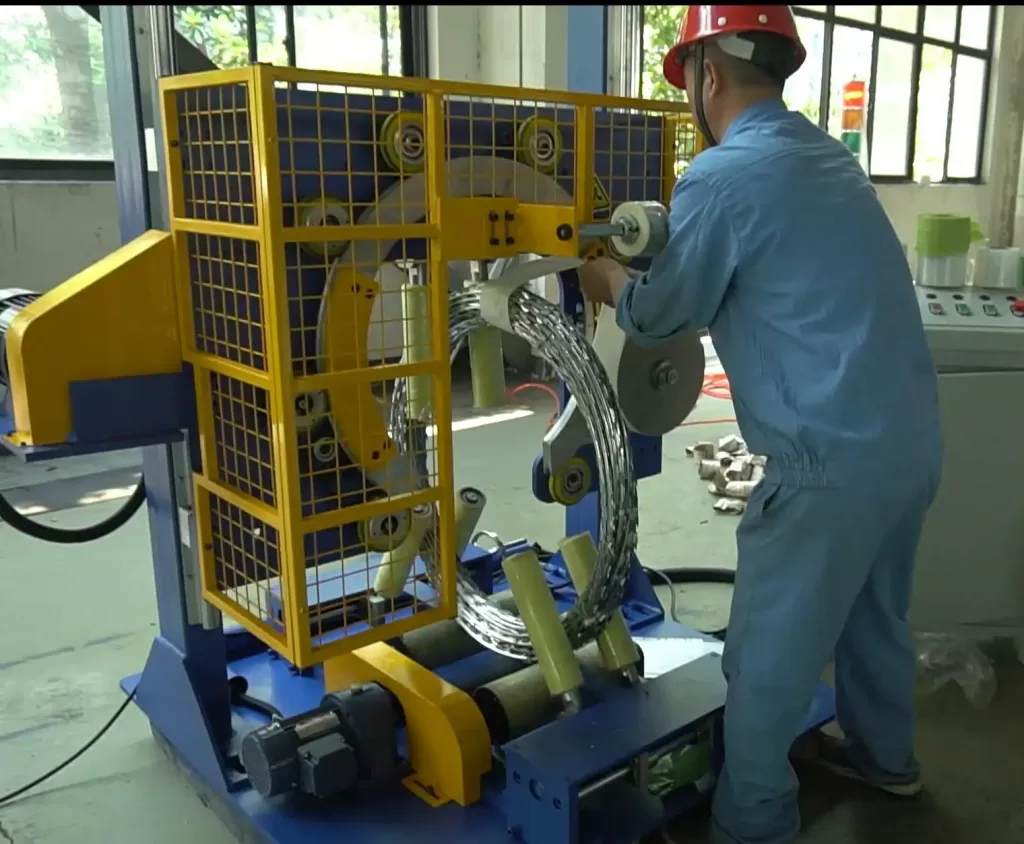
Eco-friendly coil wrapping solutions are distinguished by several key features, including the use of recyclable or biodegradable packaging films, energy-efficient machinery designed to minimize power consumption, automated systems that optimize material usage and reduce waste, modular designs for customization and reduced material needs, and smart monitoring for operational efficiency and proactive maintenance.
Diving Deeper into Eco-Friendly Features
To truly appreciate the impact of eco-friendly coil wrapping, we need to dissect its core components and understand how they contribute to sustainability. It's not just about slapping a "green" label on existing processes; it's a fundamental rethinking of packaging methodology. Let's break down the key features and analyze their environmental and operational benefits.
1. Recyclable and Biodegradable Films: Closing the Loop
The cornerstone of eco-friendly packaging is material selection. Traditional plastic films, while effective, contribute significantly to landfill waste. Eco-friendly solutions pivot towards films made from:
- Recycled Polyethylene (rPE): Utilizing post-consumer or post-industrial recycled polyethylene reduces the demand for virgin plastics and diverts waste from landfills. rPE films maintain comparable performance to virgin PE, ensuring product protection.
- Biodegradable Plastics: These films are designed to decompose naturally in composting environments, minimizing long-term environmental persistence. Options include PLA (Polylactic Acid) and PHA (Polyhydroxyalkanoates), derived from renewable resources.
- Paper-based Alternatives: For edge protection and certain wrapping applications, paperboard, especially 100% recycled paperboard like Protect-A-Coil, offers a highly sustainable and readily recyclable option.
The choice of film depends on specific application requirements, budget, and desired level of sustainability. However, the trend is clear: moving away from virgin, non-recyclable plastics is paramount.
2. Energy-Efficient Machinery: Powering Down Consumption
Packaging machinery can be energy-intensive. Eco-friendly solutions tackle this through:
- Efficient Motors and Drives: Utilizing high-efficiency motors and variable frequency drives (VFDs) reduces energy consumption during operation. VFDs allow motors to run at optimal speeds based on demand, rather than full power continuously.
- Smart Power Management: Automated systems can incorporate power-saving modes during idle periods, further minimizing energy waste. Programmable logic controllers (PLCs) can manage power distribution intelligently.
- Optimized Machine Design: Modern designs focus on reducing friction and mechanical losses, leading to lower energy requirements for operation.
The energy savings are not just environmentally beneficial; they directly translate to reduced operating costs.
3. Automated Systems: Precision and Waste Reduction
Automation is crucial for both efficiency and sustainability in coil wrapping. Key benefits include:
- Precise Material Application: Automated systems measure coil dimensions and apply the exact amount of wrapping film and edge protection needed, eliminating material overusage common in manual processes.
- Consistent Quality: Automation ensures consistent wrapping tension and overlap, minimizing rework due to inadequate packaging and reducing material waste from re-wrapping.
- Reduced Labor and Increased Throughput: Automation reduces reliance on manual labor, increasing packaging speed and throughput, leading to overall operational efficiency gains.
| Feature | Traditional Wrapping | Eco-friendly Wrapping | Environmental Benefit | Operational Benefit |
|---|---|---|---|---|
| Film Material | Virgin, Non-recyclable Plastic | Recycled/Biodegradable/Paper | Reduced plastic waste, lower carbon footprint | Potential cost savings on materials |
| Energy Efficiency | Standard Motors | High-Efficiency Motors, VFDs | Lower carbon emissions, reduced energy use | Reduced energy costs |
| Automation | Manual, Semi-Automated | Fully Automated | Minimized material waste, consistent quality | Increased throughput, reduced labor |
| Material Usage | Often Excessive | Optimized, Precise | Reduced resource consumption | Lower material costs |
| Waste Generation | High | Low | Less landfill waste | Reduced waste disposal costs |
By integrating these key features, eco-friendly coil wrapping solutions move beyond simply protecting products; they contribute to a more sustainable and efficient industrial ecosystem.
How Do Eco-friendly Coil Wrapping Solutions Work?
Understanding the mechanics behind eco-friendly coil wrapping is essential to appreciating its effectiveness. These aren't just incremental improvements; they represent a fundamental shift in how steel coils are packaged. But how do these systems actually operate on a day-to-day basis?
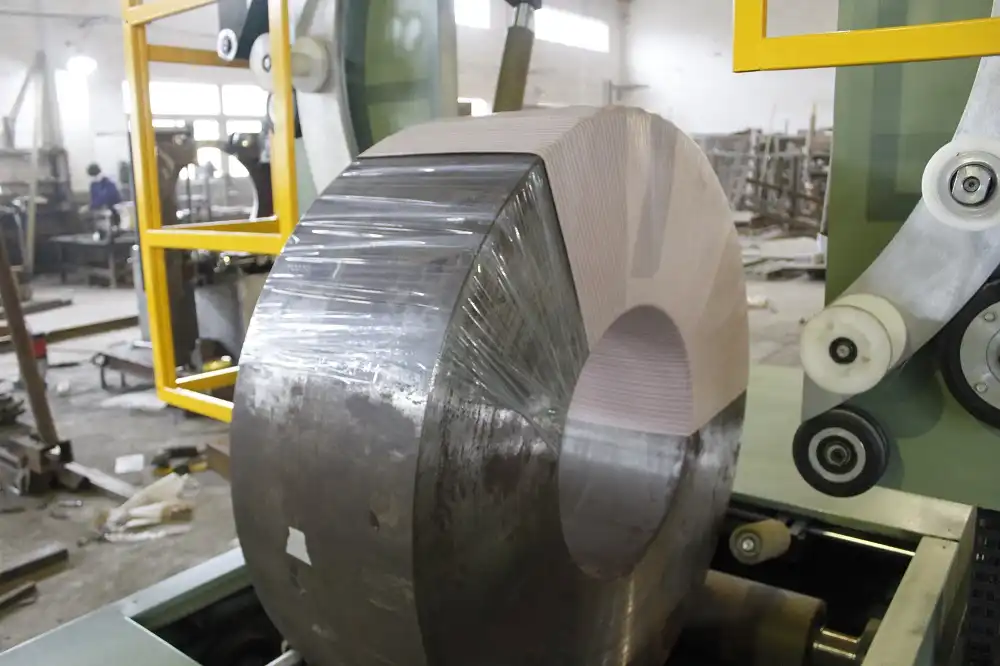
Eco-friendly coil wrapping solutions operate through automated processes that precisely apply sustainable packaging materials to steel coils. These systems utilize sensors to measure coil dimensions, programmable logic controllers to manage material application and tension, and energy-efficient machinery to minimize environmental impact throughout the wrapping cycle. The process is designed for speed, consistency, and minimal waste.
Unpacking the Eco-Friendly Wrapping Process
Let's delve into the step-by-step operation of a typical eco-friendly coil wrapping system to understand its efficiency and sustainability in action. From coil loading to data logging, every stage is optimized for minimal environmental impact and maximum product protection.
1. Automated Coil Infeed and Dimensioning
The process begins with the automated infeed of steel coils onto the wrapping line. This is often achieved via:
- Conveyor Systems: Coils are transported via roller or chain conveyors, minimizing manual handling and ensuring a smooth workflow.
- Robotic Loading: For heavier coils or more complex layouts, robotic arms can precisely load coils onto the wrapping platform.
Once positioned, a crucial step is dimensioning:
- Laser Scanners: Laser scanners precisely measure the coil's diameter, width, and height. This data is fed into the system's PLC to determine the exact amount of wrapping material required.
- Sensor Arrays: Alternative sensor technologies can also be used to accurately capture coil dimensions.
Precise dimensioning is the foundation for minimizing material waste.
2. Recyclable Film Dispensing and Application
With coil dimensions known, the system proceeds to film dispensing and application:
- Automated Film Unwinding: Rolls of recyclable or biodegradable film are automatically unwound and fed into the wrapping mechanism.
- Variable Speed Drives: Film dispensing speed is controlled by VFDs, ensuring precise and consistent film delivery based on coil size and wrapping parameters.
- Tension Control Systems: Sophisticated tension control systems maintain optimal film tension during wrapping. This is critical for secure packaging without over-stretching or tearing the film, both of which lead to material waste and compromised protection.
3. Spiral Wrapping and Edge Protection Integration
The core wrapping action typically involves spiral wrapping:
- Rotating Wrapping Ring: A rotating ring arm, carrying the film roll, circles the coil, applying overlapping layers of film as the coil moves through the system.
- Programmable Overlap: The degree of film overlap is programmable, allowing for adjustments based on coil fragility and transport conditions. Optimized overlap minimizes film usage while ensuring adequate protection.
- Edge Protection Application: In systems designed for comprehensive protection, automated applicators integrate edge protection (like Protect-A-Coil) during the wrapping process. This can involve applying pre-cut sections of paperboard or forming edge protection directly from rolls.
4. Automated Cutting and Sealing
Once wrapping is complete, the film is automatically cut and sealed:
- Hot Wire or Blade Cutting: Film is precisely cut using heated wires or blades, ensuring a clean and efficient separation.
- Heat Sealing or Cold Sealing: Film ends are then sealed, typically using heat or pressure-sensitive cold sealing methods, creating a secure and enclosed package.
5. Quality Control and Data Logging
The final stages focus on quality assurance and process monitoring:
- Vision Systems: Cameras and vision systems can inspect the wrapped coil for proper film coverage, tension, and edge protection application.
- Weight Checks: Automated weighing stations can verify package integrity and detect any anomalies.
- Data Logging and Reporting: The system records key parameters like material usage per coil, wrapping time, and any error occurrences. This data is invaluable for process optimization, predictive maintenance, and tracking sustainability metrics.
By orchestrating these steps in a seamless, automated sequence, eco-friendly coil wrapping solutions deliver efficient, sustainable, and high-quality packaging for steel coils.
What Are the Benefits of Using Eco-friendly Coil Wrapping Solutions?
The shift towards eco-friendly coil wrapping isn't just about environmental responsibility; it's also about smart business. These solutions offer a compelling array of benefits that extend far beyond "going green." But what are the tangible advantages for businesses adopting these systems?
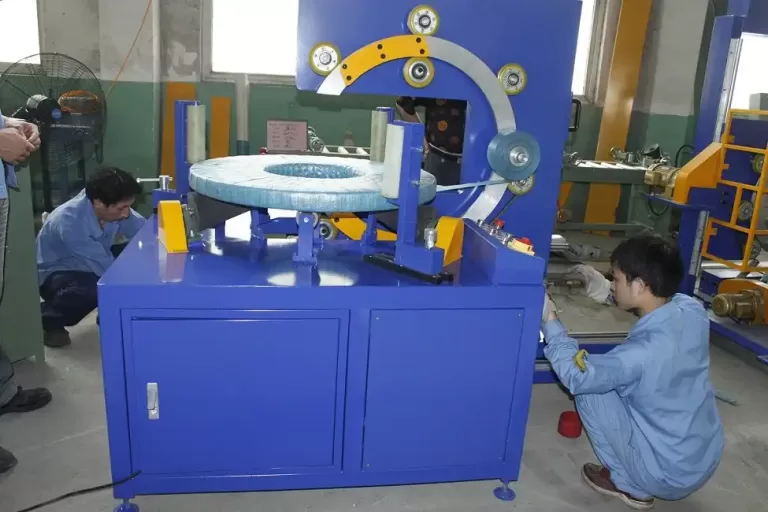
The benefits of eco-friendly coil wrapping solutions are multifaceted, encompassing significant reductions in packaging waste and energy consumption, improved operational efficiency through automation and reduced material usage, cost savings in material and energy expenses, enhanced brand reputation through demonstrated sustainability commitment, and improved compliance with increasingly stringent environmental regulations.
Unpacking the Value Proposition: Tangible Advantages
Let's explore the key benefits in detail, demonstrating how eco-friendly coil wrapping solutions contribute to both a healthier planet and a healthier bottom line. It's a win-win scenario driven by innovation and responsible manufacturing practices.
1. Environmental Stewardship and Reduced Carbon Footprint
This is the most obvious and arguably most critical benefit. Eco-friendly solutions directly reduce environmental impact through:
- Reduced Waste Generation: Using recyclable and biodegradable materials minimizes landfill waste. Optimized material usage further reduces overall waste volume.
- Lower Carbon Emissions: Energy-efficient machinery reduces direct emissions. Utilizing recycled materials lowers the embodied carbon footprint associated with material production.
- Resource Conservation: Less reliance on virgin plastics and reduced material consumption conserves natural resources.
In a world increasingly focused on sustainability, these environmental benefits are not just ethical advantages; they are becoming a competitive necessity.
2. Cost Savings and Improved Efficiency
Sustainability initiatives are often perceived as cost centers. However, eco-friendly coil wrapping solutions can drive significant cost savings:
- Reduced Material Costs: Optimized material usage and potentially lower costs for recycled or paper-based alternatives can decrease packaging material expenses.
- Lower Energy Bills: Energy-efficient machinery directly translates to reduced electricity consumption and lower energy costs.
- Reduced Waste Disposal Fees: Less waste generation leads to lower waste disposal and landfill fees.
- Increased Throughput and Reduced Labor: Automation increases packaging speed and reduces labor requirements, improving overall operational efficiency and lowering per-unit packaging costs.
| Benefit | Description | Impact on Business | Environmental Impact |
|---|---|---|---|
| Sustainability | Recyclable/biodegradable materials, energy efficiency | Enhanced brand image, attracts eco-conscious customers | Reduced carbon footprint, less waste, resource conservation |
| Cost Savings | Reduced material, energy, waste, labor costs | Improved profitability, lower operating expenses | Indirectly contributes to environmental benefits |
| Operational Efficiency | Automation, consistent quality, reduced downtime | Increased productivity, faster throughput, fewer errors | Minimized material waste, efficient resource use |
| Regulatory Compliance | Meets environmental standards and regulations | Avoids fines, ensures legal compliance, future-proofs operations | Contributes to broader environmental protection efforts |
| Brand Reputation | Demonstrates commitment to sustainability | Enhanced customer loyalty, attracts investors, positive PR | Positive perception as a responsible corporate citizen |
3. Enhanced Brand Reputation and Customer Loyalty
Consumers and businesses alike are increasingly prioritizing sustainability. Adopting eco-friendly packaging demonstrates a company's commitment to environmental responsibility, enhancing brand reputation and attracting environmentally conscious customers. This can be a significant differentiator in competitive markets.
4. Regulatory Compliance and Future-Proofing
Environmental regulations are becoming stricter globally. Adopting eco-friendly packaging solutions helps companies comply with current regulations and proactively prepare for future, more stringent environmental standards. This future-proofs operations and minimizes the risk of fines and penalties.
In conclusion, the benefits of eco-friendly coil wrapping solutions extend far beyond environmental advantages. They offer a compelling business case, driving cost savings, improving efficiency, enhancing brand reputation, and ensuring regulatory compliance. It's a strategic investment that aligns with both environmental responsibility and long-term business success.
Heavy-Duty, High-Strength VCI Packaging Solutions for the Metal Coil Industry
While eco-friendly materials and efficient processes are crucial, the primary function of steel coil packaging remains protection. For metal coils, corrosion is a major threat. This is where heavy-duty, high-strength VCI (Vapor Corrosion Inhibitor) packaging solutions come into play, offering a critical layer of protection, often in conjunction with eco-friendly approaches.
Heavy-duty, high-strength VCI packaging solutions for steel coils utilize robust materials combined with vapor corrosion inhibitors to provide superior protection against rust and corrosion, particularly in harsh environments or during long-term storage and shipping. These solutions often incorporate eco-friendly materials and designs, balancing environmental responsibility with uncompromising product protection.
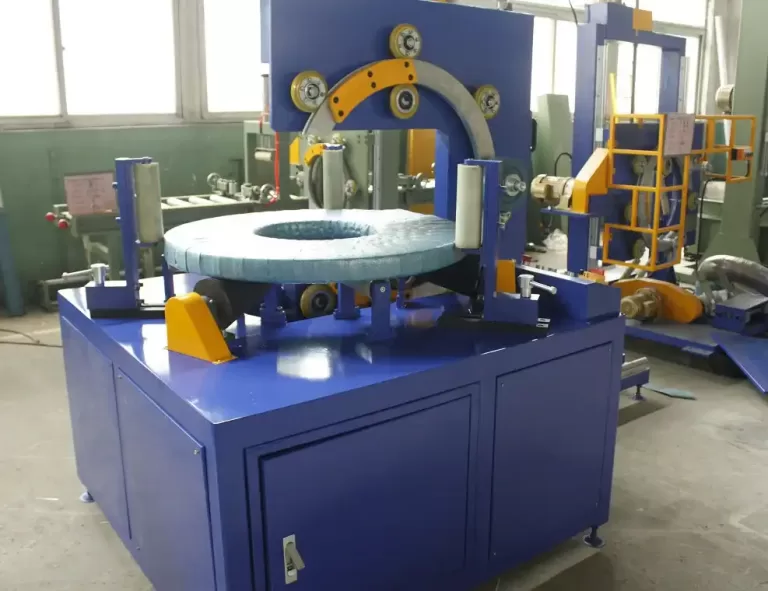
Heavy-duty, high-strength VCI packaging is not just about wrapping coils; it's about ensuring product integrity in the face of challenging conditions. These solutions are engineered to withstand physical stresses and actively combat corrosion, often using innovative combinations of materials and technologies. For instance, ZERUST® Protect-A-Coil exemplifies this by offering edge protection made from 100% recycled paperboard infused with VCI technology. This combines sustainability with robust corrosion protection.
VCI packaging works by emitting corrosion-inhibiting vapors that form a protective molecular layer on the metal surface, preventing moisture and other corrosive agents from causing rust. Heavy-duty VCI films and papers are often multi-layered, combining VCI technology with high-strength polymers or reinforced paper for tear and puncture resistance. This is crucial for protecting heavy steel coils during handling and transport.
For applications requiring even greater corrosion protection, VCI coatings like ZERUST® Axxanol™ 33 can be used in conjunction with VCI packaging. Axxanol™ 33 is an oil-based corrosion preventive coating suitable for in-line rolling mill applications and cold-rolled sheets and coils, providing an extra barrier against rust, especially in highly humid or corrosive environments.
The integration of VCI technology into eco-friendly packaging solutions represents a significant advancement in sustainable industrial packaging. It demonstrates that environmental responsibility and robust product protection are not mutually exclusive but can be effectively combined to create packaging solutions that are both high-performing and environmentally sound. By choosing heavy-duty, high-strength VCI packaging, steel coil manufacturers and suppliers can ensure their products arrive at their destination in pristine condition, maintaining their brand reputation and minimizing costly losses due to corrosion.
Conclusion
Embracing eco-friendly solutions in steel coil packaging is no longer optional—it’s imperative. By transitioning to sustainable practices, businesses can significantly reduce their environmental impact, enhance operational efficiency, and improve their bottom line. From recyclable films to energy-efficient machinery and VCI technology, the innovations in this field are paving the way for a greener and more profitable future for the steel industry and beyond.