
Designing Production Processes for Steel Coil Packaging
Are you facing challenges in ensuring your steel coils reach customers in pristine condition? Damaged coils due to inadequate packaging can lead to significant losses and customer dissatisfaction. Efficient and effective production processes for steel coil packaging are not just about protecting your product; they are about safeguarding your reputation and bottom line.
Designing production processes for steel coil packaging involves a strategic approach that integrates moisture and mechanical protection, cost-effectiveness, and automation. A well-designed process ensures coils are shielded from environmental factors like humidity and physical damage during handling and transportation, utilizing optimized material consumption and efficient, often automated, systems.
Let's explore the critical aspects of designing robust production processes for steel coil packaging, ensuring your products are delivered with the quality they deserve.
Understanding the Essentials of Steel Coil Protection
The primary goal of steel coil packaging is to protect the product from two main threats: moisture and mechanical damage. These threats can compromise the integrity and quality of the steel, leading to rust, deformation, and ultimately, rejection by the end-user.
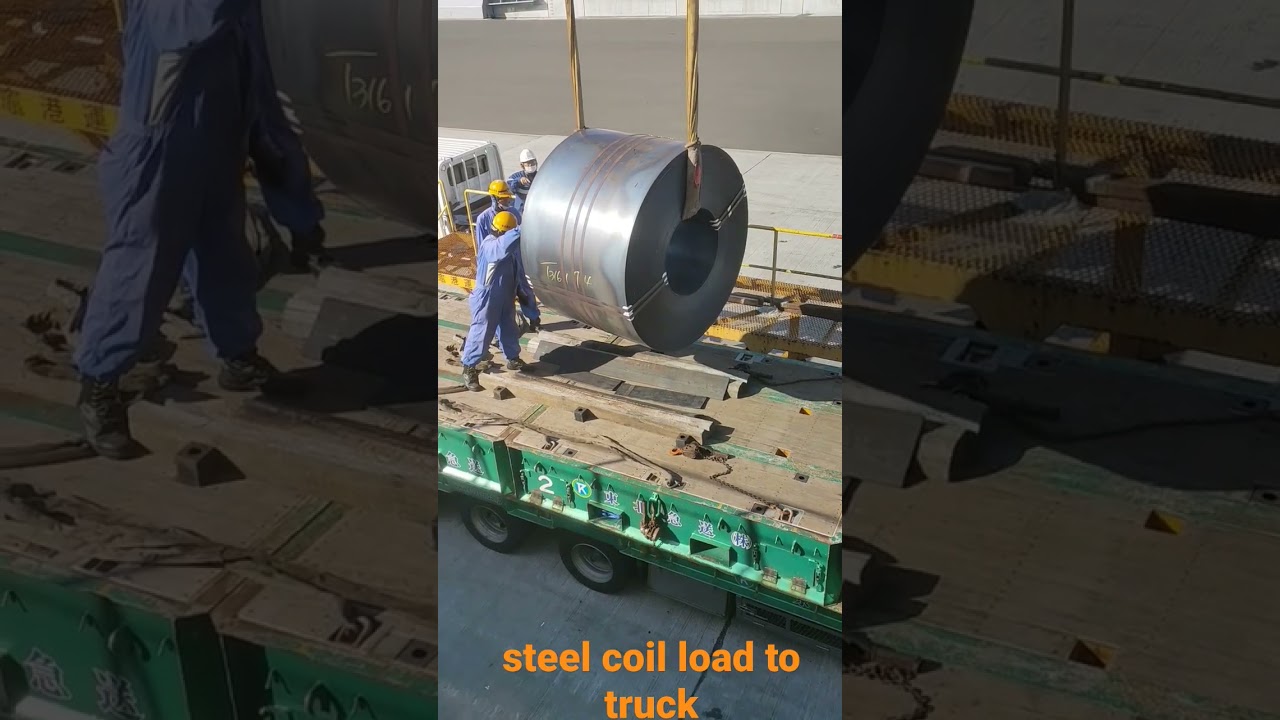
Effective steel coil packaging must address both moisture and mechanical damage through a two-phase approach. Moisture protection prevents rust and corrosion by creating a barrier against humidity and water. Mechanical protection safeguards against physical impacts, abrasions, and stress during handling, storage, and transit, ensuring the coil's structural integrity.
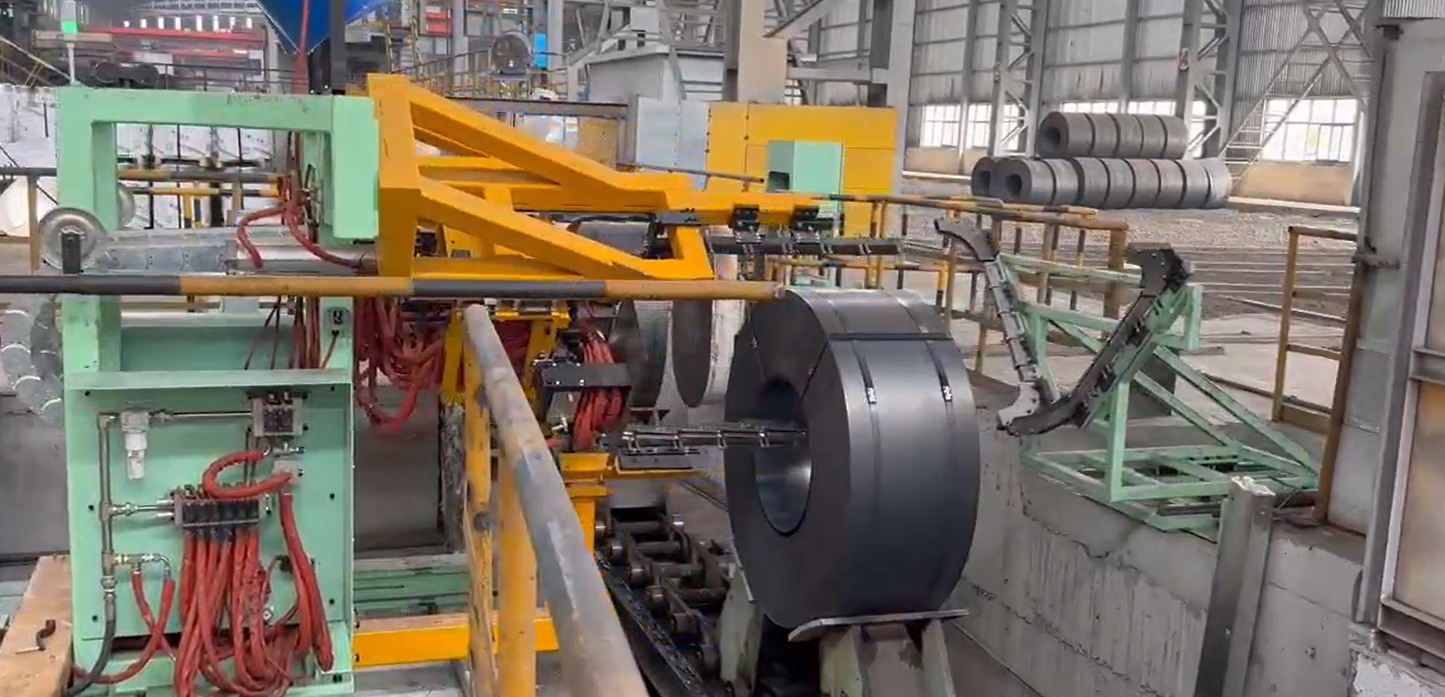
To achieve optimal protection, consider these key elements:
Moisture Protection: Guarding Against Corrosion
Steel is susceptible to rust and corrosion, especially when exposed to moisture. This moisture can originate from various sources, including:
- Environmental Humidity: Ambient air moisture, particularly in humid climates or during seasonal changes.
- Temperature Fluctuations: Condensation can form inside the packaging due to temperature differences between the coil and the surrounding environment.
- Production Processes: Residual moisture from cooling or other manufacturing steps can be trapped within the coil layers.
- Rain and Water Exposure: During storage or transportation, coils may be exposed to rain or water splashes.
Snippet Paragraph:
Moisture protection in steel coil packaging is crucial to prevent rust and maintain product quality. Effective strategies involve creating an airtight barrier using materials like PE film and moisture-absorbent papers such as crepe paper. Through Eye Wrapping (TEW) technology is a superior method, wrapping coils through the eye with these materials to create a 100% more effective moisture barrier compared to traditional folding methods, which often leave packages unsealed and vulnerable to humidity.
Dive deeper into moisture protection strategies:
TEW Technology vs. Traditional Methods
Through Eye Wrapping (TEW) technology represents a significant advancement in moisture protection compared to traditional folding methods. Let's examine the key differences:
| Feature | TEW Technology | Traditional Folding Method |
|---|---|---|
| Airtightness | Yes, creates a fully airtight package | No, packages are not airtight |
| VCI Evaporation | Prevents VCI evaporation (if VCI paper is used) | VCI evaporates quickly due to air circulation |
| Moisture Protection | 100% effective against external humidity | Less effective, vulnerable to humidity |
| Storing Time | More than 24 months | Less than 6 months |
| Material Efficiency | Optimized material usage | Potential for material waste and overlapping |
| Environmental Impact | Recyclable materials, reduced VCI chemicals | Laminated materials, potential VCI chemical use |
As the table illustrates, TEW technology offers superior moisture protection due to its airtight nature. The use of crepe paper within the TEW system further enhances moisture absorption from within the coil, while the PE film acts as an external barrier. This combination provides comprehensive protection, extending storage life and minimizing the risk of corrosion. Traditional folding methods, lacking airtight seals, are prone to VCI evaporation and offer less reliable long-term moisture protection. For facilities aiming for premium quality and extended storage, investing in TEW or similar airtight wrapping technologies is a sound strategic decision. Furthermore, the environmental advantages of recyclable materials and reduced chemical usage align with modern sustainability goals, making TEW a forward-thinking choice for steel coil packaging. Choosing the right moisture protection method directly impacts product longevity, customer satisfaction, and overall operational costs by reducing potential for damage and waste.
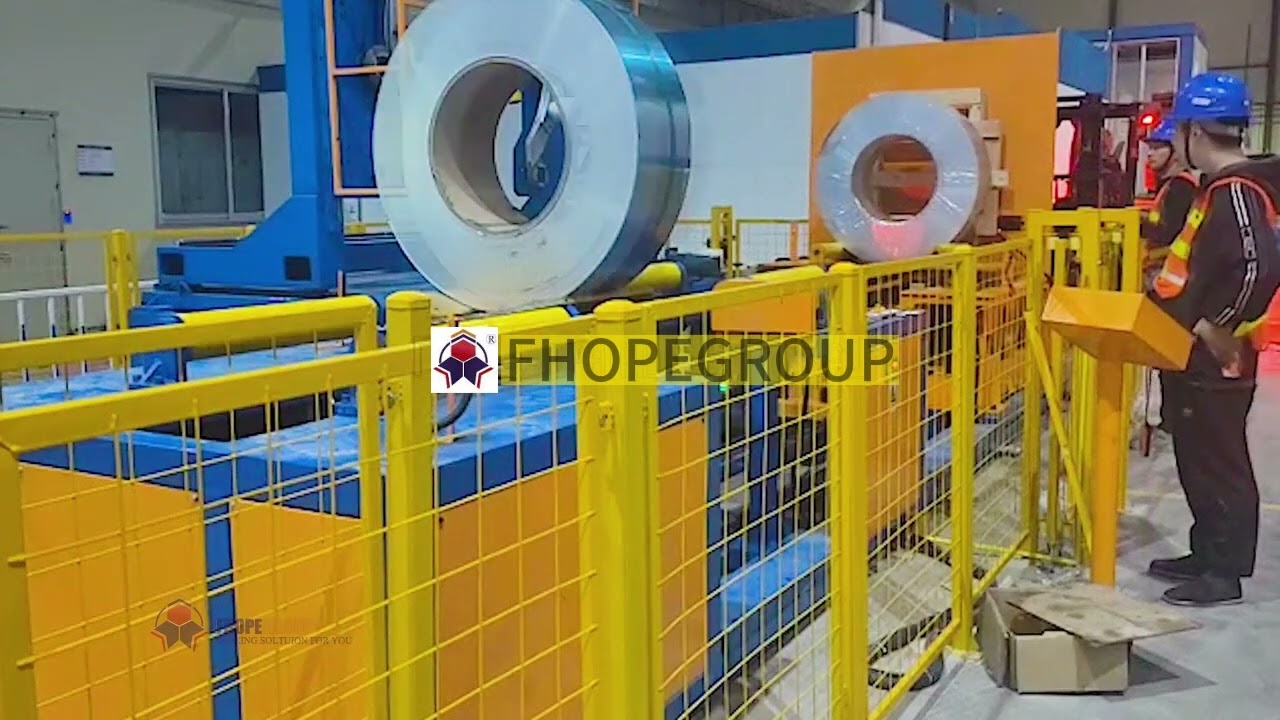
Mechanical Protection: Ensuring Structural Integrity
Beyond moisture, steel coils require robust mechanical protection to withstand the rigors of handling, storage, and transportation. Mechanical damage can manifest in various forms:
- Deformation: Coils can be bent or misshapen due to impacts or uneven weight distribution.
- Edge Damage: Coil edges are particularly vulnerable to dents and tears, especially in thinner gauges.
- Surface Scratches and Abrasions: Contact with other surfaces or packaging materials can cause surface damage, affecting the aesthetic and potentially the functional quality of the steel.
- Strapping Damage: Improper strapping can dig into the coil edges or cause surface marks.
Snippet Paragraph:
Mechanical protection in steel coil packaging safeguards coils from physical damage during handling and transport. This involves using robust outer packaging materials like steel or board body wraps and edge protectors to shield against impacts and pressure. Different packing levels offer varying degrees of mechanical protection, tailored to the handling methods and transportation modes, from light protection for internal mill use to heavy-duty options for maritime and intercontinental shipping.

Explore different levels of mechanical protection:
Tailoring Mechanical Protection to Handling and Transportation
The level of mechanical protection required for steel coil packaging is directly related to the handling methods and transportation modes involved. Pesmel, a leader in coil packing solutions, categorizes mechanical protection into different series, each designed for specific handling intensities and transportation distances. Understanding these series helps in designing a cost-effective yet adequately protective packaging process.
Here's a breakdown of different mechanical protection series and their applications:
| Series | Handling Method | Handling Times | Transportation | Mechanical Protection Features | Application Examples |
|---|---|---|---|---|---|
| 10 | Handling with hooks | 1-3 (Automatic) | Internal mill use, nearby locations | Minimal mechanical protection, basic strapping | In-plant transfers, short-distance deliveries |
| 20 | Handling with hooks | 2-4 (Automatic) | Standard transportation vehicle with stands | Increased strapping, edge protection (manual insertion) | Regional transportation via standard trucks |
| 30 | Handling with hooks | 3-6 | Truck/train transportation horizontally | Robust strapping, automated outer edge protection | National truck or train transport |
| 40 | Handling with hooks | 3-6 | Truck/train transportation horizontally | Enhanced outer edge protection, inner edge protection | Long-distance domestic transport |
| 50-80 | Handling with hooks/chains | 4-8 | Truck/train (horizontal/vertical), maritime, intercontinental | Heavy-duty strapping, automated edge protection, body wrapping | International shipping, demanding transport conditions |
This series-based approach allows for a tailored packaging strategy. For instance, coils intended for immediate use within the mill (Series 10) require minimal mechanical protection, reducing packaging costs and material usage. Conversely, coils destined for intercontinental shipping (Series 80) necessitate comprehensive protection, justifying the investment in more robust materials and automated processes like body wrapping and enhanced edge protection. By carefully assessing the handling and transportation chain, manufacturers can optimize their steel coil packaging processes, balancing protection levels with cost efficiency and resource utilization. This nuanced approach ensures coils are adequately protected without incurring unnecessary packaging expenses.
Cost-Effective Coil Packaging Strategies
While protection is paramount, cost-effectiveness is a crucial consideration in designing steel coil packaging processes. Inefficient packaging can lead to excessive material consumption, increased labor costs, and ultimately, reduced profitability.
Snippet Paragraph:
Cost-effective steel coil packaging is achieved through automation, material optimization, and waste reduction. Automated packing lines significantly reduce labor costs and material usage by precisely cutting and applying packaging materials according to coil dimensions, minimizing waste compared to manual methods using pre-cut materials. Investing in automated systems can lead to substantial savings in material costs, often offsetting the investment in the long run.
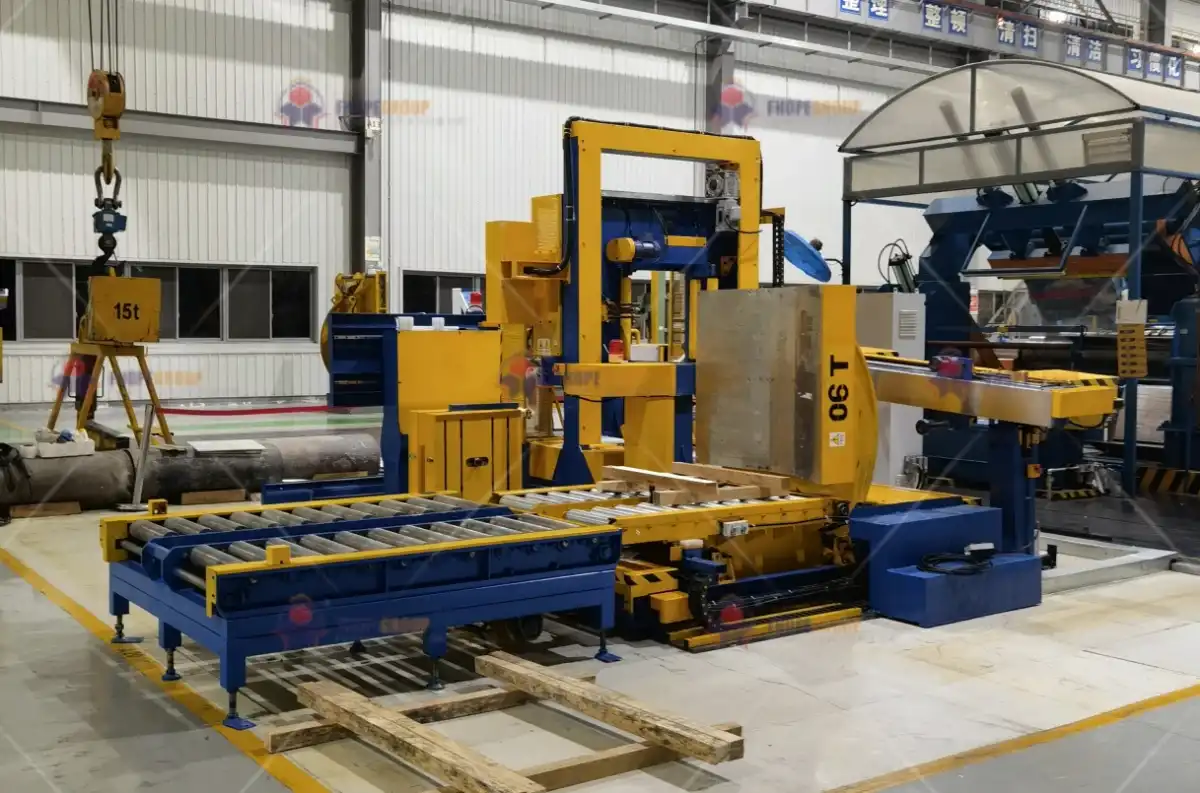
Explore strategies for cost reduction:
Optimizing Material Use and Automation Benefits
Achieving cost-effectiveness in steel coil packaging hinges on two key areas: material optimization and automation. Let's delve into each of these:
Material Optimization
- Right-Sized Material Cutting: Automated packing lines utilize sensors and programmable logic to measure coil dimensions and cut packaging materials to the exact required size. This eliminates the waste associated with pre-cut materials and manual estimation.
- Reduced Material Inventory: By using materials in coil form and cutting on-demand, the need for storing a wide variety of pre-cut sizes is minimized. This reduces storage space requirements and inventory management complexity.
- Recycled and Sustainable Materials: Choosing recyclable materials like PE film and crepe paper not only aligns with environmental responsibility but can also offer cost advantages, especially with increasing emphasis on circular economy principles.
Automation Benefits
- Reduced Labor Costs: Automated packing lines require significantly fewer operators compared to manual packing. A single supervisor can oversee a fully automated line producing 20+ packages per hour, whereas manual packing typically achieves only one coil per operator per hour.
- Increased Throughput: Automation dramatically increases packaging speed and volume. Higher throughput translates to faster order fulfillment and improved production efficiency.
- Consistent Packaging Quality: Automated systems ensure consistent and repeatable packaging quality, reducing errors and rework associated with manual processes.
- Material Savings: As mentioned earlier, automated cutting and application of materials minimize waste, leading to substantial cost savings on packaging consumables.
By strategically implementing automation and focusing on material optimization, steel manufacturers can significantly reduce their steel coil packaging costs while maintaining or even improving protection quality. The initial investment in automated equipment is often recouped through long-term savings in labor, materials, and improved operational efficiency.
Automation Technologies in Coil Packaging Lines
Automation is transforming steel coil packaging, driving efficiency, reducing costs, and enhancing package quality. Modern automated coil packing lines integrate various technologies to streamline the entire packaging process, from material handling to final output.
Snippet Paragraph:
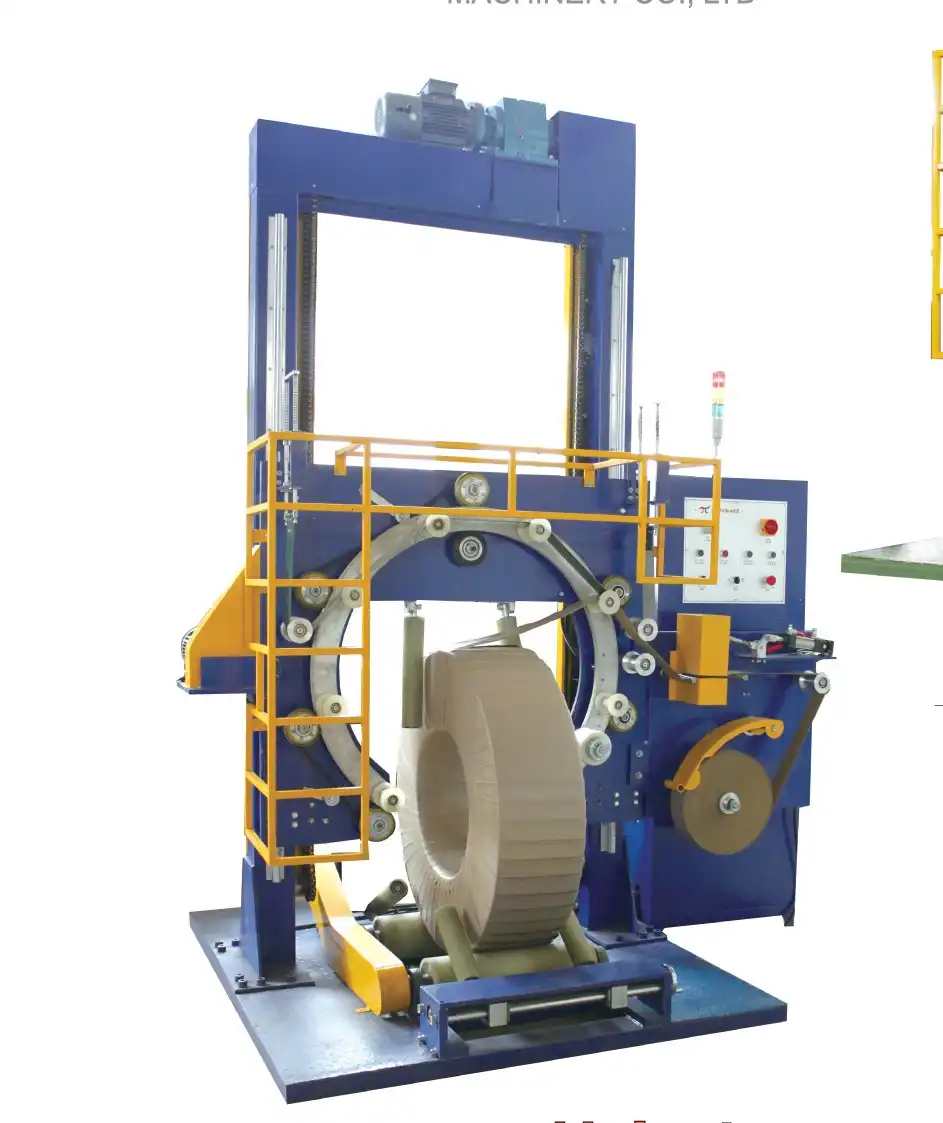
Automated coil packing lines utilize key technologies to enhance efficiency and quality. These include Through Eye Wrapping (TEW) for superior moisture protection, automated body wrapping for mechanical strength, and automatic edge protection application. Integrated WinCC monitoring systems provide real-time control and diagnostics, further optimizing line performance and minimizing downtime.
Explore the core technologies:
Key Technologies Driving Automated Coil Packing
Several core technologies are integral to modern automated steel coil packaging lines. These technologies work in concert to deliver efficient, reliable, and high-quality packaging.
1. Through Eye Wrapping (TEW) Technology
- Moisture Barrier: As discussed earlier, TEW is a cornerstone technology for superior moisture protection, wrapping coils through the eye with crepe paper and PE film to create an airtight seal.
- Generations of Advancement: TEW technology has evolved through multiple generations, with the latest (4th generation) incorporating user feedback and global best practices for optimized performance and reliability.
2. Automated Body Wrapping
- Mechanical Protection Layer: Body wrapping machines apply an outer layer of mechanical protection, typically using steel or board rolls. These machines automatically select the correct material width and cut it to size, optimizing material usage.
- Versatile Material Options: Body wrapping systems can handle various materials, allowing for customization of mechanical protection levels based on specific requirements.
3. Automatic Edge Protection
- On-Line Formation: Automatic edge protection machines form edge protectors directly on the packing line, precisely according to coil dimensions. This eliminates the need for pre-formed edge protectors and minimizes material waste.
- Inner and Outer Protection: Automated systems can apply both inner and outer edge protection, providing comprehensive shielding to the vulnerable coil edges.
4. WinCC Monitoring System
- Centralized Control: WinCC (Windows Control Center) systems provide a centralized platform for monitoring and controlling the entire packing line.
- Real-Time Data and Diagnostics: Operators gain real-time visibility into system status, performance metrics, and diagnostics, enabling proactive maintenance and troubleshooting.
- Integration with MIS: WinCC systems can integrate with Mill Information Systems (MIS) for data exchange, facilitating seamless production management and tracking.
Here is a table summarizing the benefits of these key technologies:
| Technology | Benefit |
|---|---|
| Through Eye Wrapping (TEW) | Superior moisture protection, extended storage |
| Automated Body Wrapping | Robust mechanical protection, material efficiency |
| Automatic Edge Protection | Optimized material use, comprehensive edge shielding |
| WinCC Monitoring System | Centralized control, real-time diagnostics, increased uptime |
By integrating these advanced automation technologies, steel coil packaging lines achieve unprecedented levels of efficiency, quality, and cost-effectiveness. The result is not only better-protected steel coils but also streamlined operations and enhanced profitability for steel manufacturers.
Integrating Palletizing for Enhanced Handling
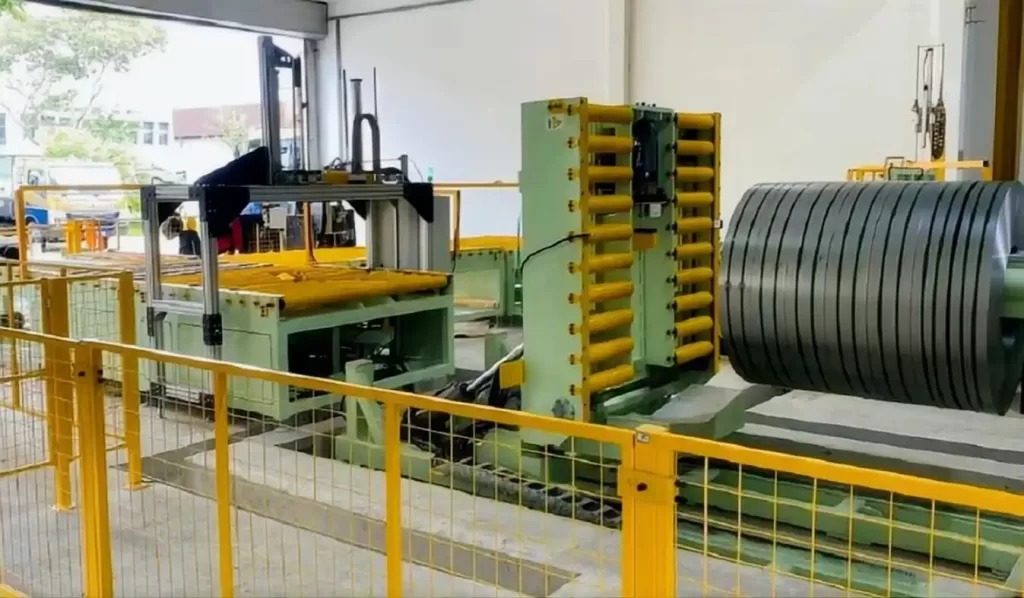
Palletizing is a valuable addition to steel coil packaging processes, particularly when handling sensitive coils or navigating complex delivery chains. Pallets offer a stable and protected base for coils, facilitating easier and safer handling with forklifts and other standard material handling equipment.
Snippet Paragraph:
Palletizing in steel coil packaging provides enhanced mechanical protection and simplifies handling, especially for sensitive coils or complex delivery chains. Pallets offer a stable base, allowing for easy forklift handling and reducing direct contact damage. Palletizing can be integrated into automated packaging lines, either horizontally or vertically, and further enhanced with cardboard or lids for added protection and stability during transit.
Integrating palletizing offers several advantages:
- Improved Handling Efficiency: Palletized coils can be easily moved and stacked using standard forklifts, streamlining warehouse operations and reducing handling time.
- Enhanced Mechanical Protection: Pallets provide an additional layer of mechanical protection, isolating coils from direct floor contact and distributing weight evenly.
- Reduced Damage Risk: Palletizing minimizes the risk of damage during handling and transportation, particularly for coils that are sensitive to deformation or surface scratches.
- Stable Stacking: Pallets enable stable and secure stacking of coils, optimizing storage space utilization and preventing collapses.
- Standardized Handling: Palletized loads are compatible with standardized handling procedures and equipment across various logistics and warehousing facilities.
Integrating palletizing into a steel coil packaging line can be achieved through automated pallet feeding and stacking modules. These modules can be configured for both horizontal and vertical palletizing, depending on space constraints and handling preferences. Adding cardboard or lids to palletized packages further enhances protection and stability, especially for long-distance transportation or outdoor storage. By incorporating palletizing, steel manufacturers can significantly improve the efficiency and safety of their coil handling and logistics processes, ensuring coils reach their destination in optimal condition.
Conclusion
Designing production processes for steel coil packaging is a multifaceted undertaking that demands a holistic approach. From understanding the nuances of moisture and mechanical protection to leveraging the power of automation and strategic palletizing, every element plays a crucial role in ensuring product integrity and operational efficiency. By prioritizing material optimization, embracing advanced technologies like TEW and WinCC, and tailoring protection levels to specific handling and transportation needs, steel manufacturers can create robust, cost-effective packaging processes that safeguard their products and enhance their competitive edge. Investing in well-designed steel coil packaging is not just an expense; it's a strategic investment in quality, customer satisfaction, and long-term success.