
Cost Control in Steel Coil Packaging Production
Are rising operational costs cutting into your profits? Steel coil packaging, often an overlooked area, can significantly impact your bottom line. Mishandling and improper packaging lead to damages, delays, and dissatisfied clients. It's time to rethink your strategy and turn steel coil packaging from a cost center into a source of savings.
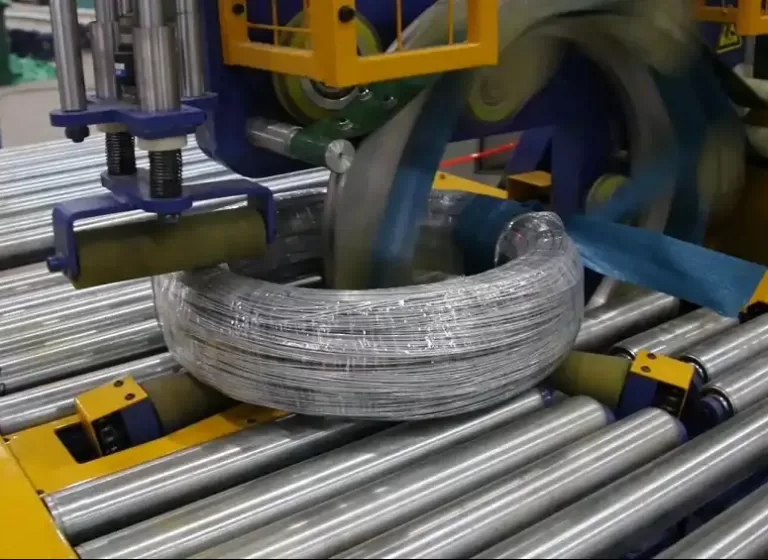
Controlling costs in steel coil packaging production involves optimizing material usage, streamlining processes, and leveraging automation. By focusing on efficient packaging methods, businesses can minimize material waste, reduce labor expenses, decrease damage rates, and ultimately improve profitability in steel coil handling and logistics.
Ready to discover actionable strategies that can drastically reduce your steel coil packaging expenses? Keep reading to unlock the secrets of cost-effective steel coil packaging.
Understanding the Pricing Structure for Steel Coil Packing Lines
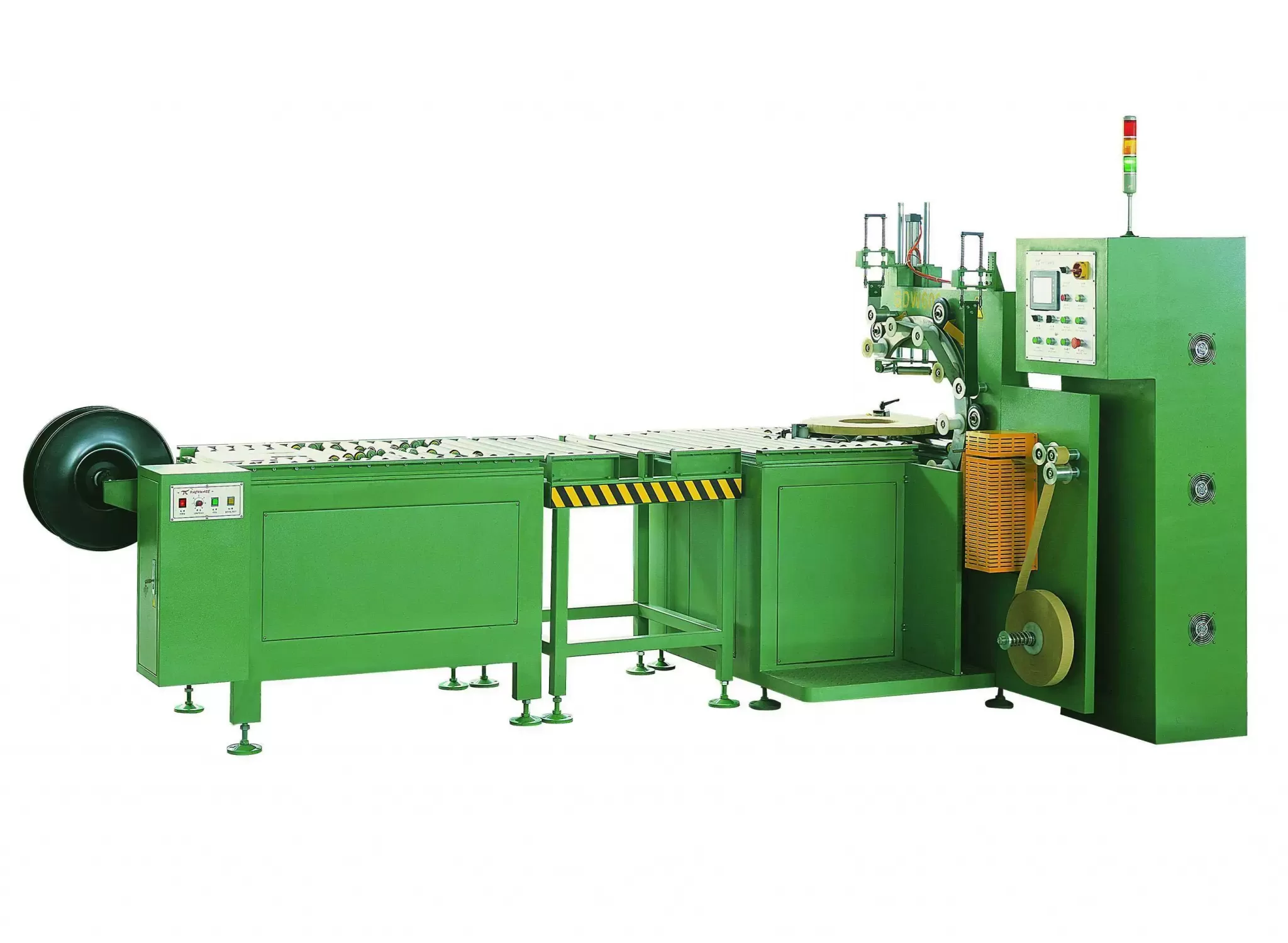
Investing in a steel coil packing line is a major capital expenditure, and deciphering its pricing structure is crucial for informed decision-making. The initial cost is just the tip of the iceberg; a multitude of factors intricately weave together to determine the final investment figure. From the sophistication of machinery to the degree of customization, each aspect plays a vital role in shaping the overall price.
Steel coil packing line costs are determined by a combination of factors including the level of automation, customization requirements, technological integrations, production capacity, material quality, and supplier reputation. Understanding these cost drivers is essential for businesses to make informed investment decisions and optimize their packaging expenditures.
Deconstructing Cost Drivers: A Detailed Look
To truly grasp the economics of steel coil packing lines, we must dissect the core elements influencing their pricing. It's more than just the machinery; it's about the embedded features, inherent capabilities, and the long-term value proposition they bring to your operations. Let's systematically break down these cost drivers and analyze their individual and collective impact on the final price.
| Cost Driver | Description | Cost Impact | Considerations |
|---|---|---|---|
| Automation Level | Ranges from manual, labor-intensive operations to fully automated systems requiring minimal human intervention. | High | Higher automation entails a larger upfront investment but promises reduced long-term labor costs and enhanced efficiency. Assess your production volume and current labor expenses to determine the optimal automation level. |
| Customization | Standard packing lines offer baseline functionality, while tailored solutions designed for specific coil dimensions, materials, or system integration incur additional costs. | Medium to High | Customization ensures a precise fit and optimized efficiency for your specific coil types and operational environment. However, it adds to engineering and manufacturing complexity. Evaluate the absolute necessity of each customization. |
| Technology Integration | Incorporation of advanced technologies such as IoT sensors for remote monitoring, predictive maintenance systems, and sophisticated software controls. | Medium | Advanced technology enhances operational efficiency and minimizes downtime but increases software and hardware expenses. Carefully weigh the value of these features against their cost for your specific operation. |
| Capacity & Throughput | The volume of coils the packing line is capable of processing per hour or shift. Higher capacity lines are generally larger, faster, and more complex. | Medium to High | Capacity should be aligned with your current and projected production needs. Overcapacity leads to unnecessary initial expense, while undercapacity can create production bottlenecks. Plan for scalability to accommodate future growth. |
| Material Quality & Durability | The grade of steel, robustness of components, and overall durability of materials used in machine construction directly affect cost. | Medium | Higher quality materials increase initial costs but translate to a longer machine lifespan and reduced maintenance expenditures in the long run, offering better long-term ROI. Prioritize durability for sustained performance. |
| Supplier Reputation & Service | Partnering with reputable and established suppliers often commands a premium price but provides assurance of superior quality, reliable after-sales service, and robust technical support. | Medium | Established suppliers offer peace of mind and dependable support, which can justify a potentially higher initial investment. Consider the long-term value of supplier reliability and comprehensive service packages. |
By meticulously analyzing these cost drivers, businesses can move beyond surface-level pricing and develop a deeper understanding of the investment landscape for steel coil packing lines. This detailed evaluation is paramount for making well-informed decisions that secure the best value, optimize operational efficiency, and ensure a strong return on investment in steel coil packaging infrastructure. Consider a phased approach to automation, starting with semi-automatic systems and scaling up as production volume increases to manage initial capital outlay effectively. Furthermore, thoroughly vet potential suppliers, focusing not only on price but also on their track record, customer testimonials, and the comprehensiveness of their after-sales support and warranty offerings. Don't underestimate the value of operator training provided by the supplier; proper training can significantly reduce errors, improve efficiency, and extend the lifespan of the equipment. Finally, explore financing options and leasing agreements to mitigate the initial financial burden and align payments with the realized benefits of the new packing line.
Automation Levels and Their Impact on Steel Coil Packaging Costs
Automation is a game-changer in steel coil packaging, wielding significant influence over costs. The degree of automation implemented directly impacts the initial capital investment, ongoing operational expenditures, and the long-term gains in efficiency. Selecting the appropriate level of automation is not a one-size-fits-all decision; it demands a careful evaluation of production volumes, labor market dynamics, and desired throughput targets.
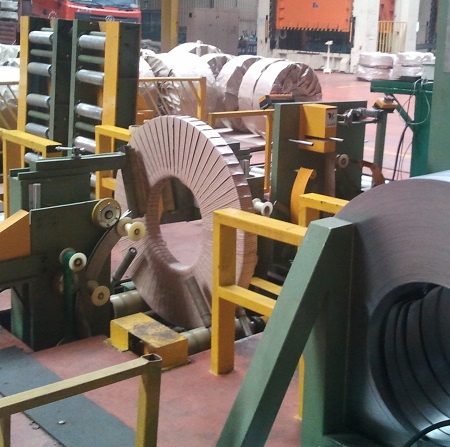
Steel coil packaging automation costs are heavily influenced by the complexity of the system. Manual systems offer the lowest upfront cost but are labor-intensive. Semi-automatic systems balance cost and efficiency, while fully automated lines, though initially expensive, minimize labor and maximize throughput, proving cost-effective for high-volume operations.
Technical Deep Dive: Automation Technologies and Cost Breakdown
Let's dissect the technical intricacies of automation and pinpoint how different technologies contribute to the overall cost spectrum of steel coil packaging systems. From basic mechanization to cutting-edge robotics, each automation tier incorporates specific technologies that impact both the initial investment and the subsequent operational expenses.
| System Type | Labor Costs | Throughput | Technology Integration | Best Suited For | Cost Considerations |
|---|---|---|---|---|---|
| Manual Systems | High | Lower | Basic hand tools, strapping equipment. Minimal technology. | Low-volume producers, operations with limited capital budgets. | Lowest upfront cost, highest ongoing labor expenses. Inconsistent packaging quality and speed. Inefficient for high volumes. |
| Semi-Automatic Systems | Moderate | Increased | Automated wrapping/strapping/conveying systems, PLC controls for automated functions, basic sensors, motorized equipment. | Medium-volume production, businesses seeking a balance between cost and efficiency. | Moderate labor costs, improved consistency and throughput compared to manual systems. Cost-effective upgrade from manual operations. Requires some operator involvement. |
| Fully Automatic Systems | Lowest | Highest | Complete automation of coil handling, wrapping, strapping, stacking, labeling. Sophisticated PLC control systems, extensive sensor networks, robotics, IoT connectivity. | High-volume producers, operations prioritizing maximum efficiency and minimal labor. | Highest initial investment, lowest long-term labor costs. Maximized packaging speed and efficiency. Consistent, high-quality packaging. Advanced technology integration for remote monitoring and diagnostics. Best long-term ROI for high volumes. |
Selecting the right automation level is a strategic imperative. A comprehensive cost-benefit analysis, factoring in production volume, labor costs, capital availability, and long-term efficiency objectives, is paramount. Consider not only the immediate financial outlay but also the projected savings in labor, material waste reduction due to consistent packaging, and the decreased risk of product damage during handling and transit that automation provides. Explore modular automation solutions that allow for gradual upgrades, minimizing initial capital expenditure while enabling scalability as your business grows. Invest in robust training programs for your operators and maintenance staff to ensure the smooth operation and longevity of your automated systems. Furthermore, investigate government incentives and grants that may be available to support investments in automation and technology upgrades, which can further offset the initial costs.
Customization and Material Costs in Steel Coil Packaging
Beyond the realm of automation, customization and material selection emerge as significant determinants of steel coil packaging expenses. Generic, off-the-shelf packaging solutions often fall short, particularly when dealing with coils of non-standard dimensions, surfaces susceptible to damage, or stringent environmental protection mandates. While customization invariably adds to the initial packaging cost, it ensures superior protection and handling finely tuned to the unique characteristics of your steel coils. Moreover, the strategic choice of packaging materials – ranging from robust steel strapping to specialized protective films – directly influences both the immediate material costs and the ultimate level of safeguarding achieved.
Custom steel coil packaging prices are significantly influenced by the extent of customization required and the selection of packaging materials. Tailoring packaging to specific coil sizes, shapes, or demanding protection requirements inherently increases costs. Similarly, the choice of materials, from budget-friendly to high-performance protective options, has a direct impact on overall packaging expenditure.
Material Matters: A Comparative Analysis of Packaging Material Costs
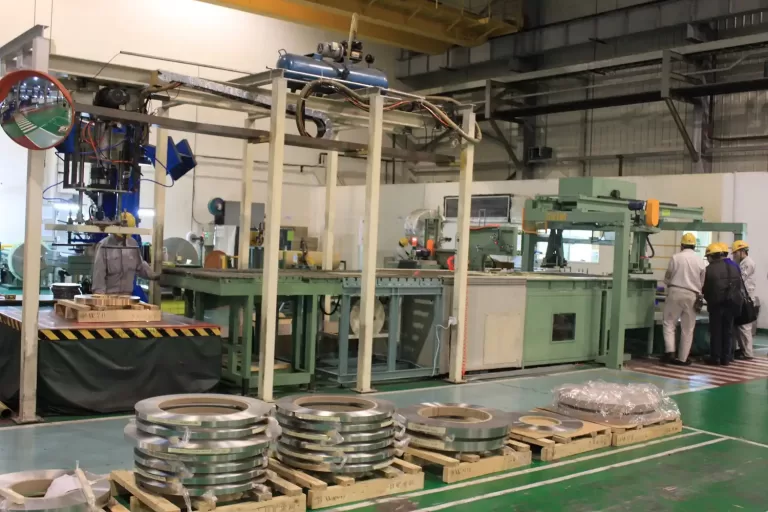
The selection of packaging materials is a pivotal decision, demanding a delicate balance between budgetary constraints and the imperative of providing adequate protection to the valuable steel coils. Different materials offer varying degrees of durability, resistance to weather elements, and shielding against physical damage. Let's conduct a comparative analysis of commonly used packaging materials to illuminate their cost implications and suitability for diverse applications.
| Material Type | Description | Cost | Protection Level | Durability | Best Use Cases | Considerations |
|---|---|---|---|---|---|---|
| Steel Strapping | High-tensile steel bands used for securing heavy coils. | High | High | Very High | Heavy and large coils requiring maximum security and stability during long-distance transport and harsh handling conditions. | Most expensive option. Provides superior strength and security but can be difficult to handle and may require specialized tools for application and removal. Risk of corrosion if not properly treated. |
| Plastic Strapping (PET/PP) | Polyester (PET) or Polypropylene (PP) straps, lighter and more flexible than steel. | Medium | Medium | Medium | Medium to heavy coils, providing good security for general transportation and handling. PET strapping offers higher strength than PP and is suitable for heavier loads. PP is more economical for lighter coils. | More cost-effective than steel strapping. Easier to handle and apply. PET offers better performance than PP. May not be sufficient for extremely heavy or sensitive coils requiring maximum protection. Susceptible to UV degradation over prolonged outdoor storage. |
| Paper/Cardboard | Kraft paper, corrugated cardboard used for interleaving, edge protection, and wrapping. | Low | Low to Medium | Low to Medium | Inner wrapping, surface protection, edge and corner protection. Used in combination with strapping for overall packaging. Provides cushioning and protection against surface scratches and minor impacts. | Economical for basic protection. Offers limited structural strength or weather resistance. Primarily used for surface protection and internal packaging components. Must be used in conjunction with strapping and potentially stretch film for comprehensive packaging. Recyclable and environmentally friendly. |
| Stretch Film | Transparent plastic film wrapped around coils for moisture and dust protection, and load stabilization. | Low to Medium | Low to Medium | Low | Weather protection, dustproofing, load stabilization for various coil sizes. Can be used as primary or secondary wrapping. Enhances package integrity and provides some level of tamper evidence. | Relatively inexpensive and easy to apply. Offers good moisture and dust protection. Limited protection against physical impacts. Can be punctured or torn. Not suitable for long-term outdoor storage in harsh conditions without additional protective layers. Available in various thicknesses and formulations for different protection levels. |
| Composite Materials | Combinations of materials like VCI paper (Vapor Corrosion Inhibitor), barrier foils, and specialized coatings for enhanced corrosion protection. | High to Very High | High to Very High | Medium to High | Coils requiring superior corrosion protection, long-term storage, or shipment in harsh environments. High-value coils, sensitive alloys, or applications demanding stringent preservation. | Most expensive material option. Offers specialized protection against corrosion, moisture, and other environmental factors. Tailored solutions for specific and demanding applications. May require specialized application techniques. Consider the specific environmental challenges and required protection level when evaluating composite materials. Henkel offers advanced pretreatment and coating solutions for metal coils, enhancing corrosion resistance and extending service life, which can indirectly reduce packaging material needs by ensuring the coil's inherent protection is maximized. |
The optimal material selection hinges on a multifaceted evaluation encompassing cost constraints, the anticipated handling and transit conditions, the sensitivity of the steel coils to environmental factors, and the stipulated storage duration. For instance, coils destined for short-distance transport in controlled environments might suffice with basic plastic strapping and stretch film, whereas coils embarking on long sea voyages or destined for prolonged outdoor storage would necessitate robust steel strapping and specialized composite materials offering superior corrosion and weather protection. Conduct thorough testing to validate the chosen packaging materials' performance under simulated transport and storage conditions. Explore bulk purchasing agreements with material suppliers to leverage volume discounts and optimize material procurement costs. Implement a rigorous inventory management system to minimize material waste and ensure efficient utilization of packaging supplies. Consider the recyclability and environmental impact of your chosen packaging materials, exploring sustainable alternatives where feasible to align with corporate social responsibility goals and potentially reduce waste disposal costs.
Evaluating Financial Impacts of Packaging Machinery
Investing in advanced steel coil packaging machinery represents a substantial financial commitment. However, a comprehensive financial evaluation extending beyond the initial purchase price is crucial. Understanding the intricate relationship between upfront costs and long-term return on investment (ROI) is paramount for making judicious investment decisions. A thorough analysis must encompass not only the immediate expenses but also the projected long-term savings, ongoing maintenance costs, and anticipated gains in operational efficiency.
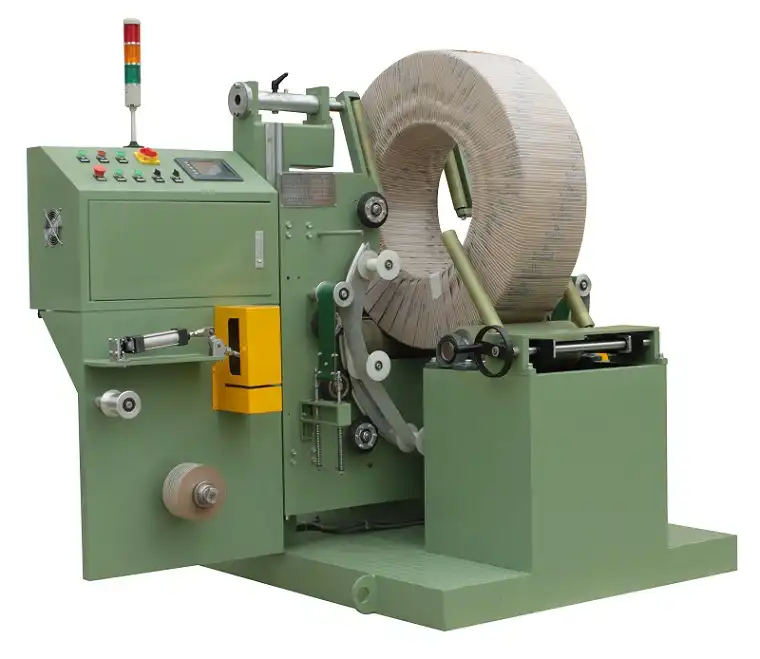
Analyzing the financial implications of packaging machinery involves evaluating initial costs, long-term savings from reduced labor and material waste, maintenance expenses, and productivity improvements. A thorough cost-benefit analysis is essential to determine the true ROI and justify the investment in new packaging technology.
Investing in steel coil packaging machinery offers significant long-term financial benefits. While the initial investment can be substantial, the returns are realized through various avenues:
- Reduced Labor Costs: Automation significantly decreases reliance on manual labor, leading to substantial savings in wages, benefits, and associated labor expenses over time. Automated systems perform packaging tasks faster and more consistently, requiring fewer personnel.
- Minimized Material Waste: Automated machinery ensures precise and consistent material application, reducing over-wrapping and material wastage compared to manual packaging methods. This optimized material usage translates directly into cost savings.
- Lower Damage Rates: Improved packaging quality and consistency achieved through automation minimize the risk of coil damage during handling and transportation. Reduced damage translates to fewer returns, replacements, and associated costs, preserving product quality and customer satisfaction. Data suggests that proper packaging can reduce damage claims by up to 40%, directly impacting the bottom line.
- Increased Throughput and Productivity: Automated packaging lines operate at higher speeds and with greater efficiency than manual processes, significantly increasing throughput and overall productivity. Enhanced throughput enables businesses to process larger volumes, meet tighter deadlines, and improve responsiveness to customer demands. Studies indicate that automation can increase packaging efficiency by 25% or more.
- Improved Operational Efficiency: Streamlined packaging processes, reduced manual handling, and enhanced consistency contribute to overall operational efficiency. Optimized workflows minimize bottlenecks, improve material flow, and enhance the overall efficiency of the production and logistics chain.
- Enhanced Safety: Automation reduces the need for manual handling of heavy and cumbersome steel coils, minimizing the risk of workplace injuries and associated costs related to accidents, compensation claims, and lost productivity. Data indicates that insufficient packaging and handling practices contribute to around 30% of packaging-related incidents.
- Long-Term ROI: While the initial investment may seem significant, the cumulative effect of labor savings, material waste reduction, damage prevention, increased throughput, and improved efficiency results in a strong long-term ROI, often exceeding initial projections within a few years of operation.
To accurately evaluate the financial impact, conduct a detailed cost-benefit analysis. This analysis should compare the total cost of ownership (TCO) of different machinery options, including initial purchase price, installation costs, training expenses, ongoing maintenance, and operational costs (electricity, consumables). Project the long-term savings in labor, materials, reduced damage claims, and increased throughput. Calculate the payback period and ROI to determine the financial viability and attractiveness of the investment. Consider the potential for increased production capacity and revenue generation enabled by the new machinery. Factor in the intangible benefits such as improved employee morale due to safer working conditions and enhanced customer satisfaction due to reduced damage and on-time deliveries. Explore financing options like leasing or equipment loans to manage cash flow and potentially improve the immediate ROI. Regularly monitor and track the actual performance and cost savings achieved after implementing the new machinery to validate the initial financial projections and identify areas for further optimization.
Conclusion
Controlling costs in steel coil packaging production is not merely about cutting corners; it's about strategic optimization. By meticulously understanding the pricing structure, automation levels, customization needs, material choices, and financial implications of packaging machinery, businesses can transform their steel coil packaging operations from a cost burden into a source of competitive advantage. Embracing strategic investments in automation and optimized packaging solutions leads to significant long-term gains through reduced labor costs, minimized material waste, decreased damage rates, and enhanced operational efficiency. Ultimately, mastering cost-efficiency in steel coil packaging is essential for maximizing profitability and ensuring long-term success in the competitive steel industry.