
Controlling Logistics Costs in Steel Coil Packaging
Steel coils, vital yet vulnerable, are the backbone of numerous industries. But are hidden logistics costs eating into your profits during their packaging and transit? Damage, delays, and inefficient processes can inflate expenses dramatically. It’s time to unwrap the secrets to streamlined, cost-effective steel coil packaging.
Effective steel coil packaging is crucial for controlling logistics costs. By addressing unique challenges like weight and corrosion, and adopting best practices in material selection, automation, and transportation, businesses can significantly reduce damage, minimize delays, and optimize their bottom line. Investing in proper packaging is not just an expense; it's a strategic move to safeguard product integrity and enhance operational efficiency.
Ready to take control of your steel coil packaging costs? Let's delve into the essential strategies that will transform your logistics and protect your bottom line.
Unique Challenges in Steel Coil Packaging
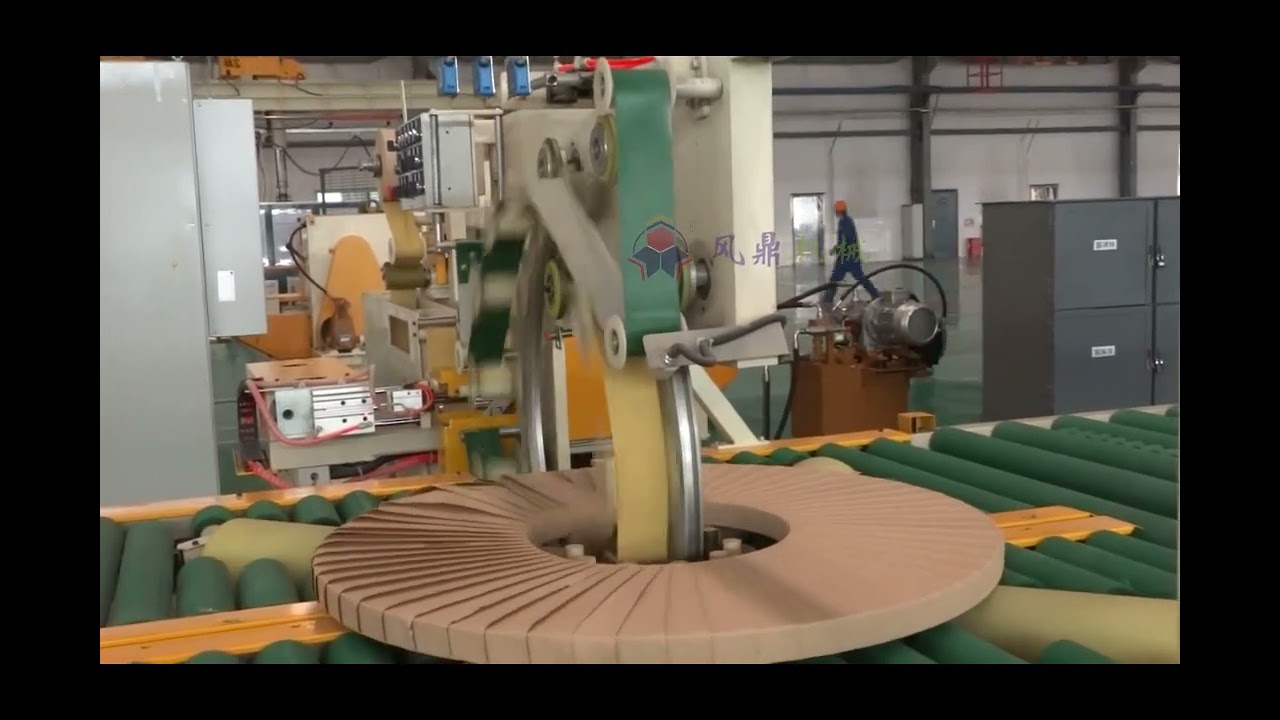
Steel coils, known for their robust nature, ironically present a paradox in packaging. Their considerable weight, unwieldy shape, and susceptibility to environmental factors demand specialized handling and protection. Are you aware of the hidden challenges that could be undermining your steel coil logistics?
Steel coil packaging faces unique challenges primarily due to the material's weight, shape, and vulnerability to damage, particularly from corrosion and physical impacts. Standard packaging methods often fall short, necessitating customized solutions. Key challenges include managing the immense weight, preventing corrosion from moisture exposure, and stabilizing the coil's round shape during handling and transportation. Addressing these unique challenges effectively is crucial for minimizing damage, ensuring safety, and controlling logistics costs.
These aren't just minor inconveniences; they are critical points that can significantly impact your operational costs and product quality. Let's unpack these challenges and explore how they affect your bottom line.
Addressing the Weight and Fragility Dilemma
The sheer mass of steel coils presents a considerable engineering challenge in packaging. It's a delicate balance: providing sufficient protection without creating packages that are impossible to handle or transport economically. The weight is not just a handling issue; it's a cost driver that permeates every aspect of logistics.
Consider the following breakdown of challenges, impacts, and solutions:
| Challenge | Impact | Solution |
|---|---|---|
| Weight | Difficult handling, increased transport costs, higher risk of injury | Robust pallets, specialized lifting equipment like pallet inverters, optimized load distribution |
| Corrosion Risk | Material degradation, quality reduction, potential for rejection | Protective wrapping techniques, Vapor Corrosion Inhibitors (VCI), airtight seals |
| Shape | Instability during transit, increased space utilization inefficiency, potential for shifting | Coil upenders, customized packaging forms, secure strapping systems |
| Fragility | Susceptible to dents, scratches, and edge damage, especially during handling and mode transitions | Edge protectors, cushioning materials, careful handling protocols, automated packaging for consistency |
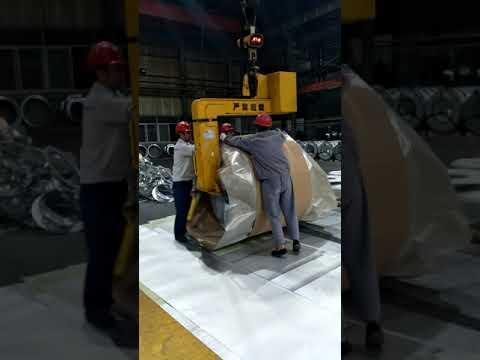
For instance, improper weight distribution can lead to coil telescoping, a form of structural deformation that not only damages the coil but also poses significant safety hazards during unloading and further processing. Inadequate protection against physical impacts, even seemingly minor ones, can result in surface scratches and dents, diminishing the coil's market value and potentially leading to rejection by clients with stringent quality requirements. The cumulative effect of these seemingly small damages across numerous shipments can translate into substantial financial losses.
Moreover, the environmental aspect cannot be overstated. Steel coils are highly susceptible to corrosion, especially in humid or marine environments. Even with protective coatings, prolonged exposure to moisture can lead to rust, rendering the outer layers unusable and significantly reducing the coil's lifespan and value. This is particularly pertinent for companies exporting or importing steel coils, where shipments may endure weeks at sea, exposed to salt spray and fluctuating temperatures.
The solution lies in a holistic approach that integrates robust packaging materials, specialized equipment, and meticulous handling procedures. Automated packaging systems, for example, offer a significant advantage by ensuring consistent and precise application of protective measures, reducing the variability and errors associated with manual packaging. Investing in equipment like coil wrapping machines and upenders is not merely an upfront cost; it's a strategic investment that yields long-term returns by mitigating risks, reducing damage claims, and enhancing operational efficiency. By proactively addressing these unique challenges, businesses can transform potential vulnerabilities into competitive advantages, ensuring the safe and cost-effective transit of their valuable steel coil products.
Consequences of Improper Steel Coil Packaging
Failing to adequately package steel coils isn't just a minor oversight; it's a costly misstep with cascading consequences. Are you aware of the true cost of inadequate steel coil packaging beyond just material expenses?
Improper packaging of steel coils leads to a range of detrimental effects, including coil damage, safety hazards, and increased operational costs. Damaged coils can suffer from corrosion, deformation, and physical defects, reducing their quality and value. Safety risks escalate during handling and transportation due to unstable loads and inadequate protection, endangering personnel. Operationally, costs rise due to product returns, replacements, and increased handling of damaged goods. Robust packaging solutions are essential to mitigate these risks and safeguard investments.
The ramifications extend far beyond the immediate cost of damaged goods, impacting safety, customer satisfaction, and overall profitability. Let's examine the domino effect of packaging missteps.
Packaging Missteps and their Costly Ripple Effects
The true cost of improper steel coil packaging is often underestimated, extending far beyond the obvious expenses of material replacement and returns. It triggers a cascade of negative impacts, disrupting operations, compromising safety, and eroding profitability. Understanding these ripple effects is crucial for making informed decisions about packaging investments.
Consider the following breakdown of issues, causes, and effects:
| Issue | Cause | Effect |
|---|---|---|
| Coil Damage | Exposure to weather, inadequate impact protection | Corrosion, physical damage (scratches, dents, deformation), reduced material integrity, potential product rejection |
| Safety Hazards | Inadequate packaging stability, handling errors, insufficient load securing | Increased risk of accidents during handling and transportation, personnel injuries, equipment damage, potential legal liabilities |
| Increased Costs | Returns, replacements, rework, delays, insurance claims, loss of customer trust | Elevated operational expenses, increased shipping and handling costs, production disruptions, damage to reputation and brand value |
| Environmental Impact | Excessive packaging material use, non-recyclable materials, product waste | Increased waste disposal, higher resource consumption, negative environmental footprint, potential regulatory penalties |
Coil damage, the most direct consequence, manifests in various forms, from superficial scratches to severe corrosion and structural deformation. A seemingly minor scratch can compromise the surface finish, rendering the coil unsuitable for applications demanding pristine aesthetics. Corrosion, even in its early stages, can weaken the material and necessitate costly rework or even rejection of the entire coil. Industry studies have shown that inadequate packaging can increase the risk of coil damage by as much as 40%, a staggering figure that translates directly into financial losses.
Safety hazards are another critical concern. Improperly packaged coils are inherently unstable, posing significant risks during handling and transportation. A shifting coil can cause accidents during loading and unloading, endangering personnel and damaging equipment. In transit, inadequate securing can lead to load shifts, jeopardizing the safety of drivers and other road users. Data suggests that approximately 30% of packaging-related incidents are attributable to insufficient packaging and handling practices. These incidents not only result in immediate costs related to injuries and repairs but can also lead to long-term legal liabilities and reputational damage.
Increased operational costs are a multifaceted consequence of improper packaging. Damaged coils often lead to returns and replacements, disrupting production schedules and incurring additional shipping and handling expenses. Reworking damaged materials, if even possible, adds further costs and delays. Beyond these direct expenses, there are indirect costs such as increased insurance premiums due to higher claim frequencies and the administrative burden of managing returns and resolving customer complaints. Studies indicate that returns due to defects can inflate operational costs by up to 20%. Furthermore, the environmental impact of excessive packaging and product waste is becoming an increasingly important factor, both in terms of regulatory compliance and corporate social responsibility.
Addressing improper packaging requires a comprehensive approach that prioritizes quality materials, robust packaging designs, and rigorous quality control measures. Investing in proper packaging is not merely an expense; it's a strategic investment that safeguards product integrity, enhances safety, minimizes operational disruptions, and protects long-term profitability. By proactively mitigating the risks associated with improper packaging, businesses can transform a potential cost center into a source of competitive advantage.
Best Practices for Steel Coil Packaging
Investing in superior steel coil packaging is more than just preventing damage; it's about building a robust logistics framework. Are you leveraging best practices to optimize your steel coil packaging for maximum efficiency and cost savings?
Best practices for steel coil packaging encompass material selection, automation adoption, and continuous staff training. Choosing high-strength, weather-resistant materials ensures superior protection against physical damage and corrosion. Implementing automated packaging systems enhances consistency, reduces human error, and increases efficiency. Regular training equips staff with the knowledge and skills to handle new materials and technologies effectively. These practices collectively optimize operational workflows, minimize damage, and contribute to significant cost savings.
Moving beyond reactive problem-solving to proactive prevention is key. Let's explore the steps to optimize your steel coil packaging strategy.
Steps to Optimize Steel Coil Packaging for Efficiency and Safety
Optimizing steel coil packaging is not a one-time fix but a continuous process of refinement and adaptation. It requires a multi-faceted approach that integrates material selection, automation, and human expertise to create a packaging system that is both efficient and effective. By implementing best practices across these key areas, businesses can achieve significant improvements in cost control, product protection, and operational performance.
Consider these key practices, benefits, and results:
| Practice | Benefits | Result |
|---|---|---|
| Material Selection | Reduces corrosion and physical damage, enhances weather resistance, ensures load stability | Lower return rates, reduced damage claims, improved product quality and customer satisfaction |
| Adoption of Automation | Ensures consistency and precision, reduces human error, increases throughput, optimizes material usage | Reduced errors and rework, time savings, increased efficiency, lower labor costs, minimized material waste |
| Training & Development | Updates staff knowledge and skills, improves handling techniques, promotes safety awareness, fosters a culture of quality | Decreased incidents and errors, enhanced operational efficiency, improved safety record, higher employee morale |
| Standardized Procedures | Streamlines processes, ensures consistency across operations, facilitates quality control, simplifies auditing | Improved operational efficiency, reduced variability, enhanced compliance, easier performance monitoring |
| Regular Audits & Reviews | Identifies areas for improvement, ensures ongoing effectiveness of packaging protocols, adapts to changing needs and technologies | Continuous improvement, proactive risk management, optimized cost efficiency, sustained high performance |
Material selection is paramount. Choosing the right materials is the foundation of effective coil protection. High-strength films, weather-resistant wraps, and robust edge protectors are essential to shield coils from physical impacts and environmental elements. Advanced materials like Vapor Corrosion Inhibitor (VCI) films offer superior corrosion protection, especially in humid conditions. A survey of manufacturing facilities revealed that companies using advanced packaging materials experienced a 30% reduction in return rates, highlighting the tangible benefits of investing in quality materials.
Automation plays a transformative role in steel coil packaging. Automated systems ensure consistency and precision in wrapping, strapping, and labeling, minimizing human error and maximizing efficiency. Automated coil packing lines can significantly reduce packaging time and material waste, while increasing throughput. Companies that have adopted automation report a 25% increase in efficiency and a notable reduction in packaging errors. Automation also enhances safety by reducing manual handling of heavy coils and minimizing operator exposure to hazardous tasks.
Training and skill development are crucial complements to material selection and automation. Continual staff training ensures that personnel are proficient in using new materials, operating automated equipment, and adhering to best practices. Training programs should cover proper handling techniques, safety protocols, and quality control procedures. Regular training sessions, conducted quarterly or biannually, have been shown to decrease packaging-related incidents by 15%. Investing in employee training fosters a culture of quality and empowers staff to proactively identify and address potential packaging issues.
Standardized procedures are the backbone of consistent and efficient packaging operations. Implementing clear, well-documented procedures for every step of the packaging process ensures uniformity and reduces variability. Standardized procedures simplify quality control, facilitate audits, and provide a framework for continuous improvement. Regular audits and reviews are essential to ensure that packaging protocols remain effective and aligned with evolving needs and technologies. Periodic assessments can identify areas for optimization, highlight emerging risks, and ensure that best practices are consistently implemented.
By embracing these best practices – focusing on material selection, leveraging automation, investing in training, implementing standardized procedures, and conducting regular audits – businesses can transform their steel coil packaging operations from a potential source of cost and risk into a driver of efficiency, quality, and competitive advantage. [Collection] of these optimized practices leads to significant improvements across the entire logistics chain.
Transportation and Insurance Considerations for Steel Coils
The journey of steel coils doesn't end at packaging; transportation is the next critical stage where costs and risks are further managed. What are the safest and most cost-effective transportation methods, and how can insurance mitigate unforeseen risks?
Selecting the appropriate transportation method and securing adequate insurance are vital for controlling logistics costs and mitigating risks associated with steel coil shipments. Container shipping offers superior protection for long distances, while specialized road transport is suitable for domestic deliveries. Comprehensive insurance coverage, beyond basic carrier liability, is essential to protect against potential damages, delays, and unforeseen events. A thorough risk assessment and understanding of insurance options are crucial for minimizing financial exposure and ensuring smooth, cost-effective logistics.
Navigating transportation and insurance effectively is as crucial as the packaging itself. Let's explore how to make informed decisions in these areas.
Effective transportation and insurance strategies are integral components of controlling logistics costs for steel coil packaging. Choosing the right transportation method and securing appropriate insurance coverage are not merely logistical details; they are strategic decisions that directly impact the safety, efficiency, and financial security of steel coil shipments. A comprehensive approach to transportation and insurance involves understanding the advantages and disadvantages of different transport modes, assessing potential risks, and selecting insurance options that provide adequate protection without incurring excessive costs.
Container shipping stands out as a highly reliable method for long-distance transportation, particularly for international shipments. Containerization offers several key advantages: consistent environmental conditions within the container, reduced handling frequency (minimizing the risk of physical damage), enhanced protection from external elements (weather, salt spray), and improved security against theft and tampering. Shipping data from 2023 reveals that containerized shipments exhibit significantly lower damage rates (0.5%) compared to break-bulk cargo (2.3%). A case study comparing container and break-bulk shipments to Southeast Asia demonstrated an 85% reduction in moisture damage and a 90% reduction in physical damage for containerized coils. Proper container preparation, including securing coils within the container and ensuring adequate ventilation, is crucial for maximizing the benefits of container shipping.
Specialized road transportation plays a vital role in domestic steel coil logistics. Flatbed trucks equipped with specialized securing systems, such as custom-designed cradles and robust strapping mechanisms, are essential for safely transporting heavy coils by road. Advanced load distribution calculations and real-time tracking systems further enhance safety and efficiency. Specialized driver training programs that emphasize proper handling techniques and load securing procedures are also critical. Industry studies indicate that specialized road transportation, when implemented with appropriate protocols, can achieve damage rates as low as 0.8% for domestic shipments. Implementing comprehensive securing protocols for truck shipments can lead to a significant reduction in road transportation damage incidents, as evidenced by a 70% decrease reported by companies adopting such measures.
Intermodal transport, combining different modes such as sea, rail, and road, presents both opportunities and challenges. While intermodal transport can optimize costs and transit times, it also introduces additional handling points, increasing the risk of damage, particularly during mode transitions. Analysis of intermodal shipments reveals that a significant percentage of damage incidents (65%) occur during these transitions. Careful planning and coordination are essential to mitigate these risks. This includes selecting experienced intermodal carriers, ensuring seamless transfers between modes, and implementing robust packaging that can withstand multiple handling stages.
Insurance is a critical risk management tool in steel coil logistics. Basic carrier liability provides minimal coverage, often insufficient to cover the full value of potential losses. Comprehensive all-risk insurance policies offer broader protection, covering not only physical damage but also additional expenses such as emergency preservation costs, survey fees, and repacking expenses. Claims data from 2019-2023 shows that all-risk policies have a significantly higher claim settlement rate (95%) compared to basic carrier liability (35%). Understanding premium calculation factors, such as packaging specifications, transportation routes, and risk mitigation measures, can help businesses optimize insurance costs while maintaining adequate coverage. Implementing enhanced packaging protocols and choosing optimal transportation routes can lead to substantial reductions in insurance premiums, as demonstrated by a case study where a company reduced premiums by 30% through proactive risk management. Efficient claims processing and resolution are also essential to minimize business disruption in the event of damage. Prompt damage notification, complete documentation, and clear communication channels are key to expediting claims resolution and minimizing financial impact.
In conclusion, optimizing transportation methods and securing comprehensive insurance coverage are indispensable for controlling logistics costs and mitigating risks in steel coil packaging. By carefully selecting transport modes, implementing robust handling protocols, and investing in appropriate insurance, businesses can ensure the safe, efficient, and cost-effective delivery of their valuable steel coil products.
Conclusion
Controlling logistics costs in steel coil packaging is not merely about cutting corners; it's about strategic optimization. By understanding the unique challenges, implementing best practices, and making informed decisions about transportation and insurance, businesses can transform their steel coil logistics from a cost center into a competitive advantage. Embracing strategies like [wire packing automation](), robust material selection, and comprehensive risk management will pave the way for significant savings and enhanced operational efficiency in the long run.