
Can Coil Packing Machines Handle High-Volume Production?
Are you struggling to keep up with the demand for efficiently packed coils in your high-volume production facility? Manual coil packing is slow, labor-intensive, and prone to inconsistencies. Imagine a solution that not only accelerates your packaging process but also ensures each coil is perfectly protected and ready for shipment, no matter the quantity.
Yes, coil packing machines are specifically designed to handle high-volume production. They automate the wrapping, strapping, and stacking processes, significantly increasing throughput and consistency compared to manual methods. By integrating these machines, manufacturers can meet demanding production schedules while reducing labor costs and material waste.
Let's delve into how coil packing machines are revolutionizing high-volume manufacturing and explore the benefits they bring to various industries.
Streamlining High-Volume Coil Packaging for Efficiency
In today's fast-paced industrial landscape, efficiency is paramount. For industries dealing with coil products – be it steel, wire, hose, or tubing – the packaging process can often become a bottleneck, especially in high-volume scenarios. Manually wrapping and securing coils is time-consuming, demands significant manpower, and can lead to inconsistencies in packaging quality.
Coil packing machines are engineered to overcome these challenges, offering a streamlined solution for high-volume production. These automated systems take over the repetitive and labor-intensive tasks of wrapping, strapping, and handling coils. By integrating a coil packing machine into your production line, you can expect a significant boost in throughput, consistent packaging quality, and a reduction in operational costs. These machines are not just about speed; they're about optimizing the entire packaging workflow for maximum efficiency in demanding production environments.
Transitioning to automated coil packing offers a multifaceted approach to boosting productivity. But how exactly do these machines achieve such efficiency gains? Let's break down the key features and functionalities that make coil packing machines indispensable for high-volume operations.
Deconstructing Efficiency: Key Features of High-Volume Coil Packing Machines
To truly appreciate the impact of coil packing machines on high-volume production, it's essential to understand the technology and design principles that drive their efficiency. These machines are not monolithic entities; they are sophisticated systems comprised of integrated components working in concert to automate and optimize the coil packaging process. Let's examine the critical elements that contribute to their high-performance capabilities:
Automation and Programmability
At the heart of high-volume coil packing efficiency lies automation. Modern machines are equipped with Programmable Logic Controllers (PLCs) and Human-Machine Interfaces (HMIs). This intelligent control system allows for:
- Pre-programmed settings: Operators can input coil dimensions and packaging specifications, and the machine automatically adjusts parameters for consistent and accurate wrapping and strapping.
- Recipe storage: For repetitive tasks involving coils of similar sizes and packaging requirements, machine recipes can be saved and recalled, minimizing setup time and ensuring consistency across batches.
- Seamless integration: Advanced coil packing lines can be integrated with upstream and downstream production processes, creating a continuous, automated flow from coil manufacturing to packaging and even palletizing.
High-Speed Wrapping and Strapping Mechanisms
High-volume production demands speed, and coil packing machines are built to deliver. They incorporate advanced wrapping and strapping mechanisms designed for rapid and reliable operation:
- Orbital wrapping systems: These systems utilize rotating rings or arms that encircle the coil, dispensing wrapping material at high speeds while maintaining consistent tension and overlap.
- Automated strapping units: Integrated strapping heads apply and seal straps quickly and securely, using materials like PET, PP, or steel, depending on the coil weight and transportation requirements.
- Synchronized operations: Wrapping and strapping processes are often synchronized to minimize cycle times. For example, some machines can wrap and strap simultaneously, further enhancing throughput.
Material Optimization and Waste Reduction
Efficiency isn't just about speed; it's also about resource management. High-volume coil packing machines are designed to minimize material waste:
- Precise material dispensing: Machines accurately measure and dispense the required amount of wrapping film, paper, or strapping, reducing excess material usage compared to manual wrapping.
- Adjustable overlap and tension control: Operators can fine-tune wrapping parameters to optimize material usage while ensuring adequate coil protection.
- Automated cutting and sealing: Precise cutting and sealing mechanisms eliminate material wastage at the beginning and end of each wrapping cycle.
Data-Driven Insights for Continuous Improvement
Modern high-volume coil packing lines often incorporate data collection and monitoring capabilities. This allows manufacturers to:
- Track production metrics: Machines can record cycle times, throughput rates, material consumption, and other key performance indicators (KPIs).
- Identify bottlenecks: By analyzing production data, manufacturers can pinpoint areas for improvement in the packaging process and optimize machine settings or workflow.
- Predictive maintenance: Some advanced systems can monitor machine performance and alert operators to potential maintenance needs, minimizing downtime and ensuring continuous operation.
By combining these features, high-volume coil packing machines offer a significant leap in efficiency compared to manual methods. The table below summarizes the key differences:
| Feature | Manual Coil Packing | Automated Coil Packing Machine |
|---|---|---|
| Speed | Slow, dependent on manual labor | High-speed, consistent throughput |
| Consistency | Variable, prone to human error | Consistent, pre-programmed accuracy |
| Labor Costs | High, labor-intensive | Low, reduced manpower requirements |
| Material Waste | High, potential for over-wrapping | Low, optimized material usage |
| Data & Analytics | Limited, manual tracking | Comprehensive data collection |
| Integration | Standalone process | Seamless production line integration |
| Operator Skill Level | Requires skilled manual labor | Lower skill requirement for operation |
| Safety | Higher risk of operator injury | Enhanced safety features |
%[keywords]
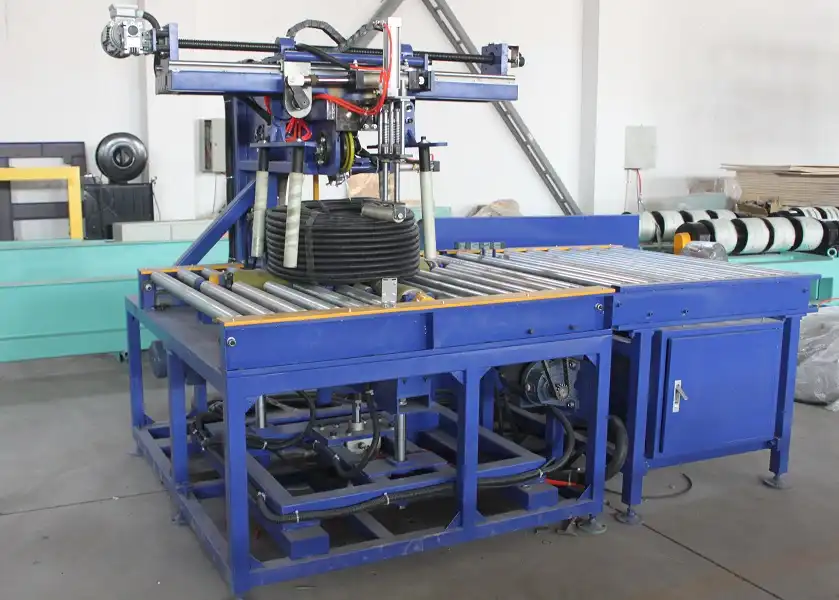
This detailed breakdown highlights why coil packing machines are not just faster, but smarter and more resource-efficient solutions for high-volume coil packaging. They represent a strategic investment for manufacturers seeking to optimize their operations and maintain a competitive edge.
Versatility Across Coil Types and Materials
One of the key advantages of coil packing machines is their adaptability. High-volume production isn't limited to a single type of coil or material. Manufacturers often deal with a diverse range of products, each with unique packaging requirements. Can coil packing machines handle this variety?
Yes, modern coil packing machines are designed to be versatile, accommodating various coil types, sizes, and materials. Whether you're packaging steel coils, wire coils, hose coils, or even specialized materials like aluminum or copper, there's a coil packing machine solution tailored to your needs. This versatility is crucial for high-volume facilities that need flexible packaging solutions to handle a wide product mix.
This adaptability stems from the modular design and adjustable parameters of these machines. Let's explore how coil packing machines cater to different coil types:
-
Steel Coils: Steel coils, often heavy and requiring robust protection, are a primary application for coil packing machines. Heavy-duty machines are designed to handle the weight and dimensions of master coils, slitted coils, and steel strip coils. They can apply multiple layers of wrapping material, including VCI films for rust prevention, and utilize steel or high-strength PET strapping for secure containment.
-
Wire Coils: Wire coils, ranging from fine wire to heavy cable, demand careful handling to prevent damage and ensure neat packaging. Coil packing machines for wire coils can be configured with specialized features like:
- Tension control: To prevent wire stretching or breakage during wrapping.
- Compacting units: To create dense and stable wire coils before wrapping.
- Vertical and horizontal wrapping options: To accommodate different coil orientations and handling preferences.
-
Hose and Tube Coils: Hose and tube coils, often made of flexible materials like plastic or rubber, require gentle yet secure packaging. Coil packing machines for hoses and tubes can be adapted with:
- Soft-touch rollers and conveyors: To prevent damage to the coil surface.
- Adjustable wrapping tension: To accommodate varying degrees of flexibility in the hose or tube material.
- Strapping or banding options: To maintain coil integrity during handling and transport.
-
Specialty Coils (Aluminum, Copper, etc.): For coils made of more delicate materials like aluminum or copper, coil packing machines can be customized further. This might include:
- Extra layers of protective wrapping: To prevent scratches and abrasions.
- Non-metallic strapping materials: To avoid marking or damaging the coil surface.
- Precise tension control and gentle handling mechanisms.
The ability to handle this diverse range of coil types makes coil packing machines a valuable asset for high-volume manufacturers across various industries, including:
- Steel and metal processing: Packaging steel coils, sheets, and strips.
- Wire and cable manufacturing: Packaging wire coils, cable reels, and wire rod coils.
- Plastics and rubber industry: Packaging hose coils, tubing coils, and profiles.
- Automotive and component manufacturing: Packaging bearing coils, spring coils, and other specialized components.
By offering such broad applicability, coil packing machines ensure that high-volume production facilities can streamline their packaging processes regardless of the specific coil products they manufacture.
Integrating Automation for Seamless Production Lines
Beyond individual machine capabilities, the true power of coil packing machines in high-volume settings lies in their ability to integrate into fully automated production lines. Standalone machines offer significant improvements, but when combined into a cohesive system, the efficiency gains are exponential.
Coil packing machines are designed for seamless integration, allowing for the creation of fully automated coil packaging lines that minimize manual intervention and maximize throughput. This integration is crucial for high-volume manufacturers seeking to optimize their entire production workflow, from coil formation to final packaging and dispatch.
Let's explore the key aspects of integration and how they contribute to high-volume efficiency:
-
Infeed and Outfeed Conveyor Systems: Automated coil packing lines typically incorporate conveyor systems to transport coils to and from the wrapping and strapping stations. These conveyors can be:
- Roller conveyors: For smooth and efficient movement of coils.
- Chain conveyors: For heavier coils or applications requiring precise positioning.
- Belt conveyors: For handling delicate coil surfaces or irregular shapes.
- Automated transfers: Conveyor systems can include automated transfer mechanisms to move coils between different processing stages seamlessly.
-
Automated Coil Handling and Loading: To further reduce manual labor, high-volume lines can incorporate automated coil handling systems:
- Robotic arms: For picking and placing coils onto the infeed conveyor or directly into the wrapping machine.
- Upenders and tilters: To change coil orientation (vertical to horizontal or vice versa) automatically.
- Coil cars and transfer carts: For moving coils between different sections of the production line.
-
Integration with Upstream and Downstream Processes: A fully integrated coil packing line extends beyond the wrapping and strapping stages. It can connect with:
- Coil slitting lines: Receiving slit coils directly for packaging.
- Coil winding lines: Integrating packaging immediately after coil formation.
- Palletizing systems: Automatically stacking wrapped coils onto pallets for shipment.
- Warehouse management systems (WMS): Integrating packaging data with inventory control and logistics.
-
Centralized Control and Monitoring: Integrated lines are managed by a central control system, often based on SCADA (Supervisory Control and Data Acquisition) or similar platforms. This provides:
- Real-time monitoring: Operators can oversee the entire packaging process from a central control panel.
- Data logging and reporting: The system collects data on throughput, machine performance, and material consumption for analysis and optimization.
- Remote diagnostics: Advanced systems may offer remote access for troubleshooting and maintenance, minimizing downtime.
keywords
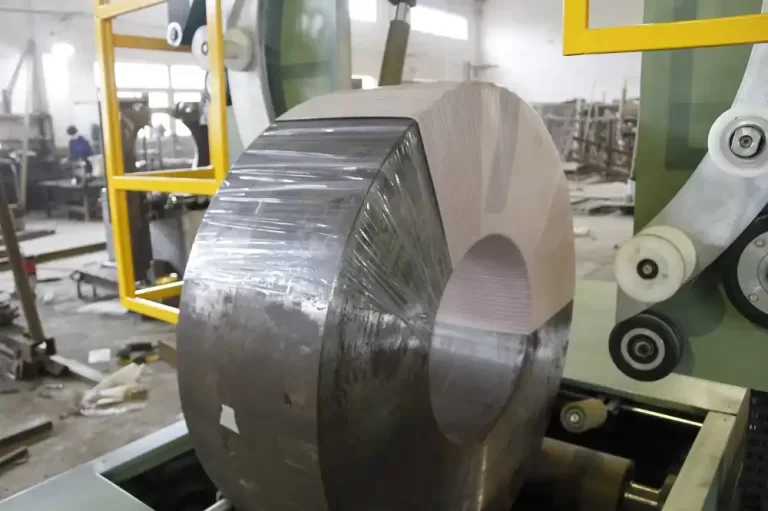
The benefits of integrated automation in high-volume coil packaging are substantial:
- Increased Throughput: Continuous, automated flow minimizes bottlenecks and maximizes production rates.
- Reduced Labor Costs: Automated handling and integrated systems reduce the need for manual labor at multiple stages.
- Improved Consistency: Automated processes ensure uniform packaging quality across high volumes.
- Enhanced Safety: Reduced manual handling minimizes the risk of operator injury.
- Optimized Space Utilization: Integrated lines can be designed for efficient space utilization, especially in high-volume facilities where floor space is at a premium.
By embracing integration, high-volume manufacturers can transform their coil packaging operations from a standalone process into a seamlessly connected component of their overall production ecosystem, achieving unprecedented levels of efficiency and control.
Quantifying the ROI: Cost Savings and Benefits
Investing in coil packing machines for high-volume production is a significant decision. Beyond the obvious benefits of increased speed and automation, what is the tangible return on investment (ROI)? How do coil packing machines translate into real cost savings and business advantages?
Coil packing machines offer a compelling ROI proposition for high-volume manufacturers, delivering significant cost savings across multiple areas and providing quantifiable benefits that impact the bottom line. While the initial investment may seem substantial, the long-term advantages in efficiency, reduced costs, and improved product quality quickly justify the expenditure.
Let's analyze the key areas where coil packing machines generate ROI:
1. Labor Cost Reduction:
- Reduced Manpower: Automation significantly reduces the number of manual laborers required for coil packaging. In high-volume settings, this translates to substantial savings in wages, benefits, and associated labor costs.
- Shift Optimization: With machines handling the bulk of the packaging work, human operators can be redeployed to more value-added tasks, optimizing workforce utilization and productivity per employee.
- Minimized Overtime: Faster packaging speeds and consistent throughput reduce the need for overtime to meet production deadlines, further cutting labor expenses.
2. Material Cost Savings:
- Optimized Material Usage: Precise material dispensing and adjustable wrapping parameters minimize material waste compared to manual wrapping methods, leading to significant savings on wrapping film, paper, and strapping costs.
- Reduced Material Inventory: Machines can often utilize standard-sized rolls of wrapping material, simplifying inventory management and potentially reducing the need for multiple pre-cut sizes.
- Damage Reduction: Improved coil protection during packaging and handling minimizes product damage, reducing the costs associated with rework, scrap, and replacements.
3. Increased Throughput and Production Capacity:
- Faster Packaging Speeds: Automated machines drastically increase packaging speeds compared to manual labor, allowing manufacturers to process higher volumes of coils in the same timeframe.
- Reduced Bottlenecks: Streamlined packaging processes eliminate bottlenecks in high-volume production lines, ensuring a smooth and continuous flow of finished products.
- Increased Output: Higher throughput translates directly to increased production capacity, enabling manufacturers to meet growing demand and potentially expand their market reach.
4. Improved Packaging Quality and Consistency:
- Consistent Wrapping and Strapping: Machines deliver uniform and repeatable packaging quality, eliminating the variability inherent in manual wrapping.
- Enhanced Product Protection: Secure and consistent packaging protects coils from damage during handling, storage, and transportation, maintaining product integrity and reducing customer complaints.
- Professional Presentation: Neatly and consistently packaged coils enhance product presentation and brand image, contributing to customer satisfaction and perceived value.
5. Enhanced Safety and Reduced Risk:
- Minimized Manual Handling: Automation reduces the need for manual lifting and handling of heavy coils, minimizing the risk of operator injuries and related worker compensation costs.
- Safer Working Environment: Automated machines operate with safety features and protocols, creating a safer working environment for employees.
- Reduced Liability: Lower injury rates and improved safety practices can reduce potential liability and insurance costs.
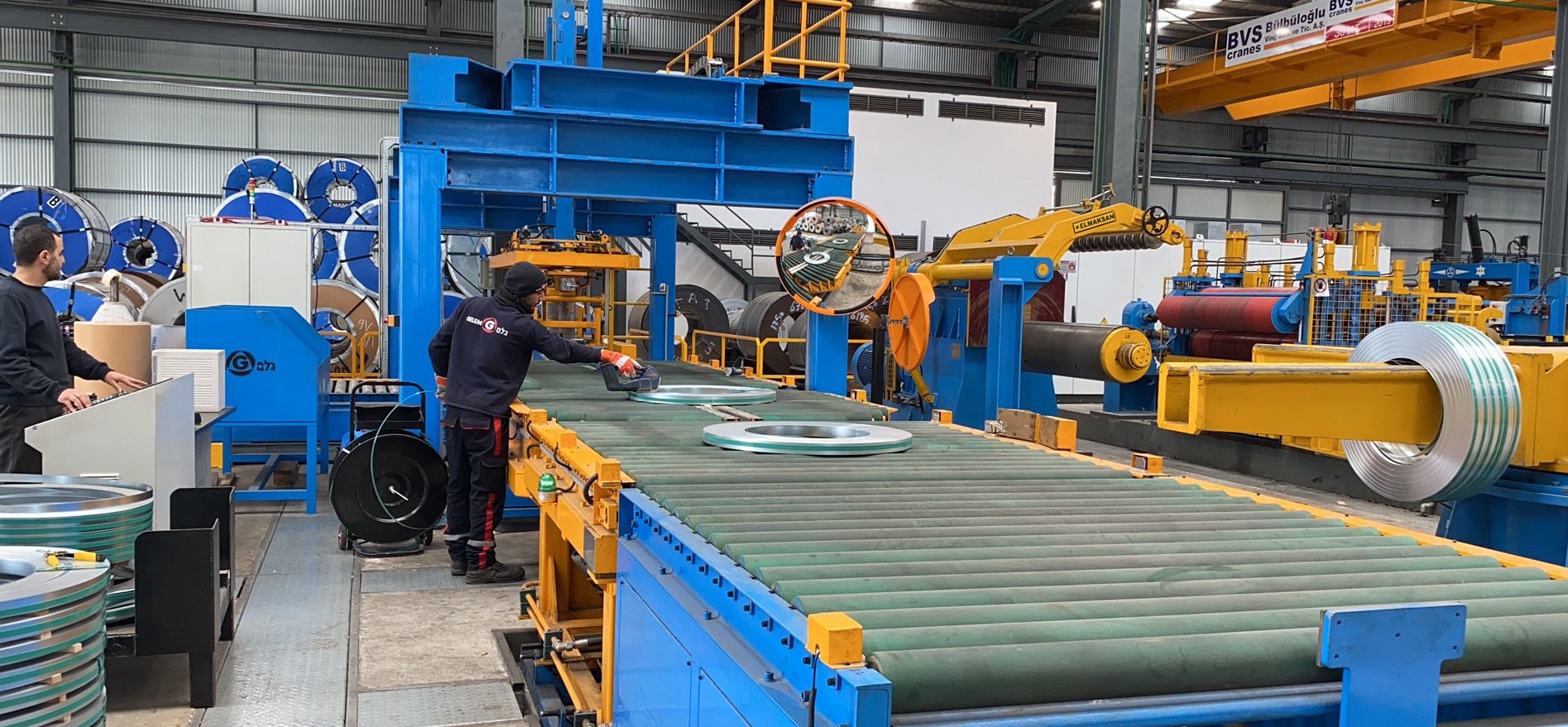
In conclusion, the ROI of coil packing machines in high-volume production is multifaceted and compelling. The quantifiable cost savings in labor, materials, and operational efficiency, combined with the qualitative benefits of improved quality, safety, and customer satisfaction, make coil packing automation a strategic investment for manufacturers seeking long-term growth and competitiveness. Investing in coil packing automation is not merely an expense; it is a strategic move towards a more efficient, profitable, and sustainable future in high-volume manufacturing.
Conclusion
For manufacturers grappling with the demands of high-volume coil production, coil packing machines are not just an upgrade – they are a transformative solution. By automating and streamlining the packaging process, these machines deliver significant gains in efficiency, consistency, and cost savings. From versatile handling of diverse coil types to seamless integration into automated lines, coil packing technology empowers businesses to meet production demands, enhance product protection, and achieve a strong return on investment. Embracing coil packing machines is a strategic step towards optimizing operations and securing a competitive edge in today's fast-paced industrial landscape.