
Can a Coil Packing Machine Reduce Waste and Costs?
Are you tired of seeing excessive material waste and spiraling labor costs in your coil packaging process? Manufacturing businesses are constantly seeking ways to optimize operations and boost their bottom line. The good news is, advancements in automated packaging technology offer a compelling solution. But can a coil packing machine truly make a significant difference in reducing waste and costs?
Yes, a coil packing machine can substantially reduce both waste and costs in coil packaging operations. By automating and streamlining the wrapping, strapping, and handling of coils, these machines minimize material usage, decrease labor requirements, enhance product protection, and boost overall efficiency, leading to significant savings and a greener footprint.
This article delves into the tangible benefits of implementing a coil packing machine, exploring how this technology can revolutionize your packaging line, drive down expenses, and contribute to a more sustainable and profitable manufacturing environment. Keep reading to discover how automating your coil packaging could be the strategic upgrade your business needs.
Streamlining Operations for Peak Efficiency and Productivity
In today's fast-paced industrial landscape, efficiency isn't just a goal—it's a necessity. For manufacturers dealing with coils, manual packaging methods often present a bottleneck, consuming valuable time and resources. A coil packing machine steps in to transform this process, but how exactly does it amplify efficiency and productivity?
A coil packing machine significantly enhances efficiency and productivity by automating key packaging steps such as coil loading, wrapping, sealing, and labeling. This automation drastically reduces manual labor, minimizes human error, and accelerates the entire packaging cycle. Manufacturers experience faster throughput, decreased downtime, and a substantial increase in overall operational efficiency, allowing them to meet demanding production schedules and optimize resource allocation.
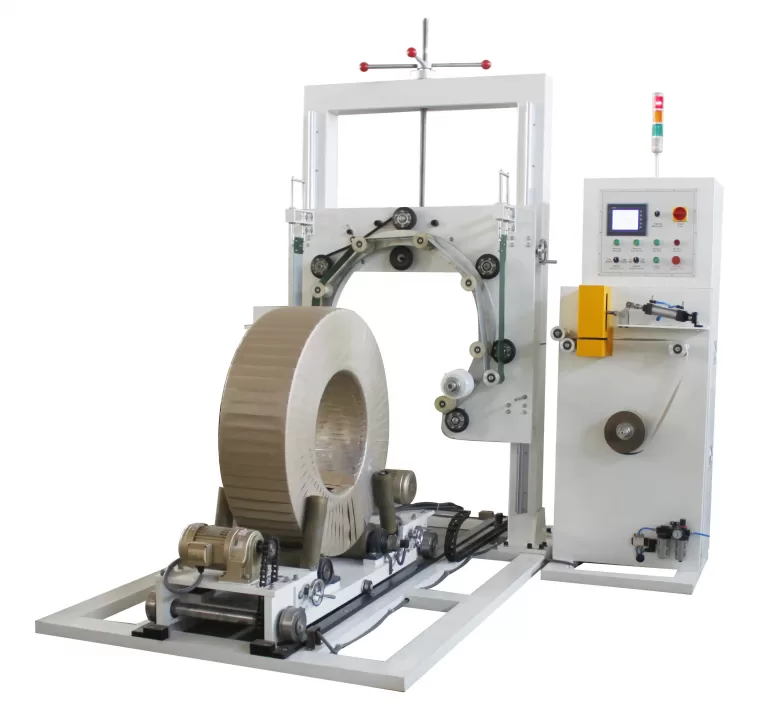
Manual vs. Automated Coil Packaging: A Deep Dive into Efficiency Gains
The contrast between manual and automated coil packaging is stark, especially when considering efficiency metrics. Manual packaging, while seemingly straightforward, is fraught with inefficiencies. It's labor-intensive, prone to inconsistencies, and often results in slower processing times. Conversely, automated coil packing machines are engineered for speed, precision, and consistency, offering a multitude of advantages.
To truly appreciate the efficiency gains, let's break down the key areas where automation outperforms manual methods:
Time Savings
Manual coil packaging is inherently time-consuming. Each coil requires manual handling, wrapping, and securing, a process that can take considerable time, especially for large or heavy coils. Automated systems, however, can complete these tasks in a fraction of the time.
Material Optimization
Manual wrapping often leads to inconsistent material usage. Operators may overestimate the amount of wrapping film needed, leading to unnecessary waste. Coil packing machines are designed to dispense the precise amount of material required for each coil, minimizing waste and reducing material costs.
Labor Reduction
The most obvious efficiency gain is the reduction in labor. Manual packaging requires a team of workers, increasing labor costs and the potential for human error. Automation reduces the need for extensive manual labor, freeing up personnel for other critical tasks and lowering overall labor expenses.
To illustrate these points more clearly, consider the following comparative data:
| Feature | Manual Coil Packaging | Automated Coil Packing Machine | Efficiency Gain (Approximate) |
|---|---|---|---|
| Packaging Time per Coil | 10-20 minutes | 2-5 minutes | 75-80% faster |
| Material Usage | Inconsistent, often excessive | Precise, optimized | 15-25% reduction |
| Labor Requirement | 2-3 workers per packaging line | 1 worker to oversee multiple machines | 50-66% reduction |
| Error Rate | Higher, due to manual handling & fatigue | Significantly lower, consistent automation | Up to 90% reduction |
| Throughput | Lower, limited by manual speed & stamina | Significantly higher, continuous operation | 2x-4x increase |
This data clearly demonstrates the significant efficiency advantages offered by coil packing machines. By automating the packaging process, manufacturers can achieve substantial time savings, material optimization, labor reduction, and improved throughput, all contributing to enhanced productivity and a more efficient operation.
Enhanced Product Protection: Minimizing Damage and Waste
Coils, whether steel, aluminum, or wire, are vulnerable to damage during handling and transit. Scratches, moisture, corrosion, and deformation can lead to product downgrades, rework, or even rejection. How does a coil packing machine step up to provide superior product protection and reduce waste associated with damaged goods?
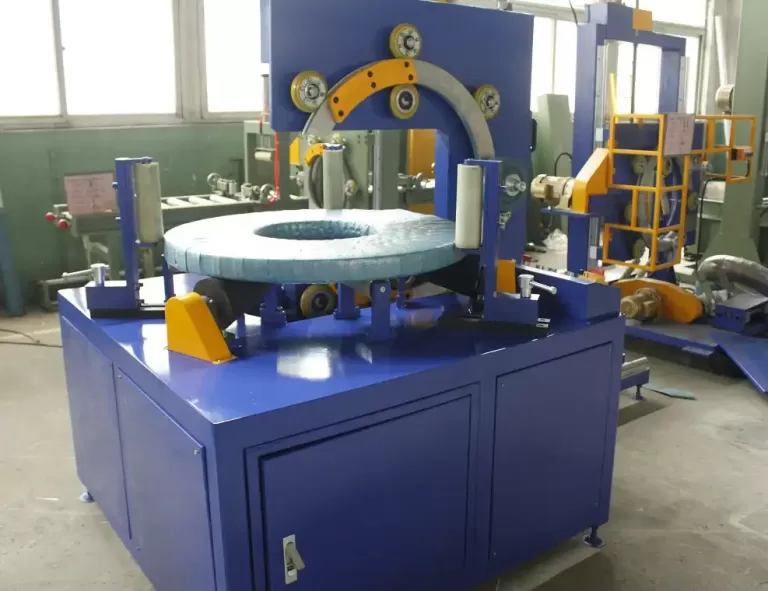
Coil packing machines are engineered to provide superior product protection by applying consistent and secure wrapping that shields coils from environmental factors and physical damage. Utilizing materials like stretch film, VCI film, or reinforced paper, these machines create a protective barrier against moisture, dust, scratches, and impacts. This enhanced protection minimizes damage during transportation and storage, reducing product waste from spoilage or defects and ensuring coils arrive in pristine condition.
-
Safeguarding Coil Integrity: A Multifaceted Approach to Protection
The protective capabilities of a coil packing machine extend beyond simple wrapping. These machines employ a range of features and techniques designed to ensure coils are safeguarded at every stage of the packaging and transit process.
-
Consistent Wrapping Tension: Unlike manual wrapping, which can be uneven, coil packing machines apply consistent tension throughout the wrapping process. This ensures a snug and secure wrap that prevents shifting and rubbing during transit, minimizing surface damage.
-
Multi-Layer Protection: Many coil packing machines can apply multiple layers of wrapping material, creating a robust protective shield. This layering can incorporate different types of films, such as VCI film for corrosion protection and stretch film for physical barrier protection, offering comprehensive defense against various threats.
-
Edge and Corner Protection: Coil edges and corners are particularly susceptible to damage. Advanced coil packing systems can incorporate edge protectors or reinforced wrapping techniques to provide extra cushioning and support in these vulnerable areas.
-
Weather Resistance: Depending on the wrapping materials used, coil packing machines can create weather-resistant packaging. This is crucial for coils stored outdoors or transported in open vehicles, protecting them from rain, snow, and humidity, which can lead to rust and corrosion.
-
Shock Absorption: Some advanced coil packing lines integrate cushioning mechanisms within the packaging process. These systems can absorb shocks and vibrations encountered during transit, further minimizing the risk of damage from rough handling or uneven road surfaces.
By implementing these multifaceted protective measures, coil packing machines drastically reduce the incidence of coil damage. This translates directly into reduced product waste, fewer returns and replacements, and ultimately, significant cost savings associated with preventing damage in the first place. The investment in a coil packing machine is an investment in preserving product quality and minimizing costly losses due to damage.
Realizing Cost Savings Across the Board
Beyond waste reduction, the financial benefits of a coil packing machine are substantial and multifaceted. From direct labor cost cuts to optimized material usage and minimized product damage, the savings can accumulate rapidly, delivering a strong return on investment. But how do these cost savings materialize in practice?
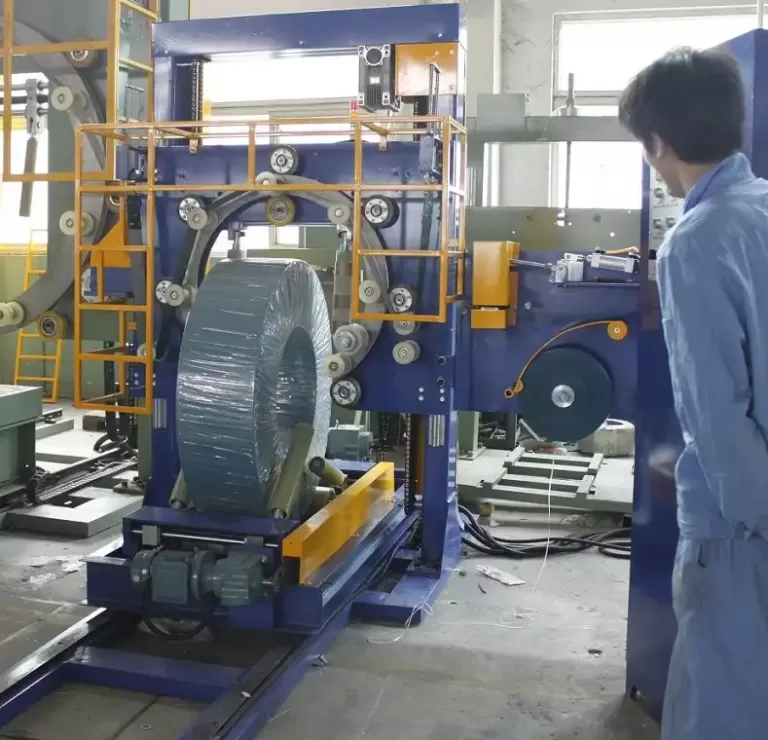
Implementing a coil packing machine leads to significant cost savings through several key avenues. Automation reduces labor costs by minimizing manual packaging requirements. Precise material application minimizes wrapping material waste. Enhanced product protection decreases expenses associated with damage, rework, and replacements. Improved efficiency translates to faster throughput and reduced downtime, further contributing to overall cost reduction and a more profitable operation.
Quantifying the Cost Benefits: A Detailed Breakdown
To fully grasp the cost-effectiveness of coil packing machines, it's essential to examine the specific areas where savings are realized and quantify these benefits where possible.
Labor Cost Reduction
As previously discussed, automation significantly reduces the need for manual labor in the packaging process. This translates directly into lower payroll expenses. Depending on the scale of operations and the previous manual packaging setup, labor cost reductions can range from 50% to 75% or even higher.
Material Cost Savings
Optimized material usage is another major source of cost savings. By precisely controlling the amount of wrapping material applied to each coil, coil packing machines eliminate the overage and waste often associated with manual wrapping. Material savings of 15% to 25% are commonly achievable.
Reduced Damage and Rework Costs
Preventing product damage is a crucial cost-saving factor. Damage to coils can lead to costly rework, repairs, or even complete product replacement. By significantly reducing damage during packaging, handling, and transit, coil packing machines minimize these expenses. The savings in this area can be substantial, particularly for high-value coil products.
Increased Throughput and Reduced Downtime
Improved efficiency and faster throughput mean more coils packaged per hour, day, or week. This increased productivity allows manufacturers to fulfill orders more quickly and potentially take on more business. Reduced downtime due to automated, reliable operation also contributes to cost savings by maximizing production time.
To illustrate the comprehensive cost benefits, consider the following comparative cost analysis:
| Cost Category | Manual Coil Packaging | Automated Coil Packing Machine | Potential Cost Reduction |
|---|---|---|---|
| Labor Costs (per year) | \$[X amount] | \$[0.25-0.5X amount] | 50-75% |
| Material Costs (per year) | \$[Y amount] | \$[0.75-0.85Y amount] | 15-25% |
| Damage/Rework Costs | \$[Z amount] | \$[0.1-0.25Z amount] | 75-90% |
| Downtime Costs | \$[W amount] | \$[0.2-0.4W amount] | 60-80% |
| Overall Cost Savings | Baseline | Significant Reduction (Potentially 30-60% or more) | 30-60%+ |
These figures are illustrative, and actual cost savings will vary depending on specific operational factors. However, the table highlights the potential for substantial cost reductions across multiple areas, demonstrating the strong financial justification for investing in a coil packing machine. The long-term cost benefits often far outweigh the initial investment, making it a strategically sound decision for manufacturers seeking to optimize their bottom line.
Enhancing Safety and Ensuring Compliance
Beyond efficiency, protection, and cost, coil packing machines contribute significantly to workplace safety and help manufacturers meet increasingly stringent industry compliance standards.
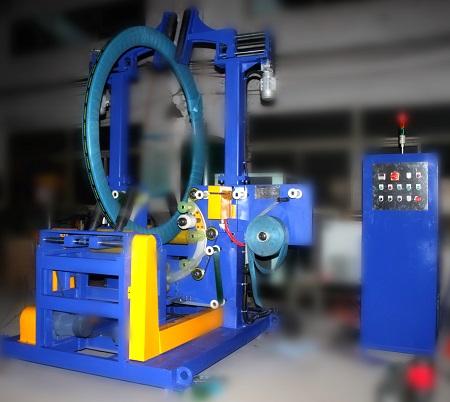
Coil packing machines are engineered with safety as a paramount design principle. They adhere rigorously to industry safety standards and regulations, ensuring coils are packaged and handled in a manner that significantly minimizes risks to workers and comprehensively meets all relevant safety requirements. By integrating a coil packing line, manufacturers not only streamline their operations but also demonstrably underscore their unwavering commitment to employee safety and responsible business practices, fostering a safer and more compliant working environment.
Conclusion
Investing in a coil packing machine represents a strategic move towards greater efficiency, reduced waste, and significant cost savings in coil packaging operations. From streamlining production to enhancing product protection and improving workplace safety, the benefits are clear and compelling. For manufacturers seeking to optimize their packaging processes and improve their bottom line, [wire packing automation]() offers a powerful and proven solution.