
Top 5 Industries Benefiting from Pallet Inverters
In the intricate ecosystem of global supply chains and manufacturing, the efficient movement and handling of goods are paramount. Pallets serve as the fundamental unit for transporting and storing materials, but the simple act of moving or replacing a pallet can present significant challenges. This is where the pallet inverter, also known as a pile turner, becomes an indispensable piece of equipment. Designed to lift, tilt, or invert loaded pallets quickly and safely, these machines address critical operational needs, from replacing damaged pallets without restacking the entire load to transferring goods between different types of pallets used for warehousing, production, or shipping. The global pallet inverter market reflects this growing importance, set to surpass a valuation of US$ 1.24 billion in 2023 and projected to reach US$ 1.87 billion by the end of 2033, expanding at a CAGR of 4.2%. This growth is fueled by their ability to streamline labor costs, reduce product damage, and enhance workplace safety across a multitude of sectors.
Essential for modern material handling, pallet inverters offer significant advantages across diverse industries, fundamentally improving workflow. Key sectors reaping substantial benefits include Logistics & Warehousing, Chemicals & Pharmaceuticals, Food & Beverage, Manufacturing, and Retail, driven by enhanced efficiency, reduced damage, improved safety, and cost savings in handling various palletized goods. These industries, dealing with high volumes, sensitive products, or complex logistical requirements, find pallet inverters to be a valuable investment for optimizing their operations.
The primary motivation behind utilizing a pallet inverter often stems from the need to swiftly replace a damaged or incorrectly placed pallet. Manually restacking an entire load is a tedious, time-consuming, and potentially hazardous task. A pallet inverter automates this, securing the load, tilting it, allowing access to the pallet for replacement, and then returning the stack to its original orientation. This capability alone drastically improves efficiency and reduces labor dependency. Beyond emergency pallet swaps, these machines are crucial for routine tasks such as transferring goods from in-house pallets (like those used in racking or hygiene-sensitive areas) to different types of pallets required for outgoing shipments (e.g., wood, expendable, slip sheets, customer-owned pallets).
The Operational Imperative: Why Pallet Inverters Matter
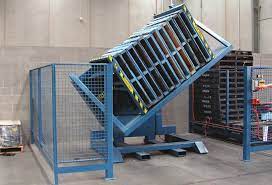
The benefits of integrating a pallet inverter into material handling operations extend far beyond simple pallet replacement. They represent a strategic investment that yields tangible improvements in productivity, safety, and profitability.
- Enhanced Efficiency: Pallet inverters drastically cut down the time required for tasks that would otherwise involve manual restacking. This allows trained personnel to focus on more skilled jobs, maximizing overall productivity. Automated models, in particular, can achieve fast cycle times, handling large quantities efficiently.
- Reduced Product Damage: Manual handling and forklift operations are common culprits for damaged goods and pallets. Pallet inverters provide a controlled, mechanical process for rotating or transferring loads, minimizing the risk of items shifting, falling, or being crushed.
- Improved Workplace Safety: By automating heavy lifting and awkward rotations, pallet inverters significantly reduce the potential for strains, sprains, and other injuries associated with manual material handling. This is a critical factor in industries dealing with heavy or hazardous loads. Safety features like automatic alarms, limit protections, and emergency locks further enhance the safety profile.
- Cost Optimization: The combination of reduced labor needs, minimized product damage (leading to less waste and fewer returns), and avoiding the costs associated with frequent manual restacking results in substantial cost savings over time. Pallet inverters also help manage pallet rental costs by facilitating the quick transfer of goods off rental pallets.
- Versatility and Flexibility: Modern pallet inverters are capable of handling a wide range of load types (from boxes and cartons to drums and bags) and various pallet types (wood, plastic, metal, slip sheets). Different models, such as single clamp, dual clamp (noted for their versatility), ground load, or forklift load, cater to diverse operational needs and space constraints. They can also function as load straighteners, making poorly stacked loads safer to handle.
While the initial investment may seem significant, the return on investment (ROI) from these combined benefits is well-substantiated, making pallet inverters a valuable asset for businesses aiming to optimize their supply chain and internal logistics.
The Top 5 Industries Driving Demand
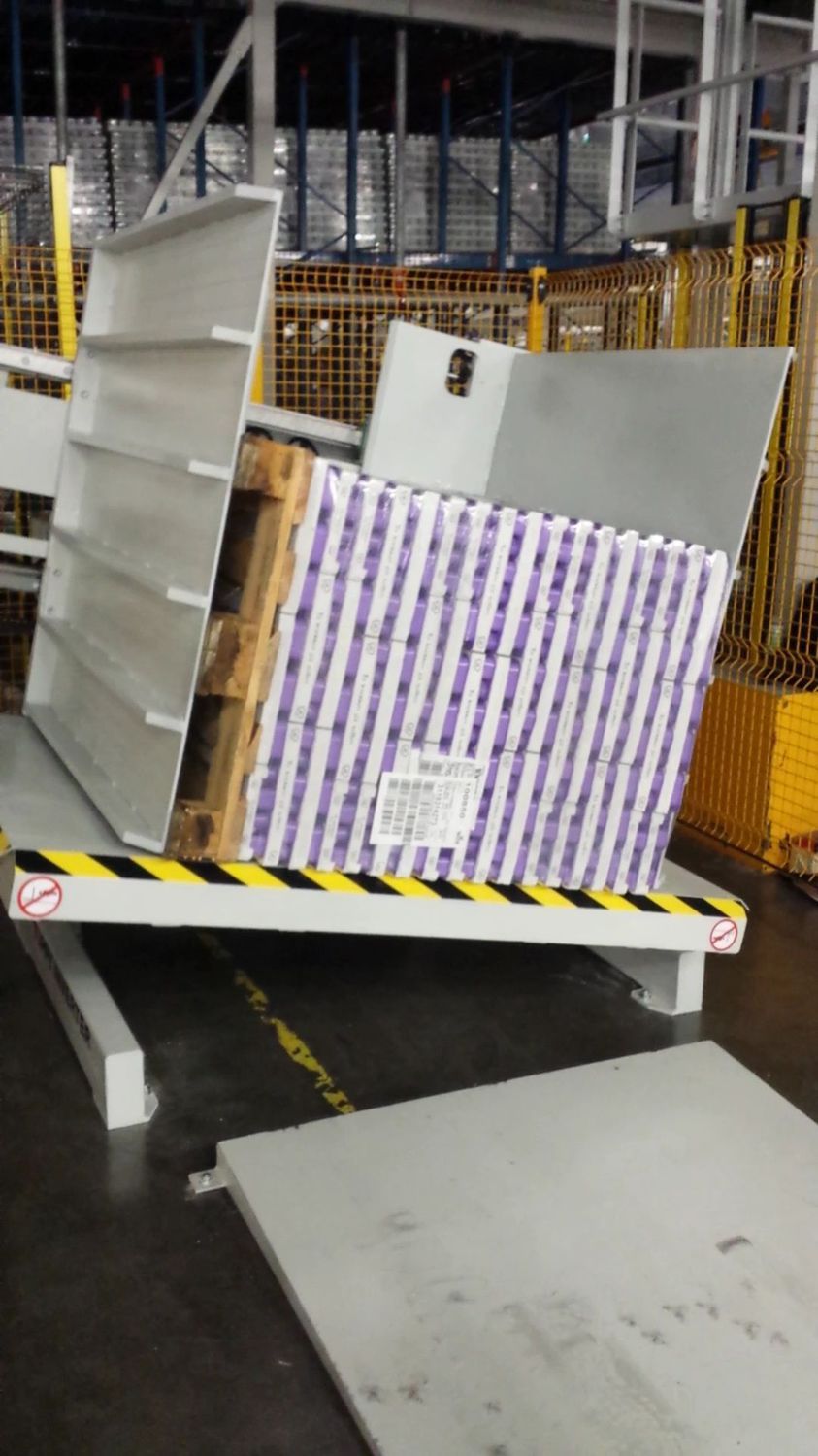
Based on their inherent needs and the specific advantages offered by pallet inverters, certain industries stand out as primary beneficiaries:
1. Logistics & Warehousing
As the heart of the supply chain, the logistics and warehousing industry relies heavily on efficient material handling. The increasing volume driven by e-commerce activities and the need for rapid, accurate movement of goods make pallet inverters essential. They facilitate seamless transfer of goods between different pallet types used for storage, order picking, and outbound shipping. They enable quick replacement of damaged pallets received from suppliers, ensuring goods can be moved into storage or processed without delay. The ability to handle diverse load types and integrate with forklift operations makes them highly compatible with standard warehouse workflows. This sector accounts for the largest share of the pallet inverter market, demonstrating their critical role.
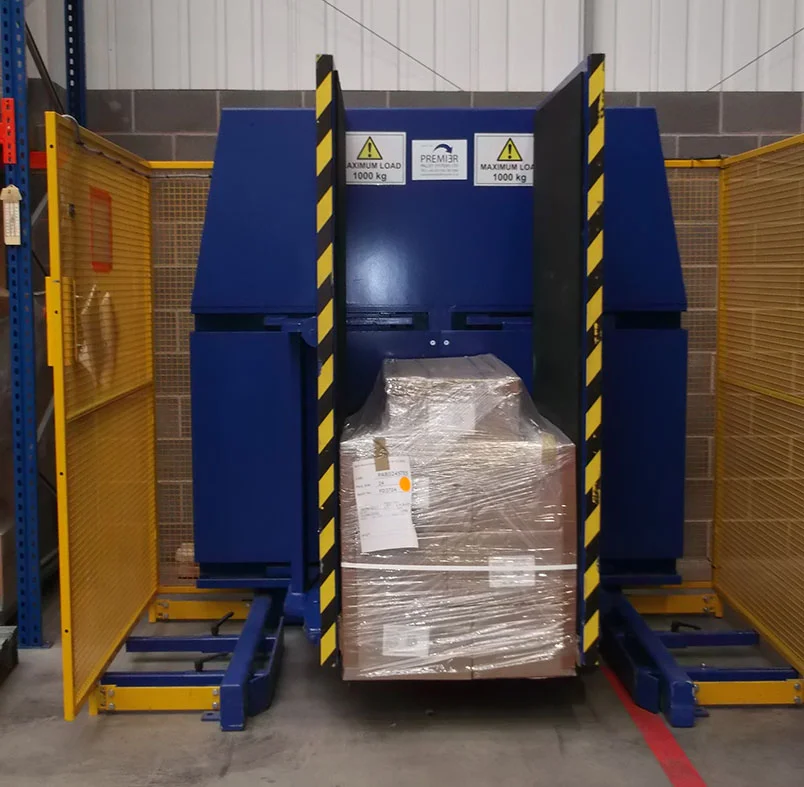
2. Chemicals & Pharmaceuticals
In industries dealing with potentially hazardous or highly sensitive materials, safety and product integrity are paramount. Pallet inverters provide a secure and controlled method for handling palletized loads, minimizing human exposure and the risk of spills or damage. They are crucial for ensuring compliance with strict quality control and safety regulations. The ability to transfer goods to or from specific pallet types required for cleanroom environments, hazardous material storage, or transportation is invaluable. Reducing manual handling is particularly important here to protect workers and prevent costly accidents.
3. Food & Beverage
Hygiene standards are exceptionally high in the food and beverage industry. Pallet inverters allow for the transfer of goods between different types of pallets based on their location in the supply chain – for example, moving goods from hygiene-sensitive plastic or aluminum pallets used in production or cold storage to standard wood pallets for distribution. They aid in quality control inspections, enabling easy access to loads. Minimizing product damage is critical for perishable goods, reducing waste and ensuring product quality reaching the consumer. The ability to handle various packaging formats also contributes to their utility in this diverse sector.
4. Manufacturing
Manufacturers utilize pallet inverters at various stages, from receiving raw materials to preparing finished goods for shipment. They are vital for efficiently rotating and handling large quantities of materials during or after the production process. This includes transferring components or finished products from production pallets to warehousing or shipping pallets. As automation increases in manufacturing facilities, integrating pallet inverters enhances the efficiency and speed of material flow, supporting higher volume production. The ability to handle heavy-duty loads and integrate into industrial processes makes them a key piece of equipment on the factory floor.
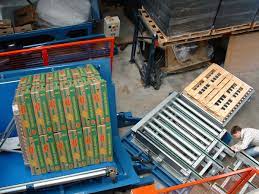
5. Retail & Consumer Goods
The retail sector, particularly with the growth of large distribution centers serving physical stores and online orders, benefits significantly from pallet inverters. They streamline the process of receiving goods from manufacturers on various pallet types and preparing them for internal handling or distribution. Pallet inverters reduce the time and effort required to consolidate loads or switch pallets for different transport methods. Minimizing damage during transit and handling is crucial for maintaining product presentation and reducing losses in this cost-sensitive industry. Efficient material flow contributes directly to faster stock replenishment and improved supply chain responsiveness.
Types and Safety: Key Considerations
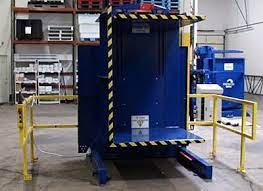
The versatility of pallet inverters is reflected in the range of models available. Single clamp and dual clamp designs offer varying levels of flexibility and clamping range, with dual clamp machines being particularly popular due to their ability to handle diverse load types and sizes and offer multiple loading options (ground level or forklift). Stationary models are ideal for dedicated handling areas, while automated systems offer higher throughput for high-volume operations. Specialized rotators, like 90-degree and 180-degree units, serve specific transfer and inversion needs.
Safety is a non-negotiable aspect of operating any material handling equipment. Pallet inverters are designed with numerous safety features, including safety gratings, multiple limit protections, mechanical limits, and automatic locks in case of power failure. However, operational safety depends heavily on proper procedures. Key safety tips include:
- Ensuring all operators receive thorough training and adhere strictly to operating procedures.
- Scheduling regular maintenance to keep equipment in optimal working condition.
- Reporting any malfunctions or problems immediately.
- Requiring all operators and personnel in the vicinity to wear appropriate Personal Protective Equipment (PPE), such as hard hats.
- Strictly enforcing clear clearance areas around the machine during operation.
- Cultivating a strong safety culture among all employees, emphasizing the importance of workplace safety.
By adhering to these principles, businesses can maximize the safety benefits offered by pallet inverters.
Conclusion
Pallet inverters are more than just machines for flipping loads; they are essential tools that drive efficiency, reduce costs, and significantly improve safety across a wide spectrum of industries. From the demanding environments of logistics and manufacturing to the stringent requirements of the chemical, pharmaceutical, and food sectors, and the high volume needs of retail, pallet inverters streamline critical material handling tasks. By enabling quick pallet changes, minimizing product damage, and reducing reliance on manual labor, they offer a compelling return on investment. As industries continue to seek ways to optimize their supply chains and enhance operational performance, the role of the versatile and reliable pallet inverter will only continue to grow.