
Are you tired of slow, inconsistent mold handling processes? Imagine boosting productivity, enhancing safety, and slashing downtime, all while streamlining your manufacturing operations. The shift from manual to automated mold upenders is not just a trend; it's a game-changer.
Upgrading from manual to automated mold upenders enhances manufacturing efficiency by reducing manual labor, minimizing the risk of workplace injuries, and accelerating mold turnover. Automation provides consistent and precise control, leading to higher productivity and improved safety in mold handling processes.
This transformative journey isn't just about replacing old with new; it's about embracing a smarter, more efficient future. Read on to discover how automated mold upenders can revolutionize your production line!
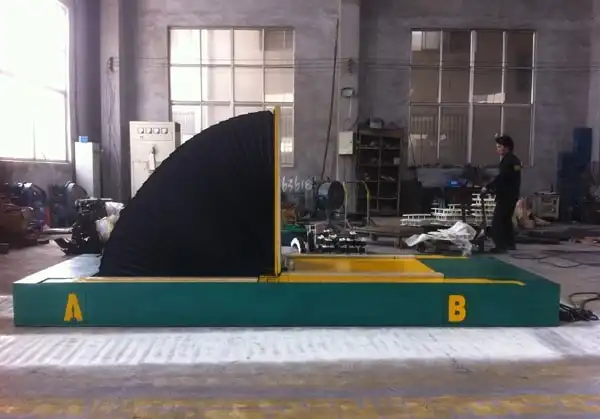
The Limitations of Manual Mold Handling
Manual mold handling is a traditional approach, but it presents several limitations in today's fast-paced manufacturing environment. Identifying these drawbacks is the first step towards understanding the benefits of automation.
Manual mold handling is characterized by slow operation, high labor costs, potential safety hazards, and inconsistent quality. This method relies heavily on human effort, making it prone to errors and inefficiencies that can significantly impact productivity and profitability.
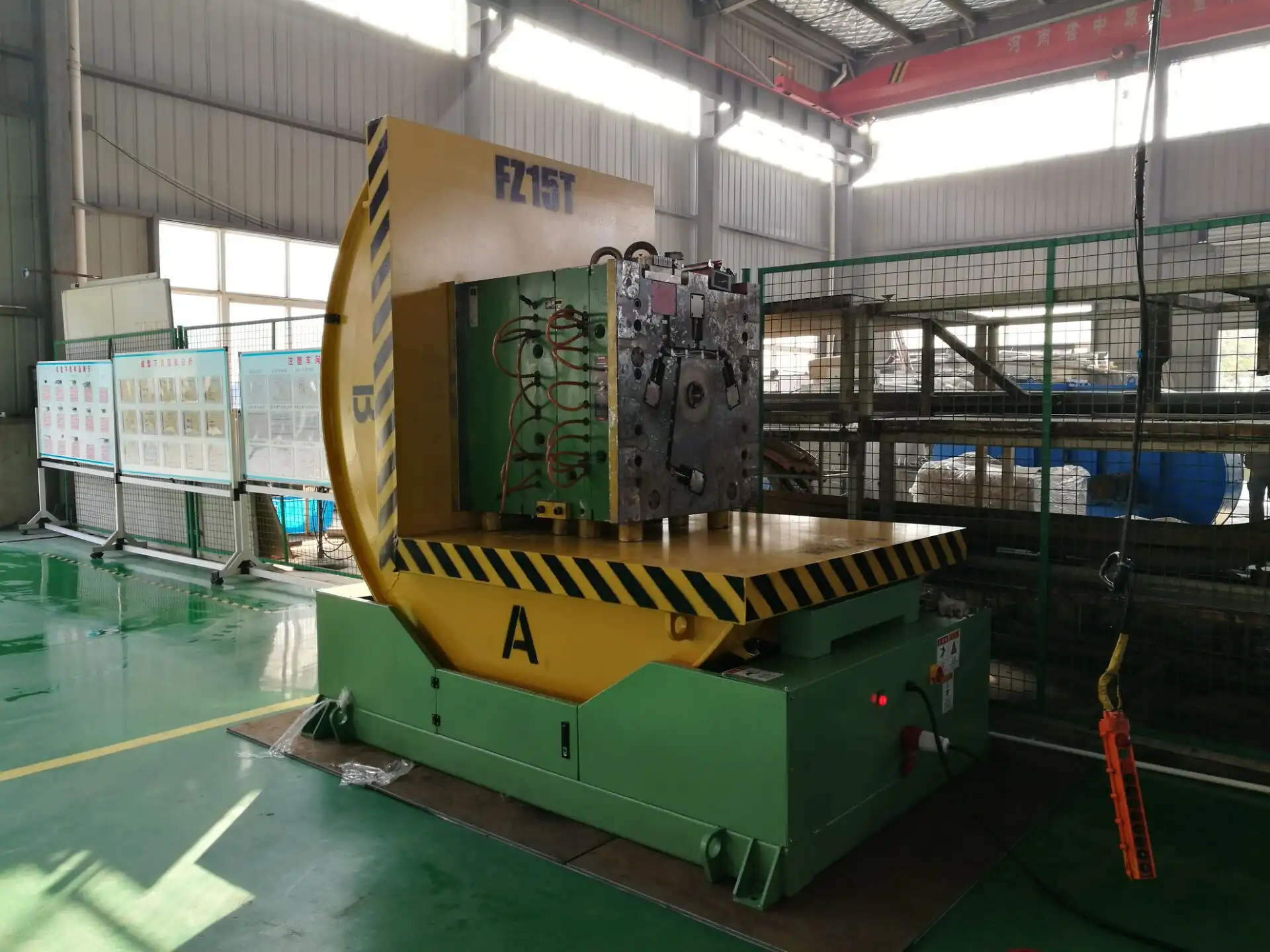
Diving Deeper: Why Manual Handling Falls Short
While manual mold handling might seem straightforward, a closer look reveals numerous challenges that hinder modern manufacturing operations. These limitations range from safety concerns to operational inefficiencies and inconsistencies in product quality.
Safety Risks
One of the most significant drawbacks of manual mold handling is the risk of workplace injuries. Manually lifting, tilting, and moving heavy molds can lead to strains, sprains, and other musculoskeletal disorders. The risk is even higher in facilities where proper lifting equipment is lacking or poorly maintained. Automated mold upenders eliminate much of this risk by handling heavy loads with precision and control, significantly reducing the potential for accidents.
Inefficiency and Slow Turnover
Manual mold handling is inherently slower than automated processes. Each mold changeover requires significant time and effort, as workers must physically move and position the molds using manual tools. This slow turnover rate reduces the overall productivity of the manufacturing line. Automated mold upenders can drastically reduce changeover times, allowing for more frequent and efficient production cycles.
Inconsistent Quality
The consistency of mold handling directly impacts the quality of the final product. Manual handling is prone to human error, leading to inconsistent mold alignment and potential damage to the molds themselves. Automated systems, on the other hand, ensure precise and repeatable mold positioning, contributing to higher product quality and reduced waste.
High Labor Costs
Relying on manual labor for mold handling incurs significant costs in terms of wages, benefits, and training. Moreover, the need for multiple workers to handle heavy molds further increases labor expenses. Automated mold upenders reduce the need for manual labor, lowering operational costs and freeing up resources for other critical areas of the business.
Data Collection and Analysis Limitations
Manual processes make it difficult to collect and analyze data related to mold handling efficiency. Without real-time data on changeover times, mold maintenance schedules, and other key metrics, it’s challenging to identify areas for improvement and optimize operations. Automated mold upenders can be integrated with data logging and analytics systems, providing valuable insights that can be used to enhance productivity and reduce downtime.
To illustrate these points, consider the following comparison:
| Feature | Manual Mold Handling | Automated Mold Upenders |
|---|---|---|
| Safety | High risk of injury | Significantly reduced risk of injury |
| Efficiency | Slow turnover rate | Fast turnover rate |
| Consistency | Prone to human error | Precise and repeatable positioning |
| Labor Costs | High | Lower |
| Data Collection | Limited | Extensive |
As this table demonstrates, automated mold upenders offer clear advantages over manual handling in terms of safety, efficiency, consistency, labor costs, and data collection. By understanding these limitations, manufacturers can make informed decisions about upgrading to automated solutions and unlocking the full potential of their production lines.
Benefits of Automation Upgrade
Upgrading to automated mold upenders brings a wealth of benefits that extend far beyond simply replacing manual labor. It's about enhancing every aspect of the mold handling process, from safety and efficiency to quality and cost-effectiveness.
Automated mold upenders significantly improve safety by reducing manual handling, enhance efficiency through faster changeovers, ensure consistent quality with precise control, and lower operational costs by minimizing labor requirements.
-Diving Deeper: The Tangible Advantages of Automated Mold Upenders
Automated mold upenders offer a transformative solution for manufacturers seeking to optimize their mold handling processes. The shift from manual to automated systems delivers several significant advantages, enhancing overall productivity, safety, and cost-effectiveness.
Increased Efficiency and Faster Changeovers
Automated mold upenders drastically reduce the time required for mold changeovers. These systems can quickly and accurately tilt, rotate, and position molds, minimizing downtime and allowing for more frequent production cycles.
Enhanced Safety and Reduced Risk of Injury
By eliminating the need for manual lifting and handling of heavy molds, automated systems significantly reduce the risk of workplace injuries. This is particularly important in environments where workers are exposed to repetitive strain injuries and other musculoskeletal disorders.
Improved Product Quality and Consistency
Automated mold upenders ensure precise and repeatable mold positioning, which contributes to higher product quality and consistency. These systems eliminate the variability associated with manual handling, reducing the potential for errors and defects.
Lower Labor Costs and Operational Expenses
Automated systems reduce the need for manual labor, lowering operational costs and freeing up resources for other critical areas of the business. While the initial investment in automation may be higher, the long-term savings in labor costs can quickly offset the upfront expenses.
Key Features of Modern Mold Upenders
Modern mold upenders are packed with features designed to optimize mold handling processes. Understanding these features is essential for selecting the right system for your specific needs.
Modern mold upenders often include hydraulic tilting mechanisms, remote controls, safety interlocks, and customizable designs. These features enhance precision, safety, and ease of use, making mold handling more efficient and reliable.
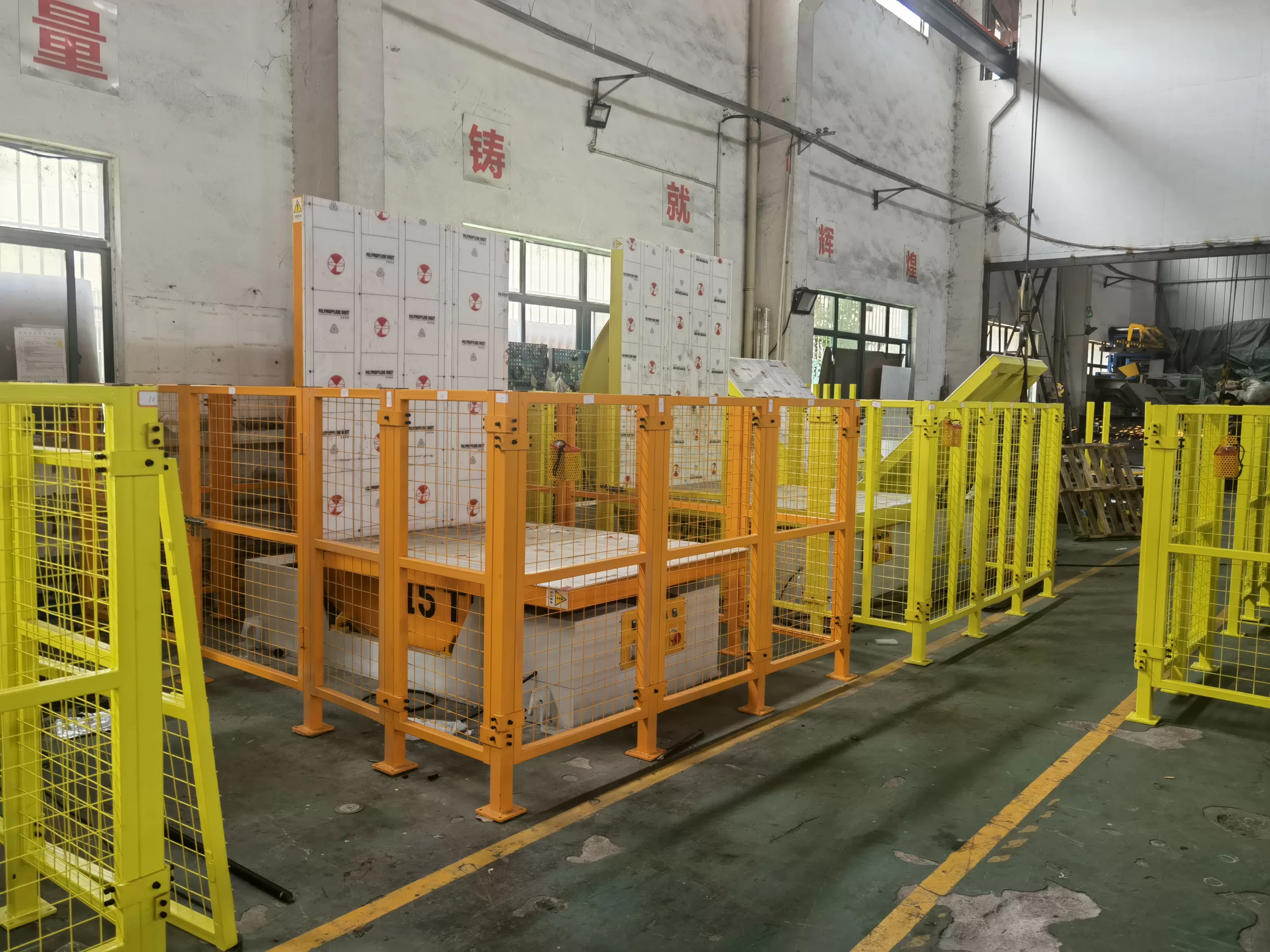
-Technical Deep Dive: Exploring the Core Components of Automated Mold Upenders
Automated mold upenders are sophisticated pieces of machinery that rely on a combination of mechanical, hydraulic, and electronic components to provide precise and reliable mold handling. Understanding the key features of these systems is crucial for selecting the right model and ensuring optimal performance.
Hydraulic System
The hydraulic system is the heart of most modern mold upenders, providing the power needed to lift, tilt, and rotate heavy molds. This system typically includes a hydraulic pump, cylinders, valves, and hoses, all carefully designed and calibrated to deliver smooth and controlled movements. The hydraulic system also incorporates safety features such as pressure relief valves and overload protection to prevent damage and ensure safe operation.
Control System
The control system is the brain of the mold upender, coordinating all movements and functions. Modern control systems often use Programmable Logic Controllers (PLCs) to provide precise and automated control. These PLCs can be programmed to execute complex sequences, monitor system parameters, and respond to feedback from sensors and safety devices. The control system may also include a Human-Machine Interface (HMI) that allows operators to easily monitor and control the system.
Safety Features
Safety is a paramount concern in mold handling, and modern mold upenders are equipped with a range of safety features to protect operators and prevent accidents. These features may include:
- Emergency Stop Buttons: Strategically placed emergency stop buttons allow operators to quickly halt the system in case of a malfunction or hazard.
- Light Curtains: Light curtains create a safety zone around the machine, automatically stopping the system if an operator enters the zone.
- Safety Interlocks: Safety interlocks prevent the machine from operating if safety guards or doors are open.
- Overload Protection: Overload protection prevents the system from lifting loads that exceed its capacity, preventing damage and ensuring safe operation.
To further illustrate the key components and features of modern mold upenders, consider the following table:
| Component | Description |
|---|---|
| Hydraulic System | Provides the power to lift, tilt, and rotate heavy molds. Includes pump, cylinders, valves, and hoses. |
| Control System | Coordinates all movements and functions. Often uses PLCs for precise control and includes an HMI for operator interface. |
| Safety Features | Emergency stop buttons, light curtains, safety interlocks, and overload protection to protect operators and prevent accidents. |
| Tilting Mechanism | Allows for controlled tilting of molds to facilitate maintenance, repair, or repositioning. |
| Rotating Platform | Enables rotation of molds to access different sides or orientations. |
| Load Capacity | The maximum weight the mold upender can safely handle. |
Case Studies: Success Stories of Automated Mold Handling
Examining real-world examples of companies that have successfully implemented automated mold upenders can provide valuable insights and inspiration. These case studies demonstrate the tangible benefits of automation and offer a glimpse into the future of mold handling.
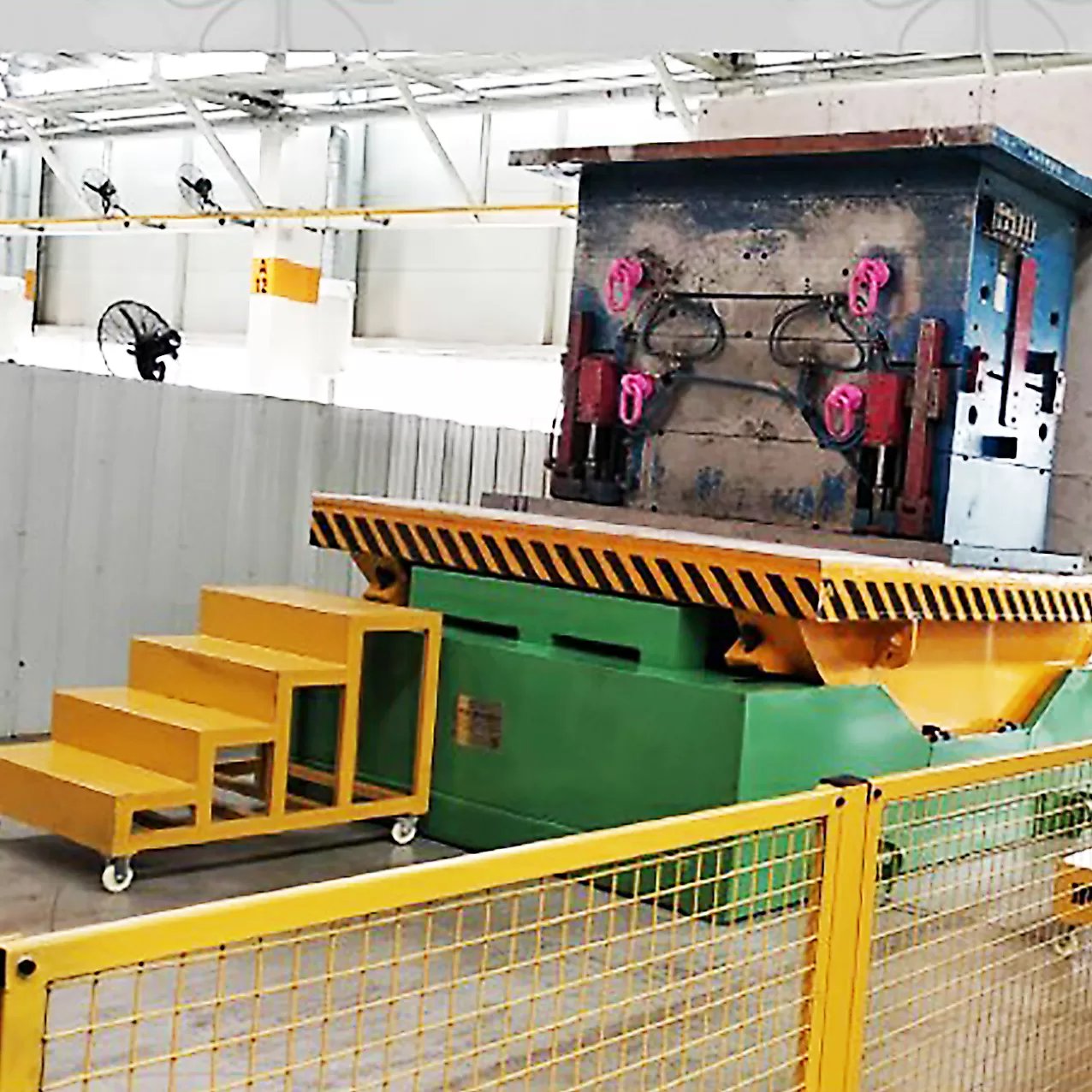
Implementing automation in mold handling leads to a significant reduction in mold damage, minimizes manual handling of heavy molds, and reduces mold changing time by 50%, resulting in higher overall efficiency.
One notable example is a large automotive component manufacturer that struggled with frequent mold damage and lengthy changeover times. By investing in an automated mold upender, the company was able to streamline its operations and achieve remarkable results.The benefits included.
- A 60% reduction in mold damage due to improper handling.
- Minimized manual handling of heavy molds, resulting in a safer work environment.
- Reduced mold changing time by 50%, leading to higher overall efficiency.
- The project’s ROI was less than one year due to savings in labor costs, mold repair expenses, and production efficiency.
The success stories highlight the transformative potential of automation in mold handling. While each manufacturer's specific needs and challenges may vary, the underlying principles remain the same.
Conclusion
Upgrading to automated mold upenders represents a strategic investment in the future of manufacturing. By addressing the limitations of manual handling and embracing the advantages of automation, companies can unlock significant gains in safety, efficiency, and profitability. As technology continues to evolve, the possibilities for further optimization and innovation in mold handling are virtually limitless. Embracing automation upgrade is no longer a choice but a necessity for manufacturers seeking to thrive in today's competitive landscape.