
Are you tired of seeing your foundry's profits eaten away by inefficient mold handling? Imagine slashing operational costs while boosting productivity. A mold upender might be the game-changer you've been searching for. Intrigued? Keep reading to discover how one foundry did it!
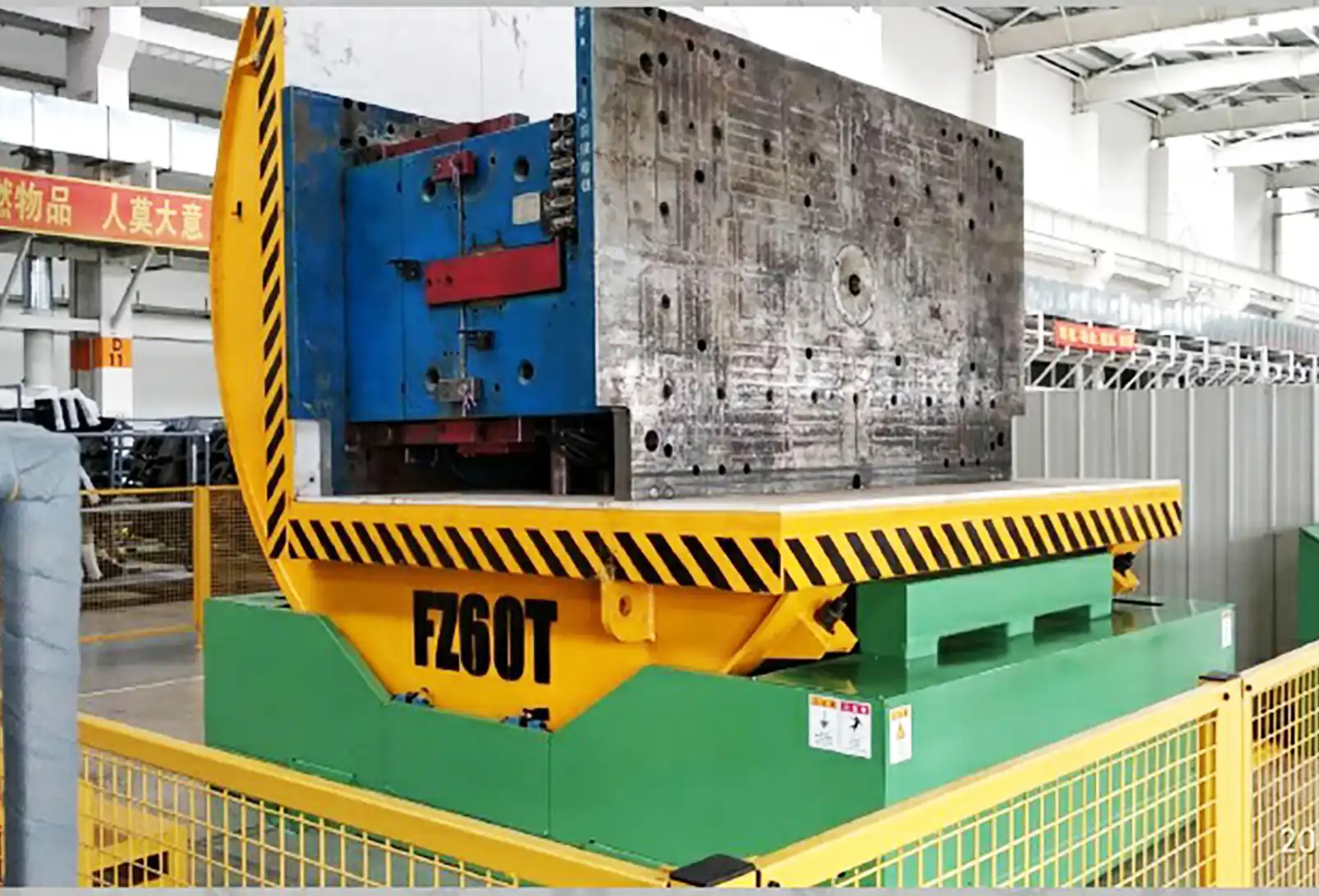
Mold upenders offer a significant return on investment for foundries by reducing labor costs, minimizing mold damage, and improving overall operational efficiency. By automating the mold handling process, foundries can experience faster turnaround times, enhanced safety, and a streamlined workflow, ultimately leading to substantial cost savings and increased profitability.
Ready to transform your foundry's operations and unlock significant cost savings? This article dives deep into how mold upenders can revolutionize your workflow, boost your ROI, and help you stay ahead in a competitive market. Let's explore the strategies and real-world examples that prove the power of this game-changing equipment.
The ROI of Mold Upenders: An Overview
Can mold upenders truly deliver the ROI they promise? They offer benefits like reduced labor, minimized damage, and faster turnaround. But how do these advantages translate into tangible cost savings and a clear return on investment for your foundry?
Mold upenders provide a compelling ROI by automating the labor-intensive task of flipping and positioning heavy molds. This not only reduces the risk of worker injuries and associated costs but also speeds up the mold handling process. Furthermore, minimizing mold damage through controlled and precise movements contributes to substantial savings in repair and replacement expenses, enhancing overall profitability.
Dive Deeper: Unpacking the Cost-Saving Potential
To truly understand the ROI of mold upenders, it's crucial to dissect the various areas where they can drive cost savings and operational improvements. Let's break down the key elements:
1. Labor Cost Reduction
Manual mold handling is a labor-intensive and time-consuming process. Mold upenders automate this task, freeing up valuable personnel for other critical operations. The savings here are substantial. Consider this example:
| Scenario | Manual Handling (per shift) | Upender Automation (per shift) | Savings (per shift) |
|---|---|---|---|
| Laborers Required | 4 | 1 | 3 |
| Average Hourly Wage | $25 | $25 | - |
| Total Labor Cost | $800 | $200 | $600 |
| Shifts per Year | 250 | 250 | - |
| Annual Labor Savings | $200,000 | $50,000 | $150,000 |
This table illustrates a clear reduction in labor costs by automating the mold handling process. Over time, these savings can significantly impact your bottom line.
2. Damage Reduction
Manual handling of heavy molds poses a significant risk of damage. Accidental drops, collisions, and improper positioning can lead to costly repairs or even complete mold replacements. Mold upenders offer controlled and precise movements, minimizing these risks. Let's compare the damage rates:
| Metric | Manual Handling | Upender Automation | Improvement |
|---|---|---|---|
| Mold Damage Incidents/Year | 10 | 2 | 80% |
| Average Repair Cost/Incident | $5,000 | $5,000 | - |
| Total Annual Damage Cost | $50,000 | $10,000 | $40,000 |
The reduced damage rate translates directly into significant cost savings, extending the lifespan of your molds and reducing unexpected repair expenses.
3. Productivity Gains
Mold upenders can significantly improve the speed and efficiency of your mold handling process, leading to increased productivity and faster turnaround times. Consider this scenario:
| Process Step | Manual Handling Time | Upender Automation Time | Time Savings |
|---|---|---|---|
| Mold Flipping | 15 minutes | 5 minutes | 10 minutes |
| Mold Positioning | 10 minutes | 3 minutes | 7 minutes |
| Total Time/Mold | 25 minutes | 8 minutes | 17 minutes |
| Molds Processed/Shift | 15 | 45 | 30 |
| Productivity Increase | - | - | 200% |
By streamlining the mold handling process, upenders enable you to process more molds per shift, leading to increased throughput and revenue generation.
Case Study: Foundry X's Success with Mold Upenders
Foundry X, a mid-sized metal casting facility, struggled with inefficient mold handling processes. Manual lifting and flipping of heavy molds led to frequent worker injuries, mold damage, and production delays. They decided to invest in mold upenders to address these challenges.
Foundry X experienced a significant ROI after implementing mold upenders. They reduced labor costs by 50%, decreased mold damage by 75%, and increased production output by 40%. This translated into annual savings of $250,000 and a payback period of just 1.5 years.
Real-World Results: The Impact on Operational Efficiency
The case of Foundry X highlights the transformative potential of mold upenders. Let's delve into the specific benefits they experienced:
- Improved Safety: By eliminating manual lifting, the foundry significantly reduced the risk of worker injuries, leading to a safer and more productive work environment.
- Reduced Downtime: The decrease in mold damage minimized production downtime, allowing the foundry to meet deadlines and fulfill orders more efficiently.
- Enhanced Quality: Precise mold positioning ensured consistent casting quality, reducing the need for rework and scrap.
- Increased Profitability: The combination of reduced costs and increased production output resulted in a substantial boost to the foundry's bottom line.
Choosing the Right Mold Upender for Your Foundry
Selecting the appropriate mold upender is crucial for maximizing its ROI. Factors to consider include mold size and weight, available floor space, and specific operational requirements.
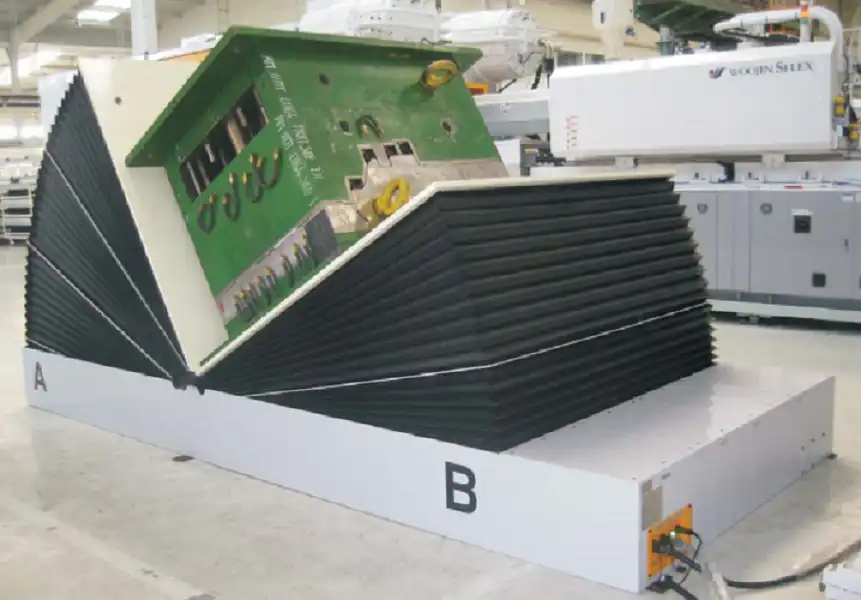
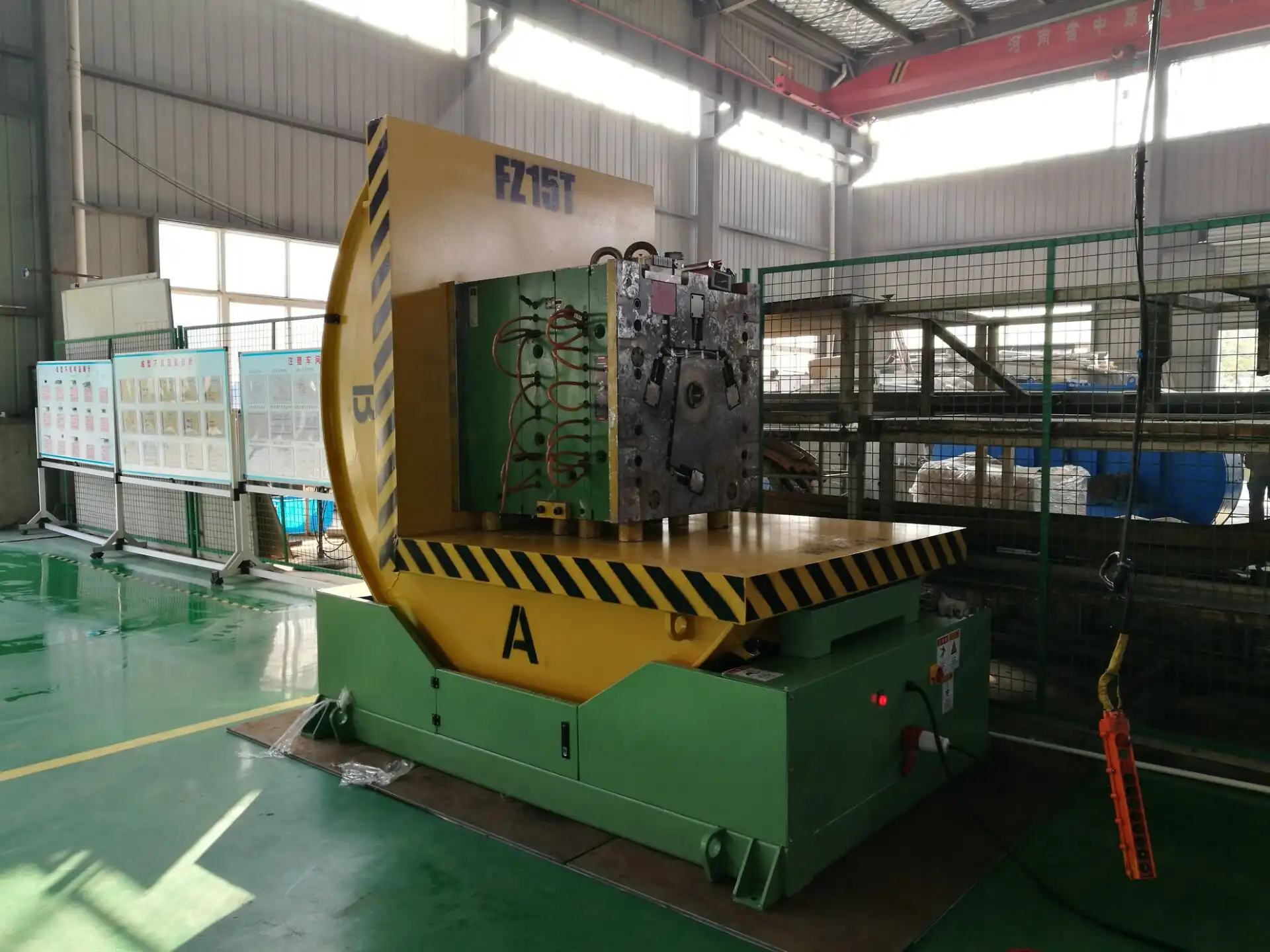
To choose the right mold upender, assess your foundry's specific needs, including mold size and weight capacity, available space, and desired level of automation. Consider features like adjustable tilting angles, remote control operation, and safety mechanisms. Consulting with a reputable equipment supplier is crucial to ensure you select a model that aligns with your foundry's unique workflow and budget.
Technical Considerations: Optimizing Performance
Let's explore some key technical aspects to ensure you choose the best upender for your specific application.
1. Capacity and Size
It's critical to choose an upender with adequate capacity for your molds. Overloading can lead to equipment failure and safety hazards.
| Feature | Consideration |
|---|---|
| Weight Capacity | Ensure it exceeds the heaviest mold weight |
| Size/Dimensions | Fits within available floor space |
2. Tilting Angle
Consider the required tilting angle for your process. Some upenders offer adjustable tilting, providing greater flexibility.
| Angle Type | Application |
|---|---|
| 90-degree tilting | For simple flipping operations |
| 180-degree tilting | For complete mold inversion |
3. Safety Features
Prioritize safety features to protect workers and prevent accidents.
| Safety Feature | Benefit |
|---|---|
| Emergency Stop | Immediate shutdown in critical situations |
| Safety Guards | Prevent accidental contact with moving parts |
Integrating Mold Upenders into Your Existing Workflow
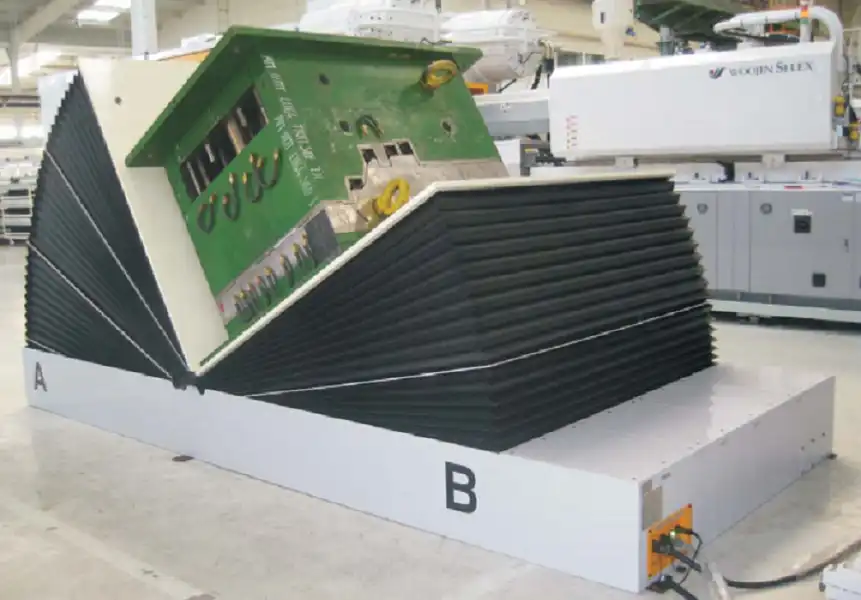
Successfully integrating mold upenders into your foundry requires careful planning and execution. Consider workflow optimization, operator training, and maintenance protocols.
Integrating mold upenders involves assessing your current workflow, providing comprehensive operator training, and establishing a preventive maintenance schedule. Optimize the upender's placement within the production line to minimize material handling and ensure a smooth transition. Regular maintenance, including lubrication and inspections, will prolong the upender's lifespan and maximize its ROI.
Mold upenders improve productivity, reduce costs and damage. By providing comprehensive operator training, workers are empowered to operate the equipment safely and efficiently, improving overall productivity.
Conclusion
Investing in mold upenders can significantly improve your foundry's Foundry. By carefully evaluating your needs and selecting the right equipment, you can achieve a substantial return on investment and position your business for long-term success.