
Is unplanned downtime crippling your automotive parts production? Imagine slashing downtime by 40% and significantly boosting operational efficiency. This case study reveals how one automotive supplier leveraged mold upenders to achieve just that, transforming their manufacturing process and gaining a competitive edge.
Mold upenders significantly reduce downtime in automotive manufacturing by streamlining mold handling, minimizing manual labor, and preventing damage to expensive tooling. This results in faster mold changes, improved worker safety, and a substantial increase in overall production efficiency.
Ready to unlock similar gains in your own automotive facility? Dive into the details of this transformative case study and discover how the strategic implementation of mold upenders can revolutionize your operations.
The Downtime Dilemma in Automotive Manufacturing
Automotive suppliers face relentless pressure to optimize production and minimize costs. Unplanned downtime, a major productivity killer, disrupts workflows and erodes profitability.
Unplanned downtime in automotive manufacturing refers to any unexpected interruption to production caused by equipment failure, material shortages, or other unforeseen issues. It leads to lost production time, increased labor costs, and delayed customer orders, ultimately impacting the bottom line.

Dive Deeper: Unpacking the Hidden Costs of Downtime
Downtime isn't just about lost production hours; it triggers a cascade of direct and indirect costs that can severely impact an automotive supplier's financial health. Let's break down these hidden costs:
Direct Costs: Obvious and Immediate
- Lost Production: Every minute of downtime translates directly into fewer parts produced, reducing overall output and revenue.
- Labor Costs: Idle workers still need to be paid, even when machines are down. This unproductive labor inflates operational expenses.
- Repair Costs: Emergency repairs often require expensive parts and specialized technicians, adding to the financial burden.
- Overtime Costs: To catch up on missed production targets, manufacturers often resort to overtime, further increasing labor costs.
Indirect Costs: The Ripple Effect
- Delayed Shipments: Downtime disrupts the entire supply chain, leading to late deliveries and dissatisfied customers.
- Damaged Reputation: Consistent delays can erode customer trust and damage the supplier's reputation in the market.
- Increased Inventory Costs: To buffer against potential disruptions, companies may increase inventory levels, tying up capital.
- Reduced Quality: Rushed production to compensate for lost time can lead to errors and defects, impacting product quality.
Quantifying the Impact: A Hypothetical Scenario
To illustrate the true cost of downtime, consider the following scenario:
| Cost Category | Amount per Downtime Incident |
|---|---|
| Lost Production | \$5,000 |
| Idle Labor | \$2,000 |
| Repair Costs | \$1,000 |
| Overtime | \$500 |
| Delayed Shipments | \$500 |
| Total Cost | \$9,000 |
If a company experiences just two downtime incidents per week, the annual cost can reach a staggering \$936,000. By reducing downtime, manufacturers can unlock significant cost savings and improve their overall profitability.
Addressing the Root Causes
Combating downtime requires a multi-faceted approach. Identifying and addressing the root causes of equipment failure is crucial. Implementing a preventive maintenance program, investing in employee training, and leveraging technology to monitor machine performance can significantly reduce the frequency and duration of downtime incidents.
By understanding the true cost of downtime and taking proactive steps to mitigate its impact, automotive suppliers can improve their operational efficiency, enhance customer satisfaction, and achieve sustainable growth.
Mold Upenders: A Game Changer for Mold Handling
Traditional mold handling methods are often cumbersome, time-consuming, and pose safety risks to workers. Mold upenders offer a modern solution, streamlining the process and improving overall efficiency.
Mold upenders are specialized machines designed to safely and efficiently rotate and position heavy molds, dies, and tooling. They eliminate the need for manual lifting and maneuvering, reducing the risk of injury and speeding up mold changeover times.
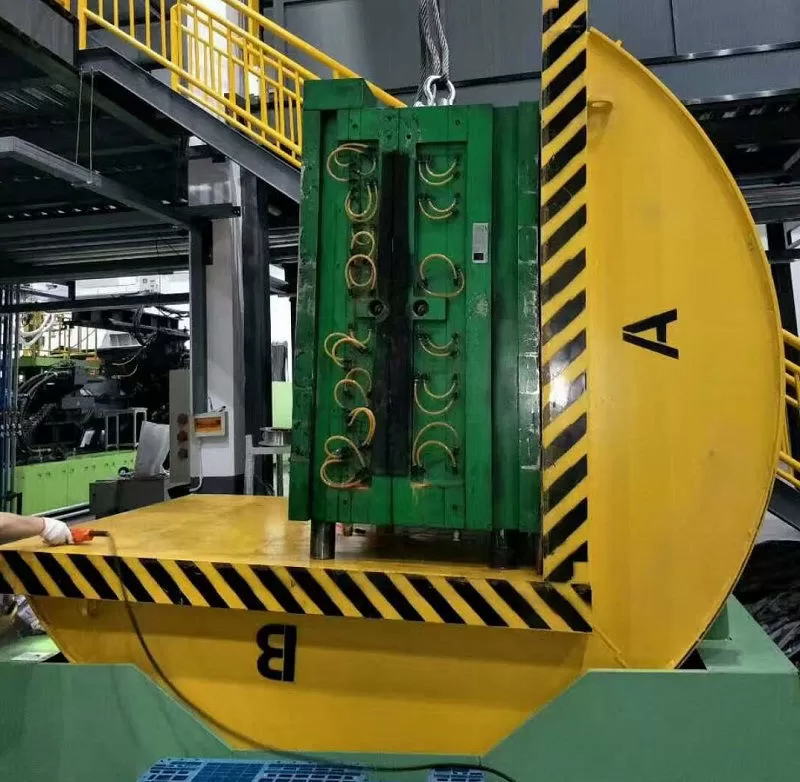
Transforming Operations: The Benefits of Mold Upenders
Investing in mold upenders can yield a wide range of benefits for automotive suppliers:
- Reduced Downtime: Faster mold changes translate directly into less downtime and increased production capacity.
- Improved Safety: Eliminating manual lifting reduces the risk of musculoskeletal injuries and promotes a safer working environment.
- Increased Efficiency: Streamlined mold handling improves workflow and allows workers to focus on other critical tasks.
- Reduced Mold Damage: Controlled rotation and positioning minimizes the risk of accidental damage to expensive molds.
- Enhanced Ergonomics: Upenders improve worker ergonomics, reducing fatigue and increasing productivity.
The Case Study: 40% Downtime Reduction Achieved
One leading automotive supplier faced significant challenges with mold handling, resulting in frequent downtime and safety concerns. By implementing mold upenders, they achieved a remarkable 40% reduction in downtime.
This automotive supplier successfully reduced downtime by 40% by integrating mold upenders into their mold changeover process. The upenders streamlined mold handling, minimized manual labor, and improved worker safety, resulting in significant gains in operational efficiency.
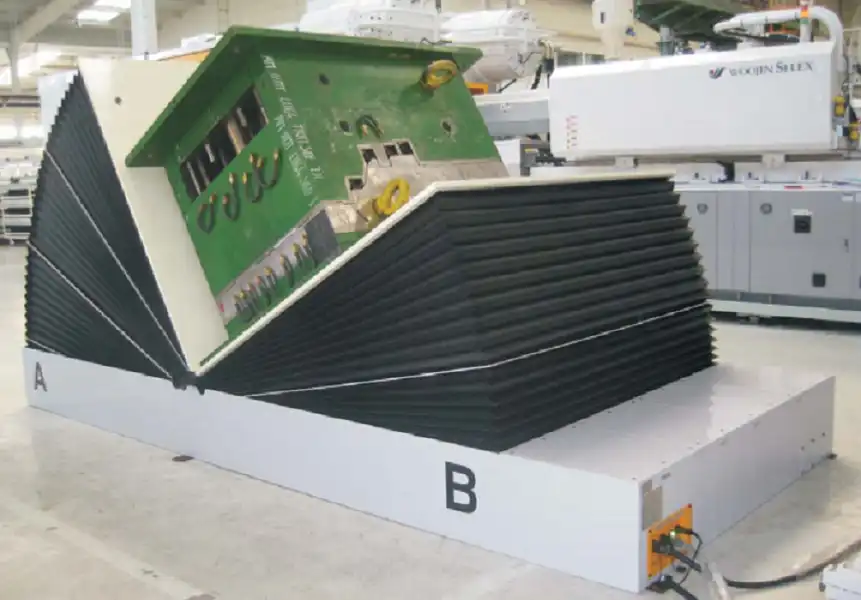
Unpacking the Success: Key Implementation Strategies
The supplier's success stemmed from a well-planned and executed implementation strategy:
Understanding the specific needs
The supplier conducted a thorough assessment of their mold handling process to identify pain points and areas for improvement.
Selecting the Right Equipment
They carefully selected mold upenders that were compatible with their mold sizes and weights, and that met their specific operational requirements.
Investing in training
They provided comprehensive training to their workers on the safe and efficient operation of the new equipment.
Optimizing workflow
They optimized the mold changeover process to take full advantage of the upenders' capabilities.
Monitoring performance
They closely monitored the impact of the upenders on downtime, safety, and productivity, making adjustments as needed.
By following these steps, the supplier was able to achieve a dramatic reduction in downtime and improve their overall operational efficiency.
| Metric | Before Upender | After Upender | Improvement |
|---|---|---|---|
| Downtime (hours/week) | 25 | 15 | 40% |
| Mold Changeover Time (minutes) | 60 | 30 | 50% |
| Injury Rate (per 100 workers) | 5 | 1 | 80% |
This data clearly demonstrates the significant positive impact of mold upenders on the supplier's operations. The reduction in downtime, faster mold changeover times, and improved safety all contributed to increased productivity and profitability.
Choosing the Right Mold Upender for Your Needs
Selecting the right mold upender is crucial for maximizing its benefits. Consider factors such as mold size and weight, lifting capacity, rotation angle, and safety features.
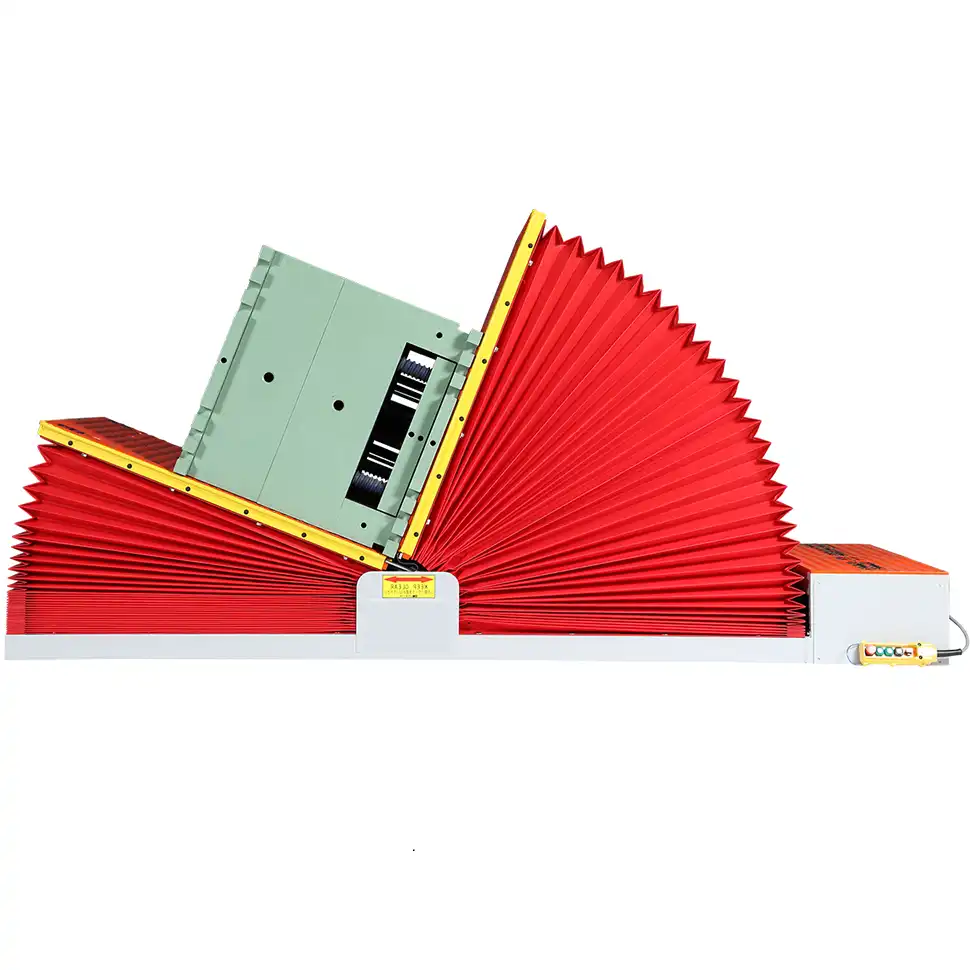
The ideal mold upender depends on specific operational needs. Consider mold size and weight capacity, ease of integration with existing systems, safety features, and the level of automation required to optimize the mold handling process.
Several manufacturers offer a wide range of mold upenders to suit different applications and budgets. Researching different models and comparing their features is essential for making an informed decision. Investing in a high-quality mold upender from a reputable supplier can provide years of reliable service and deliver a strong return on investment.
The load capacity of the upender is sufficient for the heaviest mold used in the facility; the upender has a tilting range that allows for easy access to all mold surfaces; the upender has safety features such as overload protection and emergency stop buttons; the upender is easy to operate and maintain; the upender is from a reputable manufacturer with a track record of providing quality products and services.
Ultimately, the best way to choose the right mold upender is to consult with a material handling expert who can assess your specific needs and recommend the best solution for your application.
The right supplier will take the time to understand your needs and recommend the best solution for your operation. They will also be able to provide installation and training services to ensure that your new mold upender is properly set up and operated.
Once you have found the right supplier, be sure to get a written quote that includes all costs, such as equipment, installation, and training. Also, be sure to ask about the supplier's warranty and return policy. By taking the time to do your research and choose the right mold upender, you can be sure that you are making a wise investment that will save you time and money in the long run.
Conclusion
This case study demonstrates the transformative potential of mold upenders for automotive suppliers. By streamlining mold handling, improving safety, and reducing downtime, these machines can significantly boost operational efficiency and enhance profitability. For automotive suppliers seeking to optimize their manufacturing processes and gain a competitive edge, investing in mold upenders is a strategic move that can deliver substantial results. Embracing innovations like mold upenders are crucial for staying ahead in the dynamic Automotive industry.