
How to Optimize Pallet Inverter Performance for Heavy Loads?
Unlock peak efficiency and safety in heavy load handling with pallet inverter optimization. Discover key strategies to maximize performance and minimize risks in industrial operations.
In the fast-paced world of industrial operations, efficiency and safety are paramount. For businesses dealing with heavy loads, optimizing material handling processes is not just about speed; it's about ensuring operational resilience and protecting valuable assets – both human and material. Pallet inverters, the unsung heroes of warehouses and manufacturing facilities, play a critical role in this optimization. But when it comes to heavy loads, simply having a pallet inverter isn't enough. Performance optimization becomes crucial to unlock their full potential and address the unique challenges posed by weighty goods.
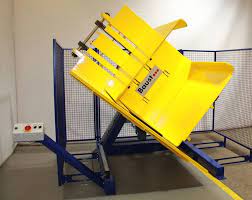
Understanding the Essentials: Pallet Inverters and Heavy Loads
Pallet inverters are material handling marvels designed to rotate or flip palletized loads, offering a safer and more efficient alternative to manual restacking or load transfer. Imagine handling tons of materials daily – the back strain, the risk of product damage, and the sheer time wasted in manual processes. Pallet inverters directly combat these issues. They work by securely clamping a pallet load and then rotating it, typically 180 degrees, allowing for easy access to the underside of the load or a swift transfer to a different pallet.
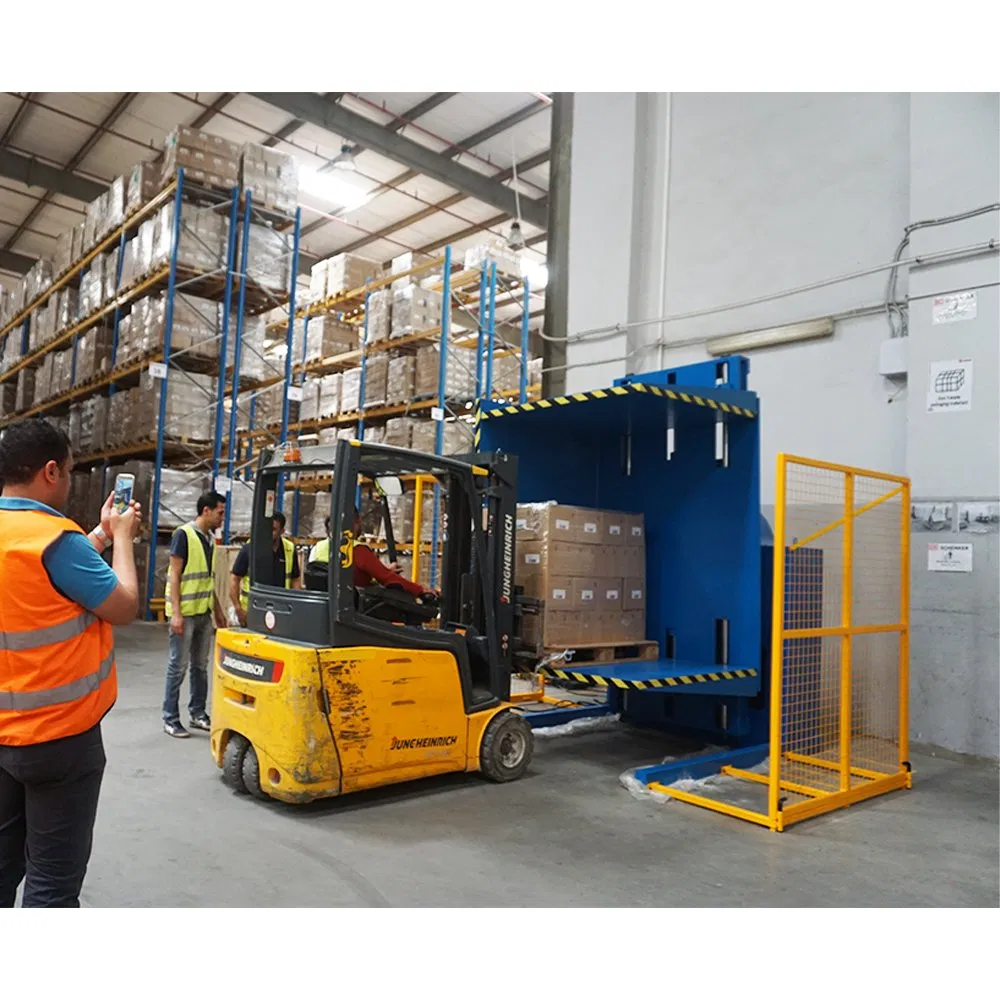
When we talk about "heavy loads," we're referring to materials that push the boundaries of standard pallet handling equipment. These could be dense industrial components, stacks of heavy beverage cases, or bulk pharmaceutical supplies. Handling such loads demands more from a pallet inverter – greater structural integrity, enhanced clamping force, and robust hydraulic systems. Optimizing performance in this context means ensuring the inverter can handle these weights safely, consistently, and without compromising speed or efficiency.
Stationary vs. Portable: Choosing the Right Inverter for Heavy Duty
Pallet inverters come in two primary configurations: stationary and portable. For heavy load applications, stationary pallet inverters are generally the preferred choice. Why? Because they are engineered for heavy-duty performance.
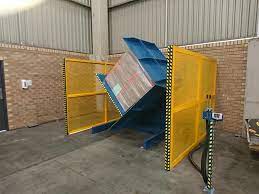
Stationary Pallet Inverters: The Heavyweight Champions
These inverters are designed for fixed locations within your facility, providing a dedicated and robust solution for high-volume, heavy load handling. Their benefits for heavy applications are significant:
- High Load Capacity: Stationary models are built with stronger frames and more powerful hydraulic systems, specifically designed to handle substantial weights. This robust construction is essential for safely and reliably inverting heavy pallets without risk of failure or instability.
- Enhanced Stability: Being fixed in place, stationary inverters offer superior stability during the inversion process. This is crucial when dealing with heavy and potentially unbalanced loads, minimizing the risk of tipping or shifting.
- Customization for Demanding Needs: Stationary inverters offer greater customization options. They can be tailored with specialized clamps, wider openings, and reinforced structures to accommodate the specific dimensions and weights of your heavy loads.
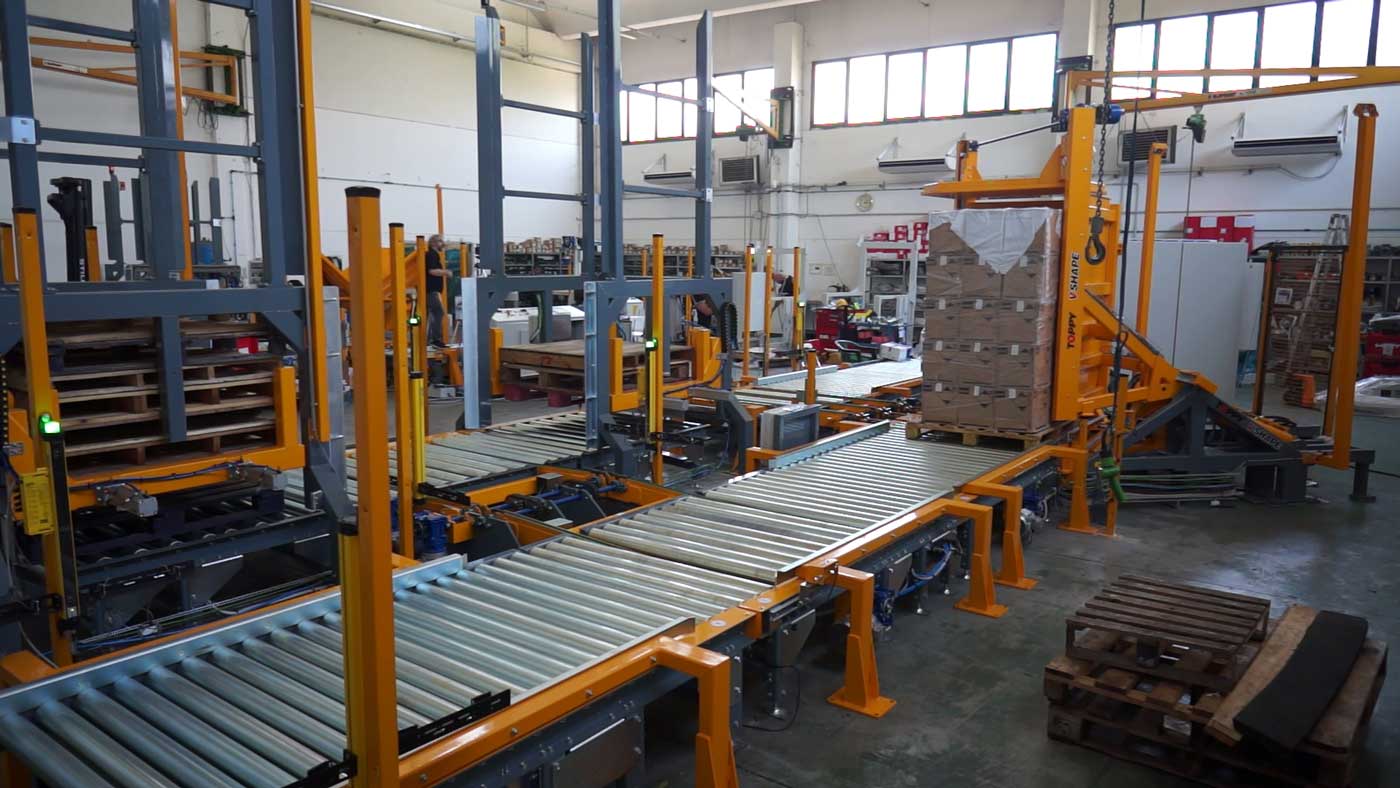
- Integration into Production Lines: For manufacturing and distribution centers dealing with consistent heavy flow, stationary inverters can be seamlessly integrated into automated production lines, maximizing throughput and minimizing bottlenecks.
Portable Pallet Inverters: Flexibility with Limitations
While portable pallet inverters offer the advantage of mobility, their application for consistently heavy loads is generally limited. Their key features are:
- Mobility and Versatility: Ideal for facilities where inversion is needed in various locations or for lighter, less frequent tasks.
- Space Optimization: Excellent for facilities where dedicated inversion areas are not feasible.
- Cost-Effectiveness (for lighter use): Often a more budget-friendly option for businesses with less demanding inversion needs.
However, for heavy loads, the inherent limitations of portable models, such as potentially lower load capacities and reduced stability compared to stationary units, make them less suitable for continuous, heavy-duty operations.
For optimizing pallet inverter performance for heavy loads, stationary models are generally the superior choice due to their robust construction, higher load capacity, and enhanced stability, ensuring safe and efficient handling of weighty goods.
Key Components: Fortifying for Heavy Load Performance
To optimize a pallet inverter for heavy loads, understanding and reinforcing its key components is vital. Think of these components as the pillars supporting your heavy load handling efficiency:
1. Frame: The Foundation of Strength
The frame is the backbone of the pallet inverter. For heavy loads, a robust, heavy-gauge steel frame is non-negotiable. It must withstand immense stress and pressure during the inversion process. Look for frames with reinforced welding and durable construction to ensure longevity and prevent structural fatigue under heavy use.
2. Clamping Mechanism: Secure Grip is Paramount
The clamping mechanism is responsible for securely holding the heavy pallet load during rotation. For heavy loads, consider these critical aspects:
- Heavy-Duty Clamps: Opt for inverters equipped with high-strength, adjustable clamps or clamping plates capable of exerting significant pressure without damaging the load. These clamps should be designed to accommodate variations in pallet sizes and load configurations.
- Programmable Clamp Pressure: For diverse heavy loads, programmable clamp pressure is a valuable feature. It allows operators to adjust the clamping force based on the load's fragility and weight, ensuring a secure grip without crushing sensitive goods.
- Wide Jaw Opening: Ensure the clamping mechanism has a sufficiently wide jaw opening to accommodate the dimensions of your heaviest and largest pallet loads.
3. Hydraulic System: Powering the Heavy Lift
The hydraulic system is the engine of the pallet inverter, providing the force needed for rotation and clamping. For heavy loads, a high-performance hydraulic system is crucial:
- Powerful Hydraulic Cylinders and Pumps: The system should be equipped with heavy-duty cylinders and pumps capable of generating the necessary force to lift and rotate heavy loads smoothly and consistently.
- Reliable Hydraulic Components: Invest in inverters with high-quality hydraulic hoses, valves, and fittings to minimize the risk of leaks, failures, and downtime, especially under the stress of heavy load operation.
- Controlled and Smooth Operation: A well-designed hydraulic system ensures smooth and controlled inversion movements, preventing jerky motions that could destabilize heavy loads or cause product damage.
Strategies for Optimizing Heavy Load Pallet Inverter Performance
Beyond selecting the right type and ensuring robust components, several operational strategies can significantly optimize pallet inverter performance when handling heavy loads:
1. Load Capacity and Size Management: Know Your Limits
- Accurate Load Assessment: Thoroughly assess the weight and dimensions of your typical heavy loads. Never exceed the pallet inverter's specified load capacity. Overloading is a recipe for equipment damage, safety hazards, and operational disruptions.
- Pallet Size Compatibility: Ensure the inverter is compatible with the pallet sizes used for your heavy loads. Using incorrect pallet sizes can lead to load instability and inefficient clamping.
- Load Distribution: Train operators to ensure heavy loads are evenly distributed on the pallet. Uneven weight distribution can strain the inverter and increase the risk of tipping.
2. Regular Maintenance: The Key to Longevity and Reliability
- Scheduled Inspections: Implement a rigorous schedule for inspecting the frame, clamping mechanism, and hydraulic system. Look for signs of wear, cracks, leaks, or damage.
- Lubrication and Component Checks: Regularly lubricate moving parts as per manufacturer recommendations. Check hydraulic fluid levels and condition, and inspect hoses and connections for leaks or degradation.
- Prompt Repairs and Parts Replacement: Address any maintenance issues immediately. Replace worn or damaged parts with genuine manufacturer-recommended components to maintain performance and safety. For heavy-duty inverters, preventative maintenance is even more critical to avoid costly breakdowns.
3. Comprehensive Employee Training: Safety and Efficiency Hand-in-Hand
- Specialized Training for Heavy Loads: Training programs should specifically address the challenges and safety protocols associated with handling heavy loads.
- Safe Operating Procedures: Operators must be thoroughly trained on safe loading and unloading procedures, proper clamping techniques, and emergency stop protocols. Emphasize the importance of smooth, controlled movements, especially with heavy loads.
- Hazard Identification and Prevention: Train operators to identify potential hazards associated with heavy loads, such as load imbalance, pallet integrity issues, and potential pinch points.
- Regular Refresher Training: Provide periodic refresher training to reinforce safe operating practices and update operators on any new safety guidelines or equipment updates.
4. Strategic Integration with Material Handling Equipment
- Forklift Compatibility: Ensure seamless integration with forklifts used to load and unload the pallet inverter. Clear communication and standardized procedures are essential for safe and efficient transfer of heavy loads.
- Optimized Workflow Design: Design the workflow around the pallet inverter to minimize unnecessary movements and maximize efficiency. Consider the positioning of the inverter within the facility to optimize material flow for heavy loads.
- Safety Interlocks and Systems: Integrate safety interlocks and systems to prevent accidental operation during loading/unloading phases, especially crucial when heavy forklifts are involved.
5. Prioritizing Safety Features for Heavy Duty Operations
- Safety Fences and Barriers: Install safety fences or barriers around the pallet inverter operating area to prevent unauthorized access and protect personnel, especially crucial in busy environments handling heavy materials.
- Emergency Stop Buttons: Ensure easily accessible emergency stop buttons are strategically located around the inverter, allowing for immediate shutdown in case of emergencies.
- Operator Protection Devices: Consider additional operator protection devices, such as light curtains or safety scanners, to enhance safety during heavy load inversion operations.
- Visual and Auditory Warnings: Implement visual and auditory warning signals to alert personnel when the inverter is in operation, particularly important in noisy industrial settings where heavy equipment is used.
Applications: Where Heavy Load Pallet Inverters Excel
Heavy-duty pallet inverters find vital applications across industries dealing with substantial weights and demanding material handling requirements:
- Manufacturing: Handling heavy raw materials, engine components, machinery parts, and finished metal products.
- Automotive: Inverting pallets of heavy auto parts, engine blocks, transmissions, and large components during assembly and logistics.
- Construction Materials: Managing pallets of cement bags, bricks, tiles, and other heavy building supplies.
- Beverage Industry: Efficiently handling and inverting stacks of heavy beverage cases, particularly glass bottles or bulk containers.
- Pharmaceuticals: Handling large volumes of boxed or containerized pharmaceutical ingredients and products, often requiring careful inversion for batch changes or quality control.
- Warehousing and Distribution Centers: Streamlining the handling of diverse heavy goods, enabling efficient storage, order fulfillment, and cross-docking operations.
Renting vs. Buying: Making the Right Choice for Heavy Load Needs
The decision to rent or buy a pallet inverter for heavy loads hinges on several factors:
- Frequency of Use: For consistent, high-volume heavy load handling, buying a stationary pallet inverter is generally the most cost-effective long-term solution.
- Budget and Capital Investment: Renting can be attractive for businesses with limited upfront capital or for short-term or seasonal heavy load demands. However, for continuous heavy-duty use, rental costs can accumulate quickly.
- Maintenance and Support: Buying requires businesses to handle maintenance. Rental agreements often include maintenance and support, relieving this burden, which can be beneficial for businesses without dedicated maintenance teams.
- Long-Term Operational Strategy: If heavy load handling is a core, ongoing part of your operations, purchasing provides long-term control, customization, and potentially lower total cost of ownership over time.
For consistent heavy load operations, purchasing a stationary pallet inverter is often the most strategic investment, providing the necessary robustness, reliability, and long-term value.
Conclusion: Elevating Heavy Load Handling with Optimized Pallet Inverters
Optimizing pallet inverter performance for heavy loads is not just about maximizing speed; it's about creating a safer, more efficient, and more resilient industrial operation. By understanding the nuances of heavy load handling, choosing the right type of inverter, reinforcing key components, and implementing strategic operational and maintenance practices, businesses can unlock the full potential of pallet inverters.
Investing in optimization translates directly into tangible benefits: reduced manual labor, minimized product damage, improved workplace safety, enhanced efficiency, and ultimately, a stronger bottom line. In the demanding landscape of modern industry, mastering heavy load pallet inverter performance is not just an advantage – it's a necessity for sustained success.