
How to Improve Productivity with Pallet Inverters in Warehouses?
Want to boost your warehouse productivity? Pallet inverters are game-changing material handling solutions that streamline operations by efficiently rotating and transferring loads. They minimize manual labor, reduce product damage, and enhance safety, leading to significant time and cost savings. Discover how pallet inverters can revolutionize your warehouse efficiency.
Understanding Pallet Inverters: The Key to Warehouse Efficiency
In today's fast-paced world of logistics and supply chain management, warehouse efficiency is not just a goal—it's a necessity. Every minute saved, every process optimized, directly impacts the bottom line. One often-overlooked yet incredibly effective tool for enhancing warehouse productivity is the pallet inverter. But what exactly is a pallet inverter, and how can it revolutionize your operations?
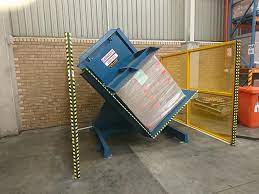
Pallet inverters are robust machines designed to rotate or flip palletized loads, providing a safer, faster, and more efficient alternative to manual handling. Imagine the time and labor involved in manually restacking or transferring goods from one pallet to another. Pallet inverters eliminate this arduous task, streamlining workflows and freeing up valuable resources.
At their core, pallet inverters are material handling champions. They empower warehouses to handle goods with greater speed and precision, reducing the physical strain on workers and minimizing the risk of product damage. By simply loading a pallet into the inverter, operators can effortlessly rotate or invert the entire load, gaining access to the underside of the pallet or transferring goods to a different pallet type with ease.
The Multifaceted Benefits of Pallet Inverters in Warehouse Operations
Investing in pallet inverters translates to a multitude of benefits that contribute to a more productive, safer, and cost-effective warehouse environment. Let's delve into the key advantages:
1. Supercharge Productivity and Efficiency
Time is money, especially in warehousing. Pallet inverters dramatically accelerate pallet handling processes. Instead of time-consuming manual restacking, a pallet inverter can rotate a load in under a minute. This speed translates directly to increased throughput, allowing your team to process more goods in less time. By automating the inversion process, pallet inverters free up your workforce to focus on other critical tasks like order picking, packing, and shipping, further amplifying overall productivity.
2. Minimize Physical Strain and Enhance Workplace Safety
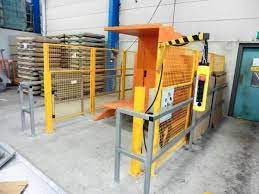
Manual pallet handling is physically demanding and inherently risky. Lifting, bending, and twisting to access or transfer loads can lead to musculoskeletal injuries, a common and costly issue in warehouses. Pallet inverters drastically reduce these risks by eliminating the need for manual lifting and awkward movements. This not only protects your employees from potential injuries but also fosters a safer working environment, reducing lost time due to accidents and boosting employee morale. A safer workplace is a more productive workplace.
3. Elevate Product Protection and Reduce Damage
Damaged goods translate to lost revenue and dissatisfied customers. Manual handling increases the likelihood of product damage during loading, unloading, and pallet transfer processes. Pallet inverters offer a controlled and stable method for rotating and inverting loads, minimizing the risk of goods shifting, falling, or being crushed. By ensuring products remain in top condition throughout the handling process, pallet inverters contribute to reduced waste, fewer returns, and enhanced customer satisfaction.
4. Cost-Effectiveness and Return on Investment
While the initial investment in a pallet inverter is a factor to consider, the long-term cost savings are substantial. By boosting productivity, reducing labor costs associated with manual handling, minimizing product damage, and lowering the risk of workplace injuries and related expenses, pallet inverters offer a compelling return on investment. Furthermore, some suppliers like Top Industries Inc. emphasize cost-effectiveness, offering high-value solutions that fit various budgets, making this technology accessible to a wider range of businesses.
5. Customization and Versatility to Meet Diverse Needs
Warehouses handle diverse products and pallet types. Recognizing this, many pallet inverter providers, such as Top Industries Inc., offer customizable solutions. Whether you require specific dimensions, load capacities, or features, pallet inverters can be tailored to your unique operational requirements. This adaptability ensures that you get the perfect equipment to optimize your specific workflow, regardless of the products you handle or the challenges of your warehouse layout.
Exploring the Types of Pallet Inverters: Stationary vs. Portable
Pallet inverters are not one-size-fits-all. They come in various configurations to suit different warehouse layouts and operational needs. The two primary types are stationary and portable pallet inverters:
Stationary Pallet Inverters: Robust and High-Capacity
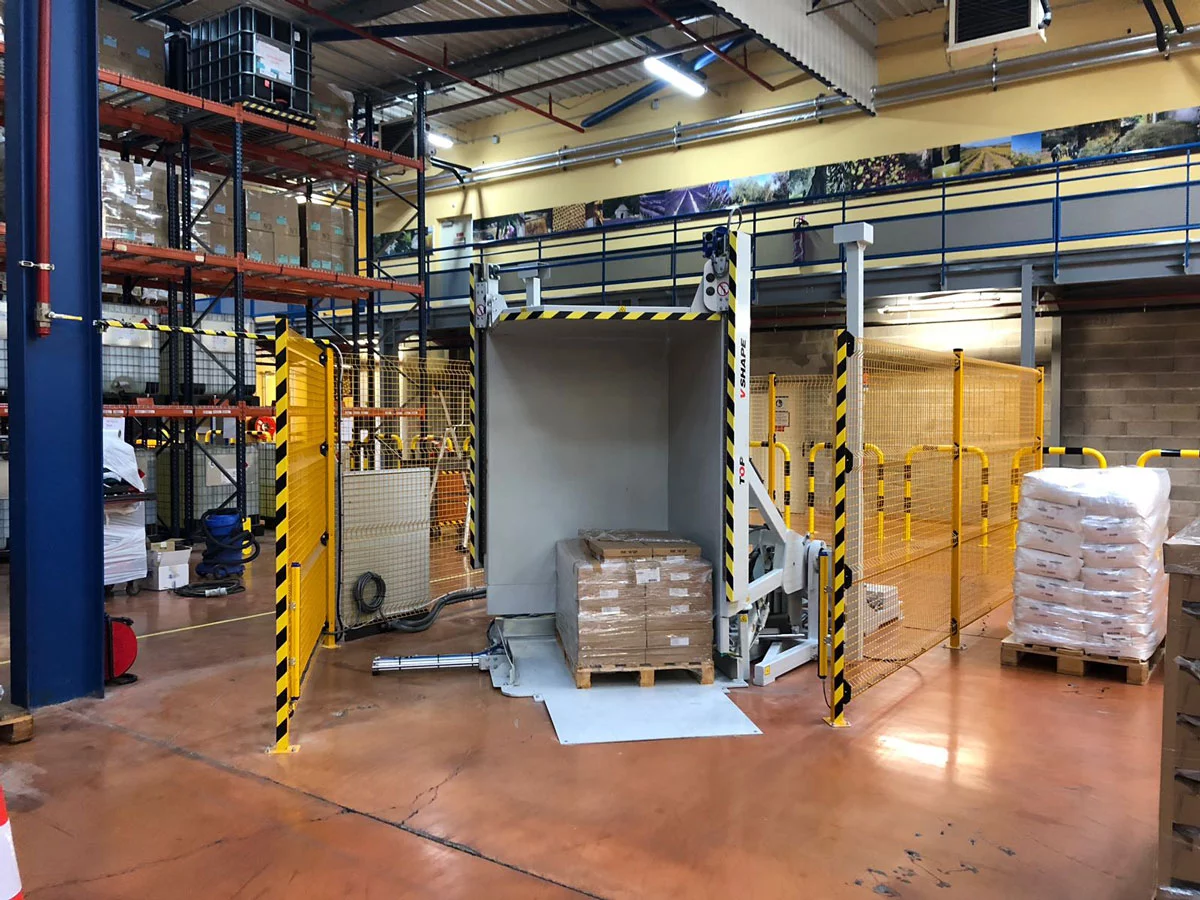
Stationary pallet inverters are designed for fixed locations within a warehouse. They are robust and built for heavy-duty applications, capable of handling substantial loads.
Features and Benefits of Stationary Pallet Inverters:
- High Load Capacity: Ideal for industries dealing with heavy goods and large-scale operations.
- Enhanced Efficiency for Dedicated Areas: Optimized for locations with a dedicated inversion area, streamlining workflows in high-traffic zones.
- Customization for Specific Pallet Sizes: Can be tailored to accommodate diverse pallet dimensions, ensuring compatibility with various product ranges.
- Improved Safety with Robust Construction: Built with safety features like fences and emergency stops, prioritizing operator safety.
Common Applications of Stationary Pallet Inverters:
- Food and Beverage Industry: Flipping pallets of packaged goods and beverages.
- Pharmaceutical and Medical Industry: Handling palletized medical supplies and pharmaceuticals with care.
- Manufacturing and Distribution Centers: Streamlining production and distribution processes.
Portable Pallet Inverters: Flexible and Space-Saving
Portable pallet inverters offer mobility and flexibility. Equipped with wheels or casters, they can be easily moved to different locations within a facility.
Features and Benefits of Portable Pallet Inverters:
- Mobility and Versatility: Easily moved and positioned where needed, adapting to changing operational demands.
- Space Optimization: No need for dedicated inversion areas, maximizing valuable warehouse space.
- Quick and Easy Operation: User-friendly controls for efficient pallet handling without extensive training.
- Cost-Effective for Lower Volume Needs: A more affordable option for businesses with less frequent inversion requirements.
Common Applications of Portable Pallet Inverters:
- Retail and Supermarket Chains: Managing goods in backrooms for efficient restocking.
- Small and Medium-Sized Enterprises (SMEs): Ideal for businesses with occasional inversion needs and limited budgets.
- Freight and Logistics Companies: Facilitating loading and unloading at various points in the supply chain.
Selecting the Right Pallet Inverter: Key Considerations
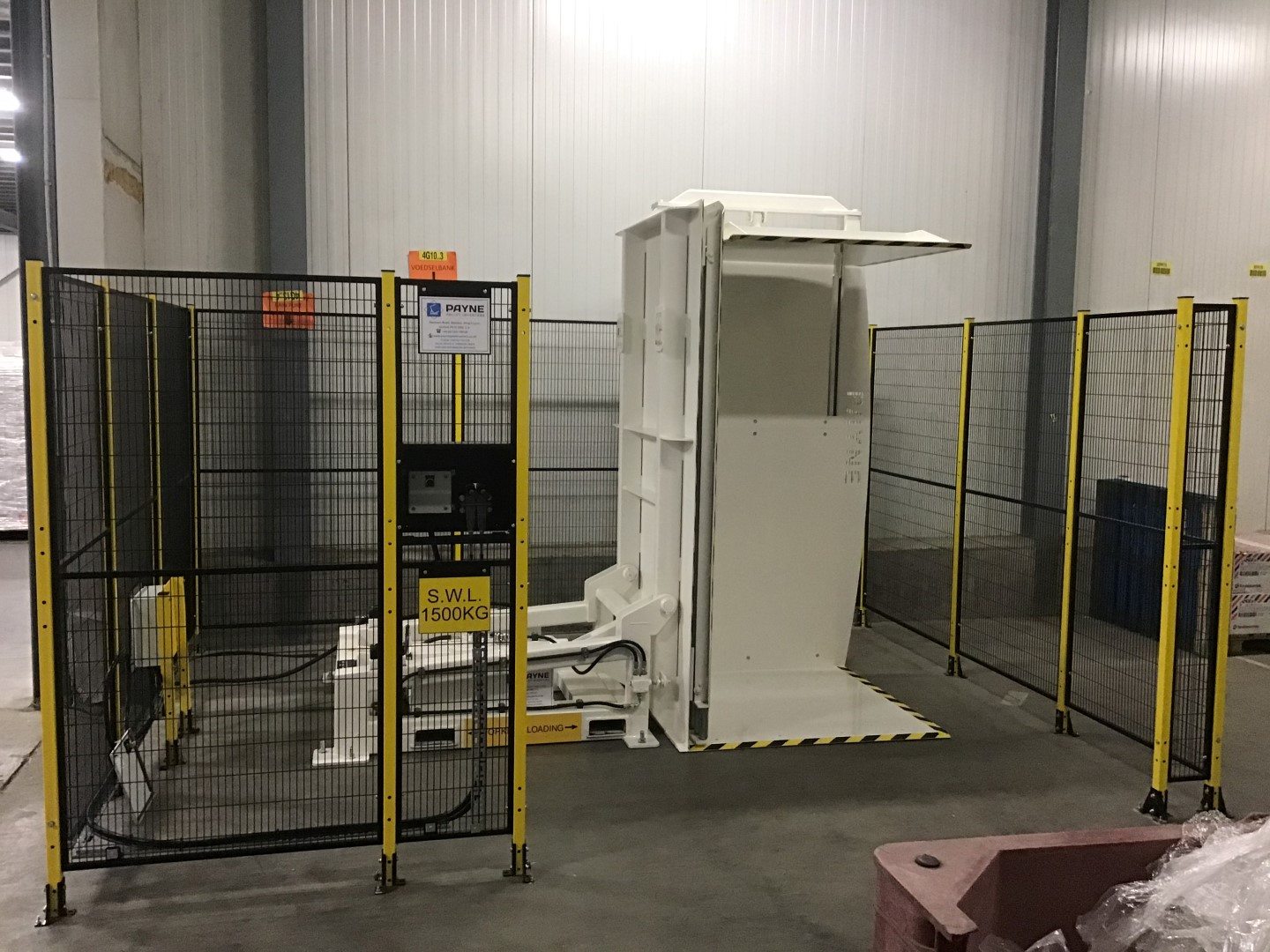
Choosing the optimal pallet inverter for your warehouse requires careful evaluation of your specific needs. Here are crucial factors to consider:
1. Load Capacity and Size Requirements
Determine the maximum weight and dimensions of the pallets you handle regularly. Select an inverter with sufficient load capacity to handle your heaviest loads safely and efficiently. Consider the range of pallet sizes your operations involve to ensure compatibility.
2. Operating Requirements and Safety Features
Assess your operational needs, including the frequency of use, throughput requirements, and any specific industry regulations. Prioritize safety features like emergency stops, safety guards, and operator protection devices. If handling delicate goods, consider inverters with gentle inversion capabilities.
3. Integration with Existing Equipment
Evaluate how the pallet inverter will integrate with your current material handling equipment, particularly forklifts. Ensure seamless compatibility and workflow optimization. Consider whether you need a forklift pallet inverter attachment for enhanced mobility.
4. Energy Efficiency and Automation
Opt for energy-efficient models to reduce operating costs and promote sustainability. Automation features, such as programmable controls and pre-set cycles, can further enhance efficiency and reduce manual intervention, particularly in high-volume operations.
Buying vs. Renting a Pallet Inverter: Weighing Your Options
The decision to buy or rent a pallet inverter depends on your budget, long-term needs, and operational patterns.
Buying a Pallet Inverter:
- Pros: Long-term cost-effectiveness, ownership, customization options, consistent availability.
- Cons: Higher upfront investment, responsibility for maintenance and repairs.
Renting a Pallet Inverter:
- Pros: Lower upfront cost, flexibility for short-term needs, access to advanced equipment, maintenance often included in rental agreements.
- Cons: Potentially higher long-term cost if needed frequently, limited customization, availability may vary.
Consider renting if:
- You have short-term or sporadic inversion needs.
- You want to test different models before committing to a purchase.
- You have budget constraints and prefer lower upfront costs.
Consider buying if:
- You have consistent and long-term inversion requirements.
- You need a customized solution tailored to your specific operations.
- You prefer ownership and long-term cost savings.
Prioritizing Safety and Maintenance: Ensuring Longevity and Safe Operation
Safety is paramount when operating pallet inverters. Proper training for operators is essential, emphasizing safe operating procedures, emergency stop protocols, and load limits. Regular maintenance is crucial for ensuring the longevity and safe operation of your pallet inverter. Follow manufacturer guidelines for routine inspections, lubrication, and hydraulic system checks. Promptly address any repairs or replacements of worn parts to prevent downtime and maintain optimal performance.
Real-World Applications Across Diverse Industries
Pallet inverters are versatile tools with applications spanning numerous industries:
- Food and Beverage: Inverting pallets for pallet exchange, removing damaged goods from the bottom of stacks, and accessing products for quality checks.
- Pharmaceuticals: Handling sensitive pharmaceutical products with minimal manual contact, ensuring product integrity and compliance.
- Manufacturing: Streamlining production lines, facilitating pallet changes for different stages of manufacturing, and handling raw materials and finished goods efficiently.
- Retail: Managing inventory in warehouses and backrooms, optimizing shelf-ready displays, and handling seasonal stock fluctuations.
- Logistics and Distribution: Efficiently loading and unloading trucks and containers, optimizing warehouse space, and streamlining cross-docking operations.
Conclusion: Pallet Inverters - Your Partner in Warehouse Productivity
In today's competitive landscape, warehouse productivity is a critical differentiator. Pallet inverters are powerful tools that can significantly enhance your operational efficiency, improve safety, reduce costs, and ultimately boost your bottom line. By understanding the benefits, types, and selection factors of pallet inverters, you can make informed decisions to optimize your material handling processes and create a more productive and profitable warehouse. Investing in a pallet inverter is not just an expense; it's a strategic move towards a more efficient, safer, and future-proof warehouse operation.