
What Are the Environmental Benefits of Using Pallet Inverters?
[ ]()
]()
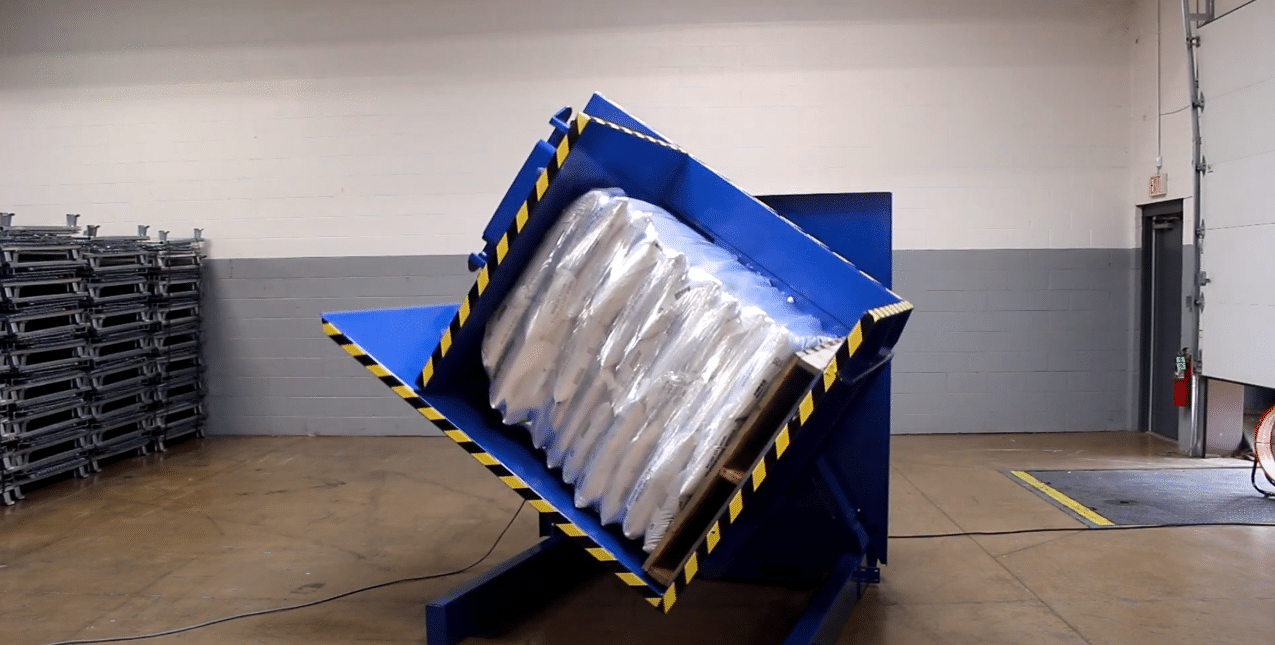
Discover how pallet inverters are not just boosting warehouse efficiency and safety, but also contributing significantly to environmental sustainability. By reducing packaging waste, minimizing product damage, and optimizing resource use, pallet inverters are becoming a key component in eco-friendly supply chain solutions.
Introduction: The Unsung Green Hero of Warehousing - Pallet Inverters
[ ]()
]()
In today's environmentally conscious business landscape, sustainability isn't just a buzzword—it's a business imperative. Companies across industries are actively seeking ways to minimize their environmental footprint, enhance operational efficiency, and meet growing consumer demand for eco-friendly practices. While discussions around green initiatives often focus on renewable energy and recyclable packaging, a less-discussed yet highly impactful solution is emerging in warehouses and distribution centers: the pallet inverter.
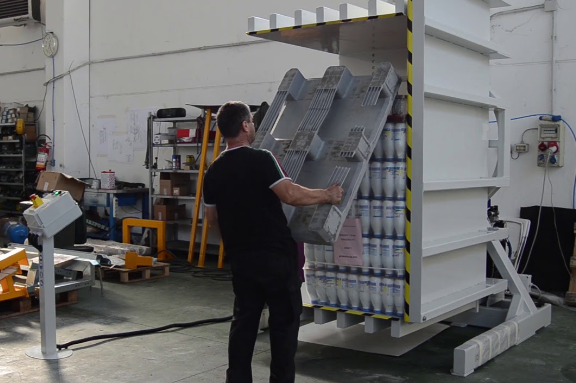
Pallet inverters, machines designed to rotate and transfer loads between pallets, are traditionally lauded for their operational benefits – reducing labor costs, enhancing workplace safety, and boosting productivity. However, their environmental advantages are equally compelling and deserve closer examination. This article delves into the often-overlooked environmental benefits of using pallet inverters, showcasing how this equipment is quietly revolutionizing material handling and contributing to a greener supply chain.
Reducing Packaging Waste: A Core Environmental Benefit
[ ]()
]()
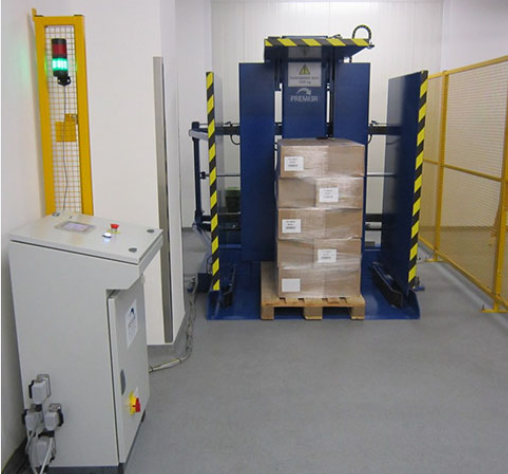
One of the most significant environmental contributions of pallet inverters lies in their ability to drastically reduce packaging waste. Consider the common scenario where goods arrive on damaged or unsuitable pallets. Without a pallet inverter, the typical solution involves manual restacking – a labor-intensive process that often leads to product damage and necessitates additional packaging materials to secure the newly arranged load.
Pallet inverters streamline this process. By efficiently and safely inverting the entire pallet load, they allow for the quick removal of a damaged pallet and transfer of goods onto a new, often reusable, pallet without extensive manual handling. This simple yet effective action minimizes the need for excessive packaging materials. Less manual handling also translates to reduced risk of product damage, which in turn prevents products from becoming unsellable waste, further decreasing the environmental burden.
Moreover, some advanced pallet inverter systems are designed to work seamlessly with automated packaging lines. By efficiently managing pallet changes, they ensure that packaging processes run smoothly with minimal interruptions and material wastage. This optimized flow reduces the likelihood of packaging errors and excess consumption of materials like stretch film, cardboard, and strapping.
Minimizing Product Damage: Conserving Resources and Reducing Spoilage
[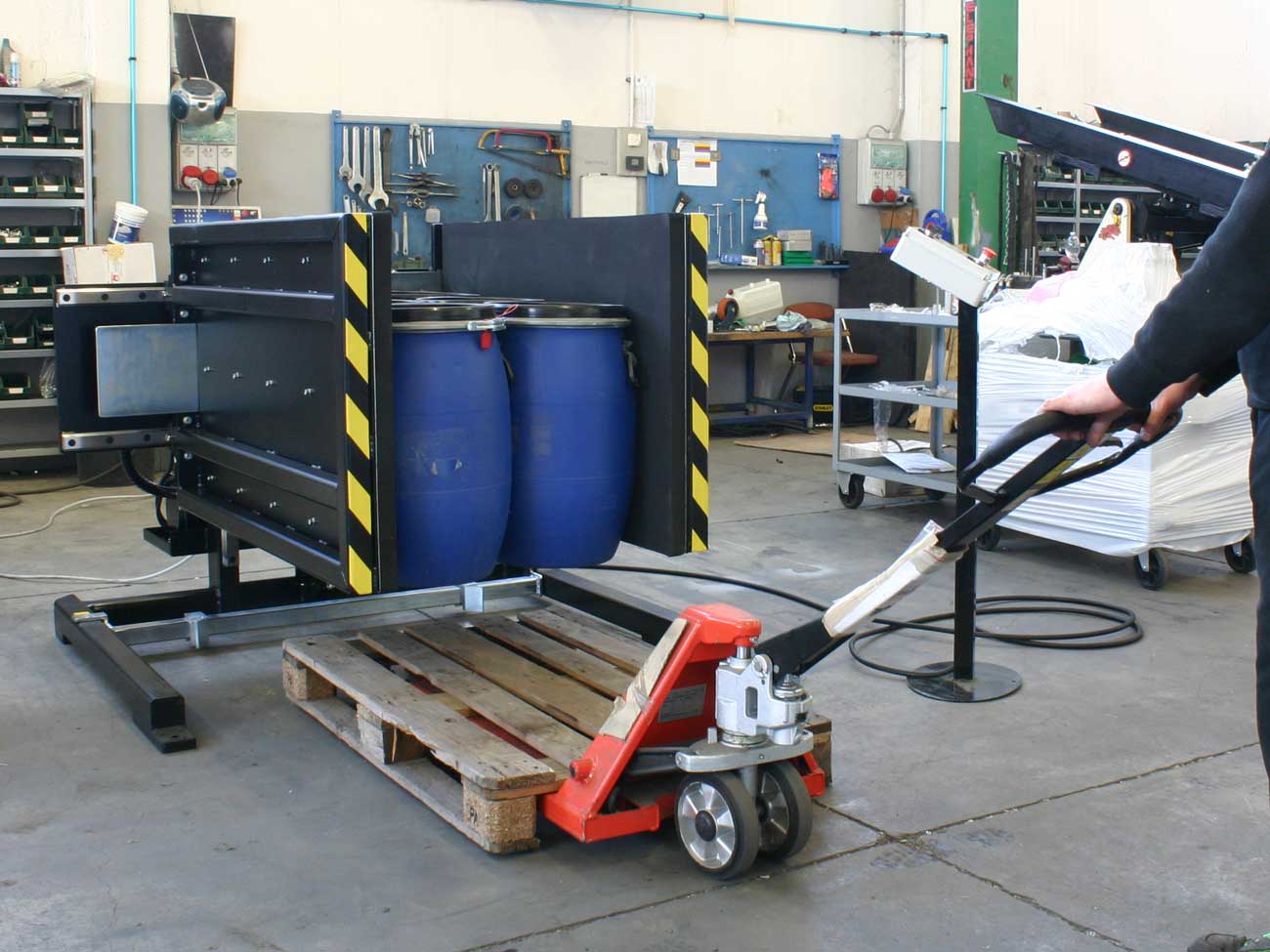
Product damage is a significant source of waste across supply chains. Damaged goods often end up discarded, representing not only a financial loss but also a considerable waste of the resources—raw materials, energy, water, and labor—that went into their production. Pallet inverters play a crucial role in mitigating product damage at multiple stages of the warehousing and distribution process.
During pallet transfer operations, the controlled and precise action of a pallet inverter minimizes the risk of goods being dropped, crushed, or mishandled – common occurrences with manual or forklift-based pallet changing. This is particularly vital for fragile items, food and beverage products, and goods in delicate packaging. By ensuring smoother and safer handling, pallet inverters significantly reduce the incidence of damage during pallet exchange.
Furthermore, in industries dealing with perishable goods like food and pharmaceuticals, product damage can lead to spoilage, rendering entire batches unusable. Pallet inverters, by enabling gentler handling and efficient rotation of stock (for FIFO – First-In, First-Out – inventory management), help maintain product integrity and extend shelf life. Reducing spoilage translates directly into less waste and a more sustainable use of resources within the supply chain.
Enhancing Pallet Lifespan and Promoting Reusable Pallets
Pallets themselves, though essential for efficient material handling, can contribute to environmental concerns if not managed sustainably. Wooden pallets, while widely used, contribute to deforestation if not sourced from sustainably managed forests. Plastic pallets, while more durable, have their own environmental footprint related to manufacturing and end-of-life disposal.
Pallet inverters indirectly promote more sustainable pallet practices. By reducing the manual handling of pallets, they minimize the wear and tear that leads to damage and premature disposal. When pallets are handled less roughly, their lifespan is extended, reducing the need for frequent replacements and the associated environmental impact of producing new pallets.
Moreover, pallet inverters facilitate the efficient use of reusable pallets, such as plastic or high-quality wooden pallets. Companies can confidently invest in more durable and sustainable pallet options when they know that pallet inverters will help maintain their condition and maximize their usable life. The ability to easily switch between different pallet types using an inverter also encourages the adoption of specialized, reusable pallets optimized for specific products or warehouse systems, further enhancing sustainability.
Optimizing Warehouse Space and Energy Consumption
Efficient warehouse operations are inherently more sustainable. Optimized space utilization and reduced energy consumption are key components of a green warehouse. Pallet inverters contribute to both.
By streamlining pallet handling, pallet inverters can help optimize warehouse layout and space utilization. Faster pallet transfer and reduced manual handling can lead to smoother workflows and less congestion within the warehouse. This improved efficiency can translate to better use of existing space, potentially delaying or eliminating the need for warehouse expansion – a resource-intensive undertaking.
While pallet inverters themselves consume electricity to operate, their overall impact can lead to net energy savings. By reducing the need for energy-intensive manual handling equipment like forklifts for pallet changing tasks, and by minimizing product damage (which prevents wasted production energy), pallet inverters contribute to a more energy-efficient warehousing operation. Furthermore, some modern pallet inverter models are designed with energy-efficient hydraulic systems and components, minimizing their own energy consumption.
Contributing to a Safer and More Sustainable Workplace
Beyond the direct environmental benefits, pallet inverters also contribute to a safer and more sustainable workplace environment, which indirectly supports broader sustainability goals.
By automating the physically demanding task of pallet changing, pallet inverters significantly reduce the risk of musculoskeletal injuries and workplace accidents associated with manual handling of heavy loads. A safer workplace is a more sustainable workplace in terms of human capital. Reduced injuries lead to less absenteeism, improved employee morale, and a more productive workforce.
Furthermore, companies committed to sustainability often prioritize employee well-being and ethical labor practices. Investing in equipment like pallet inverters, which improves workplace safety and reduces physically strenuous tasks, aligns with these broader sustainability commitments and contributes to a positive and responsible corporate image.
Conclusion: Pallet Inverters – An Essential Tool for Eco-Conscious Warehousing
In conclusion, the environmental benefits of using pallet inverters are multifaceted and substantial. From significantly reducing packaging waste and minimizing product damage to promoting reusable pallet practices and contributing to energy-efficient warehouse operations, pallet inverters are proving to be an invaluable asset in the quest for sustainable supply chains.
While the initial investment in a pallet inverter may be a consideration, the long-term environmental and operational benefits far outweigh the costs. Businesses that prioritize sustainability and efficiency should recognize pallet inverters not just as productivity-enhancing equipment, but as essential tools in their arsenal for building a greener, more responsible, and ultimately more successful operation. As the focus on corporate environmental responsibility intensifies, the unsung green hero of the warehouse – the pallet inverter – is poised to take center stage as a key enabler of eco-friendly material handling.