
How to Integrate Pallet Inverters with Other Warehouse Equipment?
Unlock Seamless Warehouse Operations: Integrating Pallet Inverters for Enhanced Efficiency
Pallet inverters are pivotal for modern warehouses, streamlining material handling by efficiently rotating or flipping pallet loads. Integrating them with existing systems like forklifts, conveyors, and automated guided vehicles optimizes workflow, reduces manual labor, minimizes product damage, and boosts overall productivity. This strategic integration is key to unlocking a more efficient and safer warehouse environment.
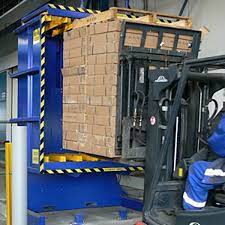
The Indispensable Role of Pallet Inverters in Modern Warehousing
In today's fast-paced warehousing and logistics landscape, efficiency and safety are paramount. Pallet inverters have emerged as essential pieces of equipment, revolutionizing how businesses handle palletized goods. These machines are designed to rotate or flip entire pallet loads swiftly and safely, offering a significant upgrade over manual handling methods. Imagine effortlessly switching from a damaged pallet, accessing goods at the bottom of a stack, or changing pallet types with the push of a button – this is the power of pallet inverters. By minimizing manual labor, reducing product damage, and optimizing space, pallet inverters are not just equipment; they are strategic assets in optimizing warehouse operations.
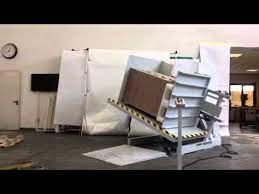
Understanding Pallet Inverter Types: Choosing the Right Fit for Integration
Before diving into integration strategies, it's crucial to understand the different types of pallet inverters available, each offering unique features and benefits that impact integration approaches.
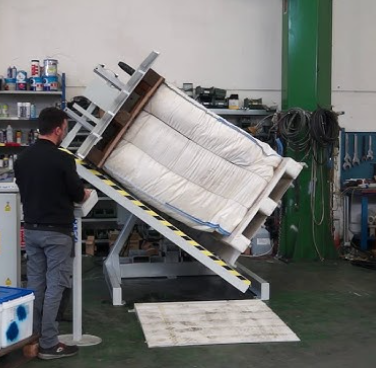
Stationary Pallet Inverters: The Heavy-Duty Workhorse
Stationary pallet inverters are designed for fixed locations within a warehouse. These robust machines are ideal for high-volume operations where a dedicated inversion area is feasible. Their key advantages for integration include:
- High Load Capacity: Stationary models excel at handling heavy loads, making them perfect for industries dealing with bulk materials or heavy products. This capacity needs to be considered when integrating with forklifts or automated systems, ensuring compatibility in weight handling.
- Customization: They often offer customization options to accommodate diverse pallet sizes. This adaptability is critical for seamless integration into workflows that handle varied product dimensions.
- Enhanced Efficiency: Their powerful hydraulic systems ensure quick and consistent inversion cycles, boosting throughput when integrated into automated lines or conveyor systems.
- Improved Safety Features: Equipped with comprehensive safety features like fences and emergency stops, they contribute to a safer integrated environment, particularly when working alongside automated equipment.
Portable Pallet Inverters: Flexibility for Dynamic Warehouses
Portable pallet inverters offer mobility and versatility, equipped with wheels or casters for easy relocation. Their integration benefits lie in:
- Mobility and Versatility: Ideal for facilities where pallet inversion is needed in multiple locations. This flexibility is advantageous for integration in warehouses with dynamic layouts or temporary processing zones.
- Space Optimization: They eliminate the need for dedicated inversion areas, saving valuable floor space. This is particularly useful when integrating into existing, possibly space-constrained, warehouse layouts.
- Quick and Easy Operation: Designed for user-friendly operation, minimizing training needs when integrated into diverse teams or workflows.
- Cost-Effectiveness: Often a more budget-friendly option for businesses with lower inversion volume or varied needs, making integration accessible to a wider range of operations.
Strategic Integration Points: Connecting Pallet Inverters with Your Material Handling Ecosystem
Integrating pallet inverters effectively means strategically connecting them with other warehouse equipment to create a cohesive and efficient material handling system. Here are key integration points:
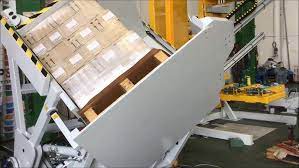
1. Forklifts: The Essential Partner for Pallet Inverter Loading and Unloading
Forklifts are the most common partner for pallet inverters. Integration strategies include:
- Seamless Loading and Unloading: Ensure the pallet inverter's loading table height is compatible with your forklift fleet for smooth transfers. Consider ramp loading inverters for easier forklift access.
- Optimized Workflow Design: Position pallet inverters strategically within forklift traffic flow to minimize travel distances and bottlenecks.
- Safety Protocols: Implement clear safety protocols for forklift operators interacting with pallet inverters, including designated zones and communication signals.
2. Conveyor Systems: Automating Pallet Flow with Inverters
Integrating pallet inverters with conveyor systems unlocks automation potential:
- Automated Pallet Infeed and Outfeed: Use conveyors to automatically feed pallets into the inverter and remove inverted loads, reducing forklift dependency and manual handling.
- Inline Pallet Inversion: Integrate inverters directly into conveyor lines for continuous flow processing, ideal for high-volume operations like pallet swapping or product orientation changes.
- ENTRA Conveyor Compatibility: Consider conveyor systems specifically designed for pallet inverter service, ensuring seamless transitions and reliable performance.
3. Palletizers and Depalletizers: Enhancing End-of-Line Efficiency
Pallet inverters can be strategically placed near palletizers and depalletizers to optimize end-of-line processes:
- Pre-Palletizer Inversion: Invert loads before palletizing to ensure proper product orientation or to replace damaged bottom pallets before building a stable pallet load.
- Post-Depalletizer Inversion: Invert depalletized loads for easy access to bottom layers or for pallet exchange before storage or further processing.
- Streamlined Workflow: Integrating inverters in this area reduces manual restacking and improves the overall speed and efficiency of palletizing and depalletizing operations.
4. Automated Guided Vehicles (AGVs) and Autonomous Mobile Robots (AMRs): The Future of Automated Pallet Handling
For warehouses moving towards full automation, integrating pallet inverters with AGVs and AMRs is a game-changer:
- Autonomous Pallet Transport to Inverter: AGVs/AMRs can autonomously transport pallets to and from the inverter, eliminating the need for forklift intervention in the inversion process.
- Automated Inverter Cycle Initiation: AGVs/AMRs can trigger the inverter cycle through integrated controls, creating a fully automated pallet inversion station.
- Flexible and Scalable Automation: This integration approach offers flexibility and scalability, allowing for adaptable automation solutions in dynamic warehouse environments.
5. Stretch Wrappers: Securing Loads Post-Inversion
Stretch wrappers are crucial for securing loads after pallet inversion, especially when pallet swapping or load adjustments have occurred:
- Post-Inversion Load Stabilization: Integrate stretch wrappers immediately after the inverter to re-secure loads, ensuring stability for transport and storage.
- Automated Stretch Wrapping Lines: Combine inverters and stretch wrappers in automated lines for a seamless process of inverting and securing pallet loads.
- Product Integrity: This integration step is vital for maintaining product integrity, especially for fragile or unstable loads that have been inverted.
6. Warehouse Management Systems (WMS) and Enterprise Resource Planning (ERP) Systems: Data-Driven Integration
Beyond physical equipment, data integration with WMS and ERP systems is crucial for maximizing pallet inverter effectiveness:
- Real-Time Tracking and Monitoring: Integrate inverter operations data into WMS/ERP for real-time tracking of pallet processing, inversion cycles, and throughput.
- Optimized Scheduling and Workflow Management: Use WMS/ERP data to optimize pallet inverter scheduling, predict maintenance needs, and manage overall warehouse workflow more efficiently.
- Data-Driven Insights: Leverage integrated data for performance analysis, identifying bottlenecks, and continuously improving pallet inversion processes and overall warehouse efficiency.
Compatibility is Key: Ensuring Seamless Pallet Inverter Integration
Successful integration hinges on careful compatibility considerations:
- Load Capacity and Size: Ensure the pallet inverter's load capacity and size parameters are compatible with the pallets and loads handled by other equipment like forklifts and conveyors.
- Automation Level: Match the inverter's automation level (semi-automatic, automatic) with the overall automation strategy of the warehouse. For example, fully automated inverters are best suited for integration with AGVs/AMRs.
- Power Requirements: Verify power compatibility, especially for stationary inverters requiring external power sources, ensuring seamless integration with the facility's electrical infrastructure.
- Safety Standards: Prioritize safety compatibility, ensuring the inverter's safety features align with the overall safety protocols and standards of the integrated system and warehouse.
- Control Systems: Consider the compatibility of control systems for seamless integration with automated equipment and WMS/ERP systems. Programmable controls and pre-set inversion cycles enhance automation capabilities.
The Compelling Benefits of Integrated Pallet Inverters
The benefits of strategically integrating pallet inverters are substantial:
- Enhanced Efficiency and Productivity: Automation of pallet handling processes reduces manual labor, speeds up operations, and increases throughput, leading to significant productivity gains.
- Improved Safety and Ergonomics: Eliminating manual pallet inversion reduces workplace injuries, improves ergonomics, and creates a safer working environment for warehouse personnel.
- Space Optimization: Efficient pallet handling and streamlined workflows optimize warehouse space utilization, maximizing storage capacity and operational area.
- Reduced Product Damage: Minimizing manual handling reduces the risk of product damage during pallet inversion and transfer processes, protecting valuable inventory.
- Cost Savings: Increased efficiency, reduced labor costs, minimized product damage, and optimized space contribute to significant cost savings and improved profitability.
Choosing the Right Pallet Inverter for Integration: Key Selection Factors
Selecting the ideal pallet inverter for integration requires careful evaluation:
- Operational Requirements: Thoroughly assess your operational needs, including load types, volumes, frequency of use, and integration goals.
- Compatibility with Existing Equipment: Prioritize inverters that are compatible with your existing material handling equipment and systems for seamless integration.
- Future Scalability: Consider future growth and scalability needs when selecting an inverter, ensuring it can adapt to evolving warehouse operations and integration requirements.
- Supplier Reputation and Support: Choose reputable suppliers with proven track records, offering robust maintenance support, reliable service, and comprehensive warranties to ensure long-term integration success.
Conclusion: Embracing Integrated Pallet Inverters for Warehouse Excellence
Integrating pallet inverters with other warehouse equipment is a strategic imperative for businesses seeking to optimize efficiency, safety, and productivity in their material handling operations. By carefully considering integration points, compatibility factors, and selection criteria, businesses can unlock the full potential of pallet inverters, transforming their warehouses into streamlined, high-performance environments. Embrace the power of integrated pallet inverters and elevate your warehouse operations to new levels of excellence.