
What Are the Common Causes of Pallet Inverter Motor Failure?
Ensuring your pallet inverter operates smoothly is crucial for maintaining productivity and avoiding costly downtime in material handling operations. Pallet inverter motor failures can disrupt workflows and lead to significant delays. Understanding the common causes of these failures is the first step in preventative maintenance and effective troubleshooting. This article explores the key reasons behind pallet inverter motor failures, offering insights into troubleshooting and maintenance to keep your equipment running efficiently.
The Importance of Proactive Pallet Inverter Maintenance
[![Pallet inverter motor failure causes, troubleshooting techniques, pallet inverter repair, equipment maintenance]

Regular maintenance is not just a best practice; it's a necessity for pallet inverters. Like any industrial machinery, pallet inverters are subject to wear and tear. Neglecting maintenance can lead to seemingly minor issues escalating into major malfunctions, including motor failure. A proactive approach to maintenance is an investment that pays dividends by preventing unexpected breakdowns, minimizing repair costs, and extending the lifespan of your equipment. Think of it this way: a few hours spent on regular checks can save you days of downtime and significant repair expenses down the line.
Common Culprits Behind Motor Failure
[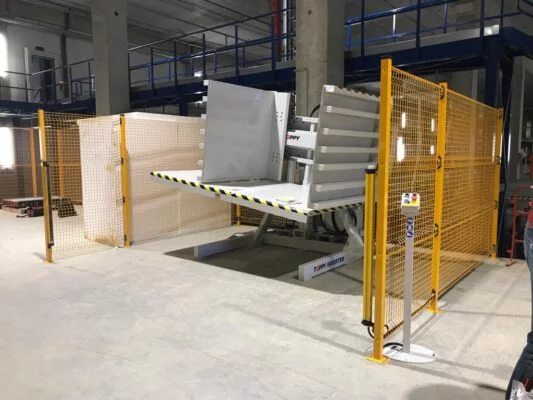
Pallet inverter motor failures can stem from a variety of factors, often interconnected. Let's delve into some of the most frequent causes:
1. Electrical Overload and Overcurrent
[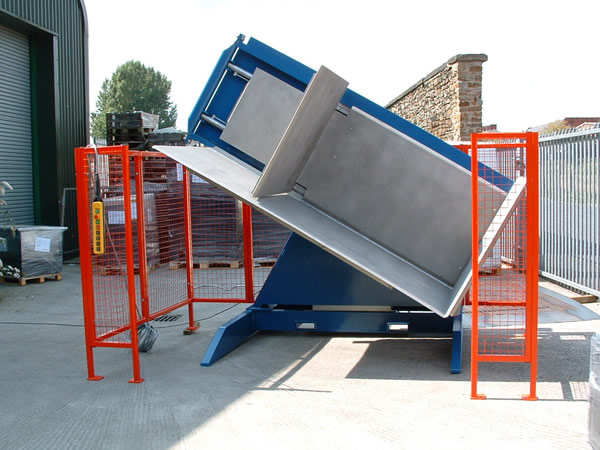
One of the primary reasons for motor failure is electrical overload. This occurs when the motor is forced to draw more current than it is designed to handle. In pallet inverters, overloads can arise from several scenarios:
- Excessive Load Weight: Exceeding the pallet inverter's specified weight capacity puts undue strain on the motor. Always adhere to the manufacturer's guidelines regarding maximum load limits.
- Rapid Acceleration of High Inertia Loads: Quickly accelerating heavy loads, especially those with high inertia, demands a surge of current from the motor. This can lead to overcurrent and eventual motor damage. Gradual acceleration is key.
- Incorrect Motor Voltage Connection: If the motor is not connected to the correct voltage supply, it can draw excessive current in an attempt to compensate. Double-check wiring configurations against the motor's nameplate specifications during installation and maintenance.
- Motor Rotation Issues: Incorrect motor rotation can create resistance and increase current draw. Verify proper clockwise rotation during initial setup and after any electrical work.
Troubleshooting Overcurrent:
- Check Motor Load: Ensure the weight being handled is within the inverter's rated capacity.
- Verify Acceleration Time: Increase the acceleration time to reduce the initial current surge.
- Inspect Motor and Cabling: Test the motor and connecting cables for any insulation faults or damage.
- Confirm Voltage Connection: Double-check that the motor is wired for the correct voltage supply.
- Check Motor Rotation: Ensure the motor is rotating in the correct direction.
- Review Motor Data Settings: Verify that the motor nameplate data in the inverter's settings (Group 99 in ABB inverters, for example) is accurate.
2. Voltage Fluctuations: Overvoltage and Undervoltage
[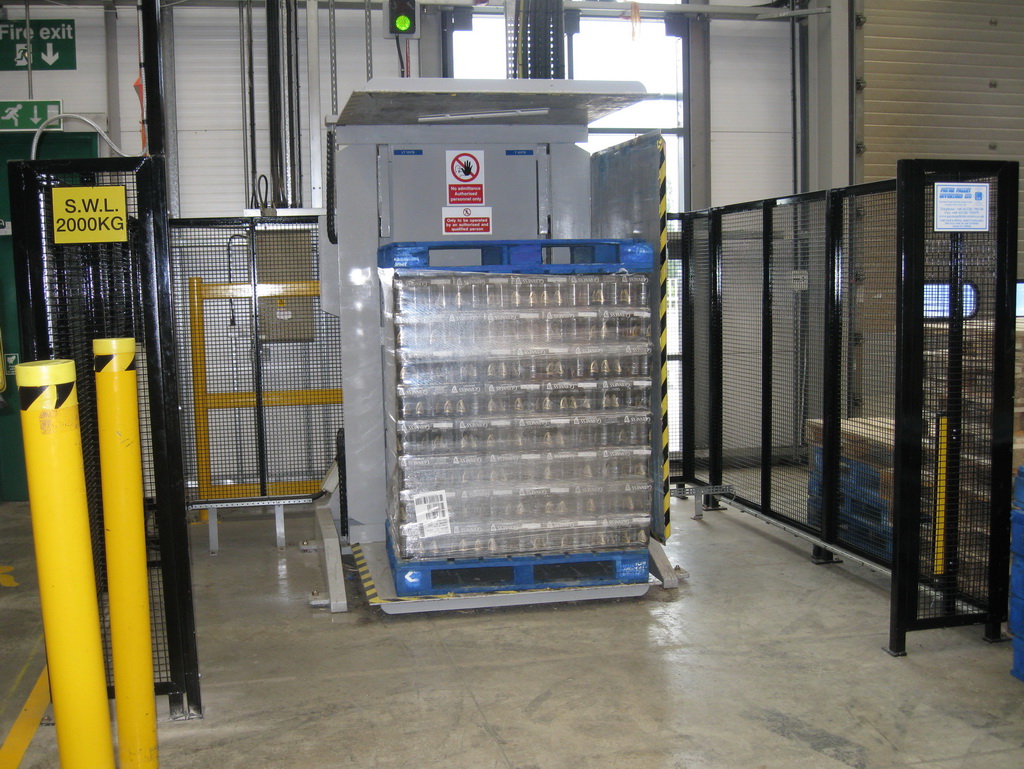
Stable voltage supply is critical for motor health. Voltage fluctuations, both overvoltage and undervoltage, can severely impact motor performance and longevity.
- Overvoltage: Excessively high voltage can stress the motor's insulation, leading to premature failure. Causes include:
- Regenerative Braking: Rapid deceleration of high inertia loads can cause the motor to act as a generator, feeding energy back into the inverter's DC bus and raising voltage levels.
- Supply Voltage Spikes: Transient or constant high voltage from the mains supply can also cause overvoltage issues.
Fixes for Overvoltage:
-
Activate Overvoltage Controller: Ensure the inverter's overvoltage controller is enabled.
-
Inspect Supply Voltage: Check for consistent or intermittent high voltage in the incoming power supply.
-
Braking System Check: If equipped, examine the brake chopper and resistor for proper operation.
-
Increase Deceleration Time: Lengthen deceleration times to reduce regenerative voltage spikes.
-
Utilize "Coast to Stop" Function: When feasible, use the "coast to stop" function to allow natural deceleration.
-
Regenerative Drive Consideration: For applications with frequent regenerative braking, consider a regenerative drive.
-
Undervoltage: Insufficient voltage can prevent the motor from operating correctly and can also damage the inverter and motor over time. Causes include:
- Supply Phase Loss: A blown fuse, faulty isolator, or contactor can result in the loss of a supply phase.
- Rectifier Bridge Fault: Internal faults within the inverter's rectifier bridge can lead to undervoltage.
- Low Mains Voltage: Consistently low incoming mains voltage is a direct cause of undervoltage.
Fixes for Undervoltage:
- Mains Supply and Fuse Inspection: Check the mains power supply and fuses for any issues.
- Isolator and Contactor Check: Verify the proper functioning of isolators and contactors in the power circuit.
- Incoming Voltage Measurement: Measure the incoming voltage to ensure it is within the acceptable range.
3. Earth Faults and Insulation Degradation
Earth faults occur when there is a leakage of current to earth, typically due to compromised insulation. This is a significant safety hazard and a common cause of motor failure.
- Poor Insulation Resistance: Deterioration of motor and cable insulation over time, due to heat, moisture, or physical damage, reduces insulation resistance.
- Capacitive Earth Faults in Long Cables: Long motor cables can exhibit significant capacitance, which can contribute to earth fault currents, especially with frequency converters.
- Incorrect Circuit Components: Power factor correction capacitors or surge absorbers incorrectly installed in the motor cable circuit can create earth fault issues.
Troubleshooting Earth Faults:
- Insulation Resistance Testing: Regularly test the insulation resistance of the motor and cabling.
- Circuit Component Review: Verify that no power factor correction capacitors or surge absorbers are incorrectly placed in the motor cable circuit.
- Cable Length Consideration: For long cable runs, consider using filters or drives designed for longer cable lengths.
4. Environmental Factors and Lack of Maintenance
The operating environment and consistent maintenance practices play a crucial role in motor longevity.
- Overheating: Motors generate heat during operation. Inadequate ventilation, excessive ambient temperatures, or blocked motor cooling fins can lead to overheating and insulation breakdown. Regular cleaning of motor fins is essential.
- Contamination: Dust, debris, and moisture ingress can contaminate motor windings and bearings, leading to premature wear and failure. Regular cleaning and inspection for proper sealing are important.
- Lubrication Neglect: Moving parts within the pallet inverter, including motor bearings and associated mechanical components, require regular lubrication to minimize friction and prevent wear. Following the manufacturer's lubrication schedule is crucial.
- Wear and Tear of Moving Parts: Continuous operation inevitably leads to wear and tear. Regular inspections for loose components, damaged parts, and signs of wear are necessary to identify and address issues before they cause motor failure.
Preventative Maintenance Checklist:
- Regular Lubrication: Lubricate all moving parts according to the manufacturer's recommendations (weekly or monthly depending on usage).
- Routine Cleaning: Clean the pallet inverter and motor regularly to remove dirt, dust, and debris.
- Scheduled Inspections: Conduct regular inspections for signs of wear, damage, loose components, and leaks (monthly and annually).
- Calibration Checks: Ensure proper calibration of the pallet inverter for accurate and safe load handling (annually or as recommended).
- Hydraulic Oil Level Check: For hydraulic pallet inverters, monitor and maintain the hydraulic oil level (monthly).
- Electrical Panel Inspection: Inspect electrical panels for loose connections, corrosion, and damage (annually).
- Guard and Safety Device Checks: Verify the integrity and proper function of safety guards and light barriers (annually).
Troubleshooting and Repair Strategies
When a pallet inverter motor fails, systematic troubleshooting is essential to pinpoint the root cause.
-
Initial Checks:
- Emergency Stop: Ensure the emergency stop button is not engaged.
- Power Supply: Verify that power is reaching the inverter and motor.
- Visual Inspection: Look for any obvious signs of damage, loose wiring, or overheating.
-
Diagnostic Tools:
- Multimeter: Use a multimeter to check voltage levels, continuity, and insulation resistance.
- Inverter Diagnostics: Many modern inverters have built-in diagnostic features and error code displays that can provide valuable clues. Consult the inverter manual for interpreting these codes.
-
Component Isolation: Systematically isolate potential problem areas.
- Motor: Test the motor windings for continuity and insulation resistance.
- Cabling: Inspect and test motor cables for breaks, shorts, and insulation faults.
- Inverter: If possible, and with proper safety precautions, check inverter input and output voltages.
-
Seek Professional Assistance: For complex electrical issues, inverter faults, or if troubleshooting exceeds your in-house capabilities, consult a qualified technician experienced in pallet inverter repair. Manufacturers like Toppy and Vestil, and ABB partners like IDS, offer service and support, including onsite repairs and remote assistance.
Conclusion: Investing in Prevention
Pallet inverter motor failures, while disruptive, are often preventable with diligent maintenance and a proactive approach to identifying and addressing potential issues. Understanding the common causes – electrical overloads, voltage fluctuations, insulation degradation, and environmental factors – empowers you to implement effective preventative measures. Regular lubrication, cleaning, inspections, and timely troubleshooting are not just maintenance tasks; they are investments in the reliability, safety, and longevity of your pallet inverter, ultimately contributing to smoother operations and a healthier bottom line for your business. Remember, consistent preventative maintenance and prompt attention to anomalies are key to minimizing downtime and maximizing the lifespan of your vital pallet inverter equipment.