
How to Enhance Safety in Pallet Inverter Operations?
Enhancing safety in pallet inverter operations is paramount to prevent workplace accidents and protect employees. Key measures include comprehensive operator training, mandatory PPE, enforced clearance areas, regular maintenance, and fostering a strong safety culture. Implementing these protocols ensures efficient and safe material handling processes, minimizing risks and promoting a secure working environment.
Pallet inverters are indispensable tools in modern warehouses and manufacturing facilities, streamlining material handling by efficiently rotating and transferring loads. These machines eliminate the arduous manual labor of pallet changeovers, significantly boosting productivity and reducing the risk of product damage. However, like any powerful machinery, pallet inverters present inherent safety risks if not operated and maintained correctly. Ensuring a safe working environment around pallet inverters is not just a regulatory requirement; it’s a moral imperative that protects employees from potential harm and safeguards business continuity. This article delves into critical strategies and best practices to enhance safety in pallet inverter operations, creating a secure and efficient workspace.
The Foundation of Safety: Comprehensive Operator Training
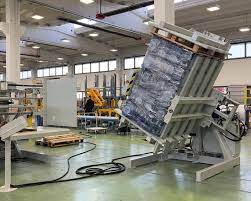
The cornerstone of any safety enhancement strategy begins with well-trained personnel. Operating a pallet inverter, even seemingly straightforward models, requires a thorough understanding of its functionalities, potential hazards, and emergency procedures. Never should an employee be allowed to operate a pallet inverter without undergoing rigorous and certified training.
This training should encompass several key areas:
- Operational Mechanics: Operators must fully understand how the pallet inverter functions, including its controls, movement range, and load capacities. Training should cover normal operation procedures as well as procedures for handling unusual situations or malfunctions.
- Safety Protocols: A significant portion of the training must focus on safety protocols specific to the pallet inverter. This includes pre-operation checks, safe loading and unloading procedures, emergency stop procedures, and awareness of potential pinch points and crush zones.
- Risk Identification and Mitigation: Training should equip operators to identify potential hazards in the operational area, such as uneven flooring, obstructions, or unauthorized personnel entering the clearance zone. They should be trained on how to mitigate these risks proactively.
- Emergency Procedures: Operators need to be proficient in responding to emergencies, including knowing the location and operation of emergency shut-off switches, and procedures for safely halting operations in case of equipment malfunction or unexpected events.
- Equipment-Specific Training: Training should be specific to the make and model of the pallet inverter being used. Different machines may have varying controls, safety features, and operational nuances.
Upon completion of training, operators should receive formal certification, demonstrating their competence and authorization to operate the equipment. Regular refresher courses are also crucial to reinforce safety practices and update operators on any new procedures or equipment updates.
Personal Protective Equipment: Your First Line of Defense

Personal Protective Equipment (PPE) is not merely a recommendation but a mandatory requirement for all personnel operating or working in the vicinity of pallet inverters. PPE acts as the first line of defense against potential injuries arising from accidents involving heavy loads and moving machinery.
Essential PPE for pallet inverter operations includes:
- Hard Hats: Helmets are non-negotiable and must be worn at all times within the pallet inverter operational area. Even if a load appears secure, there's always a risk of items shifting or falling from a palletized stack during inversion. A hard hat protects against head injuries from falling objects.
- Safety Shoes: Sturdy safety shoes with steel toe protection are crucial to protect feet from crushing injuries, especially when working around heavy pallets and machinery.
- High-Visibility Clothing: Operators and personnel working in the area should wear high-visibility vests or clothing to ensure they are easily seen by other workers and equipment operators, minimizing the risk of collisions or accidental contact.
- Gloves: Depending on the materials being handled, gloves may be necessary to protect hands from cuts, abrasions, or chemical exposure.
- Safety Glasses: While not always explicitly mentioned in basic guidelines, safety glasses are advisable to protect eyes from dust or debris that may be dislodged during pallet inversion.
Enforcing strict adherence to PPE guidelines is crucial. Supervisors must regularly monitor PPE compliance and address any violations immediately. Providing readily accessible PPE and clearly communicating the mandatory nature of its use reinforces a culture of safety.
Establishing and Enforcing Clearance Areas: Defining Safe Zones
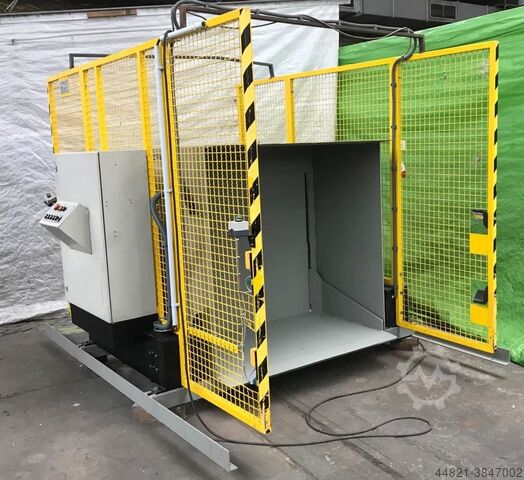
Pallet inverters, by their nature, involve the movement of heavy loads through a defined space. Establishing and strictly enforcing a clearance area around the operational zone is vital to prevent unauthorized personnel from entering a potentially hazardous area during operation.
Key steps in implementing effective clearance areas include:
- Define the Range of Motion: Clearly determine the full range of motion of the pallet inverter during its operational cycle. This includes the space occupied by the machine itself and the maximum extent of the load during rotation or inversion.
- Add a Safety Buffer: Expand the defined range of motion by adding a buffer zone to create a safe clearance perimeter. This extra space accounts for unexpected movements or operator errors.
- Physical Demarcation: Visually mark the clearance area using high-visibility, durable materials. High-traffic grade paint is excellent for floor markings, clearly delineating the safe zone. Physical barriers like safety tape or ropes can also be used for temporary or additional demarcation.
- Warning Signage: Post prominent and easily visible warning signs around the clearance area. These signs should clearly state "Danger: Pallet Inverter in Operation," "Authorized Personnel Only," or similar warnings. Use universal safety symbols for broader comprehension.
- Access Control: Implement measures to control access to the clearance area during operation. This may involve physical barriers, light curtains, or interlocks that prevent the machine from operating if the clearance zone is breached.
Regularly inspect and maintain the clearance area markings and signage to ensure they remain clear and effective. Reinforce the importance of respecting the clearance area through training and regular safety reminders.
Regular Maintenance and Pre-Use Inspections: Proactive Equipment Care
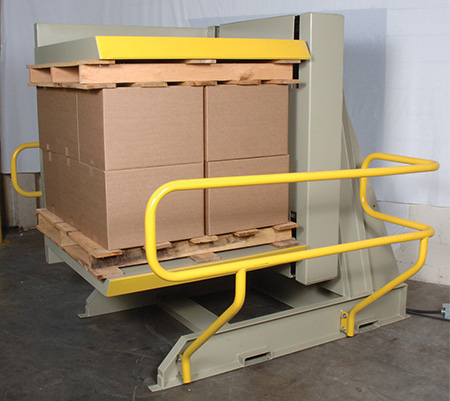
Like all machinery, pallet inverters require regular maintenance to ensure safe and reliable operation. Neglecting maintenance can lead to equipment malfunctions, increasing the risk of accidents. A proactive maintenance schedule and mandatory pre-use inspections are crucial safety measures.
Essential maintenance and inspection protocols include:
- Scheduled Maintenance Program: Establish a routine maintenance schedule based on the manufacturer’s recommendations and operational frequency. This program should include lubrication of moving parts, hydraulic system checks, inspection of clamping mechanisms, and electrical system checks.
- Qualified Maintenance Personnel: Ensure that maintenance is performed by trained and qualified technicians who understand the intricacies of pallet inverter systems.
- Pre-Use Inspection Checklist: Implement a mandatory pre-use inspection checklist for operators to complete before each shift or operation. This checklist should include visual inspections for signs of wear and tear, loose bolts, rust, hydraulic leaks, and damage to safety guards or features.
- Record Keeping: Maintain detailed records of all maintenance and inspections. This documentation helps track maintenance history, identify recurring issues, and ensure accountability.
- Prompt Repair Procedures: Establish a clear procedure for reporting and addressing any identified maintenance issues or malfunctions. The pallet inverter should be immediately taken out of service if any safety-critical issues are detected and should not be returned to operation until repairs are completed and verified by qualified personnel.
Regular maintenance not only enhances safety but also prolongs the lifespan of the pallet inverter and ensures optimal operational efficiency.
Cultivating a Safety-First Culture: Employee Education and Engagement
Safety is not solely about procedures and equipment; it's fundamentally about cultivating a safety-first culture within the workplace. This involves educating employees on the importance of safety, encouraging open communication about safety concerns, and actively engaging employees in safety initiatives.
Key strategies for fostering a safety-conscious culture include:
- Regular Safety Meetings and Training: Conduct regular safety meetings and refresher training sessions. These sessions should not only cover operational safety procedures but also broader workplace safety topics and encourage employee participation and feedback.
- Open Communication Channels: Establish open channels for employees to report safety concerns or near misses without fear of reprisal. Encourage a culture where employees feel empowered to speak up about potential hazards.
- Safety Committees and Representatives: Form safety committees or appoint safety representatives comprising employees from different operational areas. These groups can actively participate in safety audits, risk assessments, and the development of safety procedures.
- Safety Performance Recognition: Recognize and reward employees who demonstrate exemplary safety behavior or contribute to safety improvements. Positive reinforcement encourages a proactive approach to safety.
- Lead by Example: Management and supervisory staff must lead by example, consistently adhering to safety protocols and demonstrating a commitment to workplace safety. Their actions set the tone for the entire organization.
A strong safety culture is one where safety is ingrained in every aspect of operations, becoming a shared responsibility and a core value of the organization.
Advanced Safety Equipment and Technology: Enhancing Protection
Beyond basic safety protocols, incorporating advanced safety equipment and technology can significantly enhance the safety of pallet inverter operations. These technologies provide an extra layer of protection, minimizing risks and preventing accidents.
Examples of advanced safety equipment include:
- Safety Light Curtains and Photo-Electric Beams: These systems create invisible safety barriers around the pallet inverter’s operational area. If the light curtain or beam is breached by a person or object during operation, the machine automatically stops, preventing potential collisions or entrapment.
- Interlocked Safety Gates: Installing interlocked safety gates around the pallet inverter enclosure ensures that the machine cannot operate unless the gates are securely closed. This prevents accidental entry into the operational zone during hazardous movements.
- Emergency Stop Buttons (E-Stops): Strategically placed emergency stop buttons should be readily accessible to operators and personnel in the vicinity of the pallet inverter. E-stops allow for immediate halting of the machine in case of any emergency situation.
- Audible and Visual Warning Systems: Equip pallet inverters with audible alarms and flashing warning lights that activate before and during operation. These systems provide clear warnings to personnel in the area, alerting them to the machine's activity.
- Backup Power Sources and Fail-Safe Mechanisms: In critical applications, consider backup power sources to ensure that safety systems remain operational even during power outages. Fail-safe mechanisms should be incorporated to bring the machine to a safe stop in case of power loss or system failures.
Investing in and properly implementing these advanced safety technologies demonstrates a strong commitment to workplace safety and provides robust protection for employees.
Product Safety: Protecting Loads and Preventing Related Hazards
While employee safety is paramount, product safety is also intrinsically linked to overall operational safety. Damaged or unstable loads can create significant hazards, leading to accidents and injuries. Ensuring product safety during pallet inverter operations is therefore crucial.
Key measures for product safety include:
- Correct Pallet Size and Type: Always use pallets that are appropriate for the load weight and dimensions and are compatible with the pallet inverter’s clamping mechanism. Damaged or unsuitable pallets can lead to load instability and product damage.
- Secure Load Strapping and Wrapping: Ensure that loads are properly strapped, wrapped, or otherwise secured to the pallet before inversion. This prevents items from shifting, falling, or becoming dislodged during the inversion process.
- Avoid Overloading: Never exceed the pallet inverter’s rated load capacity. Overloading can strain the machine, compromise stability, and increase the risk of accidents and product damage.
- Gentle Inversion Cycles: If handling fragile goods, utilize pallet inverters with adjustable inversion speeds and gentle handling capabilities. This minimizes stress on the products and reduces the risk of damage during rotation.
- Regular Load Inspection: Operators should visually inspect loads before and after inversion to identify any signs of instability or damage. Any questionable loads should be addressed before further handling.
Protecting the integrity of the product load not only minimizes financial losses from damaged goods but also prevents potential safety hazards associated with unstable or collapsing loads.
Performance Monitoring and Continuous Improvement: A Cycle of Safety Enhancement
Safety is not a static state; it requires continuous monitoring, evaluation, and improvement. Implementing performance monitoring and a commitment to continuous improvement is essential for maintaining and enhancing safety in pallet inverter operations over time.
Key components of a continuous improvement approach include:
- Safety Audits and Inspections: Conduct regular safety audits and inspections of pallet inverter operations. These audits should assess compliance with safety procedures, the effectiveness of safety equipment, and identify any potential areas for improvement.
- Incident and Near-Miss Reporting and Analysis: Establish a robust system for reporting and thoroughly investigating all incidents and near misses, regardless of whether they resulted in injury or damage. Analyze these reports to identify root causes and implement corrective actions to prevent recurrence.
- Safety Performance Metrics: Track key safety performance indicators (KPIs) such as incident rates, near-miss frequency, safety training completion rates, and maintenance compliance. Monitoring these metrics provides data-driven insights into safety performance trends and areas needing attention.
- Employee Feedback and Suggestions: Actively solicit and consider employee feedback and suggestions for safety improvements. Employees working directly with the equipment often have valuable insights into practical safety enhancements.
- Management Review and Commitment: Regularly review safety performance data and improvement initiatives with management. Demonstrate ongoing management commitment to safety by allocating resources and supporting continuous improvement efforts.
By embracing a cycle of performance monitoring and continuous improvement, organizations can proactively identify and address safety gaps, fostering a culture of ongoing safety enhancement in pallet inverter operations.
Conclusion: Prioritizing Safety for Operational Excellence
Enhancing safety in pallet inverter operations is not just about compliance; it's about creating a workplace where employees are protected, operations are efficient, and productivity is maximized sustainably. By implementing comprehensive operator training, enforcing PPE usage, establishing clear clearance areas, maintaining equipment diligently, fostering a safety-first culture, leveraging advanced safety technologies, prioritizing product safety, and embracing continuous improvement, organizations can significantly mitigate risks and create a truly safe and productive environment around pallet inverter operations. Investing in safety is an investment in your employees, your operations, and the long-term success of your business. A safe workplace is not just a responsible workplace; it’s a smarter and more efficient workplace.