
What Are the Cost Savings of Using Pallet Inverters?
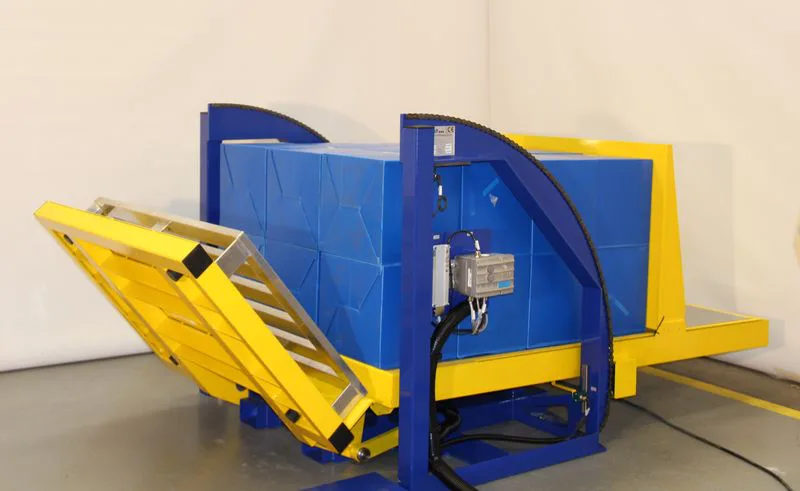
Unlock significant cost savings by investing in pallet inverters. These machines streamline warehouse operations, reduce labor costs, minimize product damage, and enhance workplace safety. Discover how pallet inverters can deliver a strong ROI and optimize your material handling processes, ultimately boosting your bottom line.
Streamlining Operations and Slashing Costs: The Pallet Inverter Advantage
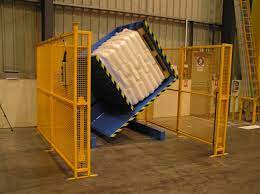
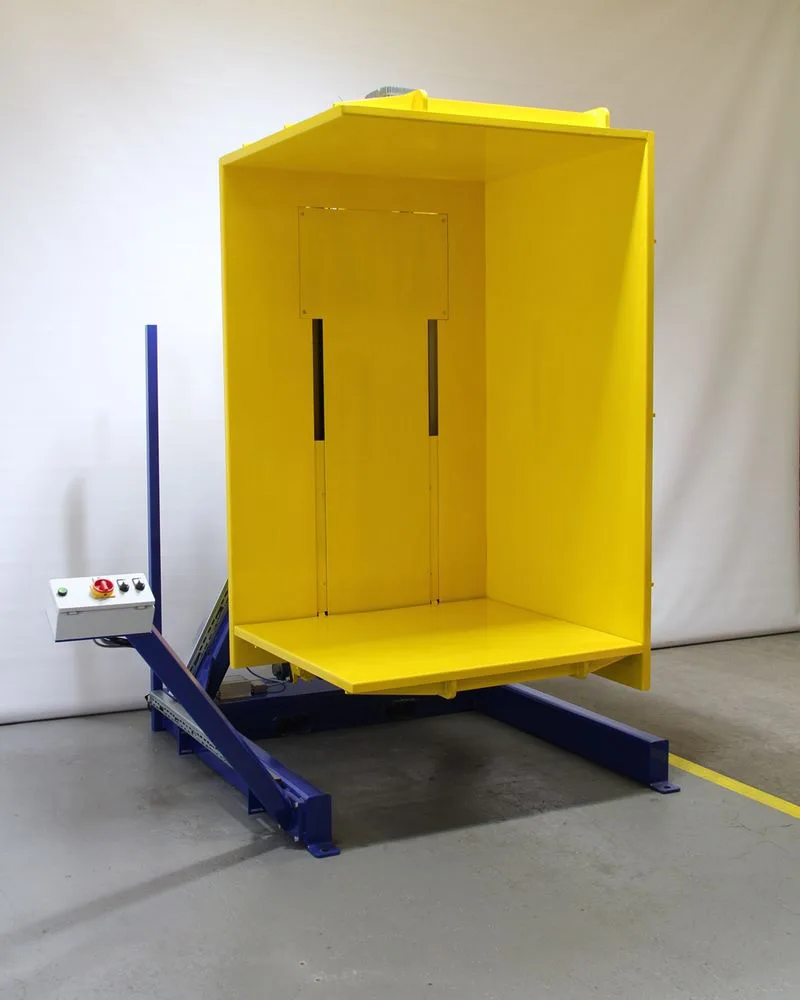
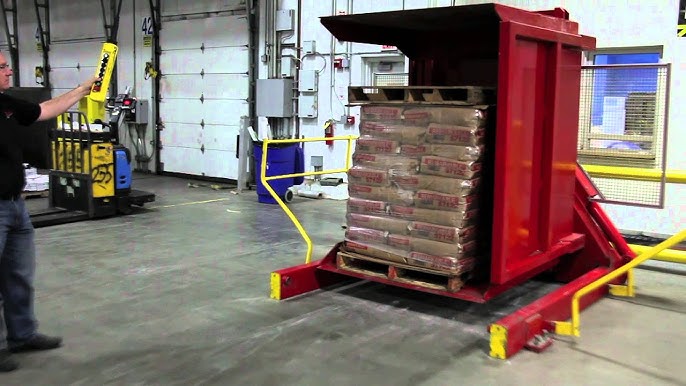
In today's fast-paced industrial landscape, efficiency and cost-effectiveness are paramount. Businesses are constantly seeking innovative solutions to optimize their workflows and reduce operational expenses. One such solution gaining significant traction is the pallet inverter. But what exactly are the tangible cost savings associated with implementing pallet inverters in your operations? Let's delve into the compelling financial benefits that these machines bring to the table.
Efficiency Benefits: Time is Money Saved
Pallet inverters are designed to dramatically enhance the efficiency of material handling processes within warehouses and factories. Manual pallet handling is often a time-consuming and labor-intensive task. Imagine the process of manually transferring goods from a damaged pallet to a new one, or rotating a heavy pallet load to access goods at the bottom. These tasks, when done manually, not only consume valuable time but also tie up significant manpower.
Pallet inverters automate these processes, accomplishing pallet transfer or inversion in a fraction of the time it would take manually. Many models boast cycle times as low as 45 seconds, a stark contrast to the potentially lengthy manual procedures. This speed translates directly into significant time savings. Consider the cumulative effect of these time savings over days, weeks, and months. Reduced handling time means faster throughput, allowing for quicker processing of goods, faster order fulfillment, and ultimately, increased productivity across your operations. This enhanced efficiency allows your workforce to be redeployed to more value-added tasks, further optimizing your labor resources.
Labor Cost Reduction: Doing More with Less
One of the most compelling cost-saving benefits of pallet inverters is the significant reduction in labor costs. Manual pallet handling inherently requires manpower. Tasks like pallet restacking, transferring loads, or rotating pallets are physically demanding and often require multiple employees. By automating these labor-intensive tasks, pallet inverters directly reduce the need for manual labor in material handling.
This reduction translates into tangible savings on wages and related labor expenses. Businesses can operate with a leaner workforce, freeing up personnel to focus on tasks that require skilled attention and decision-making, rather than repetitive manual labor. Furthermore, reduced reliance on manual handling can also mitigate overtime costs associated with lengthy or physically demanding pallet-related tasks. The investment in a pallet inverter essentially empowers businesses to achieve more with less manpower, creating a more cost-effective and efficient labor structure.
Minimizing Product Damage: Protecting Your Bottom Line
Product damage is a significant, yet often underestimated, drain on profitability in many industries. Manual handling of pallets, especially with forklifts, increases the risk of accidents and mishandling, leading to damaged goods. Forklift mishaps, improper stacking, and the sheer physical strain of manual pallet manipulation can all contribute to product damage during storage and transit.
Pallet inverters offer a far safer and more controlled method for handling palletized goods. By carefully lifting, tilting, or inverting loads, these machines minimize the risk of product damage associated with manual handling. The controlled movements of a pallet inverter are designed to protect the integrity of the goods being handled, reducing breakage, spillage, or other forms of damage that can occur during manual pallet manipulation. Reducing product damage directly translates into cost savings by minimizing losses from unsaleable or discounted goods, reducing waste, and improving customer satisfaction by ensuring products arrive in optimal condition.
Enhancing Workplace Safety: Investing in Your Team
Workplace injuries related to manual material handling are a significant concern for businesses across industries. Manual lifting, bending, and awkward movements associated with pallet handling can lead to strains, sprains, back injuries, and other musculoskeletal disorders. These injuries not only impact employee well-being but also result in significant costs related to workers' compensation claims, lost productivity, and potential OSHA violations.
Pallet inverters play a crucial role in creating a safer work environment by automating hazardous manual handling tasks. By eliminating or significantly reducing the need for manual lifting and awkward pallet manipulations, pallet inverters minimize the risk of workplace injuries. This not only protects employees from harm but also reduces the financial burden associated with workplace accidents. A safer workplace leads to a more engaged and productive workforce, further contributing to overall operational efficiency and cost savings. Investing in a pallet inverter is, in essence, an investment in the safety and well-being of your workforce, which in turn yields positive financial returns.
Pallet Management and Reduced Rental Costs
Efficient pallet management is another area where pallet inverters contribute to cost savings. Many businesses, particularly those in industries like food and beverage or pharmaceuticals, require frequent pallet changes for hygiene or material compatibility reasons. Manually changing pallets can be cumbersome and time-consuming. Pallet inverters streamline this process, making pallet swaps quick and easy.
Furthermore, for businesses that rely on rented pallets, pallet inverters can help optimize pallet usage and reduce rental costs. By facilitating efficient pallet transfers, businesses can minimize the number of pallets needed in circulation and potentially reduce rental expenses. Pallet inverters also aid in quickly identifying and removing damaged pallets from circulation, preventing further damage to goods and ensuring only quality pallets are in use, which can also impact rental agreements and potential damage charges.
Return on Investment (ROI): A Sound Financial Decision
While the initial investment in a pallet inverter needs to be considered, the long-term Return on Investment (ROI) is often substantial and justifies the expenditure. The cumulative cost savings from increased efficiency, reduced labor costs, minimized product damage, enhanced safety, and optimized pallet management quickly add up.
When evaluating the ROI, consider the following factors:
- Labor Savings: Calculate the reduction in labor hours and associated wage costs achieved by automating pallet handling tasks.
- Product Damage Reduction: Estimate the financial losses currently incurred due to product damage and project the savings from significantly reducing these losses.
- Efficiency Gains: Quantify the increase in throughput and productivity resulting from faster pallet handling processes.
- Safety Cost Avoidance: Factor in the potential savings from reduced workers' compensation claims and lost productivity due to workplace injuries.
- Pallet Management Savings: Assess the potential reduction in pallet rental costs and damage-related pallet expenses.
By carefully analyzing these factors, businesses can develop a clear picture of the potential ROI from investing in a pallet inverter. Often, the payback period for a pallet inverter is surprisingly short, making it a financially sound investment with long-term benefits.
Choosing the Right Pallet Inverter: Maximizing Your Savings
To fully realize the cost savings potential of pallet inverters, selecting the right type and model for your specific needs is crucial. The market offers a variety of pallet inverter types, including:
- Single Clamp Pallet Inverters: These are versatile and popular models suitable for a wide range of applications. They offer stability and efficient pallet inversion.
- Dual Clamp Pallet Inverters: Ideal for handling loads with varying heights and package types. They provide a larger clamping range, making them adaptable to diverse inbound load transfers.
- Ground Loading Pallet Inverters: Designed for facilities with limited space or without forklift access. They can be used with manual or electric pallet trucks, expanding the applicability of pallet inverters to various warehouse layouts.
- 90-Degree Pallet Inverters (Rotators): These models rotate loads to a precise 90-degree angle, streamlining pallet replacement and adjustment processes.
When choosing a pallet inverter, consider factors such as:
- Load Capacity: Select a model with sufficient capacity to handle the weight of your typical pallet loads.
- Jaw Opening: Ensure the jaw opening is appropriate for the range of pallet heights you handle.
- Cycle Time: Consider the desired speed of pallet inversion or transfer based on your operational throughput requirements.
- Features and Customization: Explore available features like push-button or lever operation, safety features, and customization options to tailor the inverter to your specific needs.
- Durability and Reliability: Opt for high-quality, industrial-grade inverters built for long-lasting performance and minimal maintenance.
Partnering with a reputable manufacturer or supplier is also essential to ensure you receive comprehensive support, competitive pricing, and reliable equipment.
Industries That Benefit: Wide-Ranging Applications
The cost savings and efficiency benefits of pallet inverters are applicable across a wide spectrum of industries. Some of the key sectors that significantly benefit from pallet inverter technology include:
- Food and Beverage: For hygiene, pallet exchange, and rotating stock to prevent settling or spoilage.
- Pharmaceuticals: For maintaining sterile environments, pallet changes, and handling sensitive products.
- Manufacturing: For efficient material handling, pallet changes for in-house racking or outgoing shipments, and rotating loads during production.
- Warehousing and Distribution: For streamlining logistics, pallet transfers, damage recovery, and optimizing warehouse space.
- Printing: For inverting stacks of paper or printed materials.
- Automotive: For handling parts, components, and materials in manufacturing and supply chains.
- Construction: For handling bricks, materials, and equipment.
Essentially, any industry that handles palletized goods and seeks to optimize efficiency, reduce costs, enhance safety, and minimize product damage can benefit from integrating pallet inverters into their operations.
Conclusion: Invest in Efficiency, Reap the Rewards
Investing in a pallet inverter is a strategic move that can unlock substantial cost savings and operational improvements for businesses across diverse industries. From reducing labor costs and minimizing product damage to enhancing workplace safety and streamlining pallet management, the benefits are multifaceted and contribute directly to a stronger bottom line. By automating labor-intensive and potentially hazardous manual pallet handling tasks, pallet inverters free up valuable resources, improve efficiency, and create a safer and more productive work environment. The long-term ROI of a pallet inverter investment is compelling, making it a sound financial decision for businesses seeking to optimize their material handling processes and achieve sustainable cost savings. Embrace the power of pallet inverters and transform your warehouse operations into a model of efficiency and cost-effectiveness.