
How to Improve Pallet Inverter Efficiency in High-Volume Operations?
Looking to maximize throughput in your high-volume operations? Pallet inverters are key. Improve efficiency by selecting the right capacity, training operators, optimizing workflows, and maintaining your equipment. Boost productivity and reduce downtime with these strategic steps.
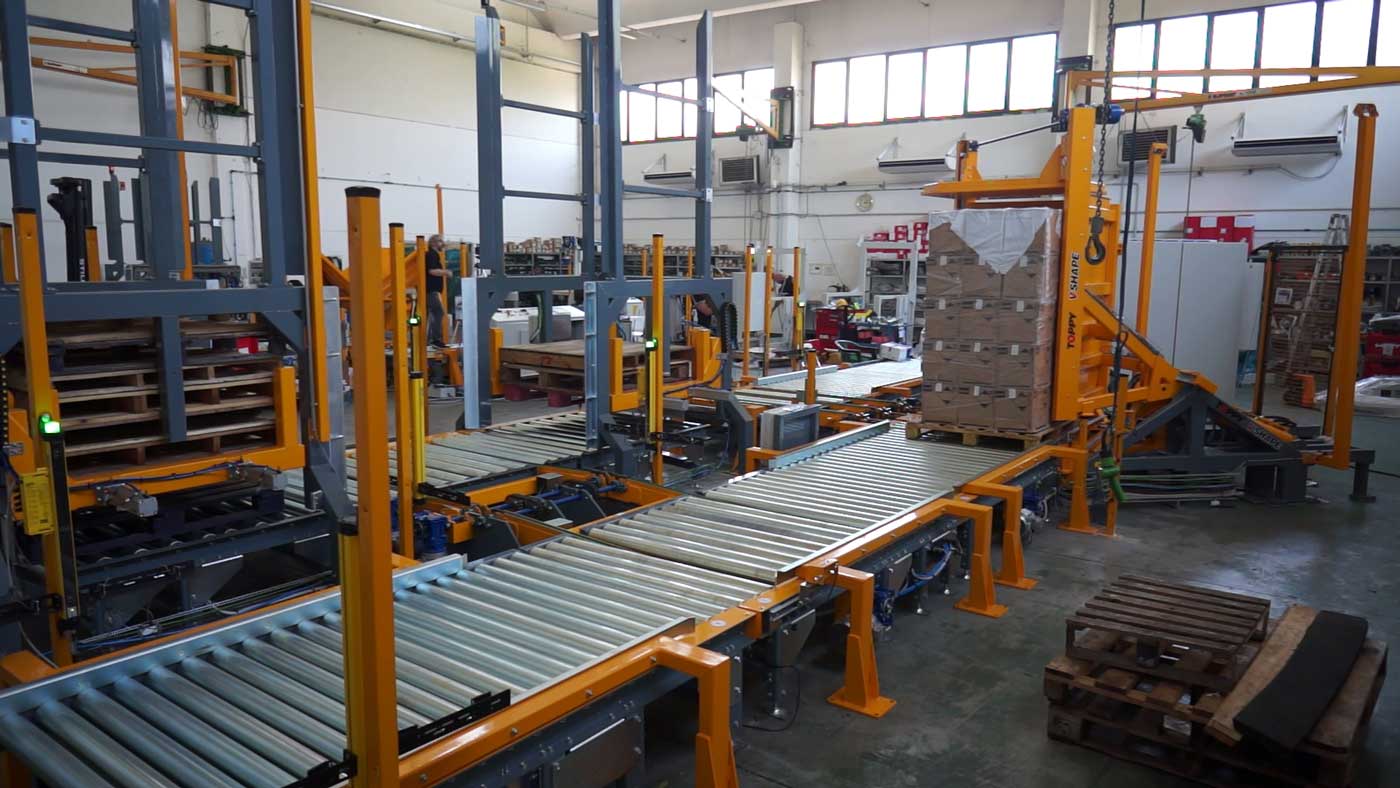
Understanding the Role of Pallet Inverters in High-Volume Operations
In the fast-paced world of high-volume industrial operations, efficiency is paramount. Every minute saved, every process streamlined, contributes directly to the bottom line. Within this landscape, pallet inverters play a critical yet often underestimated role. These specialized machines are engineered to efficiently and safely invert or rotate palletized loads, a function that proves invaluable across diverse sectors.
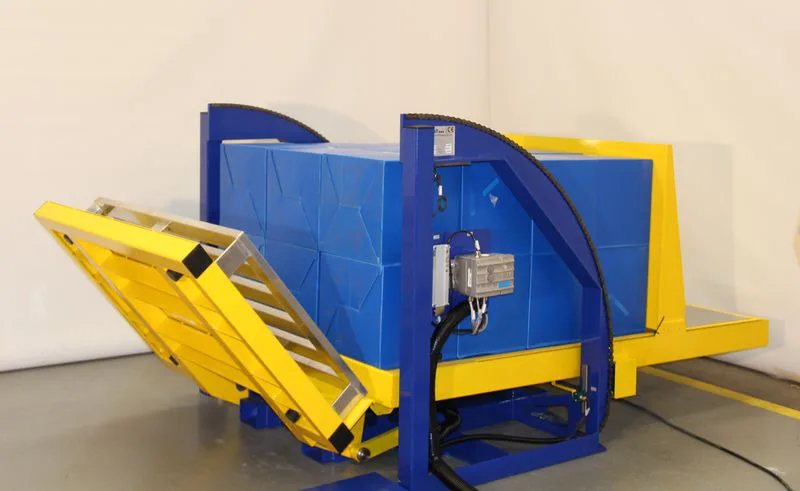
A pallet inverter is essentially a piece of material handling equipment designed to grip a palletized load securely and then flip it, typically 180 degrees. This action might seem simple, but its implications for efficiency, safety, and cost-effectiveness in high-volume settings are significant. Imagine warehouses bustling with goods, manufacturing plants processing materials at scale, or distribution centers managing a constant flow of products – in each of these scenarios, the ability to quickly and reliably invert pallets is not just convenient; it's often essential for optimizing the entire operational flow.
Key Benefits of Pallet Inverters for High-Volume Throughput
The adoption of pallet inverters in high-volume operations is driven by a multitude of compelling benefits, each contributing to a more efficient and productive workflow.
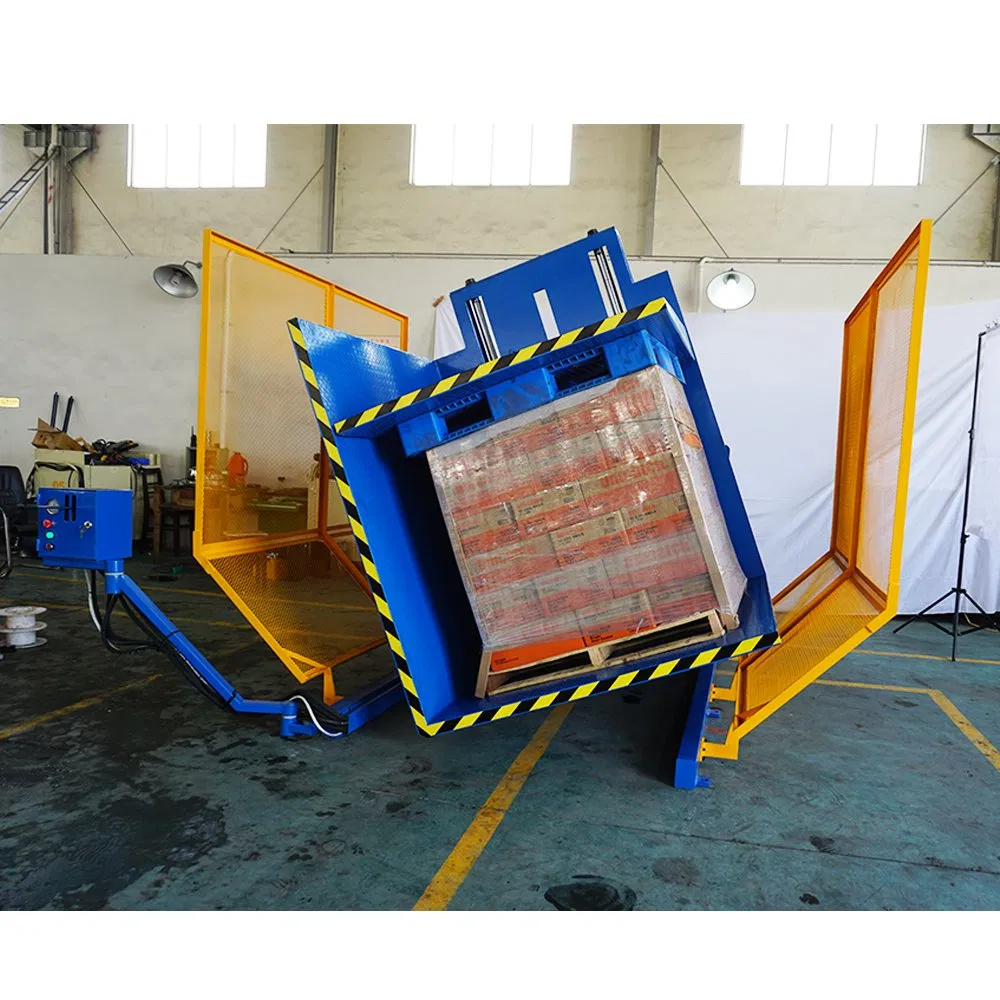
Boosting Efficiency and Productivity
The most immediate and impactful benefit of pallet inverters is the marked increase in efficiency and productivity. In high-volume environments, manually handling pallets is a time-consuming and labor-intensive undertaking. Pallet inverters automate the inversion process, drastically reducing the time and manpower required for tasks such as transferring goods from damaged pallets to new ones, switching from shipping to in-house pallets, or accessing bottom-layer goods without manual restacking. This automation translates directly to higher throughput, allowing facilities to process a greater volume of pallets in less time, ultimately enhancing overall productivity and profitability. In environments where time is money, the speed and efficiency gains provided by pallet inverters are invaluable.
Enhancing Workplace Safety and Ergonomics
Manual pallet handling is not only inefficient but also poses significant safety risks. Lifting, bending, and manually rotating heavy pallet loads can lead to musculoskeletal injuries, back strains, and other workplace accidents. Pallet inverters eliminate the need for manual lifting and awkward movements, significantly reducing the risk of injuries and creating a safer working environment for employees. By minimizing physical strain, pallet inverters also improve workplace ergonomics, contributing to a healthier and more comfortable work environment. A safer workplace translates to fewer lost-time incidents, reduced compensation claims, and a more engaged and productive workforce.
Optimizing Space Utilization
Efficient space utilization is a critical concern in high-volume warehouses, distribution centers, and manufacturing facilities where storage space often comes at a premium. Pallet inverters contribute to better space optimization by streamlining pallet handling processes. Faster inversion and handling mean less time spent maneuvering pallets, leading to smoother material flow and reduced congestion in operational areas. Furthermore, by facilitating efficient pallet exchange and load manipulation, pallet inverters enable more organized and compact storage arrangements. Maximizing available floor space through efficient pallet handling directly translates to increased storage capacity and enhanced overall operational efficiency within the facility.
Applications of Pallet Inverters in High-Volume Industries
The versatility of pallet inverters makes them indispensable across a spectrum of high-volume industries and operational settings.
Warehouses and Distribution Centers
Warehouses and distribution centers, characterized by their high throughput and constant movement of goods, are prime beneficiaries of pallet inverter technology. These facilities handle vast quantities of palletized goods daily, making efficient pallet management absolutely crucial for smooth operations. Pallet inverters streamline essential warehouse tasks such as cross-docking, where goods are transferred directly from incoming to outgoing transport; putaway, the process of moving goods to their storage locations; and order fulfillment, the picking and packing of customer orders. By accelerating these processes, pallet inverters ensure a more efficient flow of goods, reduce bottlenecks, and improve overall warehouse performance.
Manufacturing Facilities
In manufacturing environments, pallet inverters are integral to optimizing production processes from start to finish. From receiving raw materials and components to shipping finished products, pallet inverters ensure the safe and efficient handling of palletized goods at every stage. They minimize downtime by enabling quick pallet changes and load adjustments, supporting lean manufacturing principles focused on waste reduction and efficiency maximization. Whether it's inverting loads for access to bottom layers, changing pallets for hygiene reasons, or preparing goods for the next stage of production, pallet inverters play a vital role in maintaining a smooth and continuous manufacturing flow.
Logistics and Transportation
The logistics and transportation industry, which relies heavily on the efficient movement of palletized cargo, finds pallet inverters to be essential tools. These machines are critical for loading and unloading trucks, containers, and various other modes of transport. By ensuring proper pallet orientation and facilitating quick load adjustments, pallet inverters contribute to safe and efficient cargo handling, minimizing the risk of damage during transit and reducing potential delays. In the fast-paced world of logistics, where speed and reliability are paramount, pallet inverters are key to optimizing turnaround times and maintaining seamless supply chain operations.
Factors to Optimize Pallet Inverter Efficiency in High-Volume Settings
To truly maximize the benefits of pallet inverters in high-volume operations, it's crucial to go beyond simply installing the equipment. Optimizing their efficiency requires a strategic approach that considers various factors.
1. Selecting the Right Pallet Inverter Capacity and Type
Choosing a pallet inverter is not a one-size-fits-all decision. The selection process must begin with a thorough assessment of the specific operational needs and demands of the high-volume environment.
Load Capacity and Weight Handling: A primary consideration is the load capacity and weight-handling capabilities of the inverter. It's imperative to select a machine that can safely and reliably handle the maximum weights and dimensions of the palletized goods being processed. Overloading an inverter can lead to equipment damage, safety hazards, and operational disruptions. Investing in a machine with adequate capacity ensures smooth, consistent performance and prevents costly downtime.
Type of Pallet Inverter: The type of pallet inverter also plays a crucial role in efficiency. For high-volume operations, fully automatic systems are often the most suitable choice. While semi-automatic inverters offer flexibility and control, they require manual intervention, which can slow down processes in high-throughput environments. Fully automatic inverters, on the other hand, are designed for seamless integration into automated production lines and material handling systems, maximizing speed and minimizing manual labor. For facilities with diverse needs, it's also worth considering the range of pallet inverter types available – mobile, stationary, forklift attachments – to determine the best fit for different operational zones or tasks within the high-volume setting.
2. Streamlining Pallet Inverter Workflow and Integration
Even the most advanced pallet inverter will underperform if it's not integrated into an optimized workflow.
Workflow Analysis: Conduct a thorough workflow analysis to map out the entire pallet inversion process, from pallet arrival to post-inversion handling. Identify potential bottlenecks, delays, or inefficiencies in the current process. Are pallets being moved to the inverter efficiently? Is there unnecessary waiting time before or after inversion? Optimizing the flow of pallets to and from the inverter is crucial for maximizing its throughput.
Integration with Conveyor Systems: For high-volume lines, integrating the pallet inverter with conveyor systems can significantly enhance efficiency. Conveyors can automatically feed pallets into the inverter and remove them after inversion, minimizing manual handling and creating a continuous, streamlined process. ENTRA, as mentioned in the materials, offers conveyors specifically designed for pallet inverter service and backup, highlighting the importance of this integrated approach.
3. Operator Training and Best Practices
The human element remains critical, even with automated systems. Proper operator training is essential for maximizing pallet inverter efficiency and ensuring safety.
Comprehensive Training Programs: Implement comprehensive training programs for all personnel operating pallet inverters. Training should cover not only the basic operation of the machine but also safety procedures, troubleshooting common issues, and best practices for efficient utilization. Well-trained operators can operate the equipment more effectively, minimize errors, and reduce downtime caused by improper use or minor malfunctions.
Safety Protocols and Ergonomics: Emphasize safety protocols during training. Operators should be thoroughly trained on emergency stop procedures, safe loading and unloading practices, and how to identify potential hazards. Reinforce ergonomic best practices to ensure operators are using the equipment in a way that minimizes strain and fatigue, even in demanding high-volume environments.
4. Optimizing Pallet Patterns and Configurations around Inversion
While pallet inverters handle the inversion process itself, optimizing pallet loading and unloading practices around the inverter can further enhance overall efficiency.
Efficient Palletizing Before Inversion: Ensure that pallets are loaded efficiently before reaching the inverter. As highlighted in the provided materials on palletizing efficiency, optimizing pallet patterns and configurations is crucial. Maximize space utilization and load stability during the initial palletizing process. Well-stacked and stable pallets will move through the inverter process more smoothly and safely.
Optimized Depalletizing After Inversion: Similarly, optimize the depalletizing process after inversion. Ensure that there are efficient systems and procedures in place to handle the inverted pallets. Whether it's manual unloading or automated depalletizing systems, the post-inversion process should be as streamlined as possible to avoid creating bottlenecks and to maintain a high throughput rate.
5. Implementing Lean Principles for Pallet Inverter Operations
Lean manufacturing principles, focused on minimizing waste and maximizing efficiency, are highly applicable to pallet inverter operations in high-volume settings.
Reduce Excess Handling: Apply the lean principle of reducing unnecessary handling. Analyze the pallet inversion workflow to identify and eliminate any redundant steps or movements. Minimize the number of times pallets are touched or moved manually before, during, and after the inversion process. Streamlining handling reduces cycle times and the risk of product damage.
Standardize Inverter Procedures: Standardize the pallet inverter operation process. Develop clear, documented procedures for all tasks related to inverter use, from pre-operation checks to post-operation shutdown. Standardization ensures consistency, reduces variability, and makes it easier to identify areas for improvement. Standardized procedures also simplify training for new operators and ensure that best practices are consistently followed across all shifts.
6. Regular Maintenance and Preventative Measures
Consistent and reliable performance from pallet inverters in high-volume operations depends heavily on regular maintenance and preventative measures.
Schedule Preventive Maintenance: Implement a schedule for preventive maintenance. Regular checks and servicing of the inverter equipment are crucial to ensure all components are functioning correctly. Inspect belts, motors, sensors, hydraulic systems, and other key elements of the machinery on a routine basis. Preventive maintenance helps identify and address minor issues before they escalate into major breakdowns that can cause significant downtime and disrupt high-volume operations.
Detailed Maintenance Records: Maintain detailed records of all maintenance activities. Log when each machine was serviced, what maintenance tasks were performed, any issues that were addressed, and when future maintenance is due. These records provide valuable insights into equipment performance trends, help track maintenance costs, and ensure that maintenance schedules are adhered to. Detailed records also aid in troubleshooting and can be helpful when communicating with maintenance personnel or equipment manufacturers.
7. Monitoring and Analyzing Pallet Inverter Performance
Continuous improvement is essential in high-volume operations. To continually optimize pallet inverter efficiency, it's vital to monitor performance data and analyze it regularly.
Key Performance Indicators (KPIs): Identify and track relevant Key Performance Indicators (KPIs) related to pallet inverter operation. These might include: Pallet inversion speed (cycle time), Inverter uptime vs. downtime, Error rates (e.g., mis-inversions, jams), Throughput rate (pallets processed per hour), Maintenance frequency and costs. Monitoring these KPIs provides quantifiable data on inverter performance and highlights areas where improvements are needed.
Data Analytics for Optimization: Leverage data analytics tools to gain deeper insights from the collected performance data. Analyze trends, identify patterns, and pinpoint root causes of inefficiencies or bottlenecks. Data analytics can reveal hidden inefficiencies in the inverter process, product flow issues, or operator performance variations. Use these data-driven insights to make informed decisions about process adjustments, equipment upgrades, or operator training enhancements to further optimize pallet inverter efficiency.
Conclusion: Achieving Peak Efficiency with Pallet Inverters
In high-volume operations, the efficient handling of palletized goods is a cornerstone of overall productivity and profitability. Pallet inverters are powerful tools for streamlining these processes, offering significant advantages in terms of speed, safety, space utilization, and cost reduction. However, simply deploying a pallet inverter is not enough to unlock its full potential.
Achieving maximum pallet inverter efficiency requires a holistic approach that encompasses careful equipment selection, optimized workflow integration, comprehensive operator training, lean principles, diligent maintenance, and data-driven performance monitoring. By implementing these strategies, businesses can transform their pallet handling operations, significantly enhance throughput, reduce operational costs, and gain a competitive edge in today's demanding industrial landscape. Investing in pallet inverter optimization is an investment in operational excellence and sustained success in high-volume environments.