
What Are the Challenges of Maintaining Pallet Inverters in Harsh Environments?
Maintaining pallet inverters in harsh environments presents unique challenges, including exposure to extreme temperatures, dust, moisture, and heavy use. These conditions accelerate wear and tear, demanding robust maintenance strategies such as frequent cleaning, enhanced lubrication with specialized products, and rigorous inspection of critical components like hydraulics and electrical systems. Proactive maintenance is crucial to ensure pallet inverters operate reliably and safely in demanding industrial settings, minimizing downtime and maximizing productivity.
The Unseen Battle: Pallet Inverters Against Harsh Environments
Pallet inverters are the unsung heroes of modern warehousing and manufacturing. These robust machines streamline material handling by efficiently transferring loads between pallets, saving time, reducing manual labor, and minimizing product damage. From the bustling distribution centers to the heart of manufacturing plants, pallet inverters play a vital role in optimizing operational efficiency. However, the reality of many industrial settings is far from pristine. Pallet inverters often find themselves deployed in environments that are less than forgiving – harsh environments that test their durability and demand a higher level of care.
These harsh environments, characterized by extremes of temperature, pervasive dust, relentless moisture, and the constant grind of heavy-duty operations, introduce a complex layer of challenges to pallet inverter maintenance. While regular maintenance is crucial for any piece of machinery, in harsh conditions, it becomes absolutely paramount. Neglecting maintenance in these demanding settings is not just an oversight; it’s a fast track to equipment failure, operational downtime, and potentially significant financial losses.
Decoding Harsh Environments: What Are We Up Against?
Before we dive into the maintenance challenges, it’s crucial to understand what constitutes a "harsh environment" in the context of pallet inverter operation. Harsh environments are broadly defined by conditions that accelerate wear and tear on machinery, demanding more robust design and diligent upkeep. These can include:
- Extreme Temperatures: Both scorching heat and freezing cold can wreak havoc on pallet inverters. High temperatures can lead to overheating of hydraulic systems and electrical components, causing premature failure of seals, lubricants, and wiring. Conversely, extreme cold can cause hydraulic fluids to thicken, reducing efficiency and potentially causing damage to motors and pumps.
- Dust and Debris: Many industrial environments, such as those in agriculture, construction materials, and certain manufacturing sectors, are rife with dust, particulate matter, and airborne debris. This contamination can penetrate sensitive components, clogging filters, abrading moving parts, and causing electrical malfunctions.
- Moisture and Humidity: Exposure to moisture, whether from rain, humidity, or wash-down processes, can lead to corrosion of metal components, electrical shorts, and degradation of lubricants. In humid climates, condensation can form inside control panels and housings, further exacerbating these issues.
- Heavy Use and High Duty Cycles: Harsh environments often coincide with intense operational demands. Pallet inverters in these settings may be subjected to continuous, heavy lifting and rotation cycles, pushing components to their limits and accelerating wear and tear.
- Vibrations and Shocks: Uneven flooring, nearby heavy machinery, and the inherent forces involved in pallet inversion can subject the equipment to significant vibrations and shocks. These forces can loosen fasteners, damage sensitive electronics, and contribute to structural fatigue over time.
- Chemical Exposure: In specific industries like chemical processing, food production, or agriculture, pallet inverters may be exposed to corrosive chemicals, cleaning agents, or biological materials. These substances can degrade paint, seals, hoses, and other components, leading to premature failure.
Navigating the Gauntlet: Maintenance Challenges in Harsh Environments
These harsh environmental factors translate directly into a range of maintenance challenges that operators must proactively address to ensure the longevity and reliability of their pallet inverters.
Accelerated Wear and Tear: The Relentless Grind
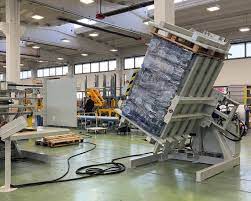
The most pervasive challenge in harsh environments is accelerated wear and tear. Dust particles act as abrasives, speeding up the erosion of moving parts. Extreme temperatures degrade lubricants, reducing their effectiveness and increasing friction. Moisture promotes rust and corrosion, weakening structural components. Heavy use intensifies stress on all systems. This cumulative effect means that components in harsh environments will degrade much faster than in controlled, clean settings. Regular inspection for wear on critical parts like bearings, rollers, chains, and hydraulic cylinders becomes even more vital, with replacement schedules potentially needing to be significantly shortened.
Hydraulic System Vulnerabilities: The Lifeline Under Pressure
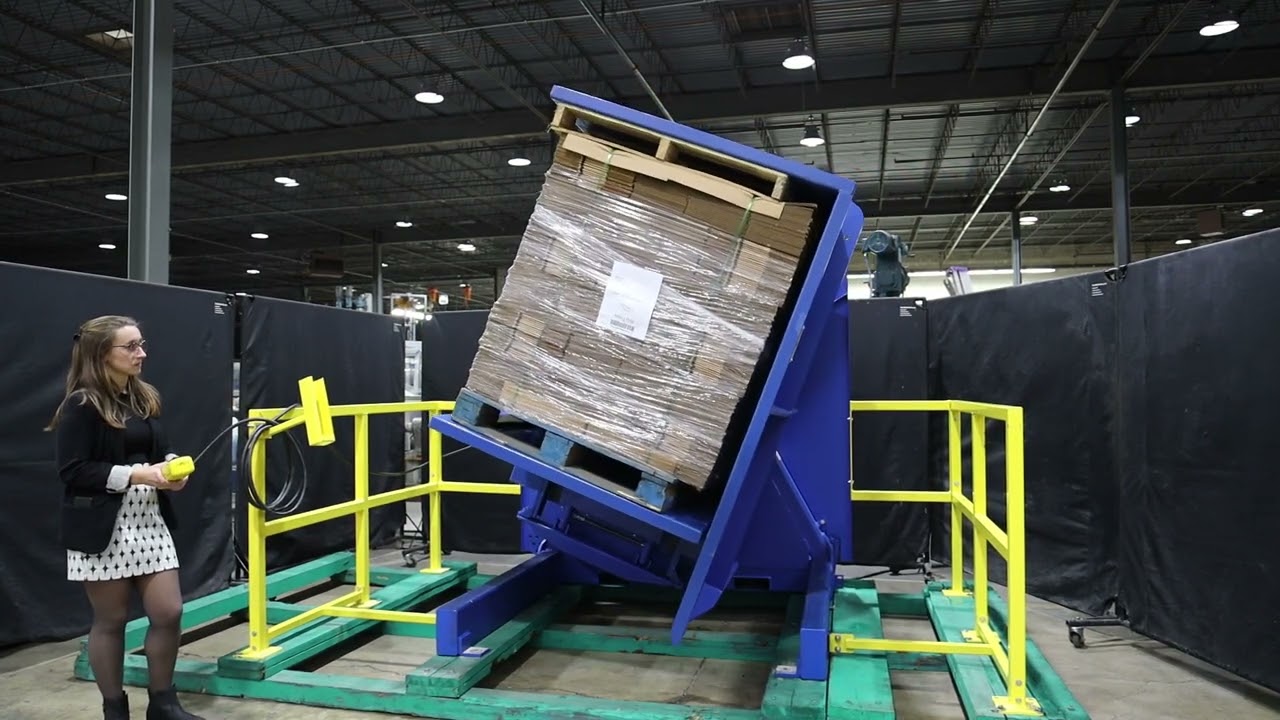
Pallet inverters heavily rely on hydraulic systems for their lifting and rotating power. Harsh environments pose significant threats to these systems. Extreme temperatures can alter the viscosity of hydraulic fluid, leading to reduced efficiency, increased wear on pumps and valves, and potential leaks due to seal degradation. Dust and debris can contaminate hydraulic fluid, causing abrasive wear within the system and potentially leading to blockages in valves and filters. Moisture ingress can lead to rust within the hydraulic cylinders and lines, compromising their integrity. Regular hydraulic fluid analysis, more frequent filter changes, and vigilant leak detection are essential in harsh environments.
Electrical System Exposure: Conductivity and Corrosion Concerns
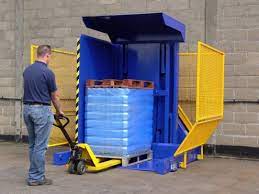
Electrical systems are the nervous system of pallet inverters, controlling motors, sensors, and safety mechanisms. Dust accumulation on electrical components can act as an insulator, leading to overheating. Moisture ingress can cause short circuits, corrosion of contacts, and failure of control panels. Extreme temperatures can stress wiring and insulation, leading to cracking and potential electrical hazards. Enclosures need to be regularly inspected for integrity, wiring connections checked for tightness and corrosion, and control panels kept clean and dry.
Lubrication Demands: Beyond the Routine
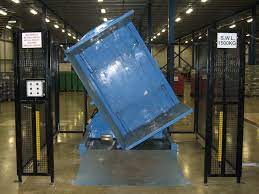
Lubrication is the lifeblood of smooth mechanical operation, but harsh environments severely challenge standard lubrication practices. Dust and debris contamination necessitates more frequent cleaning and re-lubrication. Extreme temperatures demand specialized lubricants that can maintain their viscosity and protective properties across a wider temperature range. Moisture and chemical exposure may require water-resistant or chemically inert lubricants. A more rigorous lubrication schedule, coupled with the use of high-quality, environment-specific lubricants, becomes crucial to combat accelerated wear.
Cleaning Regimen: More Than Just a Wipe Down
Regular cleaning, as highlighted in standard maintenance guidelines, takes on a whole new level of importance in harsh environments. Cleaning is not just about aesthetics; it’s about removing abrasive dust, corrosive chemicals, and moisture that actively degrade the equipment. In harsh settings, cleaning needs to be more frequent and more thorough, potentially involving specialized cleaning agents and techniques to address specific contaminants. Regular cleaning of filters, vents, and critical components like hydraulic cylinders and electrical panels becomes a preventative maintenance imperative.
Inspection Intensification: Catching Problems Early
Routine inspections are the cornerstone of preventative maintenance. In harsh environments, these inspections need to be intensified in frequency and scope. Visual inspections should be more detailed, looking for early signs of wear, corrosion, leaks, and damage. Operational checks should be more rigorous, monitoring for performance degradation, unusual noises, or signs of strain. Calibration checks may also need to be performed more frequently to ensure accurate and safe operation under demanding conditions.
Strategies for Survival: Fortifying Pallet Inverters Against Harsh Conditions
Addressing the maintenance challenges posed by harsh environments requires a proactive and strategic approach. It's about going beyond standard maintenance routines and implementing enhanced measures to mitigate the accelerated wear and tear.
Enhanced Lubrication Strategies: Choosing the Right Armor
Standard lubricants may not be sufficient in harsh environments. Consider upgrading to heavy-duty, synthetic lubricants designed for extreme temperatures and high loads. For dusty environments, lubricants with good sealing properties can help prevent contaminant ingress. In wet or corrosive environments, water-resistant or chemically inert lubricants are essential. Implementing an automated lubrication system can also ensure consistent and precise lubrication, especially in hard-to-reach areas, and can be programmed for more frequent cycles if needed.
Robust Cleaning Protocols: A Shield Against Contamination
Develop a rigorous cleaning schedule tailored to the specific harsh environment. This may involve daily, weekly, and monthly cleaning tasks. Use appropriate cleaning methods – compressed air for dust removal, pressure washing for heavy debris (ensuring electrical components are properly protected), and specialized cleaners for chemical contaminants. Implement preventative measures like installing brushes or scrapers at key entry points to minimize debris ingress into critical areas.
Protective Measures: Enclosures and Shields
Where feasible, implement protective measures to shield the pallet inverter from the harshest elements. This could include building partial enclosures to reduce dust and moisture exposure, installing sunshades to mitigate extreme heat, or using splash guards to protect against water or chemical spray. For electrical components, ensure control panels are properly sealed and consider using enclosures with higher IP ratings for dust and water ingress protection.
Temperature Management: Keeping Cool (or Warm) Under Pressure
Implement temperature management strategies to mitigate the effects of extreme heat or cold. For hot environments, ensure adequate ventilation around the pallet inverter, consider using cooling fans for hydraulic systems and electrical panels, and schedule operations during cooler parts of the day if possible. In cold environments, consider using heaters for hydraulic fluid reservoirs and control panels to ensure optimal operating temperatures and prevent fluid thickening or component freezing.
Intensified Inspection Regimen: Early Detection is Key
Increase the frequency of inspections and make them more comprehensive. Train maintenance personnel to identify early warning signs of wear and tear specific to harsh environments. Utilize checklists that include specific points of inspection relevant to the environmental challenges, such as checking for dust accumulation in electrical panels, corrosion on hydraulic lines, or lubricant degradation due to temperature extremes. Consider incorporating non-destructive testing methods like vibration analysis or infrared thermography to detect potential issues before they become critical failures.
Specialized Components and Materials: Built to Endure
When selecting pallet inverters for harsh environments, prioritize models designed with robust components and materials. Look for inverters with heavy-duty cylinders, sealed bearings, corrosion-resistant coatings, and electrical components rated for wider temperature ranges. Stainless steel or other corrosion-resistant materials may be necessary for components exposed to moisture or chemicals. Investing in higher-quality, environment-resistant components upfront can significantly reduce maintenance demands and extend equipment lifespan in harsh conditions.
Proactive Maintenance Scheduling: Planning for Longevity
Implement a proactive, time-based maintenance schedule that is significantly more frequent than standard recommendations. This schedule should be tailored to the specific harsh environment and operational demands. Regularly review and adjust the schedule based on inspection findings and performance data. Prioritize preventative maintenance tasks like lubrication, cleaning, filter changes, and component inspections to minimize the risk of unexpected breakdowns and costly downtime.
Training and Expertise: Empowering the Maintenance Team
Ensure that maintenance personnel are properly trained to understand the unique challenges of maintaining pallet inverters in harsh environments. Training should cover not only standard maintenance procedures but also specific strategies for mitigating environmental effects, identifying early warning signs of environment-related damage, and using specialized lubricants and cleaning techniques. Consider partnering with experienced technicians who specialize in industrial equipment maintenance in harsh environments for periodic inspections, complex repairs, and specialized training.
Durability by Design: Choosing the Right Pallet Inverter for Harsh Realities
The battle against harsh environments begins even before maintenance – it starts with selecting the right equipment. Choosing a pallet inverter specifically designed for durability and resilience in demanding conditions is a crucial first step.
- Material Selection: Opt for pallet inverters constructed with high-strength steel and corrosion-resistant coatings. For components directly exposed to harsh elements, stainless steel or specialized alloys may be necessary.
- Robust Design: Look for designs that minimize exposed components and incorporate sealed enclosures for critical systems like hydraulics and electronics. Heavy-duty construction and reinforced frames enhance resistance to vibrations and shocks.
- Component Quality: Prioritize manufacturers that use high-quality, industrial-grade components known for their durability and longevity. Inquire about the temperature ratings of electrical components and the sealing effectiveness of bearings and seals.
- Environmental Ratings: Check for IP (Ingress Protection) ratings for electrical enclosures, indicating their level of protection against dust and water ingress. Some manufacturers may offer inverters specifically designed and certified for harsh environments.
- Manufacturer Reputation and Support: Choose a reputable manufacturer with a proven track record of producing durable and reliable pallet inverters. Ensure they offer comprehensive after-sales support, including maintenance training, spare parts availability, and technical assistance tailored to harsh environment applications.
The ROI of Resilience: Investing in Robust Maintenance
While enhanced maintenance in harsh environments may seem like an added expense, it is, in reality, a strategic investment that yields significant returns. Proactive maintenance reduces downtime, extends equipment lifespan, minimizes costly repairs, and ensures consistent operational efficiency. In the long run, a robust maintenance strategy for harsh environments translates into a lower total cost of ownership and a higher return on investment for your pallet inverter.
By understanding the specific challenges of harsh environments and implementing targeted maintenance strategies, businesses can ensure their pallet inverters continue to operate reliably, safely, and efficiently, even in the most demanding industrial settings. It's a commitment to proactive care that safeguards your equipment, your operations, and your bottom line.