
What Are the Benefits of Pallet Inverters in Reducing Labor Costs?
Pallet inverters significantly cut labor costs by automating pallet handling. They boost efficiency, reduce manual labor strain, minimize workplace injuries, and speed up pallet transfer processes. This leads to fewer workers needed for pallet tasks, faster operations, and a safer warehouse, directly translating to substantial labor savings and improved ROI.
Streamlining Operations and Slashing Labor Expenses with Pallet Inverters
In today's fast-paced industrial landscape, optimizing operational efficiency and minimizing labor costs are paramount for businesses striving for profitability and a competitive edge. One often-overlooked yet highly effective solution lies in the adoption of pallet inverter technology. These robust machines are revolutionizing material handling processes across various industries, offering a tangible pathway to substantial labor cost reductions. Let’s delve into the key benefits of pallet inverters and how they contribute to a leaner, more cost-effective operation.
Boosting Warehouse Efficiency and Productivity
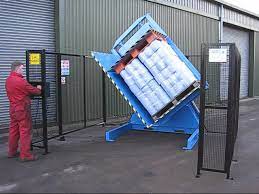
Manual pallet handling is notoriously time-consuming and labor-intensive. Tasks like restacking, transferring loads to different pallet types, or removing damaged goods from the bottom of a pallet are often performed manually, requiring significant manpower and time. Pallet inverters automate these processes, dramatically increasing efficiency and productivity within the warehouse or production facility.
By swiftly rotating and inverting pallet loads in a matter of seconds, pallet inverters eliminate the need for manual restacking and handling. This speed translates directly into faster turnaround times for pallet processing, allowing goods to move through the supply chain more quickly. With cycle times as low as 45 seconds for some models, the throughput increase compared to manual methods is considerable. This enhanced speed directly impacts labor costs by reducing the time spent on each pallet, allowing staff to focus on other crucial tasks.
Furthermore, the increased efficiency translates into higher overall productivity. Warehouses can process more pallets in a given timeframe, leading to improved output and potentially reduced overtime labor costs. The seamless integration of pallet inverters into existing workflows, often compatible with standard forklifts, further enhances productivity without requiring significant changes to operational layouts.
Minimizing Manual Labor and Physical Strain
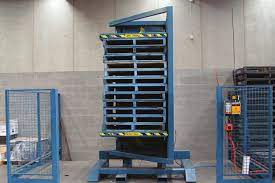
One of the most significant benefits of pallet inverters is their ability to drastically reduce the need for manual labor in pallet handling. Traditional methods often involve strenuous lifting, bending, and awkward movements, placing considerable physical strain on workers. This not only leads to decreased efficiency due to fatigue but also significantly increases the risk of workplace injuries.
Pallet inverters take over the heavy lifting and rotating tasks, eliminating the need for employees to manually handle heavy loads. This automation directly reduces the number of personnel required for pallet transfer and manipulation tasks. Instead of teams of workers struggling to manually restack or invert pallets, a single operator can manage the process with a pallet inverter, freeing up valuable labor resources for other, more value-added activities within the organization.
By minimizing physical exertion, pallet inverters contribute to a more comfortable and less physically demanding work environment. This can lead to improved employee morale and reduced absenteeism related to physical strain and injuries.
Enhancing Workplace Safety and Reducing Injury Costs
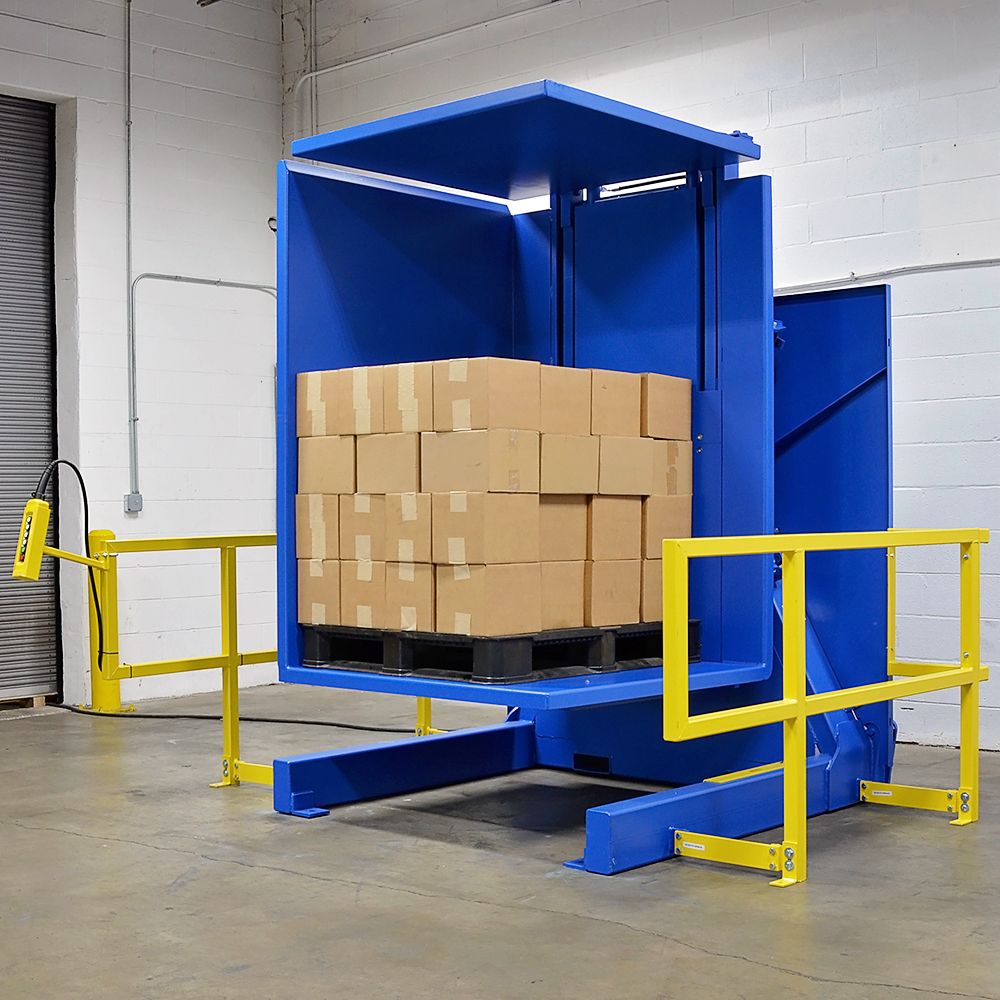
Manual pallet handling is a leading cause of workplace injuries, including back strains, sprains, and musculoskeletal disorders. These injuries result in significant costs for businesses, encompassing medical expenses, workers' compensation claims, lost productivity, and potential OSHA violations. Investing in pallet inverters is a proactive step towards creating a safer work environment and mitigating these costly injury-related expenses.
Pallet inverters are designed with safety as a paramount consideration. Features like handrail guarding, maintenance locks, and foot obstruction photo eyes are often incorporated to minimize potential pinch points and ensure safe operation. By automating the hazardous aspects of pallet handling, pallet inverters significantly reduce the risk of accidents and injuries associated with manual lifting and maneuvering of heavy loads.
The reduction in workplace injuries translates directly into labor cost savings. Fewer injuries mean fewer workers' compensation claims, lower insurance premiums, and reduced lost workdays. A safer workplace also fosters a more positive and productive work environment, further contributing to overall operational efficiency and indirectly impacting labor costs through improved employee retention and reduced training needs for replacement staff.
Streamlining Pallet Handling and Transfer Processes
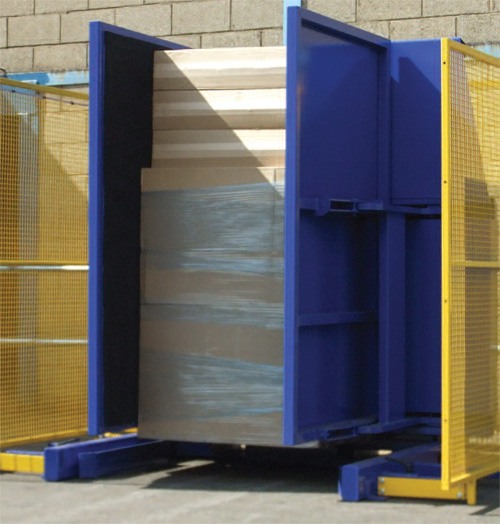
Pallet inverters are incredibly versatile tools that streamline a variety of pallet handling processes beyond just inversion. They facilitate quick and easy pallet exchange, allowing for seamless transfer of goods between different pallet types. This is particularly crucial in industries like food and pharmaceuticals where hygiene standards necessitate the use of plastic pallets in production areas, while goods may arrive on wooden pallets.
With a pallet inverter, the transfer from a less desirable pallet (e.g., damaged, wooden) to a preferred pallet (e.g., clean, plastic) becomes a swift and straightforward operation. This eliminates the need for manual unloading and reloading, saving significant time and labor. The ability to quickly swap pallets is also beneficial for businesses utilizing pallet rental systems, allowing for easy transfer to rental pallets for outgoing shipments.
Furthermore, pallet inverters can assist in damage recovery. When damaged goods are discovered at the bottom of a pallet load, a pallet inverter allows for easy inversion and access to the damaged items without the need to unload and restack the entire pallet manually. This targeted approach saves considerable time and labor in retrieving and replacing damaged products.
Protecting Products and Reducing Damage-Related Losses
Product damage during manual pallet handling is a common and costly problem in warehouses and distribution centers. Rough handling, accidental drops, and instability during manual restacking can lead to damaged goods, resulting in losses from unsaleable products, customer returns, and wasted materials.
Pallet inverters offer a controlled and stable method for handling pallet loads, minimizing the risk of product damage. The smooth and precise movements of the inverter reduce the chances of goods shifting, falling, or being crushed during pallet manipulation. By reducing product damage, businesses can minimize waste, lower replacement costs, and improve customer satisfaction by ensuring goods arrive in perfect condition.
Reduced product damage also indirectly contributes to labor cost savings. Fewer damaged goods mean less time spent on handling returns, processing replacements, and dealing with customer complaints. It also reduces the need for rework and repackaging, freeing up labor for more productive tasks.
Cost-Effectiveness and Return on Investment (ROI)
While the initial investment in a pallet inverter represents a capital expenditure, the long-term cost benefits and return on investment are substantial. The labor cost savings achieved through increased efficiency, reduced manual handling, and minimized injury-related expenses quickly offset the initial investment.
The reduced manpower requirements, faster processing times, and decreased product damage all contribute to significant operational cost reductions. Furthermore, the durability and reliability of industrial-grade pallet inverters ensure a long service life, providing years of cost-saving benefits. Many manufacturers offer warranties of up to three years, highlighting the longevity and robustness of these machines.
The quantifiable return on investment can be easily justified by comparing the costs of manual pallet handling, including labor, injury expenses, and product damage, with the operational improvements and cost savings realized after implementing a pallet inverter. Businesses often find that the payback period for a pallet inverter is relatively short, making it a financially sound investment with a compelling ROI.
Versatility Across Industries
Pallet inverters are not limited to a single industry; their versatility makes them valuable assets across a wide range of sectors. Industries that benefit significantly from pallet inverter technology include:
- Food and Beverage: For hygienic pallet transfers, rotating stock to prevent settling, and efficient handling of case lots.
- Pharmaceuticals: Maintaining sanitary conditions with pallet changes and ensuring product integrity.
- Manufacturing: Handling various manufactured goods, inverting metal sheets for stamping, and managing diverse load types.
- Warehousing and Distribution: General warehouse operations, streamlining pallet handling for diverse industries.
- Automotive: Handling automotive parts and components, managing inbound and outbound logistics.
- Printing: Inverting stacks of paper for two-sided printing.
- Construction: Handling heavy building materials, managing inventory, and damage recovery.
This broad applicability underscores the universal need for efficient and cost-effective pallet handling across diverse operational environments. Whether dealing with fragile goods, heavy materials, or hygiene-sensitive products, pallet inverters offer a reliable and adaptable solution.
Conclusion: Invest in Pallet Inverters for a Leaner, More Profitable Future
In conclusion, the benefits of pallet inverters in reducing labor costs are multifaceted and substantial. By automating labor-intensive tasks, enhancing efficiency, improving workplace safety, and minimizing product damage, pallet inverters deliver a compelling return on investment and contribute to a leaner, more profitable operation. For businesses seeking to optimize their material handling processes, reduce operational expenses, and create a safer and more productive work environment, investing in pallet inverter technology is a strategic move that yields significant and long-lasting benefits. Embracing automation in pallet handling is not just about modernization; it's about making smart, cost-effective decisions that drive efficiency and secure a competitive advantage in today's demanding marketplace.