
How to Enhance Pallet Inverter Security in Unattended Operations?
Enhancing pallet inverter security in unattended operations is paramount for workplace safety and operational efficiency. Key strategies include robust safety guarding systems, comprehensive employee training focusing on risk identification, rigorous preventative maintenance schedules, and clear, enforced operational protocols. Prioritizing these measures ensures a safe, efficient, and productive warehouse environment, even when operations are unattended.
[
The Imperative of Safety in Unattended Pallet Inverter Operations
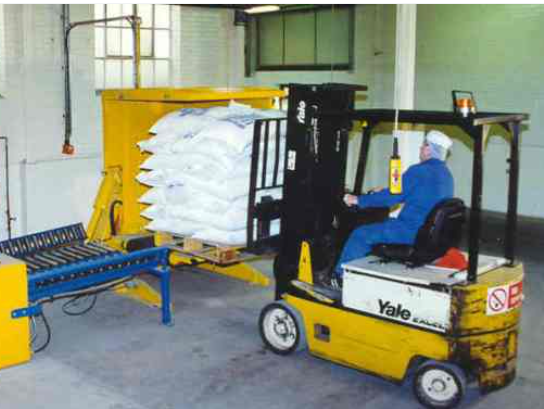
In today's fast-paced logistics landscape, pallet inverters stand as indispensable assets for streamlining material handling. These machines boost efficiency by simplifying pallet exchange, load transfer, and product recovery. However, as warehouses increasingly adopt automated and unattended operational models, ensuring the security of pallet inverters becomes not just a best practice, but a critical necessity. Unattended operations, while offering significant gains in productivity and cost-effectiveness, introduce unique security challenges that demand proactive and robust solutions. This article delves into the essential enhancements for pallet inverter security, particularly in environments where these powerful machines operate with minimal direct human oversight.
[ ]
]
Understanding the Risks in Unattended Environments
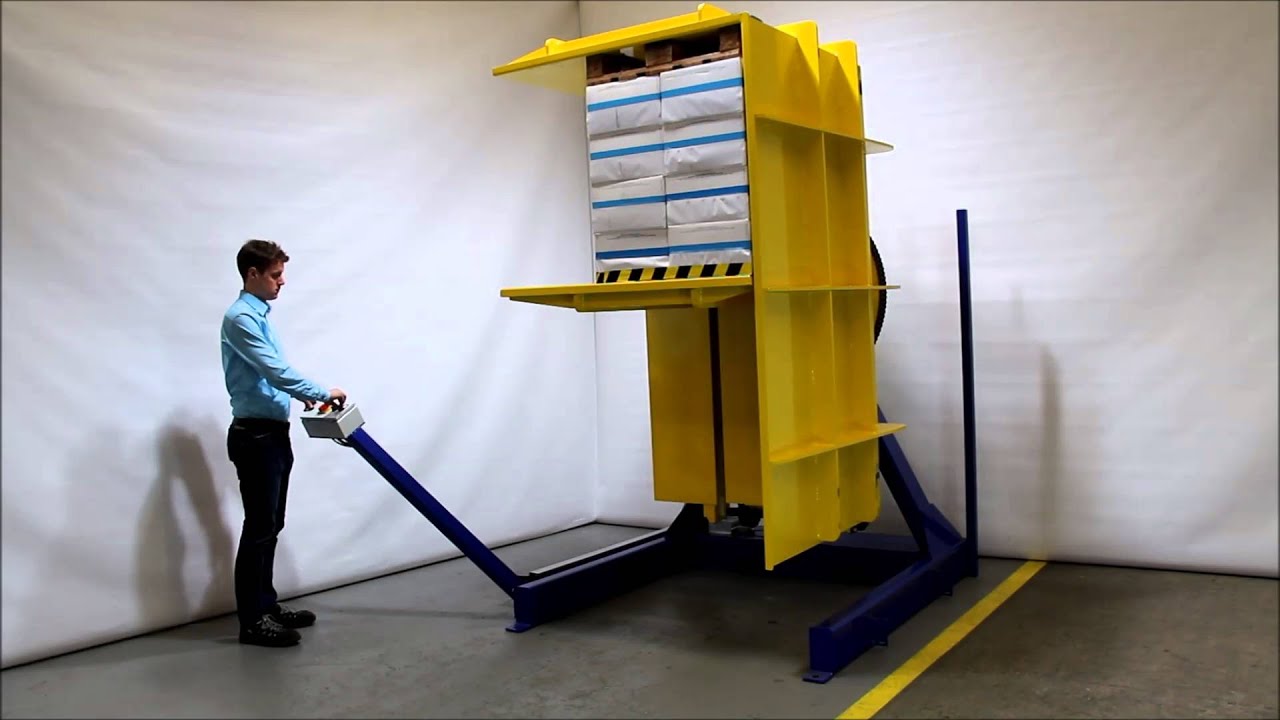
Pallet inverters, designed to handle heavy loads, inherently carry potential risks. In unattended operations, these risks are amplified. Without continuous human monitoring, potential malfunctions, unexpected obstacles, or unauthorized access can escalate into serious safety incidents. Consider the forces involved: pallet inverters routinely manage loads weighing thousands of pounds, often stacked several feet high. A failure in the machinery, an improperly secured load, or even a minor obstruction in the operational area can lead to significant product damage, equipment damage, and, most critically, workplace injuries.
Moreover, the very nature of unattended operation can lead to a lapse in vigilance. Employees, accustomed to automated processes, might become less attuned to the subtle warning signs of potential issues. Therefore, a layered approach to security, combining technological safeguards with robust procedural protocols, is crucial to mitigate these risks effectively.
[
Key Enhancements for Pallet Inverter Security
To create a secure environment for unattended pallet inverter operations, a multi-faceted strategy is essential. This strategy should encompass robust safety systems, rigorous maintenance protocols, comprehensive training, and clearly defined operational guidelines.
[
1. Robust Safety Guarding and Perimeter Security
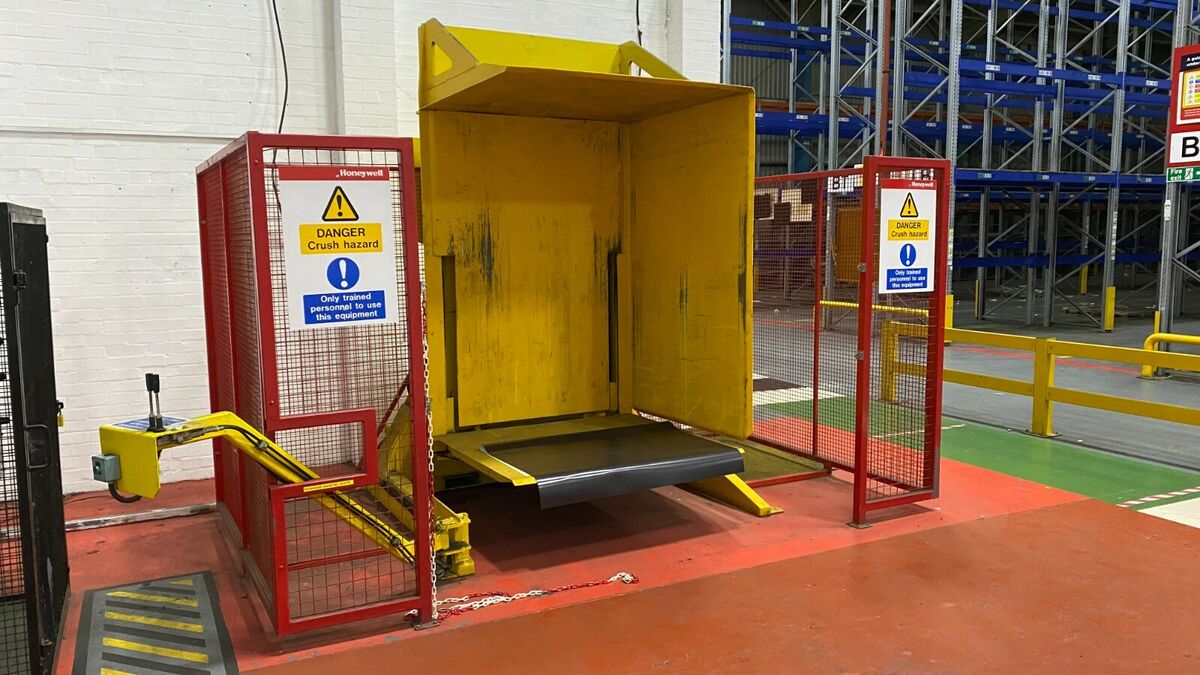
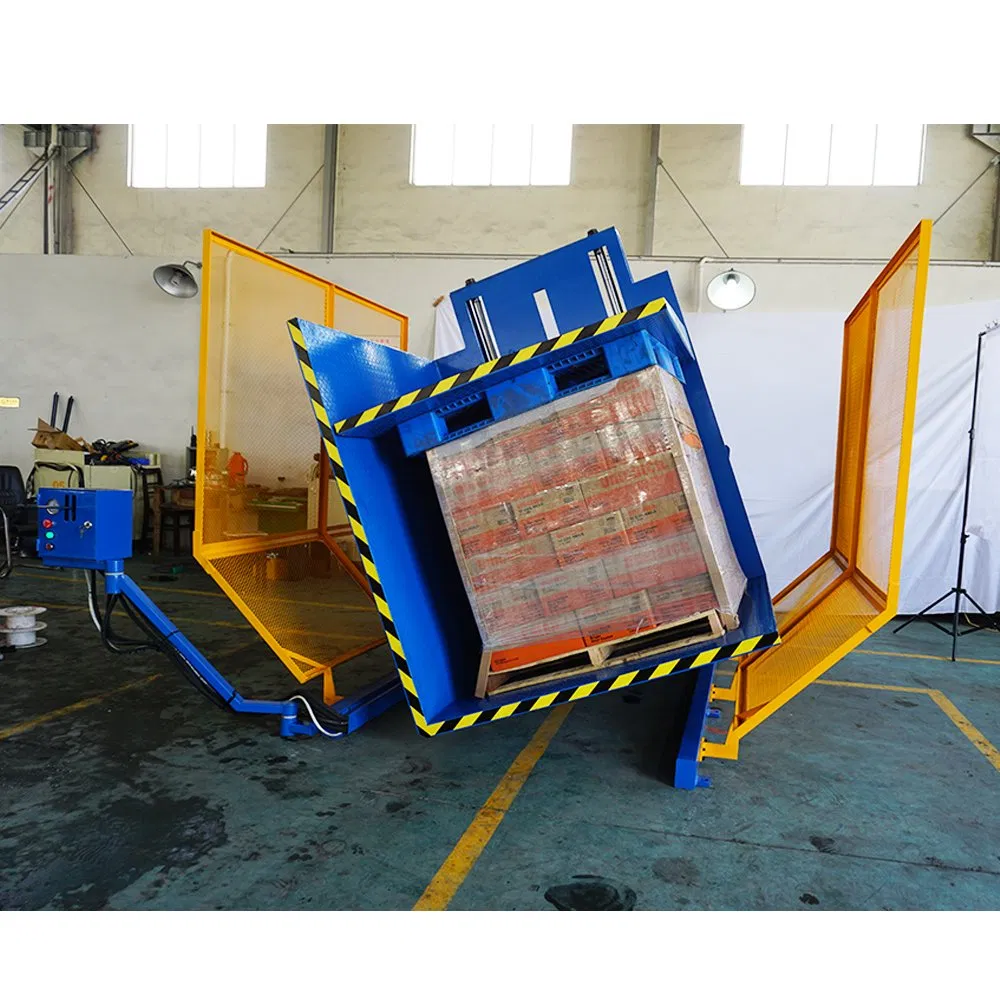
The first line of defense in unattended operations is physical guarding. Pallet inverters should be equipped with comprehensive safety guarding systems to prevent accidental access to the operational zone during automated cycles.
- Steel Mesh Guarding: As a baseline, all pallet inverters should be fitted with sturdy steel mesh safety guarding. This physical barrier prevents personnel from inadvertently entering the inverter's operational space while it is in motion.
- Floor-Fixed Guarding: For inverters operating in designated, unattended zones, consider floor-fixed perimeter guarding. This creates a secure enclosure around the machine, further isolating the hazardous area.
- Interlocked Safety Gates: Where access to the inverter area is necessary for maintenance or occasional intervention, interlocked safety gates are crucial. These gates ensure that the inverter is automatically shut down when the gate is opened, preventing operation while the area is accessible.
- Light Curtains and Safety Beam Systems: For a more advanced approach, implement multi-beam photo-electric safety systems or light curtains at access points. These systems create invisible safety barriers. If the beams are broken by any intrusion, the inverter is instantly stopped, providing rapid and reliable protection. Photo-beams are often preferred over traditional gates as they do not impede operational speed and offer a high level of safety without requiring physical interaction.
2. Advanced Safety Sensors and Emergency Stop Systems
Beyond physical guarding, advanced safety sensors and readily accessible emergency stop mechanisms are vital for unattended security.
- Emergency Shut-Off Switches: Multiple, strategically placed emergency shut-off switches must be easily accessible around the pallet inverter. These switches allow for immediate manual shutdown of the machine in case of any anomaly or emergency. Regular testing of these emergency stops is crucial to ensure their functionality.
- Obstacle Detection Sensors: Integrating sensors that detect obstacles within the operational zone is a significant enhancement for unattended safety. These sensors can range from simple proximity sensors to more sophisticated laser scanners that map the area and trigger an immediate stop if any unexpected object or person is detected.
- Load Monitoring Systems: Consider implementing load monitoring systems that verify the load is correctly positioned and secured before the inverter cycle begins. This can prevent accidents caused by improperly loaded pallets.
3. Comprehensive Employee Training Programs
Even in unattended operations, human oversight remains crucial, albeit in a different form. Comprehensive training programs are essential to equip employees to manage and respond to unattended pallet inverter operations safely.
- Operator Training and Certification: Only trained and certified personnel should be authorized to operate or interact with pallet inverters, even in an oversight capacity. Training must cover not only the operational aspects of the machine but also detailed safety procedures, risk identification, and emergency protocols.
- Hazard Awareness Training: Employees must be trained to recognize potential hazards associated with pallet inverters, including the risks of heavy loads, moving machinery, and potential malfunctions. This training should be regularly refreshed.
- Emergency Procedure Drills: Conduct regular drills to practice emergency shutdown procedures and responses to various potential scenarios, such as load instability or sensor activation. This ensures that employees are prepared to react effectively in real-world situations.
- Maintenance Personnel Training: Maintenance staff require specialized training on the safe maintenance and repair of pallet inverters, including lockout/tagout procedures and safe access protocols within guarded areas.
4. Rigorous Regular Maintenance Schedules
Preventative maintenance is the cornerstone of safety in any machinery operation, and it is even more critical in unattended environments where minor issues can quickly escalate unnoticed.
- Daily Pre-Shift Inspections: Implement a mandatory daily pre-shift inspection checklist that operators or designated personnel must complete before commencing any operations, even unattended ones. This checklist should include visual inspections for damage, loose components, leaks, and verification of safety device functionality.
- Scheduled Preventative Maintenance: Establish a rigorous schedule for preventative maintenance, adhering to manufacturer recommendations and industry best practices. This should include lubrication, component wear checks, hydraulic system inspections, electrical system checks, and safety system testing.
- Functional Testing: Regular functional tests of all safety features, including emergency stops, sensors, and guarding interlocks, must be performed and documented to ensure their ongoing reliability.
- Maintenance Logs and Record Keeping: Maintain detailed logs of all inspections, maintenance activities, and repairs. This documentation provides a valuable history for tracking machine performance and identifying potential recurring issues.
5. Clear Operational Guidelines and Protocols for Unattended Mode
Unambiguous operational guidelines and protocols are the backbone of safe unattended operations. These protocols must be clearly communicated, readily accessible, and strictly enforced.
- Standard Operating Procedures (SOPs) for Unattended Operation: Develop specific SOPs for unattended operation, outlining step-by-step procedures for initiating, monitoring, and concluding unattended cycles. These SOPs should include pre-operation checks, emergency procedures, and protocols for handling alarms or faults.
- Defined Clearance Zones: Clearly demarcate and enforce clearance zones around the pallet inverter operational area. These zones should be visually marked with high-visibility paint or tape and signage to prevent accidental entry during unattended operation.
- Restricted Access Protocols: Implement strict access control measures to prevent unauthorized personnel from entering the unattended pallet inverter zone. This may include keycard access, coded entry systems, or procedural controls.
- Emergency Contact Information: Ensure that clear emergency contact information is prominently displayed near the pallet inverter, enabling rapid response in case of any incident.
6. Remote Monitoring and Performance Tracking
While not always strictly "security" measures, remote monitoring and performance tracking systems contribute significantly to the overall safety and security of unattended pallet inverter operations.
- Remote Monitoring Systems: Implement remote monitoring systems that allow supervisors or designated personnel to monitor the inverter's operation in real-time from a remote location. This can include live video feeds, performance data dashboards, and alarm notifications.
- Performance Data Logging and Analysis: Track key performance metrics such as cycle times, error rates, and downtime. Analyzing this data can help identify potential issues early, predict maintenance needs, and optimize operational safety and efficiency.
- Alarm and Fault Notification Systems: Set up automated alarm and fault notification systems that immediately alert designated personnel via email or SMS in case of any malfunction, safety sensor activation, or emergency stop engagement. This enables rapid response and minimizes potential downtime and safety risks.
Integrating Workplace Safety Protocols
Enhancing pallet inverter security is intrinsically linked to broader workplace safety protocols. A holistic approach to safety culture is essential to maximize the effectiveness of security enhancements.
- Personal Protective Equipment (PPE) Enforcement: Even in largely automated environments, enforce the use of appropriate PPE for personnel working in or around pallet inverter areas, including hard helmets, safety glasses, and high-visibility vests.
- Safety Signage and Warnings: Ensure clear and prominent safety signage and warning labels are displayed around pallet inverters, highlighting potential hazards and safety procedures.
- Regular Safety Audits and Inspections: Conduct regular safety audits and inspections of pallet inverter operations and the surrounding environment to identify potential hazards, assess the effectiveness of safety measures, and ensure compliance with safety protocols.
- Promote a Strong Safety Culture: Foster a workplace culture that prioritizes safety at all levels. Encourage employees to report safety concerns without fear of reprisal and actively participate in safety improvement initiatives. Regular safety meetings and refresher training sessions reinforce the importance of safety.
Risk Management in Unattended Operations
Effective risk management is crucial for mitigating potential hazards in unattended pallet inverter operations.
- Comprehensive Risk Assessments: Conduct thorough risk assessments specific to unattended pallet inverter operations. Identify potential hazards, evaluate the likelihood and severity of risks, and develop mitigation strategies for each identified risk.
- Hazard Identification and Mitigation: Proactively identify potential hazards through job safety analysis, near-miss reporting, and employee feedback. Implement appropriate engineering controls, administrative controls, and PPE to mitigate these hazards.
- Continuous Improvement: Regularly review and update risk assessments and safety protocols based on operational experience, incident reports, and industry best practices. Continuously seek opportunities to improve safety and security measures.
Conclusion: Securing the Future of Unattended Pallet Inverter Operations
Enhancing pallet inverter security in unattended operations is not merely about installing safety devices; it is about creating a comprehensive ecosystem of safety that integrates technology, procedures, training, and a strong safety culture. By prioritizing robust safety guarding, advanced sensors, comprehensive training, rigorous maintenance, clear protocols, and proactive risk management, organizations can unlock the full potential of unattended pallet inverter operations while ensuring a safe and productive workplace. As leaders in pallet handling solutions, companies like Top Industries Inc. are committed to assisting businesses in implementing these best practices, ensuring that efficiency gains are never achieved at the expense of safety. Investing in these security enhancements is an investment in the well-being of employees and the long-term success of warehouse operations in an increasingly automated future.