
What Are the Challenges of Implementing Pallet Inverters in Small Warehouses?
Implementing pallet inverters can significantly boost efficiency in warehouses of all sizes, but small facilities face unique hurdles. Space constraints, cost sensitivity, and integration complexities can make adoption seem daunting. Understanding these challenges is the first step to successfully leveraging pallet inverter technology in a smaller warehouse environment.
Space: The Prime Constraint in Smaller Warehouses
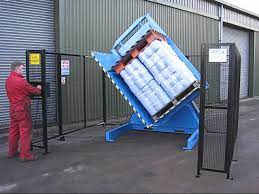
For small warehouses, space is often the most critical and limited resource. Introducing new machinery, even with the promise of increased efficiency, requires careful consideration of the existing layout and operational flow. Pallet inverters, while varying in size and footprint, still demand dedicated space for operation and safe maneuvering.
Footprint of the Inverter Itself
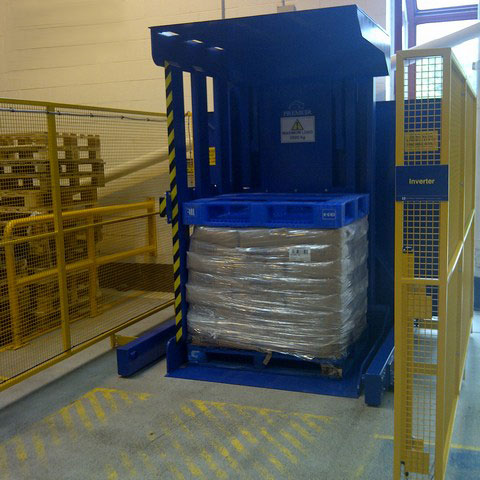
Even compact pallet inverter models occupy a certain floor area. In a small warehouse where every square foot is optimized for storage or movement, allocating space for a pallet inverter can necessitate a significant reorganization. Warehouse managers must meticulously measure available space and select inverter models that fit without disrupting essential pathways or reducing critical storage capacity. Portable pallet inverters, while offering flexibility, still require operational space and storage when not in use.
Operational Clearance and Safety Zones
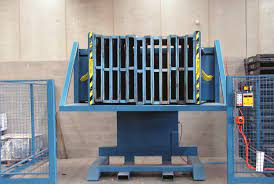
Beyond the inverter's footprint, sufficient clearance around the machine is crucial for safe operation. Operators need room to load and unload pallets, and safety zones must be established to prevent accidents. In cramped small warehouses, defining these zones without hindering other operations can be challenging. This might involve rearranging storage racks, relocating workstations, or even rethinking entire material flow paths to accommodate the inverter safely and effectively.
Rethinking Warehouse Layout for Pallet Inverter Integration
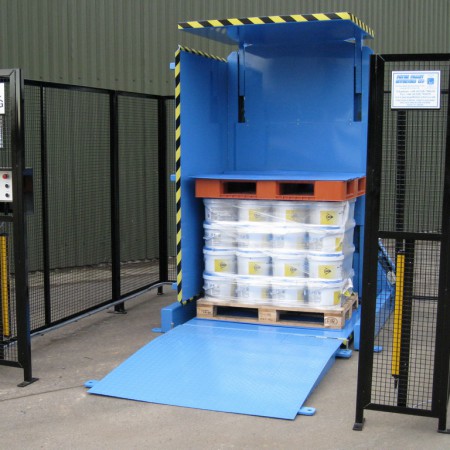
Successfully implementing pallet inverters in a small warehouse often necessitates a strategic review of the entire warehouse layout. This could involve optimizing storage density in other areas to compensate for the space occupied by the inverter. Vertical storage solutions or more efficient racking systems might become necessary to maintain overall storage capacity while incorporating the new equipment. The goal is to ensure that the introduction of a pallet inverter enhances, rather than hinders, the warehouse's operational capabilities within its limited spatial confines.
Cost: A Major Hurdle for Small Operations
Cost is invariably a significant consideration for any warehouse operation, but it often carries even greater weight for smaller businesses with tighter margins and limited capital expenditure budgets. Implementing pallet inverters involves not just the initial purchase price but also a range of associated costs that need careful evaluation.
Initial Investment and ROI Considerations
The upfront cost of purchasing a pallet inverter can represent a substantial investment for a small warehouse. While pallet inverters promise long-term returns through increased efficiency and reduced labor costs, justifying this initial expenditure requires a clear understanding of the return on investment (ROI). Small warehouse operators must conduct thorough cost-benefit analyses, considering factors like current labor costs for manual pallet handling, potential reduction in product damage, and anticipated increases in throughput. For smaller operations, demonstrating a relatively quick and tangible ROI is often crucial for securing investment approval.
Maintenance and Operational Expenses
Beyond the initial purchase, ongoing maintenance costs are a vital part of the total cost of ownership. Pallet inverters, like any machinery, require regular maintenance to ensure optimal performance and longevity. Small warehouses may not have dedicated in-house maintenance teams, potentially leading to reliance on external service providers, adding to operational expenses. Factors like spare parts availability, service contract costs, and preventative maintenance schedules must be factored into the long-term cost assessment.
Exploring Cost-Effective Acquisition Options
To mitigate the financial burden, small warehouses should explore cost-effective acquisition strategies. Renting a pallet inverter, especially for seasonal peaks or specific short-term projects, can be a viable alternative to outright purchase. Renting avoids the large upfront capital outlay and may include maintenance within the rental agreement. For businesses committed to ownership, exploring financing options or considering more basic, semi-automatic models can help manage the initial investment while still reaping the benefits of pallet inversion technology.
Integration: Navigating Existing Material Handling Systems
Small warehouses often operate with established, sometimes less sophisticated, material handling systems. Integrating a new piece of automated equipment like a pallet inverter into these existing workflows can present integration challenges that need careful planning and execution.
Compatibility with Existing Equipment
Ensuring seamless integration with forklifts, pallet jacks, and other material handling equipment is paramount. The pallet inverter must be compatible with the types of pallets used and the methods employed for moving pallets to and from the inverter. In small warehouses, space constraints might further limit the types of equipment that can be used in conjunction with the inverter. Careful consideration of pallet dimensions, inverter loading and unloading mechanisms, and the maneuverability of existing equipment within the warehouse layout is crucial for smooth integration.
Workflow Adjustments and Process Optimization
Introducing a pallet inverter might necessitate adjustments to existing warehouse workflows. Pallet handling procedures, receiving and dispatch processes, and even storage strategies might need to be re-evaluated to fully leverage the capabilities of the inverter. Small warehouses should analyze their current processes to identify bottlenecks and areas where pallet inversion can create the most significant improvements. Optimizing workflows around the new equipment ensures that the inverter becomes a valuable asset rather than a source of disruption.
Phased Implementation and Gradual Automation
For small warehouses, a phased implementation approach to pallet inverter integration can be less disruptive and more manageable. Instead of a complete overhaul, a gradual introduction allows for incremental adjustments to workflows and operational procedures. Starting with a single inverter and focusing on specific applications or areas within the warehouse enables operators to learn and adapt to the new technology. This phased approach minimizes initial disruption and allows for adjustments based on real-world operational experience before wider deployment.
Training and Safety: Empowering a Smaller Workforce
Successfully implementing any new technology hinges on proper training and a strong focus on safety. In small warehouses, where teams are often smaller and roles more versatile, ensuring adequate training and maintaining a safe working environment are critical considerations.
Comprehensive Operator Training Programs
Adequate training is essential for operators to use pallet inverters efficiently and safely. Training programs should cover not just the basic operation of the machine but also safety protocols, routine maintenance checks, and troubleshooting procedures. Small warehouses might need to invest in external training resources or allocate experienced staff to train others. Comprehensive training minimizes the risk of accidents, reduces equipment downtime due to misuse, and maximizes the productivity gains from the pallet inverter.
Adapting Safety Protocols for Pallet Inverter Operation
Integrating a pallet inverter requires a review and adaptation of existing warehouse safety protocols. Specific safety procedures for loading, operating, and unloading the inverter must be clearly defined and communicated to all relevant personnel. Safety features of the chosen inverter model, such as emergency stops and safety guards, should be thoroughly understood and regularly checked. In the often tighter spaces of small warehouses, emphasizing safe operating practices and maintaining clear safety zones around the inverter are paramount to prevent workplace accidents.
Empowering a Versatile Workforce with New Skills
Implementing pallet inverters presents an opportunity to upskill the warehouse workforce. Training employees on new technology not only enhances their operational capabilities but also increases their value and versatility. For small warehouses, where employees often perform multiple roles, cross-training on pallet inverter operation ensures operational flexibility and reduces reliance on specialized personnel. Embracing new technology and investing in employee training can contribute to a more skilled, adaptable, and motivated workforce, ultimately benefiting the overall warehouse operation.
Pallet Compatibility and Consistency: Ensuring Smooth Operation
Pallet inverters are designed to handle a range of pallet types, but inconsistencies in pallet quality and dimensions, particularly with traditional wood pallets, can impact operational efficiency. Small warehouses, like larger facilities, must consider pallet compatibility to ensure smooth and reliable inverter performance.
Addressing Variations in Pallet Dimensions and Quality
Traditional wood pallets can exhibit variations in dimensions, strength, and overall quality. These inconsistencies can pose challenges for automated equipment like pallet inverters, potentially leading to misalignment, instability, or even equipment malfunctions. Small warehouses need to assess the consistency of their pallet stock and consider implementing measures to improve pallet quality. This might involve stricter pallet inspection procedures, transitioning to higher-quality pallets, or exploring engineered plastic pallets that offer greater uniformity and reliability.
Optimizing Pallet Handling Procedures for Inverter Compatibility
Optimizing pallet handling procedures can further enhance pallet inverter compatibility. Ensuring that pallets are loaded squarely and evenly, avoiding overloaded or damaged pallets, and implementing consistent pallet wrapping or strapping techniques can all contribute to smoother inverter operation. Clear guidelines for pallet preparation and handling, coupled with operator training, minimize the risk of pallet-related issues disrupting the inversion process.
Leveraging Technology for Pallet Tracking and Management
Even in small warehouses, technology can play a role in improving pallet management and ensuring compatibility. RFID tagging or barcode systems, even if implemented on a smaller scale, can aid in tracking pallet types, monitoring pallet quality, and managing pallet inventory. Improved pallet visibility allows for better control over pallet consistency and reduces the likelihood of incompatible or damaged pallets entering the inverter system, contributing to more efficient and reliable operation.
Overcoming Challenges in Small Warehouse Pallet Inverter Implementation
Implementing pallet inverters in small warehouses presents unique challenges, but these can be overcome with careful planning, strategic choices, and a focus on optimization. By prioritizing space efficiency, exploring cost-effective solutions, ensuring seamless integration, investing in comprehensive training, and addressing pallet compatibility, small warehouses can successfully leverage pallet inverter technology to enhance efficiency, improve safety, and optimize their operations. The key lies in a thorough understanding of the specific challenges and a proactive approach to implementing tailored solutions that fit the unique constraints and opportunities of a smaller warehouse environment.