
What Are the Benefits of Pallet Inverters in Reducing Warehouse Labor Costs?
Pallet inverters significantly cut warehouse labor costs by automating pallet load handling, reducing manual labor. These machines enhance efficiency, improve safety by minimizing manual lifting injuries, and offer a strong ROI through operational cost reductions and streamlined workflows, making them essential for modern, cost-conscious warehouses.
Streamlining Operations: The Labor-Saving Power of Pallet Inverters
In today's fast-paced industrial landscape, warehouse efficiency is paramount. Businesses are constantly seeking innovative solutions to optimize operations, reduce costs, and enhance productivity. Among the array of technologies available, pallet inverters stand out as a powerful tool for achieving significant labor cost reductions within warehouse environments. By automating the often cumbersome and labor-intensive task of pallet handling, these machines offer a compelling return on investment and a pathway to streamlined workflows.
Reducing Manual Labor and Associated Costs
The most direct benefit of implementing pallet inverters is the dramatic reduction in manual labor required for pallet handling. Traditional methods of transferring loads, replacing damaged pallets, or accessing goods at the bottom of a stack often involve significant manual lifting, restacking, and time. These manual processes are not only labor-intensive but also prone to inefficiencies and risks.
Enhancing Efficiency and Productivity Through Automation
Beyond direct labor cost reduction, pallet inverters contribute to substantial efficiency gains within warehouse operations. The speed and ease with which pallet inverters handle loads translates directly into increased throughput and productivity. Cycle times for pallet inversion are typically very short, often around 45 seconds, meaning a high volume of pallets can be processed quickly.
Improving Workplace Safety and Reducing Injury-Related Costs
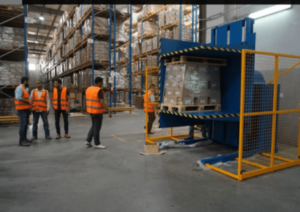
Manual pallet handling is a major source of workplace injuries in warehouses. Lifting heavy loads, repetitive motions, and awkward postures associated with manual restacking and pallet transfer can lead to strains, sprains, back injuries, and other musculoskeletal disorders. These injuries not only cause pain and suffering for workers but also result in significant costs for businesses, including workers' compensation claims, lost productivity due to employee absences, and potential OSHA violations.
Pallet inverters significantly improve workplace safety by minimizing the need for manual lifting and awkward handling of pallet loads. By automating the rotation and transfer of pallets, these machines reduce the physical strain on workers, dramatically decreasing the risk of manual handling injuries. This is especially crucial for tasks involving heavy or unstable loads, where the risk of injury is particularly high.
The improved safety provided by pallet inverters translates directly into cost savings. Reduced injury rates lead to lower workers' compensation premiums, fewer lost workdays, and decreased healthcare costs. Moreover, a safer work environment boosts employee morale and reduces staff turnover, further contributing to long-term cost savings and operational stability. By investing in pallet inverters, businesses demonstrate a commitment to employee well-being while simultaneously reducing injury-related expenses.
Operational Cost Reduction Beyond Labor
The benefits of pallet inverters extend beyond labor and safety to encompass broader operational cost reductions. One significant area is the reduction of product damage. Manual handling, particularly when rushed or performed by less experienced workers, can lead to accidental drops, collisions, and other forms of product damage. Damaged goods represent a direct financial loss, impacting profitability and customer satisfaction.
Pallet inverters handle loads with precision and care, minimizing the risk of product damage during pallet transfer or inversion. The controlled movements of the machine ensure that loads are handled gently, reducing the likelihood of goods being crushed, dropped, or otherwise damaged. This reduction in product damage translates into fewer write-offs, less waste, and improved inventory integrity, contributing to overall operational cost savings.
Another area of cost reduction is related to pallet management itself. Damaged pallets are a common issue in warehouses, requiring repair or replacement, which adds to operational expenses. Pallet inverters can help extend the lifespan of pallets by reducing the rough handling that often leads to damage. By facilitating quick pallet exchange, inverters also enable the prompt removal of damaged pallets from circulation, preventing further damage and ensuring that goods are always supported by sound pallets. In some cases, pallet inverters can also assist in switching loads from less durable or less hygienic pallets (like wood) to more robust or sanitary options (like plastic), optimizing pallet usage for specific applications and environments.
Return on Investment: Justifying the Pallet Inverter Purchase
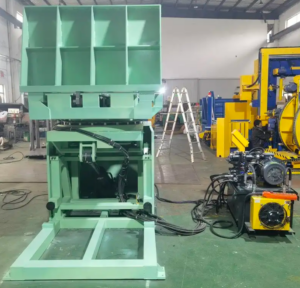
While the initial investment in a pallet inverter represents a capital expenditure, the return on investment (ROI) is often compelling and relatively rapid. The combination of labor cost savings, efficiency gains, reduced injury-related costs, and operational cost reductions collectively contribute to a strong ROI.
The payback period for a pallet inverter can vary depending on factors such as the volume of pallet handling, labor costs, and the specific operational improvements achieved. However, many businesses find that the savings generated by pallet inverters quickly offset the initial investment. The long lifespan and durability of industrial-grade pallet inverters further enhance their ROI, providing years of reliable service and cost savings.
To justify the purchase, businesses should conduct a thorough cost-benefit analysis, considering factors such as current labor costs for pallet handling, estimated efficiency gains, potential reduction in injury costs, and anticipated operational cost reductions. Comparing these projected savings against the purchase price and operational costs of the pallet inverter will provide a clear picture of the potential ROI and help make an informed investment decision.
Versatility and Applications Across Industries
Pallet inverters are not limited to a single industry or application; their versatility makes them valuable across a wide spectrum of sectors. Industries that heavily rely on palletized goods handling stand to benefit significantly from implementing pallet inverters.
In the food and beverage industry, pallet inverters are crucial for hygienic pallet exchange, often used to transfer goods from wooden pallets to sanitary plastic pallets before entering clean production areas. They are also used for rotating stock to prevent settling or caking of powdered goods and for efficiently handling large volumes of palletized products in distribution centers.
The pharmaceutical industry also benefits from the hygienic pallet exchange capabilities of inverters, maintaining stringent cleanliness standards in manufacturing and storage areas. Furthermore, the gentle handling of pallet inverters is ideal for fragile pharmaceutical products, minimizing damage during handling.
Manufacturing, warehousing, and distribution operations across various sectors, including automotive, construction materials, printing, and consumer goods, can leverage pallet inverters to streamline their material handling processes, reduce labor costs, improve safety, and enhance overall efficiency. From rotating loads for processing to accessing damaged goods at the bottom of a stack, pallet inverters provide a versatile solution for a multitude of pallet handling challenges.
Types of Pallet Inverters: Tailoring Solutions to Specific Needs
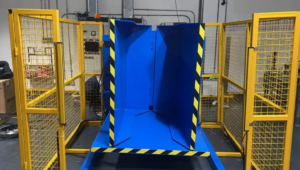
The market offers a variety of pallet inverter models to suit different operational needs and budgets. These range from manual and semi-automatic to fully automated systems, and include stationary, mobile, and inline configurations.
Manual pallet inverters are cost-effective solutions for lower-volume operations where occasional pallet inversion is required. These models typically require manual clamping and operation. Automated pallet inverters, on the other hand, are designed for high-volume environments where speed and automation are paramount. These machines often feature push-button controls, automated clamping, and integration with conveyor systems for seamless workflow.
Stationary pallet inverters are designed for fixed locations within the warehouse, providing robust and durable performance for heavy-duty applications. Mobile pallet inverters offer flexibility, allowing them to be moved to different locations within the facility as needed. Inline pallet inverters are integrated directly into production or conveyor lines, providing continuous and automated pallet handling within a streamlined process.
The availability of diverse models ensures that businesses can select a pallet inverter that aligns with their specific operational volume, space constraints, budget, and automation requirements, maximizing the benefits and ROI of their investment.
Conclusion: Pallet Inverters – A Strategic Investment for Warehouse Efficiency and Cost Savings
In conclusion, pallet inverters offer a compelling array of benefits for businesses seeking to reduce warehouse labor costs, enhance efficiency, improve safety, and streamline operations. By automating pallet handling, these machines directly reduce manual labor requirements, leading to significant wage savings and freeing up personnel for more strategic tasks. The increased speed and efficiency of pallet inversion translate into higher throughput, faster order fulfillment, and improved productivity.
Furthermore, pallet inverters create a safer work environment by minimizing manual lifting and reducing the risk of workplace injuries, leading to lower injury-related costs and improved employee well-being. Operational cost reductions extend beyond labor and safety, encompassing reduced product damage, optimized pallet management, and improved inventory integrity. The strong return on investment, coupled with the versatility and wide range of applications, makes pallet inverters a strategic investment for modern warehouses.
For businesses striving to optimize their warehouse operations in today's competitive environment, pallet inverters are not just equipment; they are a strategic asset that drives efficiency, reduces costs, and enhances overall operational excellence. By embracing automation in pallet handling, businesses can unlock significant labor cost savings and pave the way for a more productive, safer, and more profitable future.