
What Are the Key Factors in Evaluating Pallet Inverter Suppliers for Quality?
When evaluating pallet inverter suppliers for quality, key factors include their quality management systems, production capacity, risk mitigation strategies, cost-effectiveness, and overall reputation and support. A thorough assessment across these areas ensures you select a supplier capable of providing reliable and durable pallet inverters that meet your operational demands and quality standards.
[Pallet inverter supplier evaluation, quality considerations, pallet inverter durability, industrial equipment standards]
[Pallet inverter supplier evaluation, quality considerations, pallet inverter durability, industrial equipment standards]
In today's fast-paced manufacturing and warehousing environments, efficiency and safety are paramount. Pallet inverters have emerged as essential industrial equipment, streamlining material handling by enabling quick and safe rotation or repositioning of heavy loads. Selecting the right pallet inverter supplier is crucial to ensuring the quality, durability, and reliability of this equipment, which directly impacts operational efficiency and workplace safety. This article delves into the key factors that businesses must consider when evaluating pallet inverter suppliers to guarantee they receive high-quality solutions that meet their specific needs.
Understanding the Importance of Supplier Evaluation for Pallet Inverters
[Pallet inverter supplier evaluation, quality considerations, pallet inverter durability, industrial equipment standards]
[Pallet inverter supplier evaluation, quality considerations, pallet inverter durability, industrial equipment standards]
Pallet inverters are not just simple machines; they are specialized pieces of equipment that must withstand heavy loads and repetitive use while maintaining precise operation. The quality of a pallet inverter directly affects its lifespan, performance, and safety. A poorly manufactured inverter can lead to operational downtime, product damage, and, most importantly, workplace injuries. Therefore, a rigorous evaluation process for pallet inverter suppliers is not merely a procedural step but a critical investment in operational excellence and risk mitigation.
Choosing a supplier goes beyond just comparing prices. It involves a comprehensive assessment of the supplier's capabilities, quality control measures, and commitment to customer satisfaction. A strategic supplier evaluation ensures that you partner with a provider who can consistently deliver high-quality pallet inverters that contribute to your operational goals and uphold safety standards.
Key Evaluation Factors: Quality Management System
A supplier’s quality management system (QMS) is the backbone of their commitment to quality. A robust QMS indicates that the supplier has established processes and procedures to consistently deliver products that meet specified requirements. When evaluating pallet inverter suppliers, inquire about their QMS and look for certifications such as ISO 9001. This certification signifies that an independent body has audited and recognized the supplier's QMS as adhering to international standards for quality management.
Beyond certifications, delve into the specifics of their quality control processes. How do they ensure the quality of incoming materials? What inspection methods are employed during manufacturing? Do they conduct final inspections before shipment? Request to review quality control documentation, including inspection reports and material certifications. This documentation provides tangible evidence of their commitment to quality and their ability to trace and verify product conformance.
Furthermore, understand their approach to non-conforming products. What are their procedures for identifying, addressing, and preventing quality issues? A supplier with a proactive approach to corrective and preventive actions demonstrates a commitment to continuous improvement, a crucial aspect of long-term quality assurance.
Key Evaluation Factors: Production Capacity and Capabilities
Capacity is a critical factor, especially if your business anticipates growth or fluctuating demands. Evaluate the supplier's production capacity to ensure they can meet your current and future needs without compromising on lead times or quality. Inquire about their current production levels and whether they are operating at, below, or above their typical capacity. Ideally, a supplier operating between 60% to 80% capacity is often in a sweet spot – indicating healthy demand without being overstretched, which could risk delays.
Visit the supplier’s manufacturing facility, if possible, to observe their production processes firsthand. Assess the equipment they use, the organization of their production floor, and their overall operational efficiency. This visual inspection can provide valuable insights into their capabilities and capacity.
Moreover, consider their flexibility and responsiveness to changing order volumes. Can they accommodate rush orders or adjust production quantities as needed? A supplier with flexible manufacturing capabilities can be a valuable asset in dynamic market conditions. Understanding their resource allocation, including personnel, equipment, and material management, will further illuminate their capacity and operational agility.
Key Evaluation Factors: Risk Assessment and Mitigation

Supplier risks can range from material shortages and production delays to geopolitical instability and natural disasters. A comprehensive supplier evaluation must include a thorough risk assessment. Inquire about the supplier’s risk management strategies and their plans for mitigating potential disruptions.
Visibility into the supplier's financial health is crucial. While financial details of private companies may be less transparent, assess their willingness to discuss their financial stability and long-term viability. Financial stability is a strong indicator of a supplier’s ability to invest in quality, maintain operations, and withstand economic fluctuations.
Evaluate their supply chain resilience. Do they have multiple sources for critical components and materials? What is their inventory management strategy? Suppliers with robust supply chain management are less vulnerable to disruptions and can ensure consistent material flow for production.
Geographic location also plays a role in risk assessment. Consider the supplier's location relative to potential natural disasters or geopolitical risks. Does the supplier have contingency plans in place to address such events? For example, a supplier located in a hurricane-prone region should have a disaster recovery plan to minimize production downtime.
Key Evaluation Factors: Cost and Pricing Structure
While cost should not be the sole determinant, it is undoubtedly a significant factor in supplier selection. However, focus on value rather than just the lowest price. A slightly higher price from a supplier who guarantees quality, reliability, and consistent delivery may be more cost-effective in the long run than a cheaper option that compromises on these critical aspects.
Analyze the supplier's pricing structure for transparency and competitiveness. Understand what is included in their pricing and if there are any hidden costs. Request a detailed breakdown of costs to compare quotes accurately.
Consider the total cost of ownership, which encompasses not only the initial purchase price but also factors like maintenance costs, spare parts availability, and the lifespan of the pallet inverter. A durable and well-maintained pallet inverter, even with a higher upfront cost, can offer a lower total cost of ownership over its operational life.
Furthermore, assess the supplier's approach to cost fluctuations. How do they handle material price increases or currency fluctuations? A transparent and fair approach to pricing adjustments is a hallmark of a reliable supplier.
Key Evaluation Factors: Reputation, References, and Support
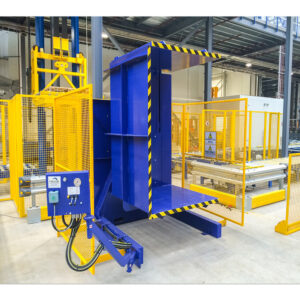
A supplier's reputation and customer references provide valuable insights into their reliability and customer satisfaction. Request references from existing customers, particularly those in similar industries or with comparable operational scales. Contact these references to inquire about their experience with the supplier, focusing on aspects like product quality, on-time delivery, responsiveness to issues, and overall customer support.
Explore online reviews and industry forums to gauge the supplier's reputation in the broader market. While online reviews should be viewed with a balanced perspective, consistent positive or negative feedback trends can be indicative of the supplier's general performance.
Evaluate the supplier's after-sales support and service capabilities. What warranty do they offer on their pallet inverters? Do they provide installation assistance, training, and ongoing maintenance support? A supplier with comprehensive after-sales support ensures that you have access to assistance and expertise throughout the lifespan of your equipment. Inquire about their service network, spare parts availability, and response times for service requests. Prompt and reliable support is crucial to minimizing downtime and maximizing the operational life of your pallet inverter.
Durability and Industrial Standards for Pallet Inverters
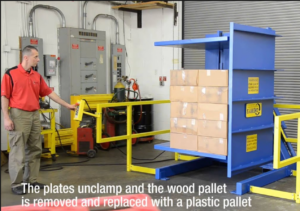
Durability is paramount for pallet inverters, which are often subjected to heavy use in demanding industrial environments. When evaluating suppliers, inquire about the materials used in their pallet inverters, particularly for critical components like the frame, clamping mechanisms, and hydraulic systems. Industrial-grade construction using robust materials like steel is essential for long-term durability and reliability. Some suppliers may offer stainless steel options for applications in industries with stringent hygiene standards, such as food and pharmaceuticals.
Ensure that the pallet inverters comply with relevant industrial equipment standards and safety regulations. This includes adherence to safety standards like those related to machinery safety, electrical safety, and hydraulic systems. Compliance with these standards is not only a legal requirement but also a testament to the supplier's commitment to safety and quality.
Look for pallet inverters with safety features such as safety fencing, emergency stop buttons, load retention mechanisms, and locking systems. These features are crucial for operator safety and preventing accidents during operation.
Practical Steps for Evaluating Pallet Inverter Suppliers
- Define Your Needs: Clearly outline your operational requirements, including load capacities, pallet types, rotation angles, throughput needs, and automation levels. This will serve as a benchmark for evaluating suppliers.
- Research Potential Suppliers: Identify potential pallet inverter suppliers through industry directories, online searches, and recommendations.
- Request Information and Documentation: Contact shortlisted suppliers and request detailed information about their products, quality management systems, production capabilities, and pricing. Request quality control documentation, certifications, and customer references.
- Evaluate Samples and Conduct Tests: If possible, request samples or arrange for demonstrations of their pallet inverters. Conduct tests to assess performance, durability, and ease of operation.
- Site Visits and Audits: If feasible and for critical applications, conduct site visits to the supplier's manufacturing facility. Perform audits to assess their quality management system, production processes, and overall operational capabilities.
- Compare and Analyze: Systematically compare and analyze the information gathered from each supplier across all key evaluation factors. Develop a supplier scorecard to objectively assess and rank potential suppliers.
- Negotiate and Select: Engage in negotiations with the top-ranked suppliers to finalize terms, pricing, and service agreements. Select a supplier who best aligns with your needs, quality expectations, and long-term partnership goals.
- Establish Ongoing Monitoring: After selecting a supplier, establish ongoing monitoring mechanisms to track their performance, quality, and adherence to agreed-upon terms. Regularly review supplier performance and conduct periodic evaluations to ensure continued quality and satisfaction.
Conclusion: Choosing the Right Pallet Inverter Supplier for Long-Term Success
Selecting a pallet inverter supplier is a strategic decision that significantly impacts your operational efficiency, workplace safety, and long-term success. By diligently evaluating suppliers based on key factors like quality management systems, production capacity, risk mitigation, cost-effectiveness, reputation, and support, businesses can make informed choices and establish partnerships with reliable providers. Prioritizing quality in supplier selection ensures that you invest in durable, reliable pallet inverters that enhance your material handling operations and contribute to a safer and more productive work environment. A thorough evaluation process is not just about choosing a supplier; it's about securing a valuable partner who can support your business goals and uphold your standards of quality and excellence.