
What Are the Benefits of Using Pallet Inverters in the Textile Industry?
Pallet inverters offer textile manufacturers and distributors significant advantages by streamlining material handling, reducing product damage, and optimizing warehouse operations. These machines enhance efficiency by quickly rotating and transferring palletized goods, minimizing manual labor, and ensuring safer, more productive workflows within the textile supply chain, from raw materials to finished products.
The textile industry, with its diverse range of materials from delicate fabrics to heavy rolls and finished goods, demands efficient and careful material handling. Optimizing logistics and warehouse operations is paramount for textile businesses striving for peak productivity and cost-effectiveness. One often-overlooked yet highly beneficial piece of equipment is the pallet inverter. This robust machine offers a multitude of advantages, streamlining processes, reducing damage, and enhancing safety throughout the textile supply chain. Investing in pallet inverters can revolutionize material handling within the textile industry, leading to significant improvements in efficiency and profitability.
Streamlining Textile Material Handling for Enhanced Efficiency
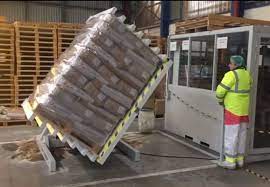
Efficiency is the lifeblood of any successful textile operation. From handling raw fibers and yarns to managing bolts of fabric and stacks of finished garments, the movement of materials is constant and critical. Pallet inverters play a pivotal role in streamlining these processes. Traditional manual pallet handling is time-consuming and labor-intensive, often requiring multiple personnel and increasing the risk of delays. Pallet inverters automate the process of rotating and transferring pallet loads, significantly reducing the time and manpower required for tasks such as pallet exchange, load inversion, and product recovery.
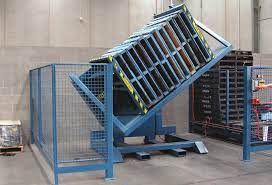
By automating pallet rotation, textile facilities can drastically cut down on turnaround times for material processing and dispatch. Imagine the time saved in a textile warehouse when needing to access goods at the bottom of a pallet. Manually unstacking and restacking is a laborious task. A pallet inverter can quickly invert the entire load, allowing immediate access to the lower layers without disrupting the entire stack. This speed and efficiency translate directly into increased throughput and faster order fulfillment, crucial in the fast-paced textile market.
Furthermore, pallet inverters can be seamlessly integrated into existing textile production lines and warehouse systems. Whether used as standalone units or incorporated into automated sequences, they offer versatility in adapting to various operational layouts and needs. This adaptability is particularly valuable in the textile industry, which encompasses diverse manufacturing processes and facility designs.
Minimizing Product Damage in Textile Warehousing and Transit
The textile industry deals with materials that are often delicate and susceptible to damage. Fabrics can be torn, rolls can be crushed, and finished garments can be soiled or misshapen if not handled carefully. Forklifts, while essential for material movement, can sometimes contribute to product damage if not operated with utmost precision. Manual handling also carries inherent risks of mishandling and accidental damage.
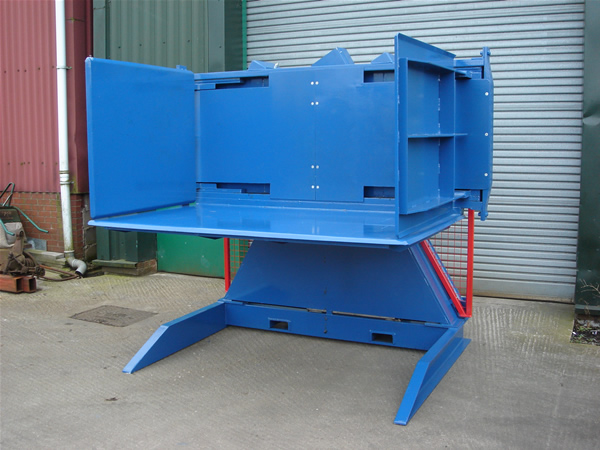
Pallet inverters offer a much gentler and more controlled method of handling palletized textile goods. By securely clamping and rotating the entire load, inverters minimize the stresses and strains on the products themselves. The controlled inversion process reduces the risk of items shifting, falling, or being crushed during handling. This is particularly critical for delicate textiles, where even minor damage can render products unsaleable or require costly rework.
Moreover, pallet inverters are invaluable for addressing damaged pallets. In transit and within warehouses, pallets can become broken or unstable. Transferring goods from a damaged pallet to a new one manually is risky and time-consuming, increasing the chance of product damage during the transfer. A pallet inverter allows for a safe and efficient pallet exchange. The load is securely clamped, and the inverter rotates it, allowing the damaged pallet to be removed and replaced with a new one without the need to unload and reload individual items. This capability significantly reduces product damage associated with pallet issues and ensures the integrity of textile goods throughout the supply chain.
Optimizing Textile Logistics and Warehouse Space Utilization
Efficient logistics and optimized warehouse space are critical for cost-effective textile operations. Textile warehouses often store large volumes of materials, from raw stock to finished products, requiring intelligent space management and smooth material flow. Pallet inverters contribute to both these aspects.
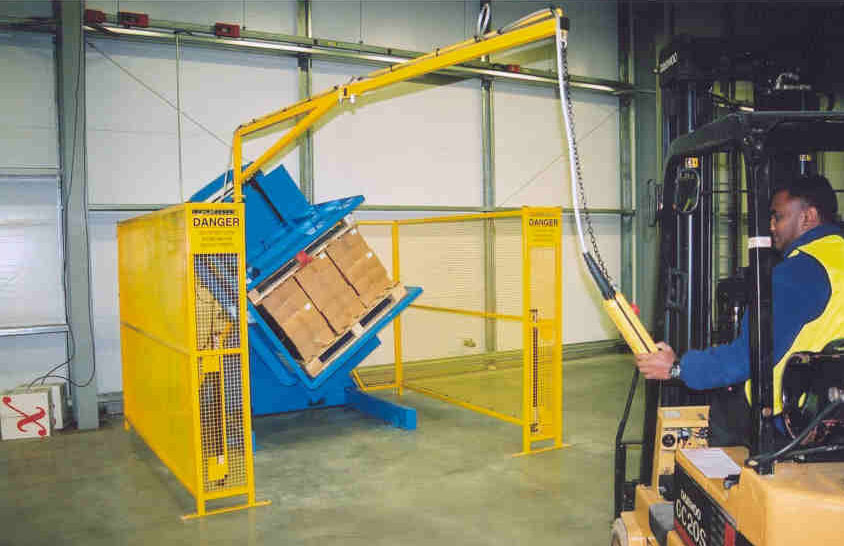
By enabling efficient pallet inversion and rotation, pallet inverters facilitate better space utilization within textile warehouses. They allow for tighter storage configurations and easier vertical stacking of palletized goods. The ability to quickly reorient pallets allows for optimized arrangement of inventory, maximizing the use of available cubic space. This is particularly important in textile warehouses where space can be at a premium, especially during peak seasons or when managing large inventories of diverse textile products.
Furthermore, pallet inverters enhance the efficiency of textile logistics by streamlining loading and unloading processes. They facilitate quick pallet swapping, enabling textile manufacturers to use optimal pallets for different stages of the supply chain. For instance, incoming raw materials on standard shipping pallets can be efficiently transferred to in-house racking pallets using a pallet inverter. Similarly, finished goods destined for distribution can be transferred from in-house pallets to expendable or customer-specific pallets with ease and speed. This flexibility and efficiency in pallet management contribute to smoother logistics operations and reduced handling costs.
Cost Savings and Return on Investment for Textile Businesses
While the initial investment in a pallet inverter may seem significant, the long-term cost savings and return on investment for textile businesses are substantial. The efficiency gains, reduced product damage, and optimized logistics directly translate into tangible financial benefits.
Reduced labor costs are a primary source of savings. By automating pallet handling tasks, pallet inverters minimize the need for manual labor, freeing up personnel for more skilled and value-added activities within the textile operation. This is particularly important in regions where labor costs are high or where skilled labor is scarce.
The reduction in product damage also contributes significantly to cost savings. Damaged textiles represent direct financial losses through unsaleable goods, rework costs, and potential customer dissatisfaction. By minimizing product damage during handling and pallet transfer, pallet inverters protect the value of textile inventory and reduce waste.
Furthermore, optimized logistics and warehouse space utilization lead to further cost reductions. Efficient space management reduces storage costs, while streamlined logistics minimize handling expenses and improve delivery times. These cumulative cost savings, combined with increased operational efficiency, ensure a strong return on investment for textile businesses that adopt pallet inverter technology.
Enhancing Workplace Safety in Textile Facilities
Workplace safety is a paramount concern in any industrial setting, and textile facilities are no exception. Manual handling of heavy pallet loads poses significant risks of musculoskeletal injuries, strains, and accidents. Forklift operations, while essential, also carry inherent safety risks if not managed carefully.
Pallet inverters significantly enhance workplace safety by minimizing the need for manual lifting and awkward handling of heavy textile loads. They automate the hazardous tasks of pallet inversion and transfer, reducing the risk of injuries associated with manual material handling. This creates a safer and healthier working environment for textile employees, reducing lost time due to injuries and improving overall workplace morale.
Moreover, by providing a controlled and stable method for handling pallet loads, pallet inverters reduce the risks associated with forklift operations when performing tasks like pallet inversion or accessing bottom layers of stacks. The secure clamping mechanism and controlled rotation of the inverter minimize the chances of loads shifting or falling, further enhancing safety within textile warehouses and production areas.
Versatility and Adaptability for Diverse Textile Applications
The textile industry is incredibly diverse, encompassing a wide range of materials, product formats, and operational scales. Pallet inverters offer the versatility and adaptability to cater to these diverse needs. Different models and configurations are available to handle various load sizes, weights, and pallet types commonly used in the textile industry.
Whether handling lightweight rolls of delicate fabric, heavy stacks of denim, or palletized cartons of finished garments, there is a pallet inverter solution suitable for the application. From entry-level models for smaller textile workshops to heavy-duty machines for large-scale textile mills and distribution centers, the range of pallet inverters available ensures that textile businesses of all sizes can benefit from this technology.
Furthermore, pallet inverters are adaptable to different operational layouts and integration requirements. They can be used as standalone units for flexible deployment within a textile facility or integrated into automated conveyor systems and production lines for seamless material flow. This adaptability makes pallet inverters a valuable asset for a wide spectrum of textile applications, enhancing efficiency and safety across diverse operational scenarios.
Conclusion: Investing in Efficiency and Safety for Textile's Future
In conclusion, the benefits of using pallet inverters in the textile industry are multifaceted and compelling. From streamlining material handling and minimizing product damage to optimizing logistics, enhancing workplace safety, and delivering significant cost savings, pallet inverters offer a transformative solution for textile businesses seeking to improve efficiency and profitability. By investing in pallet inverter technology, textile manufacturers and distributors can optimize their operations, create safer working environments, and position themselves for greater success in the competitive global textile market. Embracing innovation in material handling is key to unlocking new levels of efficiency and ensuring a sustainable and prosperous future for the textile industry.