
How to Ensure Pallet Inverter Compatibility with Automated Guided Vehicles?
To ensure pallet inverter compatibility with automated guided vehicles (AGVs), focus on pallet specifications, inverter and AGV types, communication systems, safety features, and workflow design. Assess load capacity, pallet size, and operating environment. Choose compatible models, integrate control systems for seamless communication, prioritize safety interlocks, and optimize warehouse layout for efficient material flow. Proper planning and testing are crucial for successful integration.
Understanding the Synergy of Pallet Inverters and AGVs in Modern Warehouses
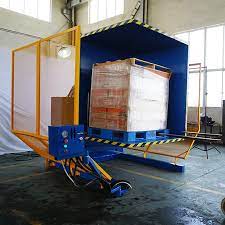
In today's fast-paced manufacturing and distribution environments, efficiency and automation are paramount. Material handling systems are evolving to meet these demands, with pallet inverters and automated guided vehicles (AGVs) playing increasingly critical roles. Pallet inverters streamline the process of rotating, transferring, or replacing goods on pallets, reducing manual labor and product damage. AGVs, on the other hand, offer autonomous material transport, enhancing throughput and safety within warehouses and production facilities.
The integration of pallet inverters and AGVs represents a significant step towards optimizing material flow. However, to unlock the full potential of this synergy, ensuring compatibility between these two technologies is essential. This article will explore the key considerations for achieving seamless pallet inverter and AGV integration, focusing on practical guidelines and best practices for a robust and efficient material handling system.
Pallet Inverters: Versatile Tools for Efficient Load Handling
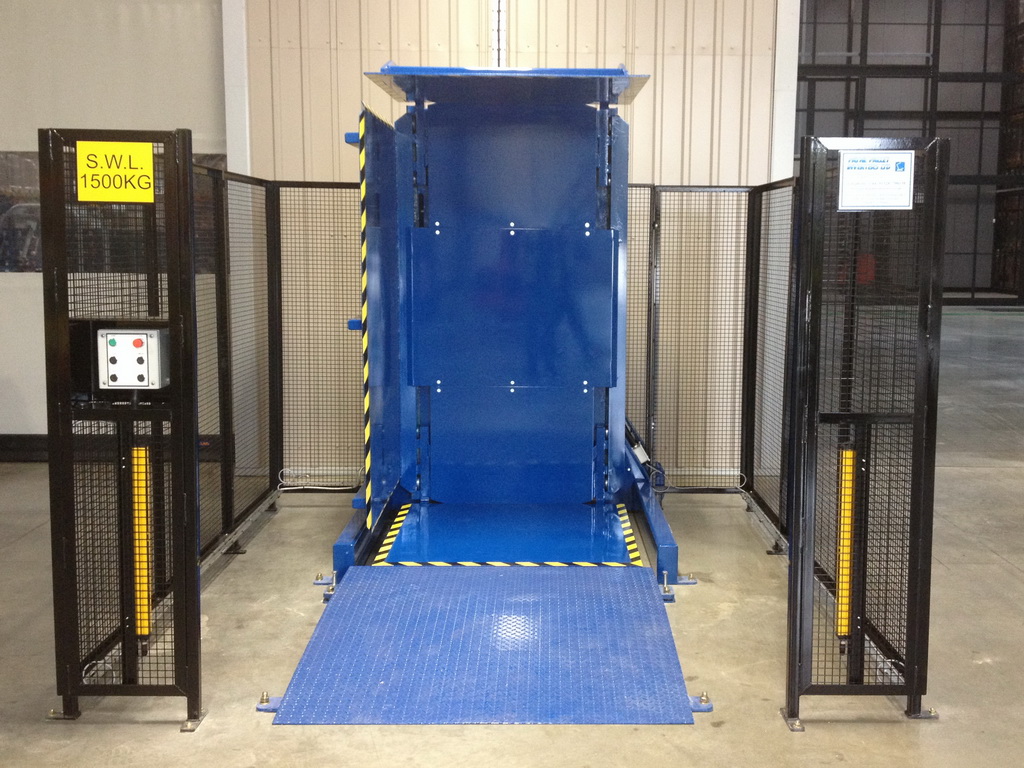
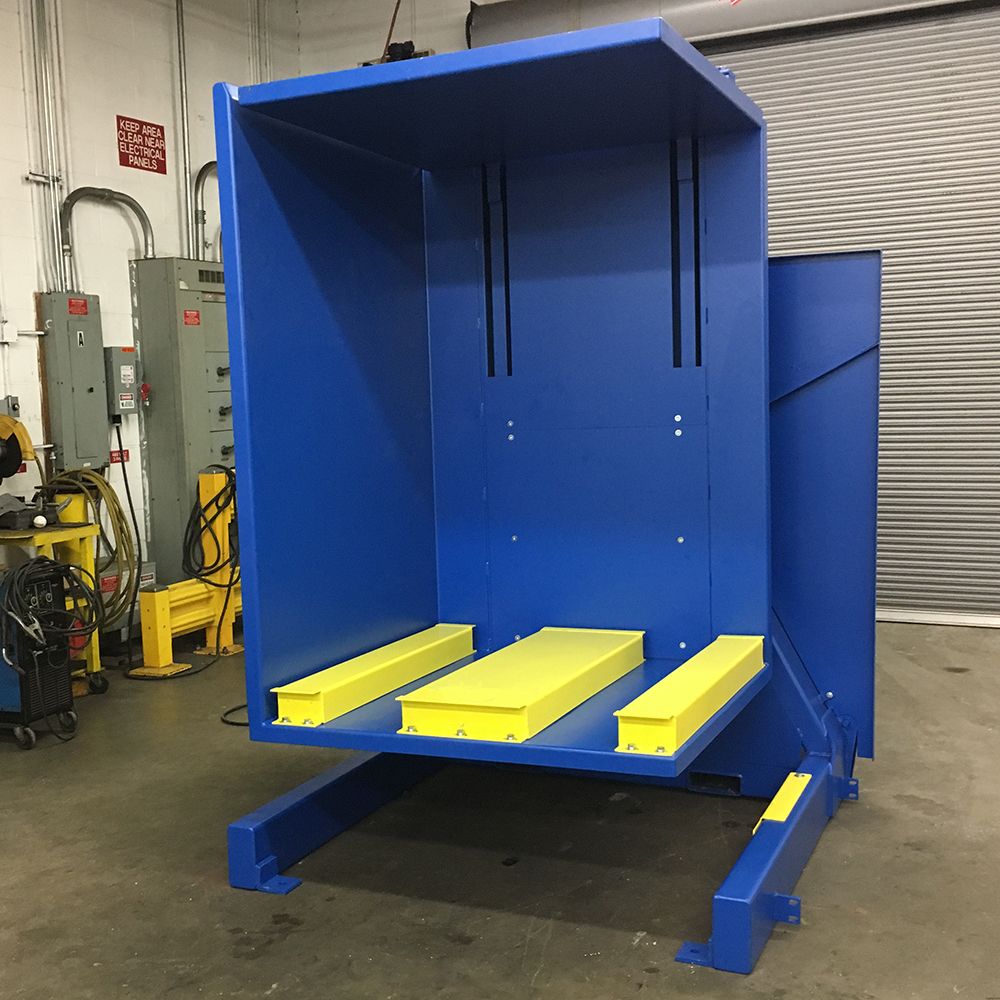
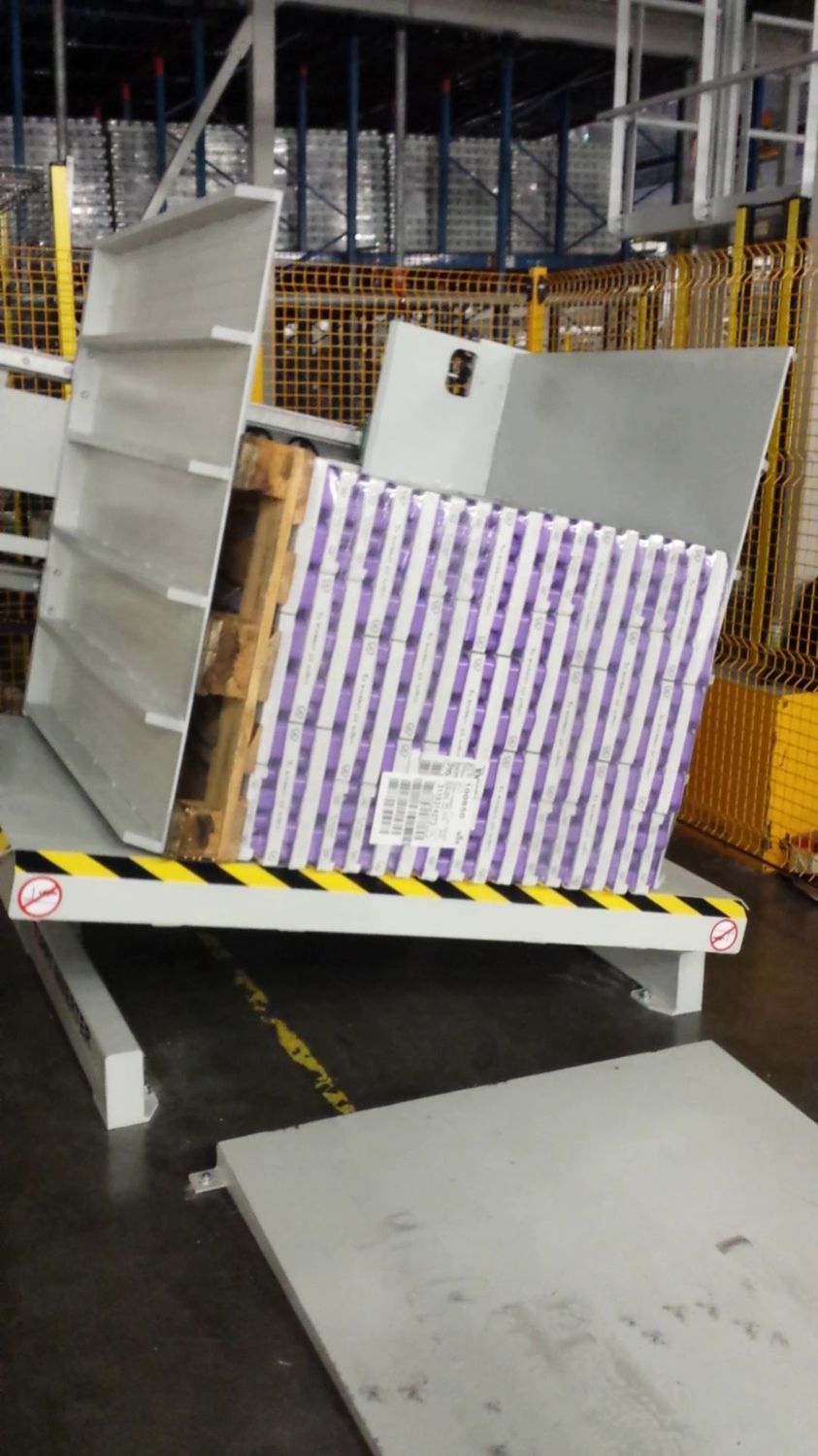
Pallet inverters are specialized machines designed to tilt, rotate, or flip palletized loads. Their primary function is to provide a safe and efficient way to access or transfer goods stacked on pallets, eliminating the need for manual restacking, which is often time-consuming, labor-intensive, and prone to product damage.
Types of Pallet Inverters:
- Stationary Pallet Inverters: These are fixed installations ideal for high-volume operations in dedicated areas. They are robust, capable of handling heavy loads, and often offer advanced features for customization and enhanced efficiency. Stationary inverters are perfect for environments where pallet inversion is a frequent and integral part of the workflow.
- Portable Pallet Inverters: Offering mobility and flexibility, portable inverters are equipped with wheels or casters, allowing them to be moved to different locations within a facility. They are well-suited for operations where inversion is required in various areas or for businesses with space constraints.
- Manual vs. Automated Pallet Inverters: Pallet inverters can range from manually operated units to fully automated systems. Automated inverters offer faster cycle times, reduced operator intervention, and integration capabilities with other automated systems, making them ideal for high-throughput environments.
Key Components of a Pallet Inverter:
- Frame: The robust steel frame provides structural integrity and stability during operation. It is designed to withstand heavy loads and ensure the longevity of the machine.
- Clamping Mechanism: This critical component securely holds the pallet load in place during inversion. Clamping mechanisms are adjustable to accommodate various pallet sizes and load types, ensuring secure handling.
- Hydraulic System: In most powered pallet inverters, a hydraulic system provides the force needed for lifting, clamping, and rotating or flipping the load. Hydraulic systems offer precise control and power for efficient operation.
Benefits of Using Pallet Inverters:
- Reduced Manual Labor: Pallet inverters significantly reduce the need for manual lifting and restacking, minimizing strain on workers and freeing up labor for other tasks.
- Minimized Product Damage: By providing controlled and stable inversion, pallet inverters reduce the risk of product damage associated with manual handling or less controlled inversion methods.
- Enhanced Efficiency and Productivity: The speed and ease of pallet inversion with these machines contribute to faster throughput and improved overall productivity in material handling operations.
- Improved Safety: Pallet inverters offer a safer alternative to manual pallet handling, reducing the risk of workplace injuries related to lifting and awkward movements.
Automated Guided Vehicles (AGVs): Revolutionizing Material Transport
Automated Guided Vehicles (AGVs) are driverless vehicles that follow predetermined paths to transport materials within a facility. They are equipped with navigation systems, safety sensors, and load handling mechanisms to autonomously move goods, offering a flexible and efficient solution for material transport in diverse industries.
Types of AGV Forklifts:
- AGV Forklift Pallet Stackers: These AGVs are designed for vertical pallet handling, capable of lifting pallets to significant heights for storage in racking systems. They combine the functionality of a pallet stacker with the autonomy of an AGV.
- Clamp AGV Forklifts: Equipped with clamps instead of forks, these AGVs are designed to handle unique loads like rolls or reels. They often feature laser positioning systems for precise handling of unconventional shapes.
- Counterbalanced AGV Forklifts: These AGVs use a counterbalance weight to handle heavy payloads, offering high lifting capacity and stability. They are versatile and can handle a wide range of palletized goods.
- Pallet Mover AGVs (Fork-Over AGVs): Designed for horizontal pallet transport, pallet mover AGVs are similar to pallet jacks but operate autonomously. They are ideal for moving pallets between workstations or to and from storage areas at ground level.
- Reach Truck AGVs: Optimized for narrow aisle operations, reach truck AGVs combine the reach capability for deep racking with the autonomous navigation of AGVs.
- Straddle AGV Forklifts: These AGVs feature stabilizing legs for increased load stability, allowing them to handle heavier loads and operate in tighter spaces compared to counterbalanced models.
- VNA (Very Narrow Aisle) AGV Forklifts: Designed for very narrow aisle warehouses, VNA AGVs have side-mounted forks and exceptional maneuverability, maximizing storage density and efficiency in high-volume operations.
Benefits of Using AGVs:
- Increased Efficiency and Throughput: AGVs operate continuously and autonomously, leading to faster material movement and increased throughput in warehouses and production lines.
- Reduced Labor Costs: By automating material transport, AGVs reduce the need for manual forklift operators, leading to significant labor cost savings.
- Improved Safety: AGVs are equipped with safety sensors and programmed to follow safe routes, reducing the risk of accidents and collisions in the workplace.
- Enhanced Inventory Accuracy: AGVs can be integrated with warehouse management systems (WMS) to track material movement, improving inventory accuracy and reducing errors in picking and putaway processes.
- Operational Flexibility and Scalability: AGV systems are flexible and scalable, allowing businesses to adjust routes and expand their fleets as operational needs change.
Why Compatibility Between Pallet Inverters and AGVs is Crucial
Integrating pallet inverters and AGVs offers a powerful combination for streamlining material handling processes. However, for this integration to be successful and deliver optimal results, ensuring compatibility is paramount. Incompatibility can lead to operational bottlenecks, inefficiencies, and even safety hazards.
Benefits of Compatible Systems:
- Seamless Workflow Automation: Compatible pallet inverters and AGVs create a seamless automated workflow. AGVs can deliver pallets to the inverter, and after inversion, pick them up and continue the material flow without manual intervention.
- Optimized Cycle Times: When AGVs and inverters are designed to work together, cycle times are optimized. The AGV arrival, pallet inversion process, and AGV departure are synchronized to minimize delays and maximize throughput.
- Reduced Manual Handling Points: Compatibility reduces the number of manual handling points in the process. This minimizes the risk of product damage and human error, while also freeing up labor for more value-added tasks.
- Enhanced System Reliability: A well-integrated and compatible system is more reliable and less prone to breakdowns or operational disruptions. This ensures consistent and predictable material flow.
- Maximized Return on Investment (ROI): By achieving seamless automation and optimized efficiency, compatible pallet inverter and AGV systems deliver a higher return on investment compared to systems with compatibility issues.
Key Compatibility Considerations for Pallet Inverter and AGV Integration
To ensure pallet inverter compatibility with AGVs, several critical factors must be considered during the planning and implementation phases. These considerations span across pallet specifications, equipment types, communication protocols, safety systems, and overall workflow design.
1. Pallet Specifications:
- Pallet Size and Type: Both the pallet inverter and AGV must be compatible with the specific pallet sizes and types used in the operation. Consider standard pallet sizes (GMA, CHEP) as well as any custom or non-standard pallets. The clamping mechanism of the inverter and the fork dimensions or load handling attachments of the AGV must be suitable for these pallets.
- Pallet Weight and Load Capacity: The load capacity of both the pallet inverter and the AGV must be sufficient for the maximum weight of the palletized goods being handled. Overloading equipment can lead to damage, safety risks, and operational failures.
- Pallet Material and Condition: Consider the material of the pallets (wood, plastic, metal) and their condition. Damaged or inconsistent pallets can cause issues with both inverter clamping and AGV handling. Consistent pallet quality is crucial for automated systems.
2. Pallet Inverter and AGV Types:
- Matching Inverter Type to AGV Type: Select pallet inverter and AGV types that are naturally suited for integration. For example, stationary pallet inverters are often integrated with AGV forklift pallet stackers or reach truck AGVs for vertical handling in fixed locations. Portable inverters might be better suited for pallet mover AGVs for flexible, ground-level operations.
- Inverter Loading/Unloading Interface: The design of the pallet inverter's loading and unloading area must be compatible with the AGV's approach and departure maneuvers. Consider the inverter's table height, access points, and any guide rails or sensors needed for precise AGV positioning.
- AGV Load Handling Mechanism: Ensure the AGV's forks, clamps, or other load handling mechanisms are designed to interface correctly with pallets after they have been inverted. For instance, if a pallet is inverted to replace a damaged bottom pallet, the AGV needs to be able to pick up the re-palletized load securely.
3. Communication and Control Systems Integration:
- Control System Compatibility: The control systems of the pallet inverter and the AGV system must be compatible and ideally capable of communication. This allows for synchronized operation, where the AGV signals the inverter when a pallet is ready for inversion, and the inverter signals back upon completion.
- Interface Protocols: Determine the communication protocols required for integration (e.g., Ethernet/IP, PROFINET, OPC UA). Ensure both systems support a common protocol or that a suitable gateway can be implemented for protocol translation.
- WMS/MES Integration: For advanced automation, consider integrating both the pallet inverter and AGV systems with a central Warehouse Management System (WMS) or Manufacturing Execution System (MES). This allows for higher-level control, task management, and data tracking across the entire material handling process.
4. Safety Features and Integration:
- Safety Sensors and Interlocks: Integrate safety sensors and interlocks between the pallet inverter and AGV system. For example, ensure that the pallet inverter cannot operate while an AGV is within a defined safety zone around the machine. Similarly, the AGV should be programmed to stop or slow down if the inverter is in operation or if there is an obstruction in its path near the inverter.
- Emergency Stop Systems: Ensure that emergency stop buttons are readily accessible and integrated across both systems. Activating an emergency stop should halt both the AGV and the pallet inverter immediately and safely.
- Safety Standards Compliance: Both the pallet inverter and AGV system, and their integrated operation, must comply with relevant safety standards and regulations (e.g., ANSI B56.5 for AGVs, industry-specific standards for pallet inverters).
5. Workflow Design and Layout:
- Optimized Layout for AGV Navigation: Design the warehouse or production floor layout to facilitate efficient AGV navigation to and from the pallet inverter. Minimize obstacles, ensure clear pathways, and consider the turning radius and maneuvering space requirements for the AGVs.
- Buffer Zones and Queuing: Implement buffer zones or queuing areas near the pallet inverter to manage pallet flow efficiently. This prevents bottlenecks and ensures that AGVs can smoothly deliver and pick up pallets without waiting or congestion.
- Process Flow Analysis: Conduct a thorough process flow analysis to map out the interaction between the pallet inverter and AGV system within the overall material handling workflow. Identify potential bottlenecks, optimize process steps, and ensure smooth transitions between manual and automated stages if applicable.
Integration Guidelines for Pallet Inverter and AGV Systems
Successful integration of pallet inverters and AGVs requires a structured approach, encompassing careful planning, supplier collaboration, rigorous testing, and ongoing maintenance.
1. Needs Assessment and Planning:
- Define Objectives: Clearly define the objectives of integration. What specific material handling challenges are you trying to solve? What are the desired improvements in efficiency, safety, and cost reduction?
- Analyze Pallet Flow and Volumes: Analyze current and future pallet flow patterns, volumes, and throughput requirements. This will help determine the required capacity and speed of both the pallet inverter and AGV system.
- Evaluate Existing Infrastructure: Assess your existing warehouse layout, racking systems, flooring conditions, and IT infrastructure. Identify any modifications needed to accommodate the integrated system.
2. Supplier Selection and Collaboration:
- Choose Experienced Suppliers: Select reputable pallet inverter and AGV suppliers with proven experience in integration projects. Look for suppliers who can provide references and case studies of successful implementations.
- Early Supplier Involvement: Involve both suppliers early in the planning process. Collaborative discussions between the pallet inverter supplier, AGV supplier, and your internal team are crucial for identifying potential compatibility issues and developing effective solutions.
- Compatibility Verification: Request detailed technical specifications and compatibility documentation from both suppliers. Verify that the chosen models are indeed compatible in terms of pallet handling, communication interfaces, and safety features.
3. Testing and Validation:
- Factory Acceptance Testing (FAT): Conduct thorough FAT at the suppliers' facilities before shipment. Test individual components and their basic functionalities.
- Site Acceptance Testing (SAT): Perform comprehensive SAT after installation at your facility. Test the integrated system under realistic operating conditions, including various pallet types, load weights, and workflow scenarios.
- Performance Benchmarking: Establish performance benchmarks and KPIs (Key Performance Indicators) before integration. Measure and compare performance after integration to validate the effectiveness of the system and identify areas for further optimization.
4. Training and Maintenance:
- Operator and Maintenance Training: Provide comprehensive training to operators and maintenance personnel on both the pallet inverter and AGV systems, as well as their integrated operation. Proper training is crucial for safe and efficient system usage and troubleshooting.
- Preventive Maintenance Plan: Develop a detailed preventive maintenance plan for both systems. Regular maintenance, inspections, and timely repairs are essential for ensuring long-term reliability and minimizing downtime.
- Ongoing Monitoring and Optimization: Implement a system for ongoing monitoring of system performance and identify opportunities for further optimization. Regularly review data on throughput, cycle times, error rates, and system uptime to continuously improve efficiency.
Realizing the Benefits of Compatible Pallet Inverter and AGV Systems
By carefully considering compatibility factors and following integration guidelines, businesses can successfully implement pallet inverter and AGV systems that work together seamlessly. The benefits of such integrated systems are substantial, leading to significant improvements in material handling operations.
Key Benefits Realized:
- Increased Operational Efficiency: Automated pallet inversion and transport significantly reduce manual handling, leading to faster cycle times and increased throughput.
- Reduced Labor Costs: Automation reduces reliance on manual labor for pallet handling tasks, resulting in substantial labor cost savings and allowing for reallocation of personnel to more strategic roles.
- Enhanced Workplace Safety: Automated systems minimize human interaction with heavy loads and machinery, reducing the risk of workplace accidents and injuries.
- Improved Product Quality and Reduced Damage: Controlled and automated handling minimizes product damage during pallet inversion and transport, maintaining product integrity and reducing waste.
- Scalability and Flexibility for Future Growth: Integrated systems are often designed for scalability, allowing businesses to expand their automation capabilities as their operations grow. The flexibility of AGV systems also allows for adaptation to changing workflow requirements.
Conclusion: Embracing Compatibility for Future-Ready Material Handling
Ensuring pallet inverter compatibility with automated guided vehicles is not just about selecting the right equipment; it's about strategically designing an integrated material handling system that maximizes efficiency, safety, and productivity. By focusing on pallet specifications, equipment types, communication systems, safety integration, and optimized workflow design, businesses can unlock the full potential of automation.
As industries continue to evolve, the demand for intelligent and integrated material handling solutions will only increase. Investing in compatible pallet inverter and AGV systems today is a step towards building future-ready operations that are agile, efficient, and competitive in the dynamic landscape of modern manufacturing and logistics. By embracing compatibility, businesses can pave the way for a more automated, streamlined, and ultimately, more successful future.