
How to Improve Pallet Inverter Durability in High-Vibration Environments?
To improve pallet inverter durability in high-vibration environments, focus on regular and rigorous maintenance. Key actions include frequent inspections for loose components, enhanced lubrication with vibration-resistant lubricants, secure mounting and isolation techniques, and regular calibration checks. These steps minimize wear and tear, ensuring longevity and reliable operation despite constant vibrations.
The Unseen Enemy: Vibration and Your Pallet Inverter
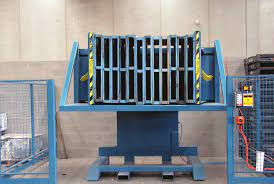
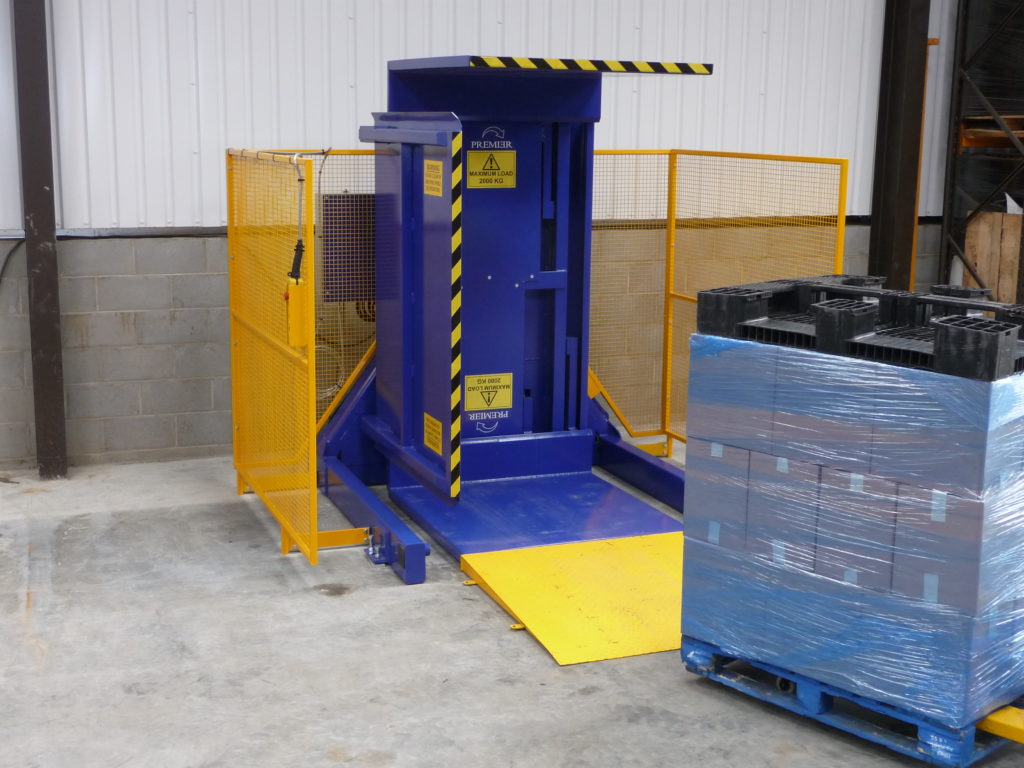
In the relentless pace of modern manufacturing and warehousing, pallet inverters stand as crucial workhorses. These machines are essential for streamlining material handling, allowing for efficient load transfers, pallet changes, and product re-orientation. From automotive parts to beverages, and groceries to pharmaceuticals, a diverse range of industries rely on pallet inverters to enhance safety and boost productivity. However, in many industrial settings, these vital pieces of equipment operate under duress, facing constant and often intense vibrations from surrounding machinery, heavy vehicle traffic, and even the operational processes within the inverter itself. These high-vibration environments can significantly compromise the durability and longevity of pallet inverters if proper preventative measures and maintenance protocols are not diligently implemented.
Why Vibration Matters for Pallet Inverter Longevity
Vibration, often underestimated, is a silent but potent adversary to industrial machinery. For pallet inverters, operating in high-vibration environments presents a unique set of challenges that can accelerate wear and tear and lead to premature failure. Understanding the impact of vibration is the first step in mitigating its harmful effects:
- Component Loosening: Constant vibration can cause bolts, screws, and fasteners to gradually loosen over time. In a pallet inverter, this can affect critical structural joints, hydraulic connections, and electrical components. Loose components not only reduce the machine's stability and performance but also pose significant safety hazards.
- Increased Wear and Tear: Vibration amplifies friction between moving parts. In pallet inverters, this is particularly concerning for hydraulic systems, motors, and rotating mechanisms. Increased friction leads to accelerated wear, requiring more frequent replacements of parts and increasing downtime.
- Fatigue and Cracking: Continuous vibration induces stress on metal structures and welds. Over time, this cyclic stress can lead to metal fatigue and the development of cracks, especially in high-stress areas of the inverter frame and clamping mechanisms. Undetected cracks can escalate into major structural failures, necessitating costly repairs and prolonged operational disruptions.
- Hydraulic System Issues: Hydraulic systems, the lifeblood of most pallet inverters, are particularly sensitive to vibration. Vibration can introduce air into the hydraulic fluid, leading to cavitation, reduced efficiency, and damage to pumps and valves. Furthermore, vibrating hydraulic lines can fatigue and leak, causing fluid loss and system malfunction.
- Electrical System Problems: Electrical wiring and connections within a pallet inverter can also suffer from vibration. Terminals can loosen, wires can chafe and break, and control panels can experience component failure due to constant shaking. These electrical issues can lead to intermittent operation, system failures, and even electrical hazards.
Proactive Strategies for Enhancing Pallet Inverter Durability in Vibrating Environments
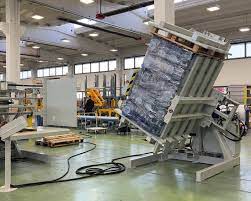
Combating the detrimental effects of vibration requires a multi-faceted approach centered on robust maintenance practices and strategic equipment care. Here are key strategies to significantly improve the durability and extend the lifespan of pallet inverters operating in high-vibration environments:
1. Implement a Rigorous and Frequent Inspection Regime
Regular inspections are the cornerstone of proactive maintenance. In high-vibration settings, the frequency and thoroughness of inspections must be amplified.
- Daily Visual Checks: Operators should be trained to perform daily visual checks before each shift. This includes looking for loose bolts, unusual noises or vibrations, hydraulic leaks, and any signs of physical damage. Catching minor issues early can prevent them from escalating into major problems.
- Weekly In-Depth Inspections: Maintenance personnel should conduct weekly in-depth inspections, focusing on critical areas such as:
- Fasteners: Systematically check and tighten all bolts, screws, and fittings, especially on the frame, clamps, and motor mounts. Use appropriate torque specifications and consider using thread-locking compounds in critical areas prone to loosening.
- Hydraulic System: Inspect hydraulic lines, hoses, and connections for leaks, chafing, or signs of wear. Check hydraulic fluid levels and condition regularly. Listen for unusual noises from the hydraulic pump, which could indicate cavitation or wear.
- Motor and Electrical Components: Examine motor mounts for tightness and signs of vibration. Inspect wiring and connections for looseness or damage. Check control panels for proper function and any signs of vibration-induced issues.
- Structural Integrity: Carefully inspect welds and structural members for cracks, distortions, or fatigue. Pay close attention to high-stress areas, particularly around joints and mounting points.
2. Optimize Lubrication Practices for Vibration Resistance
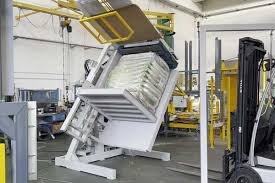
Lubrication is crucial for reducing friction and wear in any machinery, but in high-vibration environments, it becomes even more critical. Standard lubricants may not be sufficient, and specialized vibration-resistant lubricants should be considered.
- High-Quality Lubricants: Use high-quality lubricants specifically formulated for industrial machinery and capable of withstanding vibration and heavy loads. Consider lubricants with enhanced anti-wear and extreme pressure (EP) properties.
- Vibration-Resistant Greases: For greased components, opt for vibration-resistant greases that maintain their consistency and lubricating properties even under constant shaking. These greases are designed to resist separation and provide consistent lubrication in vibrating conditions.
- Regular Lubrication Schedules: Adhere to a strict lubrication schedule, potentially increasing the frequency compared to standard recommendations for normal environments. High vibration accelerates lubricant degradation and loss, so more frequent lubrication is essential.
- Lubrication Point Checks: During inspections, specifically check lubrication points to ensure grease or oil is effectively reaching and lubricating the intended components. Vibration can sometimes displace lubricants, rendering them ineffective.
3. Secure Mounting and Vibration Isolation Techniques
The way a pallet inverter is mounted and its surrounding environment significantly impacts its vibration exposure.
- Solid Foundation: Ensure the pallet inverter is installed on a solid, level foundation. Uneven or unstable flooring can amplify vibrations. If necessary, reinforce the floor or use a concrete pad to provide a stable base.
- Vibration Isolating Mounts: Consider using vibration-isolating mounts between the pallet inverter and the floor. These mounts, typically made of rubber or specialized polymers, are designed to absorb and dampen vibrations, preventing them from being transmitted to the machine.
- Isolate from Vibration Sources: If possible, strategically position the pallet inverter away from major sources of vibration, such as heavy machinery, forklifts operating at high speeds, or areas with significant floor traffic. Optimizing the layout of the workspace can minimize vibration exposure.
4. Implement Regular Calibration and Alignment Checks
Vibration can gradually misalign components and affect the calibration of a pallet inverter, leading to reduced performance and increased stress on the machine.
- Regular Calibration: Schedule regular calibration checks to ensure the inverter's sensors, controls, and hydraulic systems are operating accurately. Vibration can cause sensors to drift and hydraulic pressures to fluctuate, impacting precision and safety.
- Alignment Verification: Periodically verify the alignment of critical components, such as the clamping arms, rotating platform, and hydraulic cylinders. Misalignment can induce uneven stress and accelerated wear, especially under vibration.
- Professional Servicing: Engage professional technicians experienced in pallet inverter maintenance for periodic servicing, including comprehensive calibration and alignment adjustments. Their expertise ensures precise settings and optimal machine performance.
5. Employee Training and Operational Best Practices
Even with the best maintenance plan, improper operation can exacerbate the effects of vibration and reduce equipment lifespan.
- Comprehensive Training: Train all pallet inverter operators on the importance of proper operation and the specific challenges posed by high-vibration environments. Training should cover pre-shift checks, safe operating procedures, and recognizing signs of equipment distress.
- Smooth Operation Techniques: Emphasize smooth and controlled operation. Abrupt movements and jerky operation can generate additional vibrations and stress on the machine. Operators should be trained to handle loads gently and avoid sudden stops and starts.
- Load Limits and Balancing: Strictly adhere to the pallet inverter's load capacity limits. Overloading the machine, especially in vibrating environments, puts excessive stress on all components. Ensure loads are balanced and evenly distributed on the pallet to minimize uneven vibrations.
Investing in Durability: A Long-Term Strategy
Improving pallet inverter durability in high-vibration environments is not merely about reactive repairs; it's a proactive investment in long-term operational efficiency and cost savings. By implementing these strategies – from rigorous inspections and optimized lubrication to vibration isolation and employee training – businesses can significantly extend the lifespan of their pallet inverters, reduce downtime, minimize repair costs, and ensure a safer and more productive working environment. In demanding industrial settings, prioritizing durability is not just good practice; it’s a necessity for sustained success.