
How to Optimize Pallet Inverter Performance for Heavy-Duty Industrial Applications?
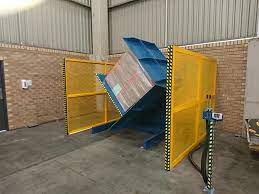
To optimize pallet inverter performance for heavy-duty industrial applications, focus on selecting the right inverter with sufficient load capacity, ensure regular maintenance, implement comprehensive employee training for safe operation, and strategically integrate automation for enhanced efficiency. Proper pallet pattern optimization and consistent performance monitoring further maximize throughput and minimize downtime, ultimately boosting productivity and safety in demanding industrial settings.
Understanding Pallet Inverters in Heavy-Duty Environments
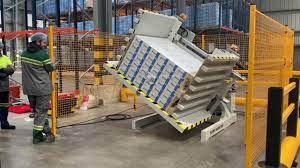
Pallet inverters are indispensable machines in modern industrial operations, streamlining the handling of heavy and cumbersome pallet loads. These robust devices are engineered to rotate, invert, or transfer loads, significantly reducing manual labor and minimizing the risks associated with heavy lifting. In heavy-duty industrial settings, where efficiency and safety are paramount, pallet inverters play a crucial role in optimizing material handling processes. From manufacturing plants to bustling distribution centers, these machines enhance workflow, reduce product damage, and contribute to a safer working environment.
At their core, a pallet inverter is a material handling equipment designed to grip a palletized load firmly and then rotate it, typically 180 degrees. This inversion capability offers numerous advantages, particularly in industries dealing with bulk goods, sensitive products, or operations requiring frequent pallet changes. Understanding the mechanics and functionalities of pallet inverters is the first step towards optimizing their performance in demanding industrial applications.
Key Components of a Heavy-Duty Pallet Inverter
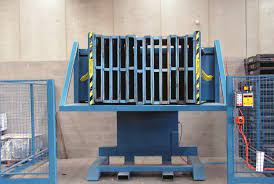
To appreciate how to optimize performance, it's essential to understand the core components that make up a heavy-duty pallet inverter:
-
Robust Frame: The frame serves as the backbone of the inverter, constructed from heavy-gauge steel to withstand immense loads and the rigors of continuous industrial use. Its sturdiness ensures stability during inversion, a critical factor for heavy-duty applications.
-
High-Capacity Clamping Mechanism: This mechanism is responsible for securely gripping the pallet load during rotation. In heavy-duty models, these clamps are hydraulically powered and designed to accommodate a wide range of pallet sizes and load configurations, ensuring a firm hold without damaging the goods.
-
Powerful Hydraulic System: The hydraulic system is the driving force behind the inverter's movements. It provides the necessary power for lifting, clamping, and rotating heavy loads smoothly and efficiently. Heavy-duty inverters utilize high-pressure hydraulic systems for reliable and consistent performance under demanding conditions.
-
User-Friendly Control Panel: Despite their heavy-duty nature, pallet inverters are designed for ease of operation. Modern control panels offer intuitive interfaces, allowing operators to manage the inversion process precisely and safely, often with programmable settings for repetitive tasks.
Stationary Pallet Inverters: The Workhorse of Heavy Industry
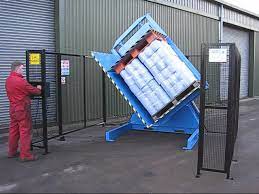
For heavy-duty industrial applications, stationary pallet inverters are often the preferred choice. These robust machines are designed for fixed locations within a facility, ideal for high-throughput operations where a dedicated inversion area is feasible.
Features and Benefits Tailored for Heavy-Duty:
-
Unmatched Load Capacity: Stationary inverters are engineered to handle the heaviest loads encountered in industrial settings. Their reinforced frames and powerful hydraulic systems ensure they can manage large-scale operations without strain or risk. Capacities can range significantly, accommodating diverse industrial needs.
-
Enhanced Operational Efficiency: These inverters are built for speed and seamless integration into production lines. Quick cycle times minimize delays, boosting overall productivity. The automated nature of many stationary models further reduces manual intervention, streamlining workflows.
-
Customization for Specific Needs: Heavy industries often have unique pallet and load requirements. Stationary inverters offer extensive customization options, from adjustable clamps for varied pallet sizes to specialized features for handling delicate or нестандартные loads.
-
Prioritized Safety Features: Safety is paramount in heavy-duty environments. Stationary pallet inverters are equipped with comprehensive safety features, including light curtains, emergency stops, and interlocking systems, protecting operators and preventing accidents during high-volume operations.
Applications in Heavy-Duty Sectors:
-
Food and Beverage Giants: In large-scale food and beverage production, stationary inverters efficiently manage vast quantities of ingredients and finished goods, facilitating pallet changes for hygiene or logistical purposes.
-
Pharmaceutical Manufacturing: The pharmaceutical industry relies on stringent cleanliness and handling protocols. Stationary inverters ensure the safe and hygienic transfer of palletized materials, crucial for maintaining product integrity and regulatory compliance.
-
Manufacturing and Distribution Hubs: High-volume manufacturing and distribution centers benefit immensely from stationary inverters. They streamline the movement of raw materials, components, and finished products, optimizing warehouse space and accelerating throughput.
Optimizing Performance: Key Strategies for Heavy-Duty Pallet Inverters
To truly maximize the benefits of pallet inverters in heavy-duty industrial applications, optimization is key. Here are crucial strategies to enhance their performance:
1. Selecting the Right Pallet Inverter for the Load
-
Accurate Load Capacity Assessment: The first and most critical step is to accurately assess the maximum weight and dimensions of the pallet loads your operation handles. Choosing an inverter with inadequate capacity leads to performance issues, potential damage, and safety hazards. Always select an inverter with a load capacity that comfortably exceeds your typical maximum load.
-
Pallet Size and Type Compatibility: Ensure the inverter's clamping mechanism is compatible with the range of pallet sizes and types used in your facility. Adjustable clamps and customizable configurations are vital for handling diverse pallet dimensions effectively.
-
Operational Requirements and Customization: Consider the specific demands of your industry and application. Do you need gentle inversion for fragile goods? Temperature-controlled options for sensitive materials? Customization is often necessary to tailor the inverter to your unique operational needs.
2. Implementing a Rigorous Maintenance Schedule
-
Preventive Maintenance is Paramount: Regular maintenance is not just good practice; it's essential for heavy-duty machinery. Establish a preventive maintenance schedule that includes regular inspections, lubrication of moving parts, and hydraulic system checks. This proactive approach minimizes downtime and extends the inverter's lifespan.
-
Hydraulic System Health: The hydraulic system is the heart of a pallet inverter. Regularly inspect hydraulic fluid levels, check for leaks, and ensure hoses and fittings are in good condition. Timely maintenance of the hydraulic system prevents performance degradation and costly breakdowns.
-
Component Inspections and Timely Replacements: Regularly inspect critical components such as clamps, rollers, and structural elements for wear and tear. Replace worn parts promptly to maintain optimal performance and prevent safety issues.
3. Comprehensive Employee Training and Safety Protocols
-
Specialized Operator Training: Operating heavy-duty pallet inverters requires specialized training. Equip your employees with thorough knowledge of safe operating procedures, emergency protocols, and routine maintenance tasks. Properly trained operators are crucial for safe and efficient inverter operation.
-
Hazard Identification and Risk Mitigation: Training should emphasize hazard identification, including potential pinch points, load instability risks, and emergency shutdown procedures. Employees must be trained to mitigate these risks and operate the equipment safely under all conditions.
-
Enforce Strict Safety Protocols: Implement and strictly enforce safety protocols for pallet inverter operation. This includes pre-shift equipment checks, adherence to load capacity limits, and the consistent use of personal protective equipment (PPE). Regular safety audits ensure protocols are followed and effective.
4. Strategic Integration of Automation
-
Automated Infeed and Outfeed Systems: For high-throughput environments, integrate automated infeed and outfeed conveyors with the pallet inverter. This reduces manual handling, speeds up the inversion process, and seamlessly integrates the inverter into automated production lines.
-
Programmable Controls and Pre-set Cycles: Utilize pallet inverters with programmable controls and pre-set inversion cycles. Automation features enhance consistency, reduce operator error, and optimize cycle times for various load types.
-
Data Monitoring and Performance Analytics: Implement systems to monitor pallet inverter performance data, such as cycle times, error rates, and downtime. Data analytics provide valuable insights for identifying bottlenecks, optimizing processes, and proactively addressing potential issues.
5. Optimizing Pallet Patterns and Load Configuration
-
Maximize Pallet Density and Stability: Efficient pallet patterns not only maximize space utilization but also enhance load stability during inversion. Train employees on optimal stacking techniques and consider using software to design efficient pallet configurations.
-
Load Securing Techniques: Ensure loads are properly secured on pallets before inversion. Utilize strapping, wrapping, or other securing methods to prevent load shifting or product damage during the rotation process.
-
Regularly Review and Adjust Palletizing Procedures: Periodically review and adjust palletizing procedures based on performance data and operational feedback. Continuous improvement in pallet loading techniques further optimizes inverter efficiency.
Maximizing Pallet Inverter Capacity in Heavy-Duty Operations
To fully leverage the capacity of a heavy-duty pallet inverter, consider these key factors:
-
Consistent Load Distribution: Ensure that pallet loads are evenly distributed to maximize the inverter's capacity and maintain stability during rotation. Uneven loads can strain the inverter and reduce its effective capacity.
-
Proper Pallet Quality: Use pallets that are in good condition and meet the required quality standards. Damaged or substandard pallets can compromise load stability and reduce the inverter's performance.
-
Optimal Cycle Time Management: Understand the inverter's cycle time and optimize workflow to minimize idle time between inversion cycles. Efficient material flow to and from the inverter maximizes throughput and capacity utilization.
Buying vs. Renting for Heavy-Duty Pallet Inverters
The decision to buy or rent a heavy-duty pallet inverter depends on several factors:
Buying:
-
Long-Term Investment: Purchasing is ideal for operations with consistent, long-term pallet inversion needs. It represents a capital investment but provides long-term cost savings and control.
-
High-Volume, Continuous Use: For heavy-duty, high-volume applications, owning an inverter is typically more cost-effective and practical in the long run.
-
Customization and Integration: Owning allows for greater customization and seamless integration into existing automated systems.
Renting:
-
Short-Term or Sporadic Needs: Renting is a viable option for businesses with short-term projects, seasonal demands, or infrequent inversion requirements.
-
Lower Upfront Costs: Renting eliminates the significant upfront capital expenditure, making it attractive for businesses with budget constraints or uncertain long-term needs.
-
Flexibility and Access to Latest Models: Renting provides flexibility to adapt equipment to changing needs and access to the latest inverter models without the commitment of ownership.
For heavy-duty industrial applications with consistent, high-volume needs, purchasing a stationary pallet inverter is generally the more strategic and cost-effective long-term solution.
Conclusion: Achieving Peak Pallet Inverter Performance
Optimizing pallet inverter performance in heavy-duty industrial applications is a multifaceted endeavor. It requires careful consideration of equipment selection, rigorous maintenance, comprehensive training, strategic automation, and optimized operational procedures. By implementing these strategies, businesses can unlock the full potential of pallet inverters, achieving significant gains in efficiency, safety, and overall productivity within demanding industrial environments. Investing in optimization is an investment in a more streamlined, safer, and ultimately more profitable operation。