
What Are the Key Considerations for Pallet Inverter Installation in Confined Spaces?
Key considerations for pallet inverter installation in confined spaces include precise space assessment, selecting compact or ground-loading models, prioritizing safety with robust guarding and emergency stops, adapting installation procedures for limited access, ensuring future maintenance accessibility, and adjusting operational workflows. Careful planning ensures efficient and safe pallet handling even in tight areas.
Pallet inverters are indispensable tools in modern material handling, offering significant advantages in terms of efficiency, safety, and cost reduction. From swapping damaged pallets to inverting entire loads for product rotation or transfer, these machines streamline operations across diverse industries like food and beverage, pharmaceuticals, automotive, and warehousing. However, many facilities, especially older ones or those optimized for dense storage, present confined spaces where installing large machinery like pallet inverters can seem challenging. Successfully integrating a pallet inverter into a limited area requires careful planning and consideration of several key factors to ensure both seamless operation and workplace safety.
Navigating the Challenges of Confined Spaces
Installing equipment in confined spaces presents unique hurdles compared to open warehouse environments. Limited room to maneuver machinery, restricted access for installation teams, and potential safety concerns become paramount. When considering a pallet inverter, these challenges are amplified by the size and operational footprint of the equipment itself. Traditional pallet inverter models, while robust, often require considerable clearance for safe and effective operation. Therefore, a strategic approach is essential to overcome these spatial limitations and unlock the benefits of pallet inversion even in the tightest corners of your facility.
Key Considerations for Confined Space Pallet Inverter Installation
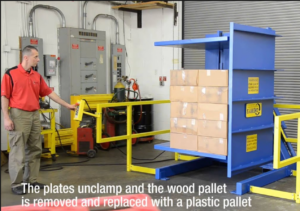
[Pallet inverter confined space installation, setup guidelines, pallet inverter integration, material handling systems]
[Pallet inverter confined space installation, setup guidelines, pallet inverter integration, material handling systems]
[Pallet inverter confined space installation, setup guidelines, pallet inverter integration, material handling systems]
[Pallet inverter confined space installation, setup guidelines, pallet inverter integration, material handling systems]
Successfully installing a pallet inverter in a confined space hinges on addressing specific challenges proactively. Here are the critical considerations:
1. Precise Space Assessment and Measurement
The first step is a meticulous assessment of the intended installation area. This goes beyond simply noting the square footage. Detailed measurements are crucial, including:
- Available Floor Space: Accurately measure the length and width of the area where the inverter will be placed. Consider any obstructions like pillars, walls, or existing equipment.
- Vertical Clearance: Measure the height of the ceiling or any overhead obstructions. Pallet inverters have significant vertical reach during operation, and adequate overhead clearance is essential for safe tilting and rotation.
- Access Points: Evaluate the entry points to the confined space. Are doorways wide enough to accommodate the inverter components during delivery and installation? Consider the path the inverter will take to its final location – are there tight corners or narrow passages?
- Floor Condition: Inspect the floor surface. Pallet inverters require a level and stable surface for safe operation. Ensure the floor is even, free from cracks or significant slopes, and capable of supporting the weight of the inverter and its maximum load capacity. Check for proximity to freeze lines, as unstable ground conditions can compromise installation integrity.
- Electrical Panel Access: Remember the need for rear access to the electrical panel for maintenance. Even in a confined space, ensure sufficient clearance behind the planned inverter location for technicians to safely access and work on the electrical components.
2. Strategic Pallet Inverter Type Selection
Choosing the right type of pallet inverter is even more critical in confined spaces. Standard models might be too large or require excessive operating space. Consider these options tailored for space-constrained environments:
- Ground Loading Pallet Inverters: These models are specifically designed for locations where forklift access is limited or unavailable. They are compatible with pallet jacks, allowing for loading and unloading at ground level. This eliminates the need for extensive maneuvering space for forklifts, making them ideal for tight areas.
- Compact Pallet Inverter Models: Some manufacturers offer smaller footprint pallet inverters designed for facilities with space restrictions. These models might have reduced dimensions while still maintaining essential functionality and load capacity suitable for specific needs. Explore options with smaller loading tables and overall dimensions if space is at a premium.
- Single Clamp Pallet Inverters: For simpler operations and lighter loads, single clamp models often have a smaller overall footprint compared to dual clamp inverters, potentially making them more suitable for confined spaces.
- 90-Degree Rotators: If your primary need is pallet swapping or accessing damaged goods on the side of a load, a 90-degree rotator might offer a more compact solution than a full 180-degree inverter, minimizing the required rotation space.
3. Prioritizing Safety in Tight Quarters
Safety is paramount in any workplace, and confined spaces demand even greater attention to safety protocols during and after installation:
- Robust Guarding and Barriers: Confined spaces can increase the risk of accidental contact with moving machinery. Ensure comprehensive safety guarding is installed around the pallet inverter. This is crucial to prevent pedestrian access during operation and protect workers from pinch points and moving parts. Pay close attention to proper guard alignment and functionality during installation.
- Emergency Stop Accessibility: Emergency stop buttons must be readily accessible, even in a confined space. Position the control panel and emergency stops where operators can quickly reach them in case of any issue.
- Operator Safety and Training: Thorough operator training is essential, especially when working in confined spaces. Operators must be fully aware of the inverter's operating procedures, safety protocols, and emergency shutdown procedures. Emphasize the importance of maintaining a clear and safe operating zone around the inverter, even in limited space.
- Safe Maintenance Access: Plan for safe access for maintenance personnel. Even though space is limited, ensure technicians can safely reach all areas of the inverter for routine maintenance and repairs. This might involve designating specific access points or ensuring sufficient room to maneuver around the machine for inspection and servicing.
4. Adapting Installation Procedures for Limited Access
Standard pallet inverter installation procedures might need adjustments to accommodate confined spaces:
- Phased Installation: Consider a phased installation approach. If moving the entire assembled inverter into the space is impossible, explore the possibility of disassembling larger components and reassembling them within the confined area. This requires careful planning and potentially specialized rigging or lifting equipment suitable for tight spaces.
- Anchor Point Considerations: Secure anchoring is essential for stability. In confined spaces, floor access for drilling anchor points might be restricted. Carefully plan anchor locations, ensuring they are accessible for drilling and fastening, and that the chosen anchors are appropriate for the floor type and load requirements.
- Guard Assembly in Stages: Assembling safety guards within a confined space can be challenging. Consider assembling guards in sections and then connecting them within the installation area. Pre-drilled frames are beneficial for ensuring correct alignment during segmented assembly.
- Electrical Connection Challenges: Connecting the inverter to the main electrical panel in a confined space might require extra care. Ensure a certified electrician handles the electrical connections, paying attention to cable routing and safety clearances within the limited space.
5. Ensuring Accessibility for Future Maintenance
Planning for future maintenance is crucial, especially in confined spaces where access is inherently restricted:
- Routine Maintenance Access: Designate clear access points for routine maintenance tasks like greasing moving parts, checking hydraulic fluid levels, and visual inspections. Ensure these points are easily reachable without requiring extensive disassembly or movement of the inverter.
- Component Accessibility: Consider the accessibility of key components like hydraulic units, motors, and electrical panels. In confined spaces, strategically positioning the inverter or choosing models with accessible component layouts can significantly simplify future maintenance and reduce downtime.
6. Operational Workflow Adjustments
Integrating a pallet inverter into a confined space might necessitate adjustments to your material handling workflow:
- Optimized Loading/Unloading Procedures: Refine loading and unloading procedures to minimize maneuvering within the confined space. Utilize pallet jacks or compact forklifts if possible. Train operators to handle loads efficiently and safely in the limited area.
- Clear Operating Zones: Even in confined spaces, establish and clearly mark operating zones around the inverter. Ensure operators are aware of these zones and maintain a safe distance during operation.
- Potential for Slower Cycle Times: Operating in a confined space might inherently lead to slightly slower cycle times compared to open areas due to restricted movement and greater emphasis on safety. Factor this into your operational planning.
Choosing the Right Pallet Inverter for Confined Spaces: A Summary
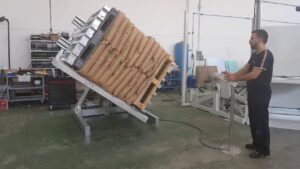
Selecting the optimal pallet inverter for confined spaces requires a holistic approach. Prioritize models with:
- Compact Footprint: Opt for ground-loading, smaller dimension, or 90-degree rotator models to minimize space requirements.
- Ground Level Accessibility: Ground loading models eliminate forklift maneuvering needs, ideal for tight areas.
- Robust Safety Features: Comprehensive guarding, accessible emergency stops, and user-friendly controls are crucial for safe operation in confined environments.
- Customization Options: Explore customization options to tailor inverter dimensions and features to the specific constraints of your space.
- Ease of Maintenance: Choose models designed for relatively easy maintenance access, even in restricted locations.
Conclusion: Unlocking Efficiency in Tight Spaces
Installing a pallet inverter in a confined space demands careful planning and attention to detail. By thoroughly assessing the space, selecting the right type of inverter, prioritizing safety, adapting installation procedures, ensuring maintenance accessibility, and adjusting operational workflows, businesses can successfully integrate these powerful machines even in the most challenging environments. The benefits of improved efficiency, enhanced safety, and reduced product damage remain fully attainable, proving that spatial limitations need not hinder the advantages of modern pallet inversion technology. With strategic planning and the right equipment, confined spaces can become just as efficient and productive as larger, more open areas in your material handling operations。