
What Are the Advantages of Pallet Inverters in Enhancing Supply Chain Visibility?
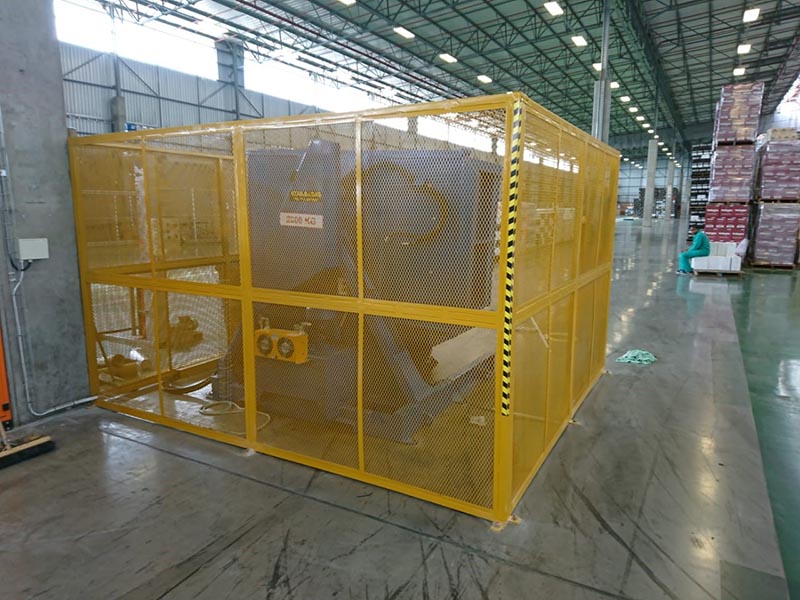
In today's fast-paced and intricate supply chains, visibility is no longer a luxury but a necessity. Businesses need to know where their goods are, their condition, and how efficiently they are moving through the network. While technologies like RFID and advanced software solutions often come to mind when discussing supply chain visibility, a more foundational piece of equipment – the pallet inverter – plays a surprisingly significant role. Investing in pallet inverters can seem like an operational upgrade focused on efficiency and cost savings, but their impact extends deeply into enhancing supply chain visibility, creating a more transparent and responsive logistical ecosystem. Pallet inverters streamline material handling, reduce damage, and optimize inventory processes, all of which contribute to a clearer, more accurate picture of your supply chain operations.
Understanding the Role of Pallet Inverters in Modern Warehousing
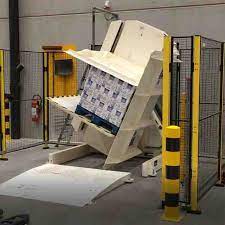
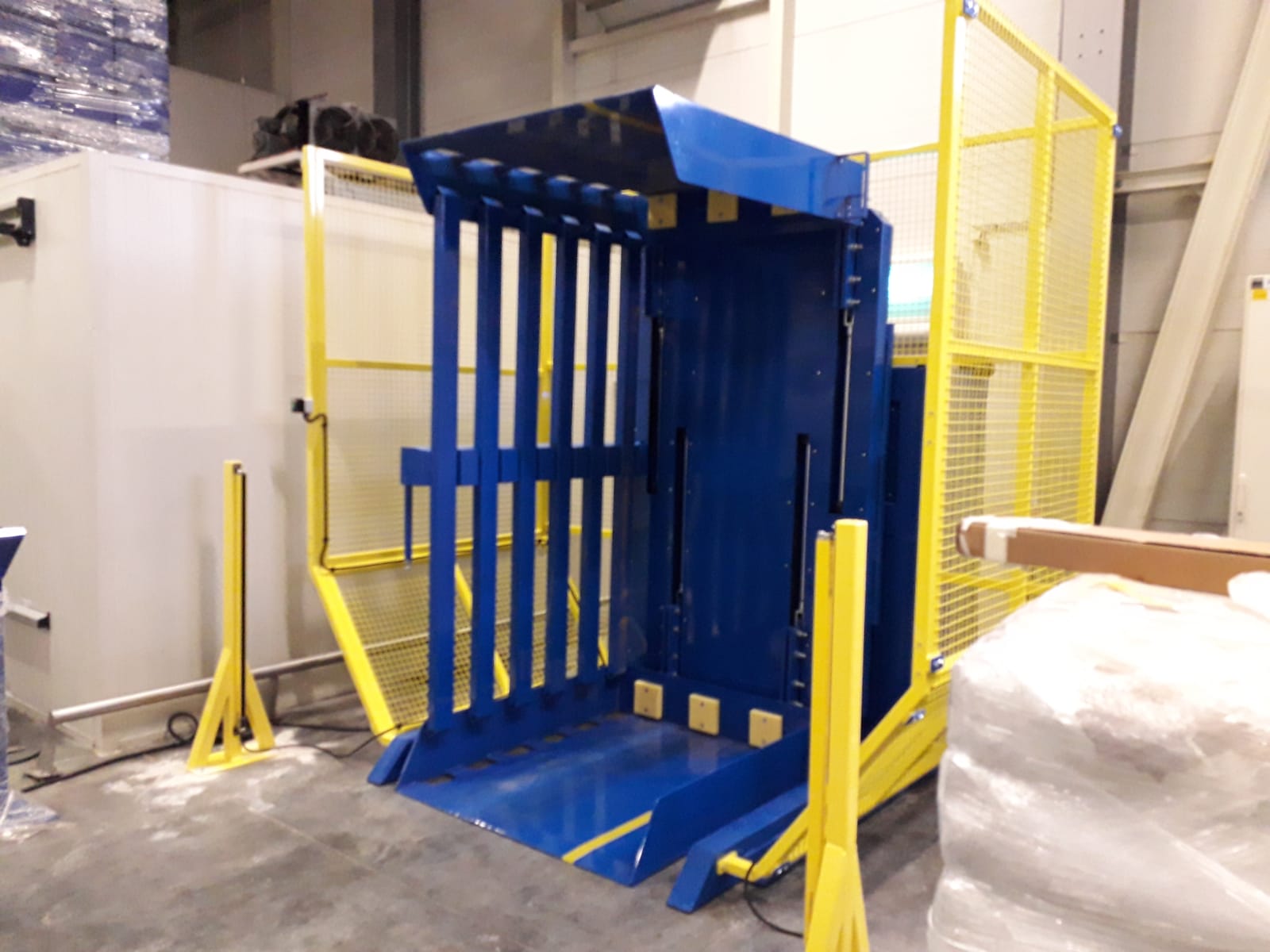
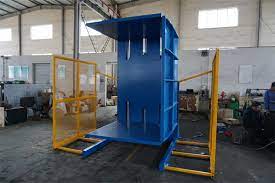
Pallet inverters are robust machines designed to rotate or flip palletized loads. This seemingly simple action unlocks a cascade of benefits within a warehouse and across the broader supply chain. Traditionally, tasks like replacing damaged pallets, switching pallet types for hygiene or racking purposes, or accessing goods at the bottom of a stack were labor-intensive and time-consuming. These manual processes are not only inefficient but also introduce opportunities for errors, product damage, and obscured inventory information.
A pallet inverter automates these tasks, offering a safer, faster, and more controlled method for handling palletized goods. By securely clamping and inverting entire loads, these machines eliminate the need for manual restacking, reducing physical strain on workers and minimizing the risk of accidents. This mechanization has direct implications for supply chain visibility, as smoother, more efficient operations naturally lead to better data collection and a clearer understanding of inventory flow.
Direct Advantages of Pallet Inverters for Supply Chain Visibility
While pallet inverters primarily function as material handling equipment, their operational efficiencies directly translate into enhanced supply chain visibility in several key ways:
Improved Inventory Accuracy through Efficient Handling
One of the most fundamental aspects of supply chain visibility is accurate inventory data. Pallet inverters contribute to this accuracy by making inventory access and management more efficient. When goods are easily accessible for inspection, cycle counting, or rotation (like in FIFO - First-In, First-Out systems), the likelihood of inventory discrepancies decreases.
Imagine a warehouse where accessing the bottom layers of a pallet stack requires significant manual labor, often involving partial unloading and restacking. This process is not only slow but also prone to errors in recording inventory. With a pallet inverter, accessing and verifying goods at any level of a pallet becomes straightforward. This ease of access facilitates more frequent and accurate inventory checks, ensuring that the data within your inventory management system reflects the physical reality in your warehouse.
Streamlined Pallet Management and Tracking
Pallets themselves are crucial assets in the supply chain, and their efficient management is directly linked to overall visibility. Pallet inverters facilitate the seamless transition between different pallet types. For instance, incoming goods on wooden pallets, which may not be ideal for hygiene-sensitive areas or in-house racking systems, can be quickly and safely inverted and transferred to plastic or aluminum pallets. This ability to switch pallets efficiently ensures that goods are always on the "ideal pallet" for each stage of the supply chain, as highlighted in supplied materials, optimizing handling and storage.
Furthermore, when combined with pallet management systems that utilize technologies like barcodes or RFID tags, pallet inverters enhance the tracking of individual pallets and their contents. By streamlining pallet switching and handling, inverters ensure that these tracking technologies are more effectively utilized. Efficient pallet management means fewer lost or misplaced pallets, leading to more accurate tracking data and improved visibility over pallet movement and inventory location.
Reduced Product Damage Leading to Clearer Inventory Status
Product damage is a significant impediment to supply chain visibility. Damaged goods not only represent a financial loss but also create discrepancies in inventory records and obscure the true state of goods in transit or storage. Manual pallet handling, especially with forklifts when not operated with utmost care, is a major source of product damage. Pallet inverters, by automating the inversion and transfer process, significantly reduce the risk of damage caused by manual handling.
The provided materials emphasize that pallet inverters offer "stability and high stacking potential with minimum fuss" and reduce damage during transit and forklift operations. By minimizing product damage, pallet inverters ensure that the inventory recorded in the system accurately reflects the saleable goods available. Fewer damaged goods mean fewer write-offs, less need for rework or replacement, and a more transparent view of the actual, usable inventory within the supply chain.
Enhancing Operational Efficiency for Real-Time Data Capture
Efficiency is the bedrock of supply chain visibility. Faster, smoother operations create more opportunities for accurate data capture and real-time insights. Pallet inverters contribute to this efficiency by speeding up several critical warehouse processes. The materials highlight that pallet inverters save time by rotating "larger quantities at a time" compared to manually handling single boxes. This time saving translates into faster throughput, quicker turnaround times, and more efficient use of labor.
When pallet handling is faster and more efficient, it frees up personnel to focus on other tasks, including data entry and inventory management. The reduced handling time and labor costs, as emphasized in the provided text, allow for better resource allocation. This improved efficiency ensures that data related to goods movement, storage, and processing is captured and updated in a more timely and accurate manner, providing a more real-time view of the supply chain.
Industry-Specific Benefits and Enhanced Visibility
The advantages of pallet inverters in enhancing supply chain visibility are applicable across various industries, each with unique needs and visibility requirements:
Food and Beverage: Ensuring Traceability and Hygiene
In the food and beverage industry, traceability and hygiene are paramount. Pallet inverters are crucial for facilitating the switch to hygienic plastic pallets, ensuring compliance with stringent food safety regulations. This pallet switching process, when streamlined by inverters, maintains product integrity and reduces the risk of contamination, directly impacting product traceability. Knowing that goods are handled in a hygienic and controlled manner, thanks to efficient pallet inversion, contributes to a more visible and trustworthy food supply chain.
Pharmaceutical and Medical: Maintaining Product Integrity and Regulatory Compliance
The pharmaceutical and medical industries demand the highest levels of product integrity and stringent regulatory compliance. Pallet inverters play a vital role in ensuring the safe handling of sensitive medical supplies and pharmaceuticals. Switching to sterile pallets, rotating stock for expiration date management, and accessing specific batches for quality control are all made easier and safer with pallet inverters. This enhanced control and reduced risk of damage directly improve the visibility of sensitive pharmaceutical supply chains, ensuring product safety and regulatory adherence.
Retail and E-commerce: Optimizing Inventory Flow and Order Fulfillment
In the fast-paced world of retail and e-commerce, efficient inventory flow and rapid order fulfillment are critical. Pallet inverters contribute to optimizing warehouse operations by speeding up inventory processing, pallet reorganization, and handling returns. The faster movement of goods, facilitated by inverters, enhances the visibility of inventory levels and locations, enabling retailers and e-commerce businesses to fulfill orders more accurately and promptly, improving customer satisfaction and supply chain responsiveness.
Manufacturing: Streamlining Production and Material Flow
Manufacturing industries benefit from pallet inverters in streamlining production processes and material flow. Rotating heavy machinery components for inspection or repositioning, as mentioned in the provided materials, becomes safer and more efficient. This improved material handling directly impacts production visibility by ensuring that raw materials and components are readily available when and where needed, reducing production bottlenecks and providing a clearer picture of the manufacturing process.
Pallet Inverters as Part of a Broader Logistics Optimization Strategy for Enhanced Visibility
Pallet inverters are most effective when integrated into a broader logistics optimization strategy focused on enhancing supply chain visibility. As highlighted in the materials, pallet units and inverters work synergistically. Pallet units standardize and secure loads for efficient transport and storage, while pallet inverters provide the flexibility and efficiency to handle and manipulate these units effectively.
Combining pallet inverters with technologies like:
- Warehouse Management Systems (WMS): WMS provides real-time tracking and management of inventory within the warehouse, and pallet inverters ensure the physical operations support the data accuracy within the WMS.
- Transportation Management Systems (TMS): TMS optimizes transportation routes and schedules, and efficient pallet handling facilitated by inverters ensures smoother loading and unloading processes, contributing to timely deliveries and better visibility across the transportation network.
- Real-Time Tracking Technologies (RFID, GPS): These technologies provide granular visibility of goods in transit, and pallet inverters ensure that the physical handling processes at warehouses and distribution centers do not disrupt the data flow from these tracking systems.
By strategically deploying pallet inverters within an optimized logistics framework, businesses can unlock significant improvements in supply chain visibility, creating a more responsive, efficient, and transparent operational environment.
The Future of Pallet Inverter Technology and Supply Chain Visibility
The future of pallet inverter technology is intertwined with advancements in automation, data analytics, and sustainability, all of which will further enhance supply chain visibility. Emerging trends include:
- Integration with AI and IoT: As mentioned in the provided materials, AI-powered pallet inverters can detect load imbalances and optimize operations in real-time. IoT integration will enable real-time monitoring of inverter performance, pallet handling data, and integration with broader supply chain visibility platforms.
- Smarter and More Sustainable Pallet Designs: The shift towards composite plastics, aluminum, and biodegradable pallets, as discussed in the materials, will drive the development of pallet inverters that are even more versatile and environmentally friendly. These advanced pallet materials, combined with efficient inverter technology, will contribute to more sustainable and visible supply chains.
- Increased Automation and Robotics Integration: Pallet inverters are becoming increasingly integrated with automated guided vehicles (AGVs) and robotic systems within warehouses. This automation will further streamline pallet handling processes, reduce manual intervention, and enhance the real-time data capture needed for comprehensive supply chain visibility.
Conclusion: Pallet Inverters – Unsung Heroes of Supply Chain Visibility
While often perceived as purely operational equipment, pallet inverters offer significant advantages in enhancing supply chain visibility. By improving inventory accuracy, streamlining pallet management, reducing product damage, and boosting operational efficiency, pallet inverters create a more transparent and responsive logistical ecosystem. Investing in pallet inverter technology is not just about optimizing warehouse operations; it's about laying a robust foundation for enhanced supply chain visibility, empowering businesses to make informed decisions, improve customer service, and thrive in today's complex and demanding global marketplace. Pallet inverters, therefore, stand as unsung heroes in the quest for greater clarity and control across the modern supply chain.
For Google Featured Snippet:
Pallet inverters enhance supply chain visibility by improving inventory accuracy through efficient handling, streamlining pallet management and tracking, reducing product damage for clearer inventory status, and boosting operational efficiency for real-time data capture. These advantages lead to a more transparent, responsive, and cost-effective supply chain.