
What Are the Challenges of Maintaining Pallet Inverters in Coastal Areas with High Humidity?
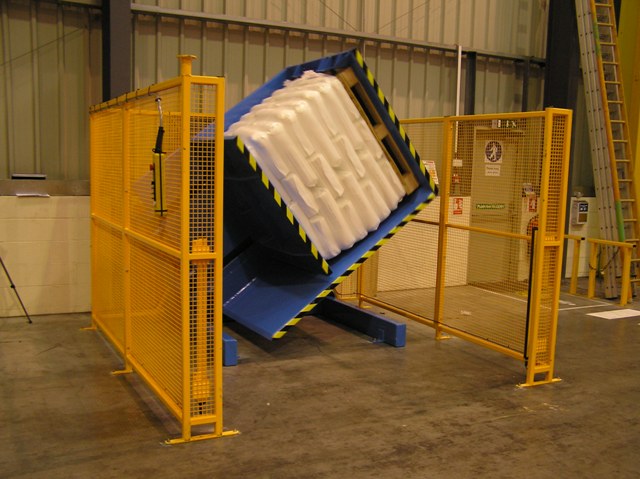
Maintaining pallet inverters in coastal areas with high humidity presents unique challenges, primarily due to corrosion, increased wear and tear, and electrical issues. The salty, moist air accelerates rust, while humidity can cause malfunctions in electrical and hydraulic systems. Regular, specialized maintenance, including enhanced lubrication, protective coatings, and humidity control, is crucial to ensure the longevity and reliable operation of pallet inverters in these demanding environments.
The Pervasive Impact of Coastal Humidity on Pallet Inverters
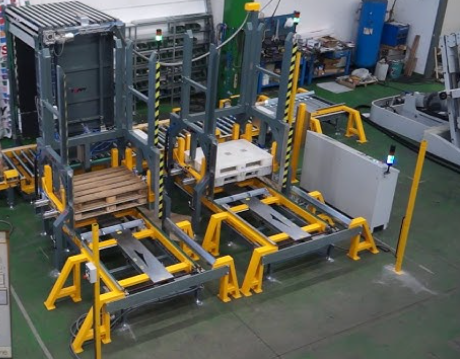
Pallet inverters are indispensable pieces of equipment in modern warehousing and manufacturing, streamlining material handling and boosting efficiency. However, businesses operating in coastal regions with high humidity face a unique set of maintenance challenges that can significantly impact the performance and lifespan of these machines. The combination of salty air and persistent moisture creates a corrosive environment that accelerates wear and tear on pallet inverters, demanding proactive and specialized maintenance strategies.
Corrosion: The Silent Enemy
One of the most significant challenges in coastal areas is corrosion. The air near the coast is laden with salt and moisture, a potent combination that aggressively attacks metal components. Pallet inverters, often constructed with steel and other metals, are particularly vulnerable. This corrosive environment manifests in several critical ways:
- Structural Weakening: Corrosion weakens the structural integrity of the inverter. Rust can eat away at frames, supports, and critical joints, compromising the machine's ability to handle heavy loads safely. This degradation can lead to unexpected failures and potential safety hazards.
- Component Degradation: Essential components like bearings, rollers, chains, and hydraulic cylinders are susceptible to rust and seizing. Corrosion on these moving parts increases friction, leading to premature wear, reduced efficiency, and eventual system failure.
- Fastener Deterioration: Bolts, screws, and other fasteners are also prone to corrosion. Rusty fasteners can become difficult to loosen during maintenance, and their weakened state can compromise the overall stability of the pallet inverter.
Amplified Wear and Tear: Beyond Surface Rust
High humidity doesn't just cause rust; it exacerbates general wear and tear on pallet inverters. The constant presence of moisture can:
- Wash Away Lubrication: Humidity can degrade and wash away lubricants from moving parts more quickly. Without proper lubrication, friction increases dramatically, accelerating wear on gears, bearings, and other mechanical components. This leads to increased energy consumption, overheating, and potential breakdowns.
- Expand and Contract Materials: Fluctuations in temperature and humidity, common in coastal climates, cause materials to expand and contract. This cyclical stress can weaken joints, loosen fittings, and contribute to metal fatigue, ultimately shortening the lifespan of the inverter.
- Promote Mold and Mildew Growth: While not directly corrosive to metal, high humidity encourages the growth of mold and mildew, particularly in less accessible areas of the pallet inverter. Mold can trap moisture, further accelerating corrosion, and can also contribute to a generally unclean and potentially unhealthy working environment.
Electrical System Vulnerabilities: Moisture Breeds Malfunctions
Pallet inverters rely on complex electrical systems for operation, and these systems are particularly vulnerable to high humidity. Moisture can infiltrate electrical enclosures, leading to:
- Short Circuits and Electrical Failures: Moisture can cause short circuits in wiring, control panels, and motors. This can lead to malfunctions, system shutdowns, and costly electrical repairs. Electrical components are designed to operate in dry conditions, and humidity significantly reduces their reliability.
- Corrosion of Electrical Contacts: Electrical contacts and connectors are susceptible to corrosion in humid environments. Corrosion on these critical points can increase resistance, reduce signal strength, and lead to intermittent electrical issues that are difficult to diagnose.
- Damage to Motors and Control Systems: Moisture can penetrate motors and control systems, causing winding damage, insulation breakdown, and corrosion of internal components. These issues can lead to motor failure and malfunctions in the inverter's control logic.
Strategies for Robust Pallet Inverter Maintenance in Coastal Environments
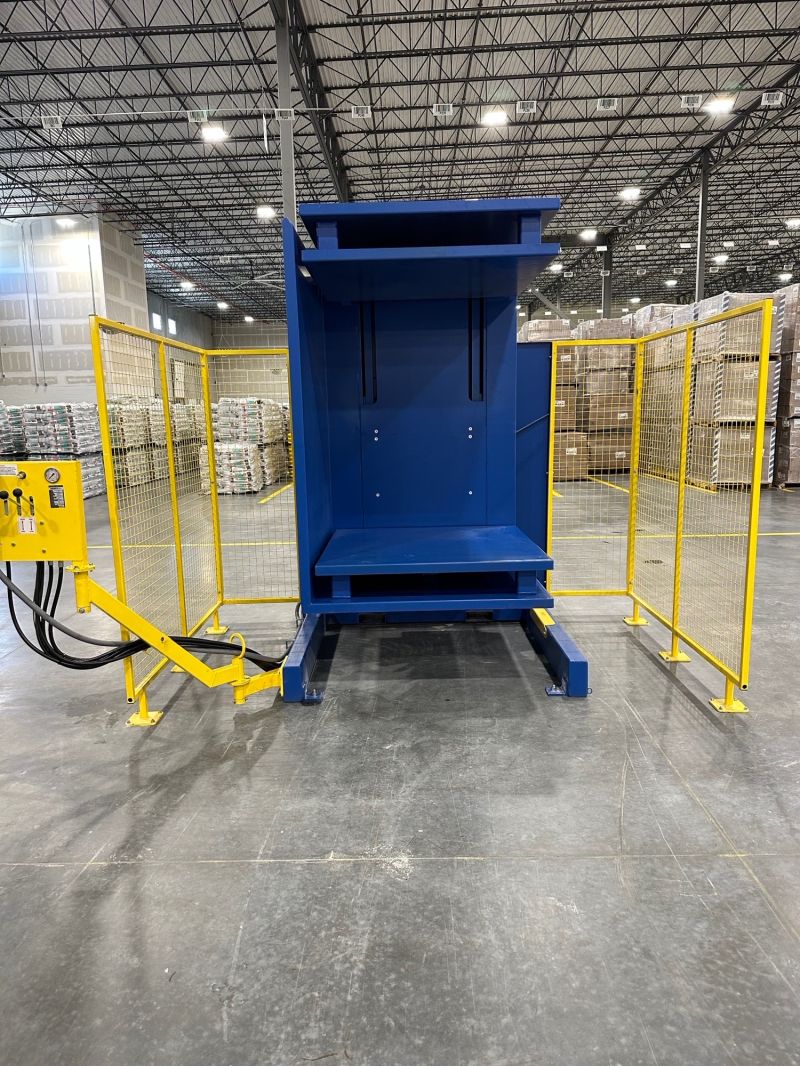
To combat the challenges posed by coastal humidity, businesses must adopt a proactive and enhanced maintenance regime for their pallet inverters. This goes beyond standard maintenance schedules and incorporates specific strategies to mitigate the effects of corrosion and moisture.
Enhanced Cleaning Protocols: Salt and Debris Removal
Regular cleaning is crucial, but in coastal areas, it needs to be more frequent and focused on removing salt and moisture-attracting debris. Effective cleaning protocols include:
- Frequent Washing: Pallet inverters should be washed down more frequently, ideally weekly or bi-weekly, depending on the severity of the coastal environment. Use fresh water to remove salt deposits and prevent salt buildup.
- Specialized Cleaning Solutions: Consider using cleaning solutions specifically designed to neutralize salt and prevent rust. These solutions can provide an extra layer of protection against corrosion.
- Thorough Drying: After washing, ensure the pallet inverter is thoroughly dried. Use compressed air to remove water from crevices and hard-to-reach areas. Moisture left behind can exacerbate corrosion.
Superior Lubrication Regimen: Combating Moisture and Friction
Lubrication is always vital for pallet inverters, but in humid coastal environments, it becomes even more critical. Adopt a lubrication regimen that includes:
- Increased Lubrication Frequency: Lubricate moving parts more frequently than in dry environments. Humidity can degrade lubricants faster, so more frequent application is necessary to maintain optimal protection.
- Moisture-Resistant Lubricants: Switch to lubricants specifically designed for humid and marine environments. These lubricants are formulated to resist water washout and provide superior protection against corrosion.
- Regular Lubricant Checks: Implement a schedule for regularly checking lubricant levels and condition. Look for signs of water contamination or degradation and replace lubricant as needed.
Protective Coatings and Corrosion Barriers: Shielding Against the Elements
Applying protective coatings and corrosion barriers is a proactive step to shield pallet inverters from the harsh coastal environment. Consider these strategies:
- Corrosion-Resistant Paints and Coatings: Use paints and coatings specifically formulated to resist rust and corrosion, especially for the inverter's frame and structural components.
- Anti-Corrosion Sprays and Inhibitors: Apply anti-corrosion sprays or inhibitors to exposed metal parts, especially fasteners, joints, and areas prone to rust.
- Regular Coating Inspections and Touch-Ups: Inspect coatings regularly for damage or wear. Touch up any damaged areas promptly to maintain continuous protection against corrosion.
Humidity Control in the Warehouse: Creating a Drier Environment
While outdoor pallet inverters are directly exposed to the elements, even indoor units in coastal areas benefit from humidity control within the warehouse. Strategies include:
- Dehumidifiers: Install industrial-grade dehumidifiers in the warehouse to reduce overall humidity levels. Lower humidity reduces the rate of corrosion and moisture-related issues.
- Improved Ventilation: Ensure adequate ventilation in the warehouse to promote air circulation and reduce moisture buildup. Good ventilation can help to dry out damp areas and reduce humidity pockets.
- Climate-Controlled Storage (When Possible): If feasible, store pallet inverters in climate-controlled areas when not in use, especially during periods of high humidity or when the equipment is not actively needed.
Intensified Inspection Schedule: Early Detection is Key
Regular inspections are part of any good maintenance program, but in coastal areas, inspections must be more frequent and thorough. Focus on:
- Increased Inspection Frequency: Conduct inspections more often, perhaps weekly or bi-weekly, to catch early signs of corrosion, wear, or electrical issues.
- Detailed Corrosion Checks: Pay close attention to signs of rust and corrosion, especially on frames, components, fasteners, and electrical connections. Early detection allows for timely intervention before significant damage occurs.
- Electrical System Inspections: Regularly inspect electrical wiring, connections, and control panels for signs of moisture ingress or corrosion. Test electrical components to ensure they are functioning correctly.
- Hydraulic System Checks: Inspect hydraulic lines, cylinders, and pumps for leaks, corrosion, and signs of fluid contamination. Coastal humidity can accelerate hydraulic system problems.
Specialized Employee Training: Coastal Maintenance Expertise
Proper maintenance relies on well-trained personnel. In coastal environments, training should include specific modules on:
- Coastal Corrosion Mechanisms: Educate maintenance staff on the specific ways coastal humidity and salt accelerate corrosion and wear.
- Specialized Cleaning and Lubrication Techniques: Train staff on the correct procedures for cleaning, lubricating, and applying protective coatings in coastal environments.
- Enhanced Inspection Protocols: Train staff to conduct more detailed inspections, focusing on coastal-specific issues like corrosion and moisture damage.
- Safety Procedures in Humid Environments: Reinforce safety procedures, particularly related to electrical safety in humid conditions.
Pallet Inverter Durability: Built to Last, Maintained to Endure
While maintenance is crucial, the inherent durability of a pallet inverter also plays a significant role in its longevity in coastal areas. Choosing robust, high-quality equipment designed for demanding environments is a wise investment. Factors contributing to durability include:
- Material Selection: Pallet inverters constructed with corrosion-resistant materials, such as stainless steel or specialized alloys, offer superior protection in coastal environments. While potentially more expensive upfront, they can significantly reduce long-term maintenance costs and extend lifespan.
- Robust Design and Construction: Look for inverters with robust frames, heavy-duty components, and sealed enclosures to protect internal mechanisms from moisture and corrosion. A well-engineered and solidly built machine is inherently more resistant to the challenges of coastal environments.
- Protective Features: Some pallet inverters come with factory-applied protective coatings or features specifically designed for harsh environments. These features can provide an extra layer of defense against corrosion and wear.
Equipment Maintenance Best Practices: A Coastal Checklist
Regardless of location, following general best practices for pallet inverter maintenance is essential. In coastal areas, these practices become even more critical and should be diligently adhered to:
- Regular Lubrication: Lubricate all moving parts according to the manufacturer's recommendations, and more frequently in humid conditions.
- Thorough Cleaning: Clean the pallet inverter regularly to remove dirt, debris, and salt buildup.
- Detailed Inspections: Inspect the inverter frequently for signs of wear, damage, corrosion, and leaks.
- Calibration Verification: Ensure the pallet inverter is calibrated correctly for accurate and safe load handling.
- Prompt Troubleshooting and Repair: Address any issues immediately. Ignoring minor problems can lead to major breakdowns, especially in corrosive environments.
- Professional Servicing: Schedule regular professional servicing by technicians experienced with pallet inverters, particularly those familiar with coastal maintenance challenges.
Conclusion: Proactive Maintenance for Longevity in Coastal Climates
Maintaining pallet inverters in coastal areas with high humidity demands a heightened level of vigilance and a proactive maintenance approach. The corrosive environment and constant moisture present significant challenges, but by understanding these challenges and implementing specialized maintenance strategies, businesses can ensure the longevity, reliability, and safe operation of their pallet inverters. Regular cleaning focused on salt removal, enhanced lubrication with moisture-resistant products, protective coatings, humidity control, intensified inspections, and specialized employee training are all crucial components of a successful coastal maintenance program. Investing in durable, high-quality equipment and diligently adhering to these best practices will minimize downtime, reduce costly repairs, and maximize the return on investment for pallet inverters operating in demanding coastal environments. By prioritizing proactive maintenance, businesses can effectively combat the challenges of coastal humidity and keep their pallet inverters running smoothly for years to come.