
How to Improve Pallet Inverter Efficiency in Multi-Product Distribution Centers?
To improve pallet inverter efficiency in multi-product distribution centers, focus on selecting the right inverter type based on load diversity, optimizing workflow integration for seamless operation, ensuring comprehensive operator training, and implementing a rigorous preventative maintenance schedule. Data-driven performance monitoring and analysis, alongside efficient pallet pattern design, further enhance inverter utilization and overall distribution center throughput.
Understanding the Efficiency Imperative in Multi-Product Distribution
In today's fast-paced distribution landscape, multi-product distribution centers (DCs) face unique challenges in maintaining operational efficiency. Unlike facilities handling homogenous goods, these centers manage a diverse range of products, each with varying sizes, weights, and handling requirements. This complexity necessitates flexible and adaptable material handling solutions, and pallet inverters are increasingly recognized as critical assets in optimizing these operations.
Pallet inverters, also known as pallet flippers or pallet rotators, are specialized machines designed to efficiently and safely invert or rotate palletized loads. They are instrumental in tasks such as pallet exchange (switching from damaged or non-standard pallets to in-house pallets), product recovery from damaged bottom layers, and load transfer to slip sheets. However, in a multi-product environment, maximizing the efficiency of pallet inverters is paramount to ensuring smooth throughput, minimizing product damage, and controlling operational costs.
[Pallet inverter multi-product efficiency, performance optimization, pallet inverter capacity, industrial operations]
[Pallet inverter multi-product efficiency, performance optimization, pallet inverter capacity, industrial operations]
[Pallet inverter multi-product efficiency, performance optimization, pallet inverter capacity, industrial operations]
[Pallet inverter multi-product efficiency, performance optimization, pallet inverter capacity, industrial operations]
Key Strategies for Enhancing Pallet Inverter Performance
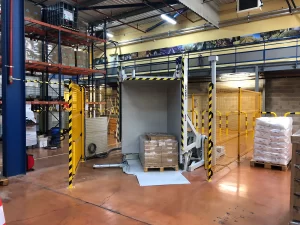
Achieving peak pallet inverter efficiency in multi-product DCs requires a multifaceted approach. It's not simply about having the equipment; it's about strategically integrating it into the workflow and optimizing its operation. Here are key strategies to consider:
1. Strategic Pallet Inverter Selection: Matching Capacity and Type to Product Diversity
The foundation of pallet inverter efficiency lies in selecting the right type and capacity for the specific needs of a multi-product DC. Given the varied nature of goods handled, a one-size-fits-all approach is rarely optimal.
Load Capacity and Dimensions: A crucial first step is to accurately assess the range of load weights and dimensions the inverter will handle. Over-specifying capacity leads to unnecessary capital expenditure and potentially slower cycle times. Conversely, under-specifying can result in equipment overload, damage, and operational bottlenecks. Carefully analyze historical and projected product throughput data to determine the appropriate load capacity and clamping range.
Inverter Type Considerations: Different types of pallet inverters cater to varying operational demands:
- Single Clamp Inverters: Ideal for consistent load heights and weights. In multi-product DCs with some level of standardization in palletized goods, single clamp models can offer a robust and efficient solution for a significant portion of the throughput.
- Dual Clamp Inverters: Offer greater flexibility for handling varying load heights. In environments with highly diverse product sizes and inconsistent pallet stacking, dual clamp inverters are essential to accommodate the wide range of loads without manual adjustments between cycles, maximizing throughput.
- Ground Loading Inverters: Beneficial in areas where forklift access is restricted or when integrating with pallet jacks or hand trucks. For DCs with zones requiring ground-level pallet handling, ground loading inverters streamline operations and reduce the need for specialized lifting equipment.
- Semi-Automatic vs. Fully Automatic Inverters: Semi-automatic inverters require operator intervention for loading and initiating the cycle. Fully automatic systems can be integrated into automated lines for continuous, hands-free operation. For high-volume, standardized product flows within a multi-product DC, fully automatic systems can offer significant efficiency gains. However, for more varied, lower-volume product lines, semi-automatic models may provide a more cost-effective and flexible solution.
- Portable Pallet Inverters: Offer flexibility to move the inverter to different locations within the DC as needed. For DCs with fluctuating product flows or temporary operational zones, portable inverters provide adaptability and can be redeployed to optimize efficiency across different areas.
2. Optimizing Workflow Integration: Seamlessly Incorporating Inverters into DC Operations
Pallet inverter efficiency is not solely determined by the machine itself but also by how seamlessly it integrates into the overall distribution center workflow. Inefficient integration can negate the benefits of even the most advanced inverter.
Proximity to Key Operations: Strategically position pallet inverters near areas where their primary functions are most frequently required. For pallet exchange, locate inverters close to receiving docks or pallet storage zones. For damaged goods recovery, position them near quality control or rework areas. Minimizing travel distances reduces cycle times and overall handling costs.
Conveyor System Integration: For high-throughput operations, integrating pallet inverters with conveyor systems is crucial. Automated conveyors can deliver pallet loads to the inverter and remove inverted pallets, minimizing forklift or manual handling and maximizing continuous flow. This integration is particularly beneficial in DCs with high volumes of specific product lines.
Buffer Zones and Staging Areas: Establish buffer zones or staging areas before and after the pallet inverter station. This prevents bottlenecks by ensuring a consistent supply of pallets waiting for inversion and providing space for processed pallets to be moved to the next stage of the operation. Well-planned staging areas are critical for maintaining smooth flow, especially during peak periods in multi-product DCs.
Clear Process Mapping: Develop a clear process map outlining the steps involving pallet inversion, including material flow, operator responsibilities, and equipment interactions. This visual representation helps identify potential bottlenecks and areas for optimization within the inverter workflow.
3. Comprehensive Operator Training: Empowering Efficiency and Safety
Even the most sophisticated pallet inverter is only as efficient as its operator. Thorough and ongoing training is essential to maximize both efficiency and safety.
Operational Proficiency: Operators must be comprehensively trained on the proper operation of the specific pallet inverter model, including loading and unloading procedures, control panel functions, and emergency stop protocols. Efficient operation minimizes cycle times and reduces the risk of errors.
Safety Protocols and Hazard Awareness: Safety training must be paramount. Operators need to be acutely aware of potential hazards associated with pallet inverter operation, including pinch points, load instability, and emergency procedures. Rigorous safety training minimizes workplace accidents and downtime.
Preventative Maintenance Basics: Train operators to perform basic daily maintenance checks, such as visual inspections, lubrication point checks, and reporting any anomalies. Operator-level preventative maintenance contributes to early detection of issues and reduces the likelihood of major breakdowns.
Troubleshooting and Minor Adjustments: Equip operators with basic troubleshooting skills to address minor issues and make necessary adjustments, reducing reliance on maintenance personnel for routine matters. Empowered operators contribute to faster issue resolution and minimized downtime.
Regular Refresher Training: Implement periodic refresher training to reinforce best practices, update operators on any procedural changes, and address any emerging operational challenges. Ongoing training ensures consistent high performance and safety standards.
4. Preventative Maintenance: Minimizing Downtime and Ensuring Longevity
Pallet inverters, like any industrial machinery, require regular maintenance to ensure optimal performance and longevity. A proactive preventative maintenance program is crucial to maximizing uptime and efficiency in busy multi-product DCs.
Scheduled Inspections and Servicing: Establish a scheduled maintenance program based on manufacturer recommendations and operational intensity. Regular inspections should cover mechanical components, hydraulic systems, electrical controls, and safety features.
Lubrication and Component Checks: Consistent lubrication of moving parts reduces friction and wear, extending component life and maintaining smooth operation. Regularly check belts, chains, clamps, and hydraulic hoses for wear and tear, replacing components proactively before failures occur.
Hydraulic System Maintenance: Hydraulic systems are critical to inverter operation. Regularly check hydraulic fluid levels, inspect for leaks, and replace filters according to schedule. Proper hydraulic system maintenance prevents performance degradation and costly repairs.

Electrical System Checks: Inspect electrical wiring, control panels, sensors, and safety interlocks for damage or malfunctions. Ensure all electrical connections are secure and properly grounded. Electrical system integrity is essential for safe and reliable operation.
Detailed Maintenance Records: Maintain meticulous maintenance logs, documenting all inspections, servicing, repairs, and component replacements. These records provide valuable insights into equipment performance trends, allowing for predictive maintenance planning and optimized maintenance schedules.
5. Data-Driven Performance Monitoring and Analysis: Continuous Improvement Through KPIs
In today's data-rich environment, leveraging performance data is essential for continuous improvement. Implementing a system to monitor and analyze key performance indicators (KPIs) for pallet inverters provides valuable insights for optimization.
Key Performance Indicators (KPIs): Track relevant KPIs such as:
- Cycle Time: Measure the time taken for each inversion cycle. Analyze cycle time trends to identify potential slowdowns or inefficiencies.
- Uptime and Downtime: Monitor inverter uptime and downtime. Analyze downtime events to pinpoint root causes and implement corrective actions.
- Throughput Rate: Track the number of pallets processed per hour or shift. Monitor throughput rates to assess inverter utilization and identify capacity constraints.
- Error Rates: Record any errors or malfunctions during inverter operation. Analyze error data to identify recurring issues and implement preventative measures.
- Maintenance Frequency and Costs: Track maintenance frequency and associated costs. Analyze maintenance data to optimize maintenance schedules and control expenses.
Data Collection and Analysis Tools: Utilize data collection tools, such as integrated sensors, PLC data logging, or manual data entry, to gather performance data. Employ data analysis software or spreadsheets to analyze trends, identify patterns, and generate actionable insights.
Regular Performance Reviews: Conduct regular performance reviews of pallet inverter operations, analyzing KPI data and identifying areas for improvement. Use data-driven insights to refine operating procedures, adjust maintenance schedules, and optimize workflow integration.
6. Optimizing Pallet Patterns (Indirect Efficiency): Reducing Inverter Load
While not directly related to inverter operation, optimizing pallet patterns can indirectly enhance inverter efficiency by reducing the need for inversion in certain scenarios.
Space Utilization Software: Employ palletizing software to determine optimal stacking patterns that maximize pallet space utilization and load stability. Efficient pallet patterns minimize product overhang and instability, potentially reducing the need for pallet exchange due to damage in transit.
Standardized Pallet Configurations: Where possible, standardize pallet configurations for specific product lines to facilitate consistent handling and reduce variability in inverter operations. Standardization simplifies inverter setup and optimizes cycle times.
Load Stability Focus: Prioritize load stability during palletizing to minimize the risk of product shifting or damage during handling and transport. Stable loads reduce the likelihood of needing pallet inversion for product recovery due to transit damage.
Quantifiable Benefits of Enhanced Pallet Inverter Efficiency
Investing in strategies to improve pallet inverter efficiency in multi-product DCs translates into significant quantifiable benefits:
- Reduced Labor Costs: Automation of pallet inversion reduces manual labor requirements, leading to direct labor cost savings and the ability to reallocate personnel to other value-added tasks.
- Increased Throughput and Productivity: Faster cycle times and minimized downtime directly increase throughput and overall distribution center productivity, enabling faster order fulfillment and improved customer service.
- Minimized Product Damage: Gentle and controlled inversion reduces product damage compared to manual handling, lowering product loss rates and improving inventory accuracy.
- Improved Workplace Safety: Automation reduces the risk of manual handling injuries, creating a safer work environment and lowering potential workers' compensation costs.
- Optimized Space Utilization: Efficient pallet handling and inversion contribute to better space utilization within the DC, maximizing storage capacity and reducing storage costs.
- Faster ROI and Reduced Operational Costs: Combined benefits translate to a faster return on investment in pallet inverter technology and reduced overall operational costs through labor savings, damage reduction, and increased productivity.
Conclusion: Embracing Efficiency for Distribution Excellence
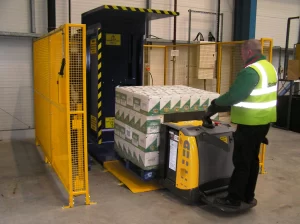
In the complex landscape of multi-product distribution, pallet inverter efficiency is a critical lever for operational excellence. By strategically selecting equipment, optimizing workflow integration, prioritizing operator training, implementing preventative maintenance, leveraging data-driven insights, and considering pallet pattern optimization, distribution centers can unlock the full potential of pallet inverter technology. This holistic approach not only enhances the efficiency of pallet inversion processes but also contributes to overall distribution center performance, driving cost savings, improving throughput, and fostering a safer and more productive working environment. Embracing these strategies is essential for multi-product DCs striving to meet the demands of today's dynamic and competitive marketplace.