
What Are the Challenges of Maintaining Pallet Inverters in Remote Industrial Sites?
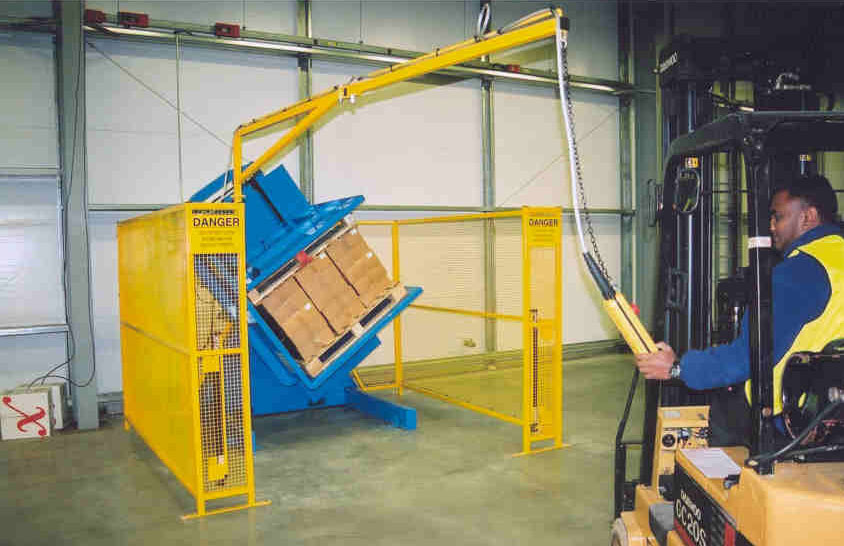
Maintaining pallet inverters in remote industrial sites presents unique challenges including limited accessibility, scarcity of skilled technicians, and harsh environmental conditions. Regular maintenance, encompassing lubrication, cleaning, and inspections, is crucial. Remote monitoring and predictive maintenance solutions, like IIoT, are essential to mitigate downtime and ensure operational efficiency in these demanding locations. Addressing these challenges proactively is key to maximizing uptime and ROI.
The Indispensable Role of Pallet Inverters in Modern Industry
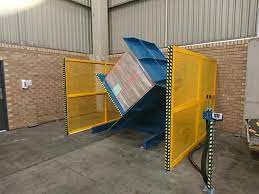
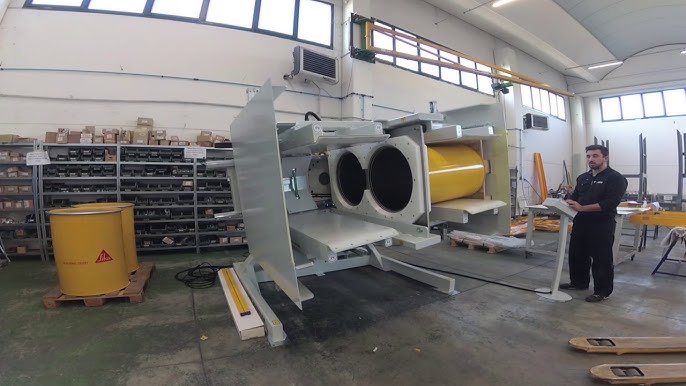
Pallet inverters are the unsung heroes of efficient material handling, playing a critical role in warehouses, manufacturing plants, distribution centers, and across the logistics and transportation sectors. These robust machines are engineered to streamline operations by safely and swiftly rotating or transferring loads on pallets. By doing so, they eliminate the need for manual restacking, facilitate pallet exchange, and enable the retrieval of damaged goods from the bottom of a stack. This functionality is not merely about convenience; it's about boosting productivity, enhancing safety, and optimizing space utilization within industrial facilities.
In remote industrial sites, the benefits of pallet inverters are amplified. These locations, often characterized by their distance from major urban centers and support infrastructure, rely heavily on operational efficiency and minimal downtime. Whether it's a mining operation in a desolate region, a forestry processing plant deep in a woodland, or an agricultural facility in a rural area, pallet inverters become essential for maintaining smooth material flow. They contribute to keeping production lines running, ensuring timely dispatch of goods, and minimizing logistical bottlenecks that can be exacerbated by geographical isolation.
Unique Hurdles: Maintaining Equipment Off the Beaten Path
While the advantages of pallet inverters are clear, particularly in remote settings, their maintenance in these locations introduces a unique set of challenges. Unlike urban or easily accessible industrial hubs, remote sites grapple with specific limitations that can significantly impact equipment upkeep. These hurdles can be broadly categorized into accessibility, availability of skilled labor, environmental factors, and logistical complexities.
The Tyranny of Distance and Accessibility
One of the primary challenges is simply getting to the equipment. Remote industrial sites, by their very nature, are far removed from readily available services and support. Transportation of technicians, spare parts, and specialized tools can be time-consuming and costly. Consider a pallet inverter malfunctioning at a remote lumber mill; the journey for a specialized technician could involve hours of travel, possibly over difficult terrain, leading to extended downtime. This geographical isolation directly translates into increased response times for repairs and maintenance, impacting overall operational efficiency.
Scarcity of Skilled Technical Expertise
Remote locations often suffer from a lack of readily available skilled labor. Finding qualified technicians experienced in maintaining complex machinery like pallet inverters can be a significant challenge. Urban centers typically boast a concentration of specialized service providers, but these resources are often scarce in remote areas. This scarcity can lead to reliance on in-house personnel who may not possess the specific expertise needed for intricate repairs or preventative maintenance of pallet inverters. Even if local technicians are available, their expertise might be generalized, lacking the deep understanding required for the nuances of pallet inverter systems, especially hydraulic, electrical, and motor components.
Harsh Environmental Conditions: A Constant Threat
Remote industrial sites are frequently exposed to more extreme and variable environmental conditions than their urban counterparts. Mining operations may contend with dust, extreme temperatures, and vibrations. Forestry and agricultural sites might face humidity, mud, and exposure to organic matter. Coastal facilities are vulnerable to salt air and corrosion. These harsh conditions can accelerate wear and tear on pallet inverters, demanding more frequent and rigorous maintenance schedules. Components can degrade faster, lubrication can break down quicker, and electrical systems can be more prone to failure due to environmental ingress. Ignoring these environmental factors can lead to premature equipment failure and costly emergency repairs.
Logistical Nightmares: Spare Parts and Supply Chains
Maintaining an adequate supply of spare parts in remote locations presents another considerable challenge. Long lead times for part delivery, coupled with potentially higher transportation costs, can significantly prolong downtime when repairs are needed. Imagine a critical hydraulic component failing in a pallet inverter at a remote wind farm construction site. Ordering and receiving the replacement part could take days, if not weeks, halting crucial material handling operations. Establishing and managing a local inventory of spare parts can be a solution, but this requires careful planning, investment in storage facilities, and accurate forecasting of potential needs, adding to the complexity and cost of remote site maintenance.
Proactive Maintenance: The Cornerstone of Uptime
Given these challenges, a reactive maintenance approach – fixing equipment only when it breaks down – is simply not viable for pallet inverters in remote industrial settings. Instead, a proactive, preventative maintenance strategy is essential. Regular, scheduled maintenance, encompassing key tasks, becomes the bedrock of ensuring operational continuity and minimizing costly downtime.
Essential Maintenance Tasks: A Remote Site Checklist
Drawing from best practices for equipment upkeep, several key maintenance tasks are crucial for pallet inverters, especially in remote locations:
-
Lubrication: Pallet inverters are mechanical systems with numerous moving parts. Regular lubrication is paramount to reduce friction, prevent wear and tear, and ensure smooth operation. This includes lubricating bearings, chains, gears, and hydraulic cylinders according to the manufacturer’s specifications and considering the specific lubricants suitable for the environmental conditions. In dusty environments, for instance, using appropriate grease types can prevent dust ingress and component wear.
-
Cleaning: Dirt, debris, and contaminants are the enemies of industrial machinery. Regular cleaning is essential to remove build-up that can impede performance, accelerate corrosion, and cause damage. This includes cleaning the inverter’s frame, platforms, hydraulic components, and electrical panels. In environments with significant dust or organic matter, more frequent cleaning schedules will be necessary.
-
Inspection: Routine inspections are crucial for identifying early signs of wear, damage, or potential failures. This involves visually inspecting all critical components, including welds, bolts, hydraulic hoses and fittings, electrical wiring, and motor connections. Checking for loose components, cracks, leaks, and signs of corrosion allows for timely intervention before minor issues escalate into major breakdowns.
-
Calibration: Pallet inverters are designed to handle loads safely and accurately. Regular calibration is essential to ensure the machine functions as intended and that loads are securely and correctly rotated. This includes checking and adjusting sensors, limit switches, and hydraulic pressure settings. Proper calibration not only ensures operational efficiency but is also critical for workplace safety and preventing product damage.
Addressing Common Issues: Troubleshooting in Isolation
Even with rigorous preventative maintenance, issues can still arise. Common problems with pallet inverters, such as hydraulic system failures, motor malfunctions, and electrical issues, can be particularly disruptive in remote locations.
-
Hydraulic System Failures: The hydraulic system is the heart of most pallet inverters. Failures, such as leaks, pump malfunctions, or valve issues, can bring operations to a standstill. In remote sites, diagnosing and repairing hydraulic problems requires specialized knowledge and tools. Having access to hydraulic schematics, troubleshooting guides, and potentially portable hydraulic testing equipment can be invaluable for in-house maintenance teams.
-
Motor Failures: Motors power the inverter's movements, and their failure results in complete operational shutdown. Motor issues can range from electrical faults to bearing failures. Remote maintenance strategies should include procedures for basic motor diagnostics, access to motor specifications, and potentially having spare motors on-site, especially for critical operations.
-
Electrical Issues: Electrical problems, ranging from wiring faults to control system malfunctions, can impact the inverter’s functionality. Troubleshooting electrical issues often requires specialized tools like multimeters and a solid understanding of electrical schematics. Remote sites may benefit from having personnel trained in basic electrical troubleshooting and access to remote diagnostic support from the inverter manufacturer.
Strategies for Effective Remote Maintenance: Bridging the Distance Gap
To overcome the challenges of maintaining pallet inverters in remote industrial sites, a multi-faceted approach is required, leveraging technology, training, and strategic planning.
Empowering On-Site Personnel Through Comprehensive Training
Investing in comprehensive training for on-site personnel is paramount. Equipping local teams with the knowledge and skills to perform routine maintenance, basic troubleshooting, and minor repairs can significantly reduce reliance on external technicians and minimize downtime. Training programs should cover:
- Operational Training: Ensuring operators are thoroughly trained on safe and efficient machine operation, recognizing warning signs, and performing basic daily checks.
- Preventative Maintenance Training: Teaching on-site teams how to perform scheduled lubrication, cleaning, inspections, and basic calibration tasks.
- Troubleshooting and Basic Repair Training: Providing skills to diagnose common issues, perform minor repairs, and understand when to escalate problems to specialized support.
Leveraging Remote Support and Tele-Diagnostics
Modern technology offers powerful tools to bridge the distance gap. Remote support and tele-diagnostics can provide crucial assistance to remote sites:
- Remote Technical Support: Establishing reliable communication channels with the pallet inverter manufacturer or a specialized service provider is essential. This allows on-site teams to access expert guidance via phone, video conferencing, or remote access software for troubleshooting complex issues.
- Tele-Diagnostics: Some advanced pallet inverters are equipped with sensors and communication capabilities that allow for remote monitoring and diagnostics. Manufacturers can remotely access machine data, diagnose faults, and guide on-site personnel through repair procedures, significantly reducing diagnostic time and improving repair efficiency.
Embracing IIoT for Predictive Maintenance
The Industrial Internet of Things (IIoT) offers a transformative approach to remote equipment maintenance. Implementing IIoT solutions can shift maintenance from reactive or even preventative to predictive, maximizing uptime and minimizing unexpected failures.
- Sensor-Based Monitoring: Integrating sensors into pallet inverters to monitor critical parameters like vibration, temperature, hydraulic pressure, and motor current provides real-time data on machine health.
- Data Analytics and Predictive Algorithms: This sensor data is transmitted to cloud-based platforms where advanced analytics and machine learning algorithms analyze it to identify patterns, detect anomalies, and predict potential equipment failures before they occur.
- Proactive Maintenance Alerts: IIoT systems can generate alerts and notifications when potential issues are detected, allowing maintenance teams to schedule interventions proactively, preventing breakdowns and optimizing maintenance schedules.
Designing for Durability and Remote Site Conditions
When selecting pallet inverters for remote industrial sites, prioritizing durability and design features tailored for harsh conditions is crucial.
- Robust Construction: Choosing inverters built with heavy-duty components and robust frames ensures they can withstand demanding operational environments and minimize wear and tear.
- Environmental Protection: Selecting models with sealed electrical panels, corrosion-resistant coatings, and components designed for extreme temperatures or dusty environments enhances longevity and reduces maintenance needs.
- Modular Design: Modular designs can simplify maintenance and repairs. Easily replaceable components and accessible maintenance points can streamline on-site servicing and reduce downtime, especially in remote locations where specialized technicians are scarce.
Conclusion: Uptime Through Foresight and Innovation
Maintaining pallet inverters in remote industrial sites presents a unique set of challenges, primarily stemming from accessibility, scarcity of skilled labor, harsh environments, and logistical complexities. However, these challenges are not insurmountable. By adopting a proactive maintenance strategy, leveraging technology for remote support and predictive maintenance through IIoT, and prioritizing equipment durability and appropriate design, industries operating in remote locations can ensure the reliable performance of their pallet inverters. This proactive approach is not just about minimizing downtime; it’s about maximizing operational efficiency, ensuring workplace safety, and achieving a strong return on investment, even in the most demanding and isolated industrial environments. For remote industrial operations, the key to successful pallet inverter maintenance lies in foresight, planning, and embracing innovative solutions to bridge the distance and ensure continuous, productive operation.