
How to Enhance Pallet Inverter Performance with Energy-Efficient Motors?
To enhance pallet inverter performance and embrace sustainability, integrating energy-efficient motors is a pivotal step. These advanced motors reduce energy consumption, lower operational costs, and contribute to a greener footprint, all while maintaining or even improving the efficiency and reliability of pallet inverting processes. This strategic upgrade aligns operational excellence with environmental responsibility, creating a win-win for businesses seeking enhanced productivity and a commitment to eco-friendly practices.
Understanding Pallet Inverters and Their Operational Demands
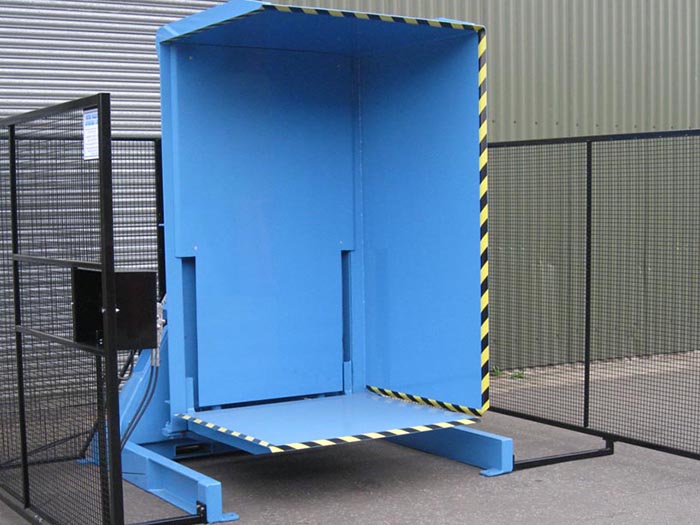
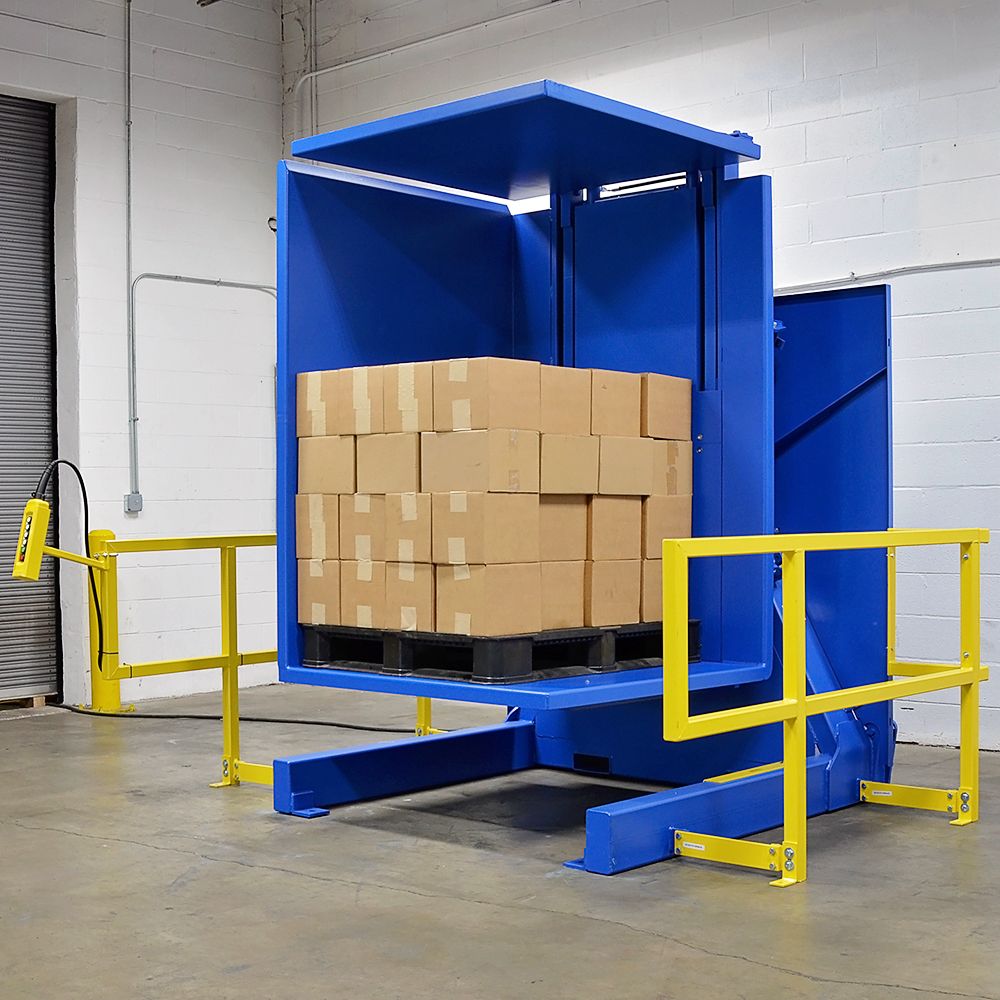
Pallet inverters are indispensable tools in modern material handling, streamlining operations across diverse industries. These machines are engineered to efficiently rotate or flip palletized loads, offering a safer and more productive alternative to manual handling. From warehouses and distribution centers to manufacturing plants and food processing facilities, pallet inverters play a crucial role in optimizing space utilization, reducing product damage, and minimizing labor costs.
At their core, pallet inverters simplify tasks like switching pallets, removing damaged goods from the bottom of a stack, or changing load orientation for specific processes. They achieve this through a combination of robust mechanical components, primarily a sturdy frame, a secure clamping mechanism, and a powerful hydraulic system. The frame provides structural integrity, while the clamping mechanism ensures the load remains stable during inversion. The hydraulic system, powered by an electric motor, is the workhorse, generating the force needed to rotate or flip heavy loads.
The operational demands on pallet inverters can be significant. They are often required to handle heavy loads, operate for extended periods, and perform repetitive cycles. Traditional motors in these systems, while functional, can contribute to substantial energy consumption and operational inefficiencies. This is where the integration of energy-efficient motors emerges as a strategic enhancement.
The Critical Role of Motors in Pallet Inverter Efficiency
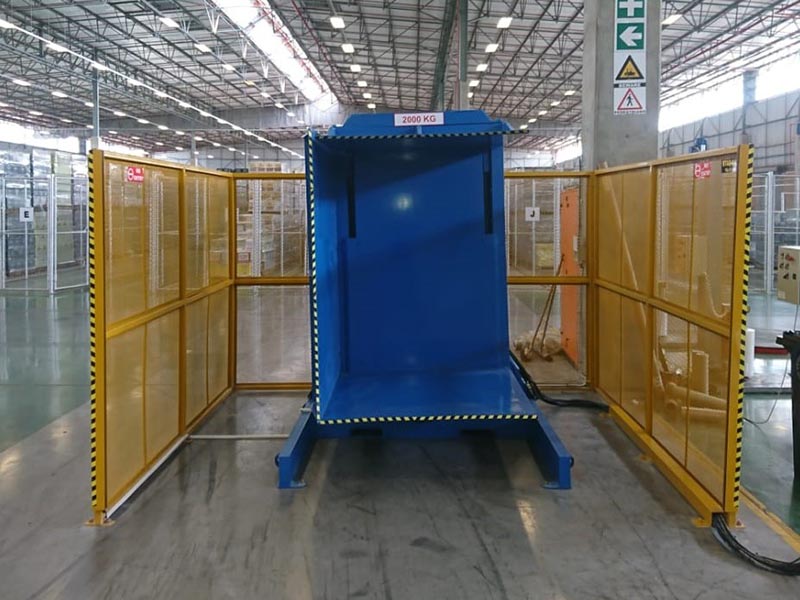
The electric motor is the heart of a pallet inverter's hydraulic system. It drives the hydraulic pump, which in turn generates the pressure required to power the cylinders that perform the inversion action. The motor's efficiency directly impacts the overall energy consumption and performance of the pallet inverter. A less efficient motor wastes energy, primarily as heat, leading to higher electricity bills, increased wear and tear on components, and potentially reduced lifespan of the equipment.
Traditional motors often operate at a fixed speed and may not be optimally matched to the varying load requirements of a pallet inverter cycle. This can result in energy wastage, particularly during periods of lower demand within the inversion process. Moreover, older motor technologies tend to have lower energy conversion rates compared to modern energy-efficient alternatives.
Upgrading to energy-efficient motors addresses these inefficiencies directly. These motors are designed to convert a higher percentage of electrical energy into mechanical energy, minimizing waste and optimizing power usage. This translates to tangible benefits, including reduced energy costs, lower heat generation, and improved operational reliability.
Energy-Efficient Motors: A Catalyst for Performance Optimization
Energy-efficient motors, often referred to as premium efficiency or IE3/IE4 motors, are engineered with advanced designs and materials to minimize energy losses. Key features contributing to their superior efficiency include:
- Improved Design and Materials: Energy-efficient motors utilize optimized winding configurations, higher-grade steel laminations, and improved rotor designs to reduce electrical and magnetic losses. They often incorporate better cooling systems, further enhancing efficiency and longevity.
- Variable Speed Capabilities: Many energy-efficient motor solutions are designed to work seamlessly with Variable Frequency Drives (VFDs). VFDs allow for precise motor speed control, matching the motor output to the exact demands of the pallet inversion cycle. This eliminates unnecessary energy consumption during periods when full power is not required. For example, during the initial clamping and final positioning stages of the inversion process, lower motor speeds are sufficient, and a VFD-controlled energy-efficient motor can adjust accordingly, saving significant energy.
- Reduced Heat Generation: Due to their higher efficiency, energy-efficient motors generate less waste heat. This not only reduces energy loss but also lowers the thermal stress on the motor and surrounding components, leading to increased reliability and reduced maintenance needs. Less heat also contributes to a cooler and more comfortable working environment, potentially improving operator productivity.
- Enhanced Reliability and Lifespan: The robust design and reduced thermal stress associated with energy-efficient motors often translate to increased operational lifespan and reduced downtime. While the initial investment might be slightly higher, the long-term cost savings from reduced energy consumption, lower maintenance, and increased equipment lifespan make them a financially sound choice.
By integrating energy-efficient motors into pallet inverter systems, businesses can unlock a range of performance enhancements:
- Reduced Energy Consumption and Operational Costs: The most immediate benefit is a significant reduction in energy consumption. Energy-efficient motors can consume up to 20-30% less energy than standard efficiency motors for the same workload. This translates directly to lower electricity bills and reduced operational expenses, contributing to a faster return on investment for the motor upgrade.
- Improved Pallet Inverter Throughput: In some cases, energy-efficient motors can contribute to improved pallet inverter throughput. VFD-controlled motors can offer smoother acceleration and deceleration, potentially reducing cycle times and increasing the number of pallets processed per hour. The consistent and reliable power delivery of these motors also ensures consistent performance, minimizing delays and maximizing uptime.
- Enhanced System Reliability and Reduced Downtime: The lower operating temperatures and robust construction of energy-efficient motors contribute to improved reliability and reduced risk of motor failure. This minimizes downtime for repairs and maintenance, ensuring continuous operation and maximizing productivity. Predictable and reliable performance is crucial in demanding warehouse and manufacturing environments.
- Quieter Operation: Energy-efficient motors often operate more quietly than older, less efficient models. Reduced noise levels contribute to a more comfortable and safer working environment for operators, potentially improving focus and reducing workplace distractions.
Sustainability and Eco-Friendly Solutions: The Green Advantage
Beyond performance enhancements and cost savings, energy-efficient motors in pallet inverters align with broader sustainability goals and eco-friendly operational practices. In an era of increasing environmental awareness and stringent regulations, businesses are under growing pressure to reduce their carbon footprint and adopt sustainable solutions.
Integrating energy-efficient motors is a tangible step towards achieving these objectives. Reduced energy consumption directly translates to lower greenhouse gas emissions associated with electricity generation. By choosing energy-efficient motors, companies demonstrate a commitment to environmental responsibility, enhancing their corporate image and appealing to environmentally conscious customers and stakeholders.
Furthermore, many government incentives and rebates are available for businesses that invest in energy-efficient equipment. These incentives can further reduce the upfront cost of upgrading to energy-efficient motors, making the transition even more financially attractive. Embracing energy efficiency is not only environmentally responsible but also economically prudent in the long run.
The move towards sustainable warehousing and manufacturing practices is not just a trend but a fundamental shift in operational philosophy. Energy-efficient pallet inverters, powered by advanced motors, are a key component of this shift, enabling businesses to operate more sustainably while maintaining or improving productivity and profitability.
Practical Considerations for Implementing Energy-Efficient Motors
Upgrading to energy-efficient motors in pallet inverters is a relatively straightforward process, but careful planning and consideration of practical factors are essential for a successful implementation.
- Motor Selection and Sizing: It is crucial to select the right type and size of energy-efficient motor for the specific pallet inverter model and application. Factors to consider include the required power rating, torque characteristics, operating speed range, and compatibility with existing hydraulic systems and control panels. Consulting with motor manufacturers and pallet inverter specialists is recommended to ensure optimal motor selection.
- VFD Integration and Programming: To fully realize the benefits of energy-efficient motors, particularly variable speed capabilities, integrating a compatible VFD is highly recommended. Proper programming of the VFD is essential to optimize motor performance and energy savings for the specific pallet inversion cycles. This may require expertise in VFD configuration and control systems.
- Cost Analysis and ROI Calculation: While energy-efficient motors offer long-term cost savings, the initial investment may be higher than standard efficiency motors. A thorough cost analysis should be conducted to evaluate the upfront cost, projected energy savings, potential maintenance reductions, and available incentives to calculate the return on investment (ROI) and payback period for the upgrade. In most cases, the long-term ROI is highly favorable due to the substantial energy savings.
- Installation and Integration: The physical installation of energy-efficient motors is generally similar to standard motors. However, proper electrical connections, VFD integration, and system commissioning are crucial for optimal performance and safety. Engaging qualified technicians with experience in motor and control system installations is recommended.
- Maintenance and Monitoring: Energy-efficient motors typically require less maintenance than standard motors due to their robust design and lower operating temperatures. However, regular inspections and preventative maintenance, as outlined in manufacturer guidelines, are still important to ensure continued reliable operation. Monitoring motor performance and energy consumption after the upgrade can help verify the achieved energy savings and identify any potential issues.
- Supplier Selection and Support: Choosing a reputable supplier of energy-efficient motors and VFDs is crucial for ensuring product quality, reliability, and access to technical support. Select suppliers with a proven track record in industrial motor solutions and a commitment to customer service and after-sales support.
Conclusion: Driving Pallet Inverter Performance and Sustainability with Energy-Efficient Motors
Enhancing pallet inverter performance with energy-efficient motors is a strategic upgrade that delivers a multitude of benefits. From significant energy cost reductions and improved operational efficiency to enhanced system reliability and a reduced environmental footprint, the advantages are compelling. By embracing energy-efficient motor technology, businesses can optimize their pallet handling processes, achieve sustainability goals, and gain a competitive edge in today's increasingly eco-conscious marketplace. Investing in energy-efficient motors is not just an operational improvement; it's a commitment to a more sustainable and efficient future for material handling and beyond. This proactive approach to performance optimization and environmental responsibility positions businesses for long-term success in a dynamic and evolving industrial landscape.