
Future of Steel Coil Packaging: Automation and Innovation
Imagine steel coils, the backbone of industries, vulnerable to damage during transit. Inefficient packaging lines not only risk product integrity but also hemorrhage time and resources. The future demands a smarter approach. How can automation and innovation revolutionize steel coil packaging to ensure efficiency, reduce waste, and guarantee product protection in a rapidly evolving manufacturing landscape?
The future of steel coil packaging is being reshaped by automation and innovative technologies, moving away from labor-intensive manual processes. Integrating robotic systems, smart sensors, and data analytics into coil packing lines enhances speed, precision, and consistency. This evolution minimizes material waste, reduces downtime, and ensures superior protection of steel coils during handling and transportation, ultimately boosting efficiency and ROI for steel manufacturers.
This article explores the cutting-edge advancements and strategic insights that are driving this transformation, revealing how businesses can future-proof their operations and capitalize on the next wave of steel coil packaging innovation. Keep reading to discover the best practices and technologies that are setting new standards in the industry.
Strategic Planning for Automated Packing Lines
Setting up a steel coil packing line is more than just installing machinery; it's about laying the foundation for future operational success. A haphazard approach can lead to costly retrofits and missed opportunities. Strategic planning is the bedrock of any successful implementation.
Strategic planning in steel coil packing line implementation is crucial for aligning immediate production needs with long-term business objectives. A detailed plan should encompass automation integration, capacity scalability, and technological upgrades. Starting with a roadmap ensures that every aspect of the packing line, from machine placement to functionality, supports the company's overarching goals, avoiding future disruptions and unnecessary expenses.
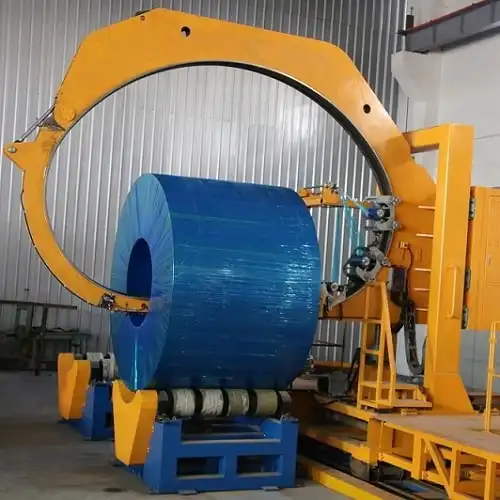
Strategic planning is not a one-time event but an ongoing process. It requires a deep understanding of current production demands, anticipated future growth, and the evolving landscape of automation technologies. Let's delve deeper into the critical elements of effective strategic planning for steel coil packing lines.
Dive Deeper: The Roadmap to Packing Line Excellence
Effective strategic planning for steel coil packing lines goes beyond simply listing equipment. It's about creating a dynamic roadmap that anticipates future challenges and opportunities. This roadmap should be built upon several key pillars:
1. Needs Assessment and Goal Setting
The first step is a comprehensive assessment of current and future needs. This involves:
- Production Volume Analysis: Analyze current throughput and forecast future production increases. Consider peak demand periods and seasonal variations.
- Coil Size and Type Diversity: Determine the range of coil dimensions, weights, and material types that the line will need to handle. Factor in potential future product diversification.
- Packaging Requirements: Define the necessary levels of protection (e.g., moisture-proof, corrosion-resistant) and packaging materials based on storage conditions, transportation methods, and customer specifications.
- Automation Level Objectives: Decide on the desired level of automation – from semi-automatic to fully automatic – considering budget, labor costs, and efficiency goals.
- ROI and Budgetary Constraints: Establish clear ROI targets and allocate a realistic budget for the project, considering both initial investment and long-term operational costs.
2. Technology and Integration Strategy
With a clear understanding of needs, the next step is to strategize technology adoption and integration:
- Industry 4.0 Readiness: Prioritize machines that are Industry 4.0 ready, featuring IoT capabilities, PLC systems, and data connectivity for future automation integration.
- Modular Design and Scalability: Select modular equipment that allows for phased implementation and future expansion without requiring a complete system overhaul.
- Software and System Integration: Plan for seamless integration with existing ERP, MES, and warehouse management systems to ensure data flow and operational synergy.
- Predictive Maintenance Capabilities: Incorporate systems that enable predictive maintenance, reducing downtime and maximizing equipment lifespan.
3. Implementation and Phased Rollout
A phased approach to implementation minimizes disruption and allows for iterative optimization:
- Prioritization of Key Areas: Identify critical bottlenecks and prioritize automation efforts in those areas first to achieve quick wins and demonstrate ROI.
- Pilot Programs and Testing: Conduct pilot programs with smaller sections of the line before full-scale rollout to validate designs and processes.
- Training and Change Management: Develop comprehensive training programs for operators and maintenance staff to ensure smooth adoption of new technologies. Address potential resistance to change through clear communication and involvement.
- Performance Monitoring and Adjustment: Establish KPIs and monitoring systems to track performance post-implementation. Be prepared to make adjustments and optimizations based on real-world data and feedback.
4. Long-Term Vision and Continuous Improvement
Strategic planning is not static; it requires a long-term vision and a commitment to continuous improvement:
- Technology Horizon Scanning: Stay informed about emerging technologies and trends in automation and packaging to identify future upgrade opportunities.
- Data-Driven Optimization: Utilize data collected from the automated system to continuously analyze performance, identify areas for improvement, and refine processes.
- Flexibility and Adaptability: Design the packing line with the flexibility to adapt to changing market demands, new product lines, and evolving customer requirements.
By meticulously planning each of these elements, businesses can transform their steel coil packing lines from potential bottlenecks into strategic assets that drive efficiency, reduce costs, and ensure long-term competitiveness. The table below summarizes the key aspects of strategic planning:
| Planning Pillar | Key Considerations | Benefits |
|---|---|---|
| Needs Assessment | Volume, Coil Diversity, Packaging, Automation Level, ROI | Clear Objectives, Focused Investment, Realistic Budget |
| Technology Strategy | Industry 4.0, Modularity, Integration, Predictive Maintenance | Future-Proof System, Scalability, Data-Driven Operations, Reduced Downtime |
| Implementation Plan | Phased Rollout, Pilot Programs, Training, Monitoring | Minimized Disruption, Gradual Adoption, Optimized Performance, Skilled Workforce |
| Long-Term Vision | Horizon Scanning, Data Analysis, Adaptability | Continuous Improvement, Competitive Advantage, Sustainable Operations |
Optimizing Wrapping Machine Selection
The wrapping machine is the frontline defender of steel coils, shielding them from the elements and physical damage during their journey. Choosing the right wrapping machine is not just about immediate needs; it's about future-proofing your packaging line.
Selecting the optimal wrapping machine for a steel coil packing line involves considering material versatility, coil size handling, speed and efficiency, and precision control. The machine should accommodate various wrapping materials and coil dimensions while maintaining high throughput and consistent wrapping quality. Future-proofing requires choosing IoT-enabled machines with smart sensors for data collection and predictive maintenance, ensuring seamless integration with Industry 4.0 technologies.
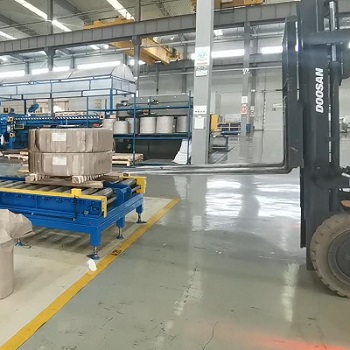
The right wrapping machine can significantly impact packaging quality, material consumption, and overall line efficiency. Let's explore the crucial factors to consider when making this critical selection.
Dive Deeper: Decoding Wrapping Machine Specifications for Future Needs
Choosing a wrapping machine is a multifaceted decision that requires a deep understanding of both current operational needs and future technological trends. Beyond basic specifications, several key factors become crucial when aiming for a future-proof, Industry 4.0-ready packing line.
1. Material Versatility and Adaptability
The range of wrapping materials a machine can handle directly impacts its adaptability to changing product and customer demands. Consider:
- Stretch Film Compatibility: Essential for basic protection and unitization. Look for machines that can handle varying film thicknesses and pre-stretch levels.
- VCI Film Capability: For coils requiring corrosion protection, VCI (Vapor Corrosion Inhibitor) films are vital. Ensure the machine can apply these specialized films effectively.
- Paper and Cardboard Options: For specific market requirements or eco-conscious packaging, machines capable of applying paper or cardboard wraps offer added versatility.
- Laminates and复合材料: As packaging technology advances, consider machines that can handle newer composite materials offering enhanced protection and sustainability.
2. Coil Size and Handling Range
The machine's physical dimensions and handling capacity must align with the spectrum of coils processed:
- Diameter and Width Capacity: Verify the machine can accommodate the maximum and minimum coil diameters and widths handled by your production line.
- Weight Capacity: Ensure the machine's load-bearing capacity exceeds the maximum coil weight to be processed, with a safety margin.
- Adjustability and Changeover Time: Assess how easily and quickly the machine can be adjusted to handle different coil sizes. Minimize changeover time for optimal efficiency.
3. Automation and Smart Features
For future integration and Industry 4.0 readiness, prioritize machines with:
- PLC Control Systems: Essential for seamless integration with automation software and real-time monitoring.
- IoT-Enabled Sensors: Look for machines equipped with sensors monitoring tension, speed, film usage, and other key parameters for data collection and predictive maintenance.
- Remote Monitoring and Diagnostics: Machines with remote access capabilities allow for remote troubleshooting, software updates, and performance monitoring, crucial for minimizing downtime.
- Automated Film Change and Cut-Off: Features like automatic film roll change and precise cut-off mechanisms enhance efficiency and reduce manual intervention.
4. Speed, Efficiency, and Throughput
Machine speed must match or exceed the overall packing line throughput requirements:
- Wrapping Speed: Evaluate the machine's wrapping speed in coils per hour, considering different wrapping patterns and material types.
- Cycle Time Optimization: Analyze the complete wrapping cycle time, including coil infeed, wrapping, and outfeed, to identify potential bottlenecks.
- Energy Efficiency: Opt for energy-efficient machines to reduce operational costs and align with sustainability goals.
5. Durability, Maintenance, and Support
Long-term reliability and support are crucial for minimizing downtime:
- Component Quality and Build: Assess the machine's construction quality, component brands, and expected lifespan.
- Maintenance Requirements: Evaluate the ease of maintenance, accessibility of components, and availability of spare parts.
- Vendor Support and Service: Choose vendors offering comprehensive warranties, readily available technical support, and on-site service capabilities.
By carefully evaluating these factors, steel manufacturers can select wrapping machines that not only meet current production demands but also pave the way for future automation and operational excellence.
Predictive Maintenance for Minimal Downtime
Downtime is the nemesis of productivity in any manufacturing operation. Unplanned equipment failures in a steel coil packing line can halt production, leading to significant financial losses and missed deadlines. Predictive maintenance offers a proactive approach to combat this challenge.
Predictive maintenance in steel coil packing lines uses data from IoT sensors and machine monitoring systems to anticipate equipment failures before they occur. By continuously monitoring key performance indicators like temperature and vibration, anomalies trigger alerts for preemptive repairs. This approach minimizes unplanned downtime, extends equipment lifespan, and optimizes maintenance schedules, ensuring continuous operation and maximizing ROI.
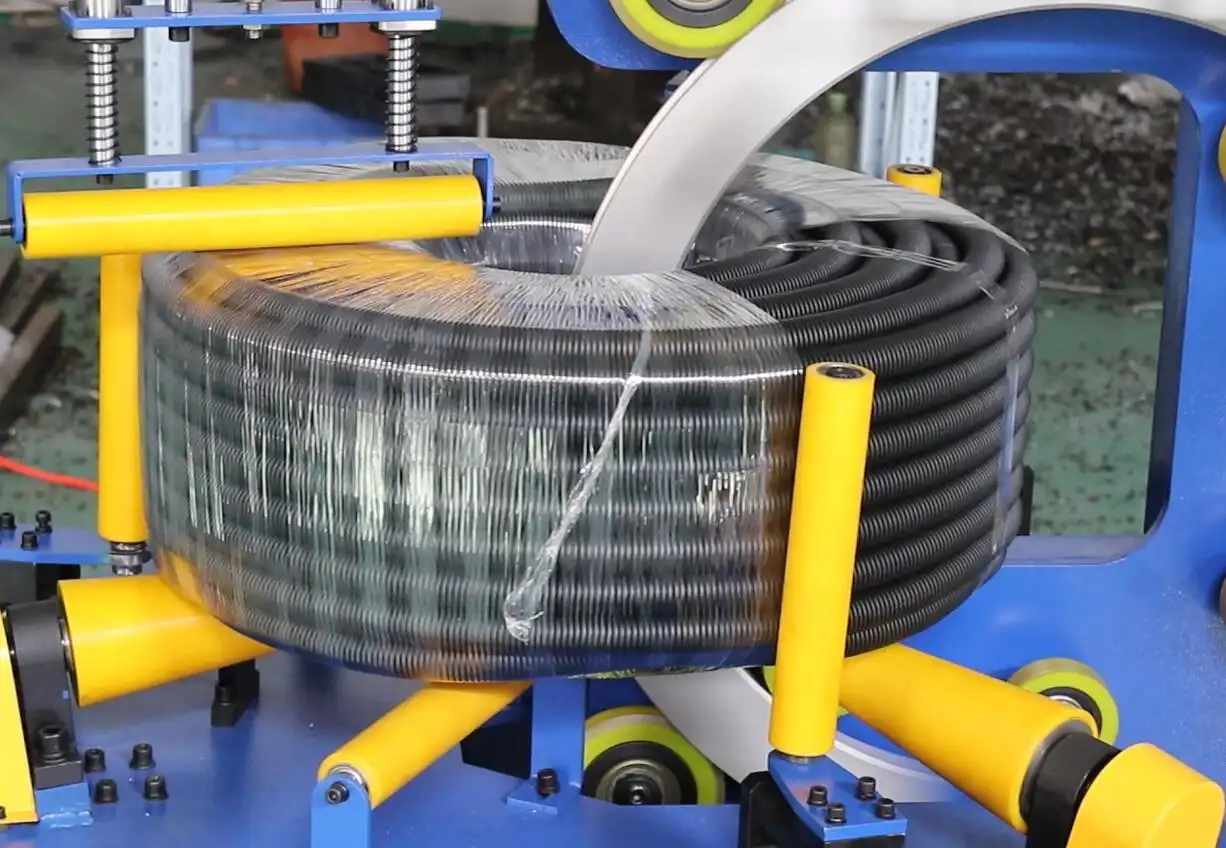
Predictive maintenance is not just about fixing machines; it's about transforming maintenance from a reactive cost center into a proactive value driver. Let's explore the key elements and benefits of implementing a predictive maintenance program for steel coil packing lines.
Dive Deeper: Unlocking Uptime with Data-Driven Maintenance
Implementing a successful predictive maintenance program requires a strategic approach that encompasses technology, data analysis, and organizational commitment. It's about shifting from reactive, time-based maintenance to a proactive, condition-based strategy.
1. Real-Time Monitoring and Data Acquisition
The foundation of predictive maintenance is the continuous collection of data from critical machine components. This involves:
- Sensor Deployment: Strategically place sensors to monitor key parameters such as:
- Vibration Sensors: Detect imbalances, bearing wear, and misalignment in motors and rotating parts.
- Temperature Sensors: Monitor motor and bearing temperatures to identify overheating issues.
- Current and Voltage Sensors: Track electrical parameters to detect motor inefficiencies or impending electrical failures.
- Pressure and Flow Sensors: Monitor hydraulic and pneumatic systems for leaks or performance degradation.
- Data Acquisition Systems: Implement robust data acquisition systems to collect, store, and transmit sensor data in real-time. Cloud-based platforms offer scalability and accessibility.
2. Data Analytics and Anomaly Detection
Raw data is only valuable when transformed into actionable insights. Advanced analytics play a crucial role:
- Baseline Establishment: Establish baseline performance data for each machine component under normal operating conditions.
- Anomaly Detection Algorithms: Utilize algorithms to automatically detect deviations from established baselines, indicating potential issues. AI and machine learning can enhance anomaly detection accuracy over time.
- Threshold Setting and Alert Systems: Define thresholds for critical parameters. Exceeding these thresholds triggers alerts, notifying maintenance personnel of potential problems.
- Trend Analysis and Predictive Modeling: Analyze historical data to identify trends and patterns that can predict future failures. Develop predictive models to estimate remaining useful life (RUL) of components.
3. Automated Maintenance Scheduling and Workflows
Predictive insights enable proactive maintenance scheduling and optimized workflows:
- Automated Work Order Generation: Alerts from anomaly detection systems automatically trigger work order generation within the maintenance management system (CMMS/EAM).
- Prioritization and Scheduling: Maintenance tasks are prioritized based on the severity of the predicted issue and potential impact on production. Scheduling is optimized to minimize disruption, often during planned downtime or off-peak hours.
- Parts and Resource Planning: Predictive insights enable proactive parts procurement and resource allocation, ensuring necessary components and personnel are available when needed.
4. Continuous Improvement and Feedback Loop
Predictive maintenance is an iterative process that improves over time with data and experience:
- Performance Monitoring and KPI Tracking: Track key performance indicators (KPIs) such as downtime reduction, maintenance cost savings, and equipment lifespan extension to measure program effectiveness.
- Feedback Loop and Algorithm Refinement: Analyze the accuracy of predictions and refine algorithms based on actual failure data. Continuously improve the predictive models and anomaly detection capabilities.
- Operator and Maintenance Team Collaboration: Foster collaboration between operators and maintenance teams to share insights, improve data quality, and optimize maintenance procedures.
By implementing these elements, steel manufacturers can transform their maintenance operations from reactive to predictive, achieving significant reductions in downtime, extending equipment life, and maximizing the ROI of their steel coil packing lines. The table below highlights the key components of a predictive maintenance program:
| Component | Description | Benefits |
|---|---|---|
| Real-Time Monitoring | Sensor deployment, data acquisition systems | Continuous data stream, early detection of anomalies |
| Data Analytics | Baseline establishment, anomaly detection, predictive modeling | Actionable insights, accurate predictions, optimized maintenance schedules |
| Automated Scheduling | Work order generation, prioritization, resource planning | Proactive maintenance, minimized disruption, efficient resource utilization |
| Continuous Improvement | KPI tracking, feedback loop, algorithm refinement, team collaboration | Program optimization, increased accuracy, sustained performance improvement |
Making Informed Decisions for Coil Packing Lines
Choosing a coil packing line is a significant investment. It's not just about buying equipment; it's about selecting a solution that aligns with your production goals, budget, and long-term vision. Making the right decision requires careful evaluation and a clear understanding of your needs.
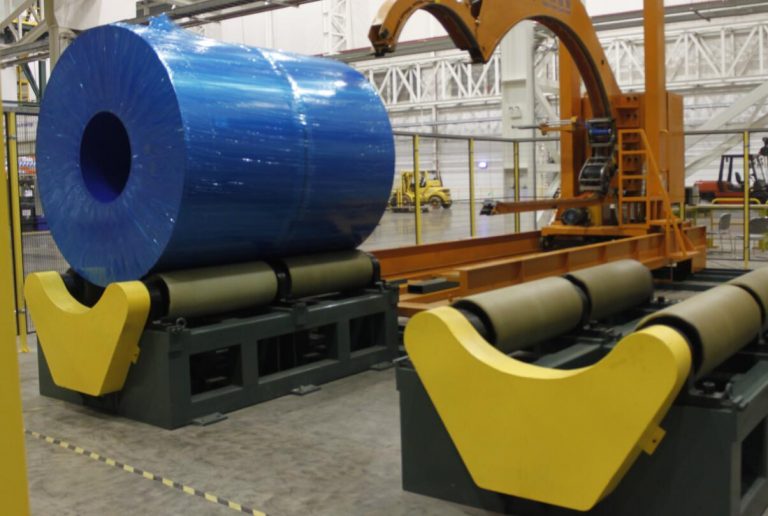
Selecting the best coil packing line requires evaluating key features such as versatility, efficiency, automation, and durability. Consider how well the line meets specific production needs, the manufacturer's reputation and experience, cost transparency and ROI, and after-sales service. A comprehensive assessment ensures a confident decision that supports current operations and future growth.
To make a truly informed decision, you need to go beyond brochures and sales pitches. You need to ask the right questions and delve into the critical aspects that will determine the long-term success of your investment. Here are key considerations to guide your evaluation:
1. Production Needs Alignment: Does the proposed coil packing line truly meet your specific production requirements? Consider these questions:
- Versatility: Can it handle the range of coil sizes, materials, and packaging types you process now and anticipate processing in the future?
- Efficiency and Throughput: Does its processing speed and efficiency align with your production volume targets and desired throughput rates?
- Automation Level: Does the level of automation offered match your operational goals and workforce capabilities?
- Customization: Does the manufacturer offer customization options to tailor the line to your unique layout and workflow?
2. Reliability and Reputation: Is the manufacturer a reliable partner with a proven track record? Look for:
- Experience: How long has the manufacturer been in the coil packing line industry? Do they have experience in your specific sector (steel, aluminum, etc.)?
- Industry Reputation: What is their reputation for quality, performance, and customer support? Seek testimonials and case studies.
- Certifications: Do they hold relevant industry certifications (ISO, CE, etc.) demonstrating their commitment to quality and safety?
3. Cost Transparency and ROI: Can the manufacturer provide clear and transparent cost breakdowns, and a realistic ROI analysis? Evaluate:
- Comprehensive Cost Analysis: Does their quote include all costs (equipment, installation, training, maintenance)? Are there any hidden fees?
- ROI Projections: Do they provide a clear ROI projection based on your operational data and the line's expected performance improvements?
- Long-Term Savings: Have they quantified potential long-term savings in labor, materials, downtime, and energy consumption?
4. After-Sales Service and Support: Does the manufacturer offer comprehensive after-sales service to ensure smooth operation and minimize downtime? Inquire about:
- Training: Do they provide thorough operator and maintenance training?
- Technical Support: Is 24/7 technical support available? What are their response times?
- Spare Parts Availability: Do they have a readily available spare parts inventory?
- Maintenance Plans: Do they offer preventative maintenance plans and extended warranties?
By diligently investigating these key areas, you can move beyond superficial comparisons and make a truly informed decision, selecting a coil packing line that will deliver lasting value and contribute to your long-term success.
Conclusion
The future of steel coil packaging is undeniably automated. Embracing innovation in packing line design, machine selection, and maintenance strategies is no longer optional but essential for steel manufacturers striving for peak efficiency and competitiveness. By strategically planning for automation, optimizing key equipment like wrapping machines, implementing predictive maintenance, and making informed decisions, businesses can transform their coil packing operations into streamlined, high-performance assets. Investing in [wire packing automation]() today is an investment in a more efficient, resilient, and profitable future.