
Applications of Steel Coil Packaging Lines in Manufacturing
Are you tired of wrestling with inefficient and labor-intensive steel coil packaging processes? Imagine a streamlined operation where coils are perfectly packaged, ready for transport, with minimal downtime and maximum safety. Steel coil packaging lines are revolutionizing manufacturing, offering cutting-edge solutions to boost productivity and protect your valuable products.
Steel coil packaging lines are automated systems designed to efficiently and securely package steel coils of various sizes and weights. They integrate multiple machines like wrapping machines, strapping machines, and stacking systems to streamline the packaging process, reduce manual labor, enhance product protection, and improve overall operational efficiency in manufacturing facilities.
Ready to discover how these advanced systems can transform your steel manufacturing process and give you a competitive edge? Keep reading to explore the world of steel coil packaging line applications and unlock the potential for optimization in your operations.
Why is Choosing the Right Manufacturer Important?
In the steel manufacturing sector, where heavy coils and demanding production schedules are the norm, the selection of a steel coil packaging line manufacturer is a decision that carries significant weight. It's not just about acquiring machinery; it's about forging a partnership that will directly impact your operational efficiency, product integrity, and long-term profitability.
Choosing the right steel coil packaging line manufacturer is paramount because it directly impacts the efficiency, safety, and productivity of your operations. A reputable manufacturer provides tailored solutions aligned with your specific needs, ensuring seamless integration, reliable performance, and comprehensive support. Their expertise translates to minimized downtime, optimized packaging quality, and a stronger return on investment, making them a crucial partner in achieving manufacturing excellence.
%[Steel Coil Packing Manufacturer]
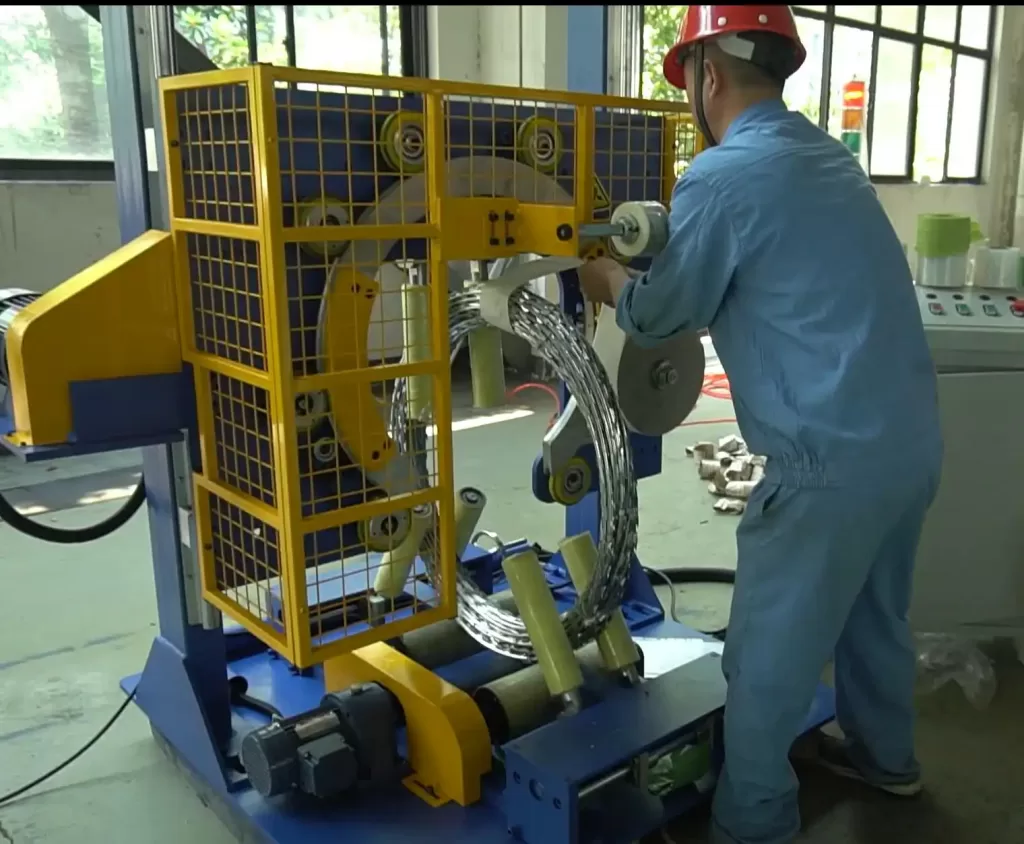
Assessing Manufacturer Capabilities
When evaluating potential steel coil packaging line manufacturers, a deep dive into their capabilities is essential. Beyond glossy brochures and compelling sales pitches, focus on tangible indicators of their expertise and suitability for your specific requirements.
Industry Experience and Specialization
A manufacturer's experience within the steel industry is a critical factor. Inquire about their history of serving steel manufacturers, the types of steel products they've handled, and their familiarity with industry-specific challenges and standards. Manufacturers with specialized expertise in steel coil handling are more likely to understand the nuances of your operation and deliver solutions tailored to your unique needs.
Customization and Engineering Prowess
Generic, one-size-fits-all solutions rarely deliver optimal results in the diverse landscape of steel manufacturing. Seek manufacturers who demonstrate a willingness and capability to customize their packaging lines. This includes assessing their in-house engineering capabilities, their use of advanced design tools, and their track record of developing bespoke solutions. A manufacturer who can adapt their technology to your specific coil sizes, production volumes, and layout constraints is invaluable.
After-Sales Support and Service
The relationship with your chosen manufacturer extends far beyond the initial purchase. Robust after-sales support is crucial for ensuring the long-term performance and reliability of your packaging line. Evaluate the manufacturer's service network, their responsiveness to technical inquiries, the availability of spare parts, and the scope of their maintenance and training programs. A manufacturer committed to providing comprehensive support minimizes downtime and maximizes the lifespan of your investment.
Cost vs. Quality: A Balanced Perspective
While budget considerations are always a factor, prioritizing the lowest initial cost can be a shortsighted approach. Focus on the overall value proposition, balancing the initial investment with the long-term benefits. Consider the total cost of ownership, factoring in equipment lifespan, maintenance requirements, operational efficiency gains, and the potential for reduced downtime. Investing in a higher-quality packaging line from a reputable manufacturer often translates to a greater return on investment over the long term.
| Factor | Description | Importance |
|---|---|---|
| Industry Experience | Knowledge in steel manufacturing, key for custom needs | High |
| Custom Solutions | Tailored options for unique challenges | Very High |
| After-Sales Support | Comprehensive training and troubleshooting | High |
| Cost vs. Quality | Balancing initial investment with long-term gains | Medium |
By meticulously evaluating these factors, you can make an informed decision and select a steel coil packaging line manufacturer who is not just a vendor, but a strategic partner in your pursuit of manufacturing excellence.
What Technologies Should You Consider?
Stepping into the realm of steel coil packaging line technologies can feel like entering a landscape of complex machinery and specialized jargon. However, understanding the core technologies and their respective benefits is crucial for making informed decisions and optimizing your packaging process. Modern steel coil packaging lines are built upon a foundation of innovative technologies designed to automate, streamline, and enhance every stage of the packaging operation.
When upgrading or implementing a steel coil packaging line, consider technologies that offer automation, flexibility, and reliability. Key technologies include coil wrapping machines for consistent packaging, pallet inverters for efficient logistics, and coil upenders for safe coil handling. These technologies work in concert to optimize performance, reduce costs, and future-proof your steel production processes.
%[Coil Wrapping Machines]
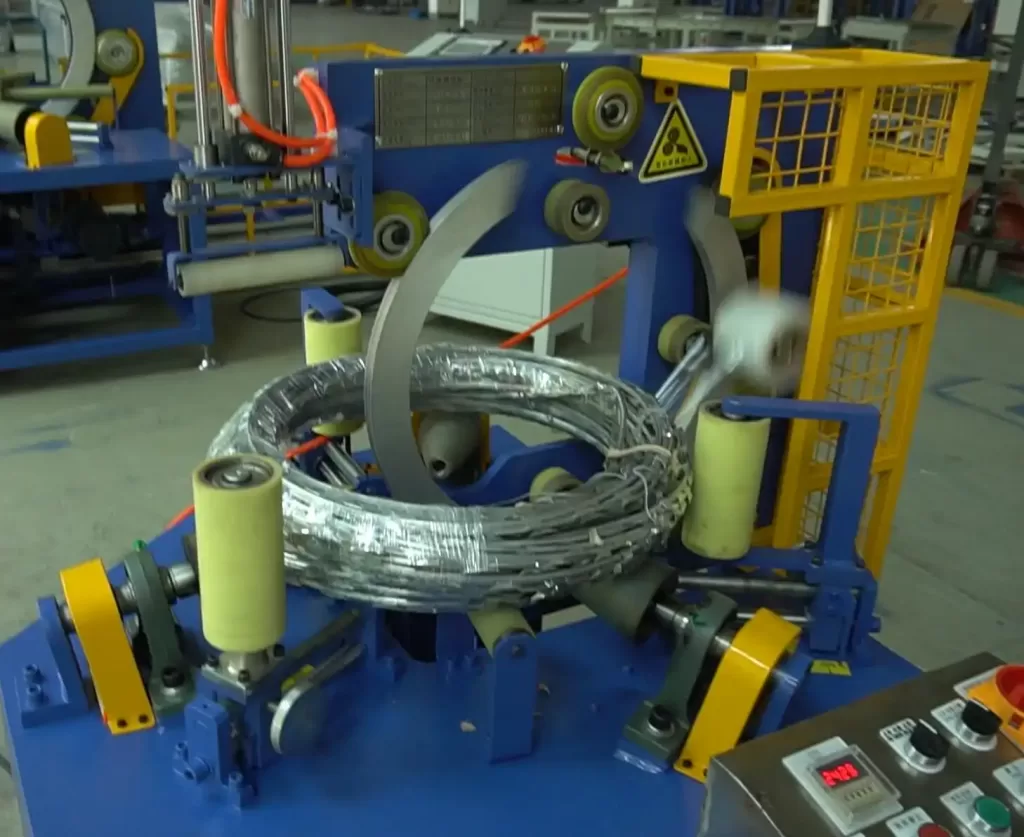
Exploring Essential Technologies in Steel Coil Packaging
To navigate the technological landscape effectively, let's delve into some of the core components that form the backbone of modern steel coil packaging lines.
Coil Wrapping Machines: The Foundation of Protection
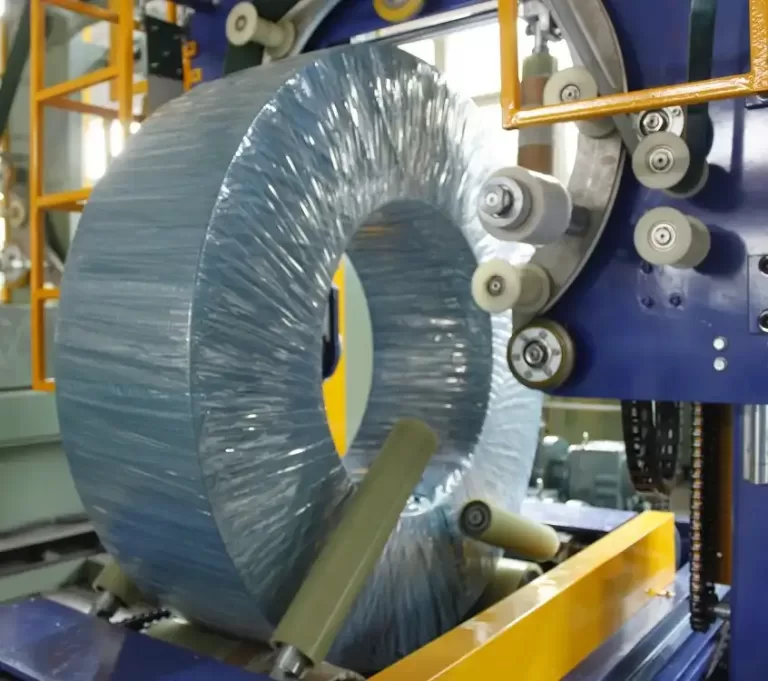
Coil wrapping machines are arguably the most fundamental technology in a steel coil packaging line. These machines apply protective wrapping materials, such as stretch film, paper, or VCI film, around the steel coils. Advanced coil wrapping machines offer a range of sophisticated features:
- Automated Material Dispensing and Cutting: Ensures precise and consistent material application, minimizing waste and labor.
- Adjustable Wrapping Tension and Overlap: Allows for customized wrapping parameters to suit different coil types and packaging requirements.
- Integrated Safety Features: Protect operators and prevent accidents during the wrapping process.
- High-Speed Operation: Maximizes throughput and keeps pace with demanding production schedules.
The benefits of automated coil wrapping machines are multifaceted:
- Enhanced Product Protection: Consistent and secure wrapping protects coils from moisture, dust, scratches, and handling damage during transport and storage.
- Reduced Material Costs: Precise material application minimizes waste and optimizes consumption of wrapping materials.
- Increased Efficiency: Automated operation significantly speeds up the wrapping process compared to manual methods.
- Improved Aesthetics: Uniform wrapping enhances the presentation of packaged coils, projecting a professional image.
Pallet Inverters: Streamlining Logistics and Handling
Pallet inverters, while not directly involved in the wrapping process, play a crucial role in optimizing logistics and material handling within a steel coil packaging line. These machines are designed to safely and efficiently invert pallets loaded with steel coils.
Key features and advantages of pallet inverters include:
- Safe and Controlled Inversion: Ensures coils are securely held during inversion, preventing damage and accidents.
- Versatile Coil Handling: Accommodates various coil sizes and pallet configurations.
- Improved Stacking and Destacking: Facilitates efficient stacking of coils for storage and destacking for further processing or shipment.
- Reduced Handling Damage: Minimizes the risk of damage associated with manual coil handling during pallet transfer.
- Optimized Space Utilization: Enables denser storage of coils by allowing for inverted stacking.
Pallet inverters are particularly valuable in facilities with high throughput and complex material flow, contributing to smoother logistics and reduced handling costs.
Coil Upenders: Ensuring Safe and Efficient Coil Handling
Coil upenders, also known as coil tilters, are essential for safely and efficiently changing the orientation of steel coils. These machines rotate coils from a horizontal to a vertical position, or vice versa, facilitating seamless integration with different stages of the packaging line or downstream processes.
Key features and benefits of coil upenders include:
- Robust and Heavy-Duty Design: Capable of handling the substantial weight of steel coils.
- Precise and Controlled Tilting: Ensures smooth and gradual coil rotation, preventing sudden movements and potential damage.
- Versatile Coil Size Accommodation: Adjustable designs can handle a range of coil diameters and widths.
- Enhanced Safety: Eliminates the risks associated with manual coil tilting, protecting operators and preventing accidents.
- Improved Workflow: Streamlines coil handling and facilitates efficient transitions between different processing stages.
Coil upenders are indispensable for creating a safe and ergonomic working environment while optimizing the flow of coils through the packaging line.
| Technology | Benefit | Feature |
|---|---|---|
| Coil Wrapping Machine | Cost reduction and efficiency | Consistency in packaging |
| Pallet Inverter | Better logistics management | Improved stacking and turnover |
| Coil Upender | Safety and operational flow | Versatile coil handling capabilities |
By carefully considering these core technologies and their respective advantages, manufacturers can design and implement steel coil packaging lines that are tailored to their specific needs, maximizing efficiency, safety, and product protection.
How Do Costs and ROI Impact Your Decision?
The decision to invest in a steel coil packaging line is a significant capital expenditure, and understanding the financial implications is paramount. While the initial cost may seem substantial, a comprehensive analysis of the return on investment (ROI) often reveals compelling long-term benefits that far outweigh the upfront expenses. A strategic approach to cost evaluation focuses not just on the purchase price but on the holistic financial impact of a packaging line on your manufacturing operation.
Investing in steel coil packaging technology requires careful consideration of costs and ROI. While initial costs may appear high, long-term savings from reduced labor, minimized material waste, and increased efficiency justify the investment. Analyzing maintenance, upkeep, and productivity improvements provides a complete picture of the financial benefits and ensures a strong return aligned with strategic business goals.
%[Pallet Inverters]
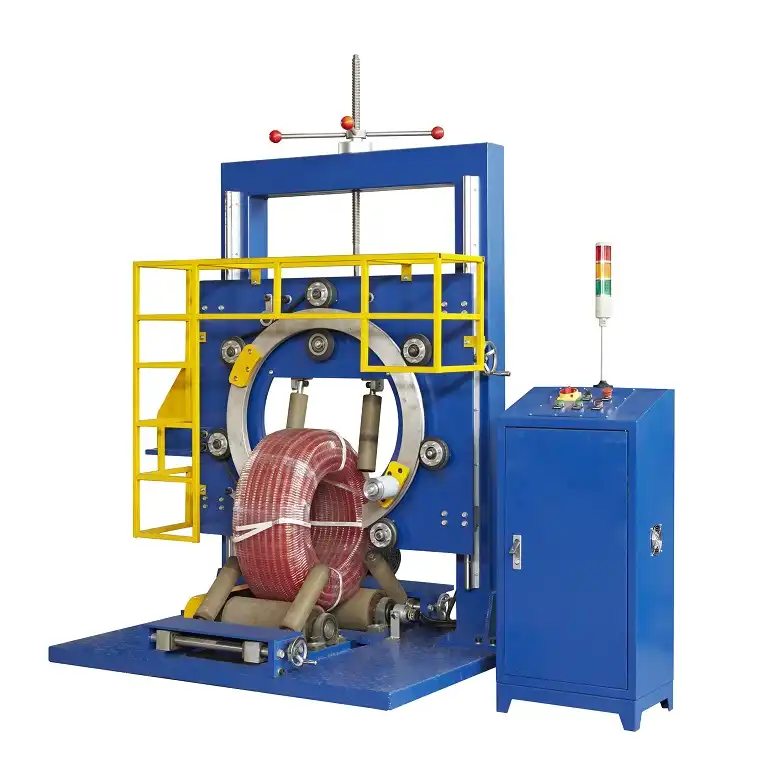
Evaluating the Financial Landscape: Costs and Returns
To make a sound investment decision, a detailed evaluation of both the costs and the potential returns is essential. This involves dissecting the various cost components and quantifying the tangible and intangible benefits that a steel coil packaging line can deliver.
Initial Costs vs. Long-Term Savings: The Investment Horizon
The initial cost of a steel coil packaging line encompasses the purchase price of the machinery, installation expenses, and any necessary system integration costs. While this upfront investment can be considerable, it's crucial to view it within the context of long-term savings.
Automated packaging lines significantly reduce labor requirements, leading to substantial savings in personnel costs over time. Furthermore, optimized material usage, minimized waste, and reduced product damage contribute to ongoing operational cost reductions. A thorough ROI analysis should project these long-term savings over the expected lifespan of the equipment, demonstrating the true financial value of the investment.
Maintenance and Upkeep: Planning for Longevity
Ongoing maintenance and upkeep are essential considerations in the cost equation. While modern steel coil packaging lines are designed for durability, regular maintenance is necessary to ensure optimal performance and prevent breakdowns. Factor in the costs of preventative maintenance schedules, spare parts, and potential repairs when evaluating different manufacturers and equipment options. Choosing reliable equipment from reputable manufacturers can minimize maintenance costs and maximize uptime, contributing to a stronger ROI.
Productivity Improvements: The Efficiency Multiplier
The most significant driver of ROI for steel coil packaging lines is often the dramatic improvement in productivity. Automated systems operate at significantly higher speeds and with greater consistency than manual packaging processes. This translates to increased throughput, allowing manufacturers to process more coils in less time and meet demanding production schedules. Quantify the potential productivity gains by analyzing current packaging rates, identifying bottlenecks, and projecting the throughput improvements achievable with an automated line. Increased productivity directly translates to higher revenue potential and a faster return on the initial investment.
| Consideration | Short-Term Impact | Long-Term Benefit |
|---|---|---|
| Initial Costs | High | Offset by labor savings |
| Maintenance & Upkeep | Requires budget planning | Minimizes downtime and repair costs |
| Productivity Improvements | Initial learning curve | Enhanced throughput and overall profitability |
By meticulously analyzing these cost and ROI factors, manufacturers can make informed decisions about investing in steel coil packaging lines. A comprehensive financial evaluation, focusing on long-term value and operational benefits, will illuminate the compelling ROI potential and justify the strategic investment in advanced packaging technology.
Case Study: Downtime Reduction in Steel Coil Packing
In the competitive landscape of steel manufacturing, even minor inefficiencies can have a significant impact on the bottom line. Bottlenecks in critical processes, such as coil packing, can lead to substantial downtime, reduced throughput, and increased operational costs. However, strategic implementation of custom-engineered solutions can transform these challenges into opportunities for significant improvement. This case study examines how a steel manufacturing facility tackled inefficiencies in its steel coil packing line, achieving a remarkable 30% reduction in downtime through targeted automation and innovation.
%[Steel Coil Packing Line Automation]
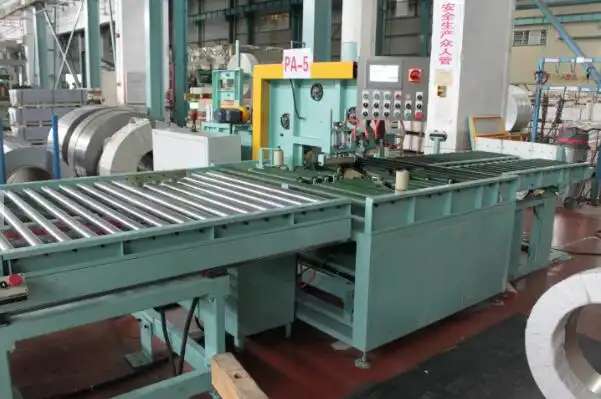
Addressing Bottlenecks and Achieving Operational Excellence
This case study highlights the journey of a steel manufacturing facility that faced significant challenges with its existing steel coil packing line. Manual handling inefficiencies, outdated equipment prone to breakdowns, and a lack of system integration were contributing to substantial downtime and hindering overall productivity. To address these issues, the facility embarked on a strategic optimization project, focusing on custom-engineered automation solutions.
Initial Challenges: Diagnosing the Downtime
The initial step involved a comprehensive diagnosis of the existing packing process to pinpoint the root causes of downtime. Data analysis revealed that manual interventions accounted for 45% of downtime incidents, followed by equipment malfunctions (35%), material handling issues (15%), and system integration gaps (5%). Manual handling inefficiencies and equipment unreliability emerged as the primary areas requiring attention.
Approach to Optimization: Custom Solutions and Process Mapping
Recognizing the limitations of off-the-shelf solutions, the facility opted for a phased implementation of custom automation. This approach began with detailed process mapping to identify specific bottlenecks and areas for improvement. Collaboration with specialized engineering experts was crucial in designing a bespoke system tailored to the facility's unique operational needs.
Key Innovations: Smart Technology and Equipment Upgrades
The custom-engineered solution incorporated several key innovations:
- Smart Sensor Technology: Real-time sensors were integrated to monitor coil alignment, dimensions, and wrapping parameters, enabling automatic adjustments and minimizing manual intervention.
- Equipment Upgrades for Reliability: Outdated machinery was replaced with modern, heavy-duty equipment designed for high reliability and minimal maintenance. This included automated guided vehicles (AGVs) for coil handling, fully automated wrapping and strapping systems, and smart conveyor systems.
- Robotic Systems for Error Reduction: Robotic systems were deployed to automate repetitive and physically demanding tasks such as coil handling, wrapping, and strapping, minimizing human error and improving consistency.
Impact of Transformation: Downtime Reduction and Productivity Surge
The transformation of the steel coil packing line yielded immediate and significant benefits. Downtime was reduced by 30%, leading to a substantial increase in throughput and a surge in productivity. Operational efficiency improved dramatically, and the workforce experienced a more focused and less stressful work environment.
| Downtime Category | Percentage Contribution (Initial) | Percentage Contribution (After Automation) | Reduction |
|---|---|---|---|
| Manual Intervention | 45% | 10% | 78% |
| Equipment Malfunctions | 35% | 5% | 86% |
| Material Handling Issues | 15% | 3% | 80% |
| System Integration Gaps | 5% | 2% | 60% |
| Total Downtime Reduction | 30% |
The Customization Advantage: Tailoring Success
The success of this project underscored the importance of customization in achieving optimal results. Generic automation solutions would likely have fallen short of addressing the specific challenges of the steel coil packing line. The tailored approach, focused on understanding the root causes of inefficiency and engineering bespoke solutions, proved to be the key to unlocking significant improvements and achieving operational excellence.
This case study demonstrates the transformative potential of targeted automation in steel coil packing. By embracing custom-engineered solutions and prioritizing innovation, steel manufacturers can overcome operational bottlenecks, reduce downtime, and achieve significant gains in productivity and efficiency.
The Future of Steel Coil Packaging Lines
The steel industry, like all manufacturing sectors, is in a state of constant evolution, driven by technological advancements, sustainability concerns, and increasing demands for efficiency and customization. Steel coil packaging lines are not immune to these forces, and the future promises even more sophisticated, integrated, and intelligent systems. As we look ahead, several key trends are poised to shape the next generation of steel coil packaging technology.
The future of steel coil packaging lines is heading towards greater automation, integration with Industry 4.0, and a focus on sustainability. Expect to see advancements in robotic handling, smart sensors, and data analytics driving efficiency and customization. Sustainable packaging materials and energy-efficient systems will become increasingly important, shaping the next generation of eco-conscious steel coil packaging solutions.
Emerging Trends Shaping the Future
To stay ahead of the curve, steel manufacturers need to be aware of the emerging trends that are likely to define the future of steel coil packaging lines.
Integration with Industry 4.0 and IoT
The convergence of Industry 4.0 principles and the Internet of Things (IoT) is transforming manufacturing, and steel coil packaging is no exception. Future packaging lines will be increasingly interconnected, data-driven, and integrated with broader manufacturing ecosystems. This includes:
- Smart Sensors and Predictive Maintenance: Extensive sensor networks will monitor equipment performance in real-time, enabling predictive maintenance and minimizing unplanned downtime.
- Data Analytics and Optimization: Data collected from packaging lines will be analyzed to identify patterns, optimize processes, and improve overall efficiency.
- Cloud Connectivity and Remote Monitoring: Packaging lines will be connected to cloud platforms, allowing for remote monitoring, diagnostics, and control, enhancing flexibility and responsiveness.
- Digital Twins and Simulation: Digital twins of packaging lines will be used for simulation, optimization, and virtual commissioning of new lines, reducing development time and improving performance.
Enhanced Robotics and Automation
Robotics and automation will continue to play an increasingly central role in steel coil packaging. Expect to see advancements in:
- Collaborative Robots (Cobots): Cobots will work alongside human operators, enhancing safety and flexibility in packaging operations.
- AI-Powered Robotics: Artificial intelligence (AI) will drive more sophisticated robotic systems capable of autonomous decision-making and adaptive handling of varying coil types and packaging requirements.
- Vision-Guided Robotics: Advanced vision systems will guide robots for precise coil handling, quality inspection, and packaging material application, further minimizing errors and improving efficiency.
Sustainability and Eco-Conscious Packaging
Sustainability is no longer a niche concern but a core imperative for all industries, including steel manufacturing. Future steel coil packaging lines will increasingly prioritize eco-friendly practices:
- Sustainable Packaging Materials: Shift towards recyclable, biodegradable, and bio-based packaging materials to reduce environmental impact.
- Optimized Material Usage: Advanced control systems will minimize material waste and optimize packaging material consumption.
- Energy-Efficient Systems: Packaging lines will be designed for energy efficiency, reducing power consumption and minimizing carbon footprint.
- Circular Economy Principles: Emphasis on designing packaging for reuse and recyclability, promoting circular economy principles within the steel industry.
By embracing these emerging trends, steel manufacturers can prepare for a future where steel coil packaging lines are not just efficient and productive, but also intelligent, sustainable, and seamlessly integrated into the digital manufacturing landscape.
Conclusion
Steel coil packaging lines are indispensable assets in modern steel manufacturing, streamlining operations, enhancing product protection, and boosting overall efficiency. Choosing the right manufacturer, understanding key technologies, and carefully evaluating ROI are crucial steps in optimizing your packaging processes. As the industry evolves, embracing advanced automation, Industry 4.0 integration, and sustainable practices will be key to unlocking even greater levels of efficiency and competitiveness. Investing in steel coil packing automation is not just a technological upgrade; it's a strategic move towards a more efficient, sustainable, and profitable future for steel manufacturing.