
Safety and Reliability in Steel Coil Packaging Lines
Are you overlooking a critical aspect of your steel manufacturing process that could be costing you time, money, and potentially, the safety of your workforce? Steel coil packaging lines, while essential for efficient output, present significant challenges in maintaining both safety and operational reliability. Ignoring these challenges is not an option when dealing with heavy, unwieldy steel coils.
Safety and reliability in steel coil packaging lines are paramount because they directly impact worker well-being, product integrity, and operational efficiency. A breakdown in safety protocols or equipment reliability can lead to severe injuries, product damage, costly downtime, and reputational harm. Prioritizing these aspects ensures a productive, safe, and cost-effective operation.
This article delves into the critical measures you can implement to bolster both the safety and reliability of your steel coil packaging lines, transforming potential hazards into streamlined, efficient operations.
Comprehensive Risk Assessments for Steel Coil Packaging
The cornerstone of any robust safety and reliability strategy in steel coil packaging begins with a comprehensive understanding of potential hazards. Without a detailed risk assessment, you're essentially navigating in the dark, increasing the likelihood of accidents and operational disruptions. Identifying and mitigating risks proactively is not just about compliance; it’s about creating a safer, more reliable, and ultimately more productive work environment.
Conducting a comprehensive risk assessment for steel coil packaging lines involves a systematic evaluation of all potential hazards across every stage of the process. This includes assessing risks associated with heavy lifting, machinery operation, material handling, and environmental factors. By meticulously identifying these potential dangers, businesses can develop targeted strategies to minimize risks, prevent accidents, and enhance the overall safety and reliability of their packaging operations.
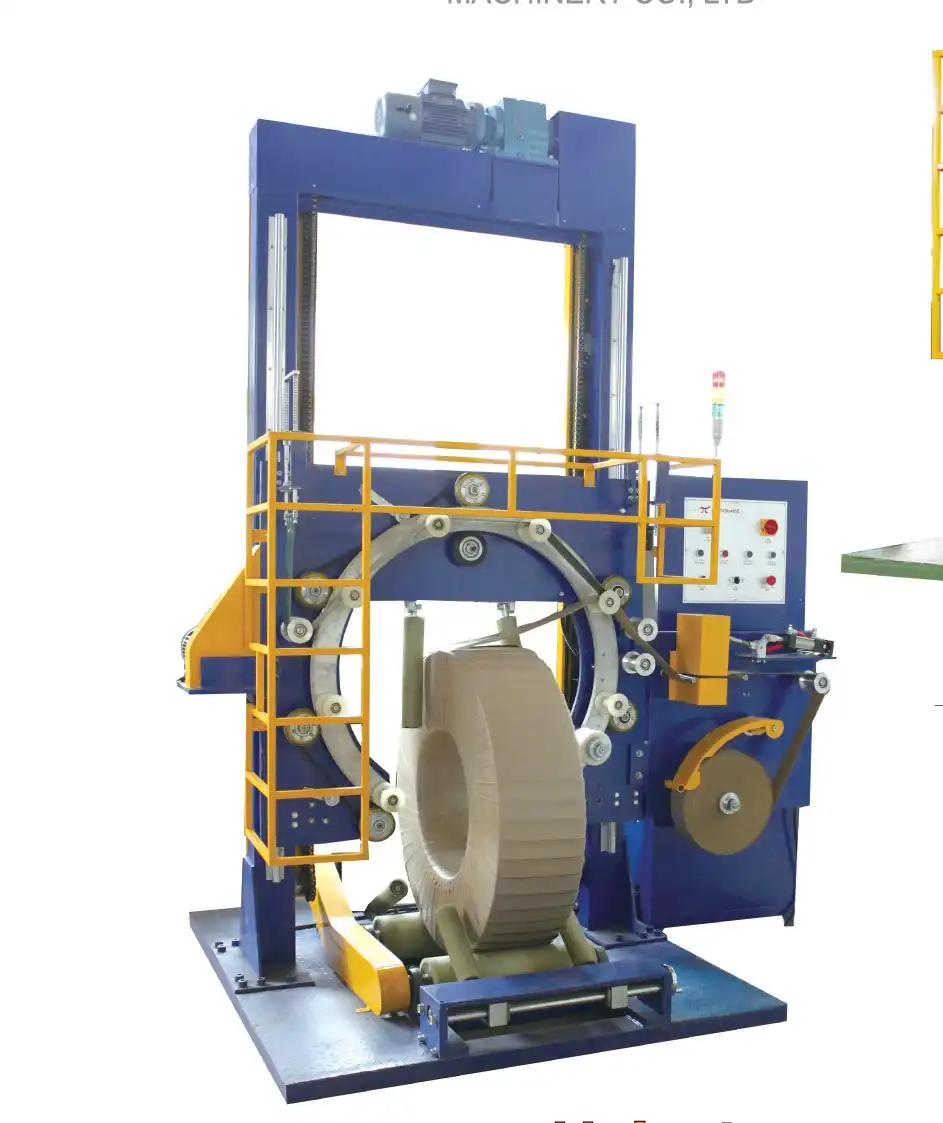
Diving Deeper into Risk Assessment Strategies
Effective risk assessment is not a one-time activity but an ongoing process that should be integrated into the operational DNA of any steel coil packaging facility. To truly understand and mitigate risks, it's crucial to break down the assessment into manageable components, focusing on equipment, environment, and human factors.
Equipment Evaluation: The First Line of Defense
The machinery within a steel coil packaging line, from coil wrapping machines to strapping tools and forklifts, are inherently powerful and potentially hazardous. A thorough equipment evaluation is essential and should include:
- Regular Inspections: Implement a schedule for routine inspections of all equipment. This includes checking for wear and tear, loose components, and any signs of malfunction. Use checklists to ensure consistency and completeness.
- Preventative Maintenance: Move beyond reactive repairs to proactive maintenance. Schedule regular servicing based on manufacturer recommendations and usage patterns. This minimizes unexpected breakdowns and extends equipment lifespan.
- Safety Feature Verification: Regularly test and verify the functionality of all safety features on machinery, such as emergency stop buttons, light curtains, and safety interlocks. Ensure these are not only present but also functioning correctly.
To illustrate the importance of preventative maintenance, consider the potential downtime costs associated with equipment failure. Industry data suggests that unplanned downtime in manufacturing can cost anywhere from \$50,000 to \$50 billion per year across various industries. While specific data for steel coil packaging lines is harder to isolate, the principle remains: prevention is significantly cheaper than cure.
| Factor | Reactive Maintenance | Preventative Maintenance | Predictive Maintenance |
|---|---|---|---|
| Approach | Fix it when it breaks | Regular scheduled servicing | Predict and prevent failures |
| Downtime | High, unplanned | Lower, planned | Lowest, data-driven planning |
| Cost | Higher repair costs, downtime | Lower long-term costs | Initial investment, long-term savings |
| Equipment Lifespan | Potentially shorter | Extended lifespan | Optimized lifespan |
| Safety | Higher risk of accidents | Reduced risk of accidents | Significantly reduced risk |
Environmental Factor Analysis: Setting the Stage for Safety
The physical environment of the packaging line plays a crucial role in safety and reliability. Overlooked environmental factors can contribute significantly to accidents and operational inefficiencies. Key considerations include:
- Workspace Layout: Optimize the layout to ensure clear pathways, sufficient space for movement of materials and personnel, and segregation of pedestrian and forklift traffic. Poor layouts can lead to congestion and increased accident risks.
- Lighting: Adequate lighting is non-negotiable. Poorly lit areas increase the risk of trips, falls, and machinery-related accidents. Conduct lux level measurements to ensure compliance with safety standards and adjust lighting as needed.
- Temperature and Ventilation: Extreme temperatures can affect both worker performance and equipment reliability. Ensure adequate ventilation and temperature control to maintain a comfortable and safe working environment. High humidity can also impact the integrity of packaging materials and machinery.
Human Factors in Risk Assessment: The Indispensable Element
Ultimately, humans operate and maintain steel coil packaging lines. Therefore, human factors are central to any risk assessment. This involves:
- Task Analysis: Break down each task within the packaging process to identify potential ergonomic risks, such as heavy lifting, repetitive motions, and awkward postures. Ergonomic assessments can pinpoint areas where changes can reduce strain and injury.
- Training and Competency: Assess the training levels and competency of personnel. Are workers adequately trained on equipment operation, safety procedures, and emergency protocols? Inadequate training is a major contributor to workplace accidents.
- Communication and Procedures: Evaluate the effectiveness of communication channels and the clarity of safety procedures. Are safety protocols easily accessible, understood, and consistently followed? Ambiguous procedures can lead to errors and unsafe practices.
By meticulously addressing equipment, environmental, and human factors in risk assessments, businesses can create a safer and more reliable steel coil packaging operation. This comprehensive approach not only reduces the likelihood of accidents and injuries but also improves overall productivity and minimizes costly disruptions.
Implementing Automated Packaging Systems for Enhanced Safety
Manual handling of steel coils is inherently risky. The sheer weight and awkward shapes of these materials pose significant ergonomic hazards and increase the potential for accidents. Automated packaging systems offer a transformative solution, not just for boosting efficiency, but fundamentally for enhancing safety and reliability in steel coil packaging operations. By minimizing human interaction with heavy coils, automation directly reduces the risk of injury and ensures more consistent and reliable packaging.
Automated packaging systems significantly enhance safety and reliability in steel coil handling by reducing manual intervention, ensuring consistent packaging quality, and incorporating advanced safety features. These systems minimize the risk of worker injury, decrease product damage during handling and transport, and improve overall operational efficiency through streamlined and predictable processes.
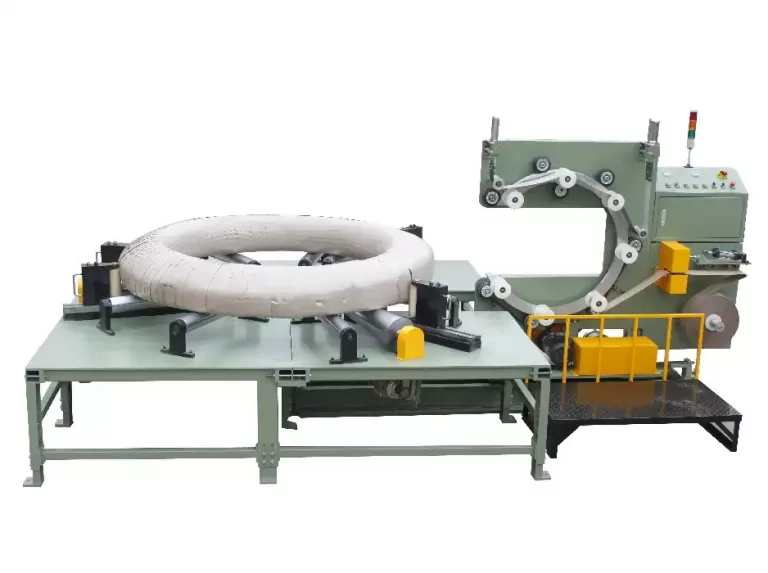
Exploring the Advantages of Automation in Detail
The benefits of automating steel coil packaging lines extend far beyond just speed and throughput. The core advantages center around creating a safer, more reliable, and ultimately more sustainable operation.
Reduced Manual Handling: Minimizing Human Risk
The most immediate safety benefit of automation is the drastic reduction in manual handling of steel coils. Traditional manual packaging processes often require workers to be in close proximity to heavy coils, performing tasks that involve:
- Lifting and Moving: Manually lifting or guiding coils, even with lifting aids, places significant strain on workers and increases the risk of musculoskeletal injuries.
- Strapping and Wrapping: Manually applying straps or wrapping film around coils can be awkward and dangerous, especially when dealing with large or unstable loads.
- Material Handling: Moving coils between stations using manual or semi-manual methods increases the risk of collisions, dropped loads, and pinch points.
Automated systems, on the other hand, utilize robots, conveyors, and specialized machinery to handle these tasks with minimal human intervention. This dramatically reduces the exposure of workers to hazardous situations and minimizes the risk of injury. Musculoskeletal disorders (MSDs), often resulting from manual handling, are a leading cause of workplace injuries in many industries. By automating coil packaging, businesses can proactively address this major safety concern.
Consistent and Secure Packaging: Ensuring Product Integrity
Reliability in packaging is not just about speed; it's about consistency and security. Manual packaging processes are prone to variability due to human factors such as fatigue, inconsistent technique, and simple errors. Automated systems excel in delivering consistent and secure packaging every time.
- Precise Wrapping and Strapping: Automated machines apply wrapping film and straps with precise tension and overlap, ensuring uniform and secure packaging across all coils. This reduces the risk of loose packaging, which can lead to product damage during transport and storage.
- Standardized Procedures: Automation enforces standardized packaging procedures, eliminating variations that can occur with manual processes. This consistency improves product protection and enhances the professional appearance of packaged coils.
- Reduced Damage: Secure and consistent packaging minimizes the risk of coils shifting, unwrapping, or becoming damaged during handling and transportation. This protects product integrity and reduces costly rework or replacements.
Enhanced Machine Safety Features: Built-in Protection
Modern automated packaging systems are designed with advanced safety features integrated directly into the machinery. These features provide layers of protection that are often difficult or impossible to replicate in manual or semi-manual systems.
- Emergency Stop Systems: Readily accessible emergency stop buttons and cords allow workers to quickly halt operations in case of an emergency.
- Safety Sensors and Light Curtains: Sensors and light curtains create safety zones around machinery. If a worker enters a hazardous area, the system automatically stops, preventing potential collisions or entrapment.
- Fail-Safe Mechanisms: Automated systems often incorporate fail-safe mechanisms that prevent accidents in case of equipment malfunction. For example, overload protection systems can prevent machinery from attempting to lift loads beyond their capacity.
- Remote Monitoring and Diagnostics: Advanced systems can be monitored remotely, allowing for early detection of potential issues and facilitating faster troubleshooting and maintenance.
By investing in automated packaging systems, steel manufacturers not only improve efficiency and reduce labor costs, but more importantly, they create a significantly safer and more reliable working environment. The reduction in manual handling, coupled with consistent packaging and advanced safety features, makes automation a compelling solution for modern steel coil packaging operations.
Proper Storage and Transportation Practices for Steel Coils
Packaging is only one part of the journey for steel coils. Once packaged, coils need to be stored safely and transported without damage or risk. Neglecting proper storage and transportation practices can negate the benefits of even the most robust packaging, leading to product damage, safety hazards, and logistical nightmares. Safety and reliability must extend beyond the packaging line to encompass the entire supply chain.
Proper storage and transportation practices are crucial for maintaining the safety and integrity of steel coils after packaging. This involves using appropriate storage racks, ensuring secure loading and fastening during transportation, and implementing routine inspections of equipment and storage areas. These measures prevent accidents, minimize product damage, and ensure that coils reach their destination in optimal condition.
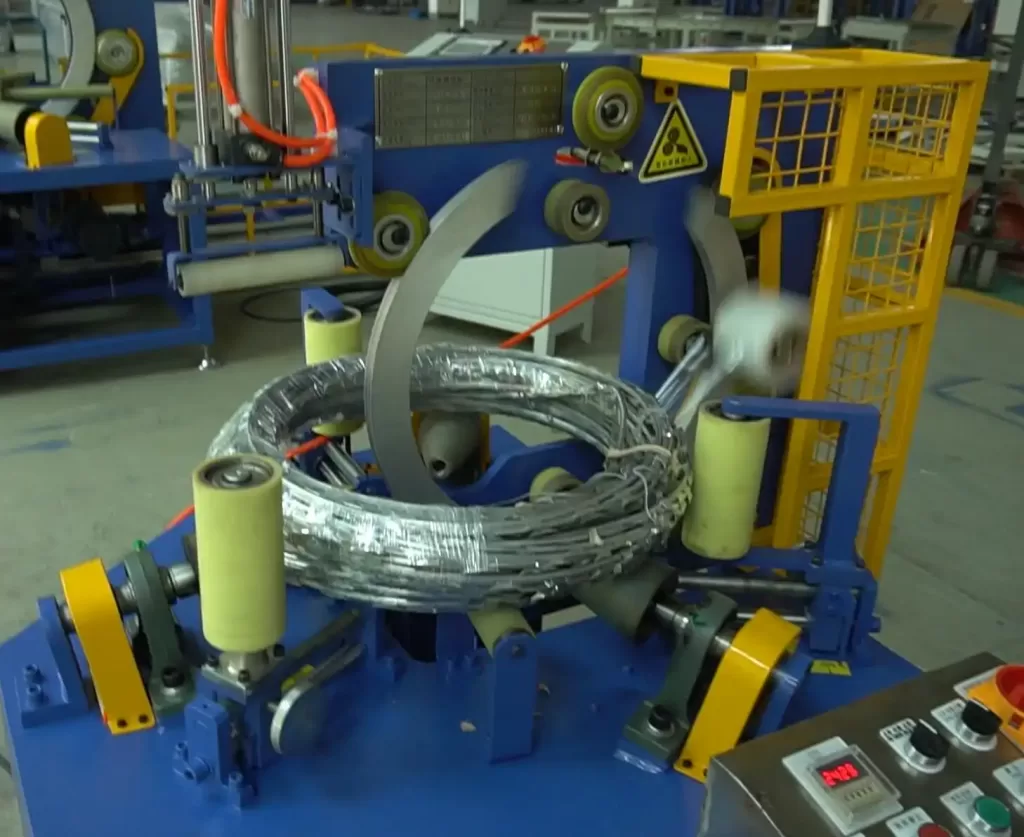
- Optimizing Coil Handling in Storage and Transit
Safe and reliable storage and transportation of steel coils require a multi-faceted approach, focusing on infrastructure, procedures, and ongoing vigilance.
Utilizing Appropriate Storage Infrastructure: Building a Solid Foundation
The foundation of safe steel coil storage lies in using the correct infrastructure. Improper storage methods can lead to coil damage, instability, and significant safety risks.
- Engineered Storage Racks: Invest in storage racks specifically designed for steel coils. These racks should be engineered to handle the weight and dimensions of the coils being stored and should comply with relevant safety standards. Avoid makeshift or inadequate racking systems.
- Rack Inspection and Maintenance: Storage racks are subject to wear and tear, especially under heavy loads. Implement a regular inspection schedule to check for damage, corrosion, or deformation. Promptly repair or replace any damaged rack components.
- Level and Stable Surfaces: Ensure that storage areas have level and stable surfaces. Uneven or sloping floors can compromise rack stability and increase the risk of coils rolling or collapsing.
- Clearance and Access: Maintain adequate clearance around storage racks for safe forklift operation and personnel movement. Clearly marked aisles and pathways are essential for safe navigation.
Securing Coils for Transportation: Ensuring Safe Transit
Transportation is a critical phase where steel coils are vulnerable to shifting, damage, and potential accidents. Proper securing methods are paramount for safe transit, whether within a facility or over long distances.
- Specialized Coil Transport Systems: Utilize specialized coil transport systems, such as coil saddles, cradles, and V-racks, designed to securely hold coils during transportation. These systems minimize movement and prevent coils from rolling or shifting.
- Strapping and Securing Techniques: Employ robust strapping techniques using steel or high-strength polyester straps to securely fasten coils to transport vehicles or pallets. Ensure straps are properly tensioned and applied according to industry best practices.
- Load Distribution: Distribute coil loads evenly across transport vehicles or pallets to maintain stability and prevent overloading. Uneven load distribution can compromise vehicle handling and increase the risk of accidents.
- Pre-Trip Inspections: Conduct thorough pre-trip inspections of loaded vehicles to verify that coils are securely fastened and loads are properly distributed. Address any issues before commencing transportation.
Routine Inspections and Vigilance: Maintaining Ongoing Safety
Safety and reliability in storage and transportation are not achieved through one-time measures but through continuous vigilance and proactive maintenance.
- Regular Equipment Inspections: Extend routine inspections to all equipment used in storage and transportation, including forklifts, cranes, and transport vehicles. Check for mechanical issues, brake function, tire condition, and overall roadworthiness.
- Storage Area Audits: Conduct periodic audits of storage areas to ensure racks are in good condition, coils are properly stored, and safety protocols are being followed. Address any deviations or unsafe practices promptly.
- Driver and Operator Training: Ensure that forklift operators and transport vehicle drivers are properly trained in safe coil handling, loading, securing, and transportation procedures. Regular refresher training is essential to reinforce best practices.
- Emergency Preparedness: Develop and practice emergency response plans for potential incidents during storage or transportation, such as coil rollovers, load shifts, or transportation accidents. Ensure that personnel are trained on emergency procedures and equipment is readily available.
By implementing these comprehensive storage and transportation practices, steel manufacturers and distributors can significantly reduce the risks associated with handling heavy steel coils. This proactive approach protects workers, safeguards product integrity, and ensures a more reliable and efficient supply chain.
Emphasizing Personal Protective Equipment (PPE) for Coil Packaging Safety
While automation and robust procedures are crucial, the human element remains integral to steel coil packaging lines. Personal Protective Equipment (PPE) serves as the last line of defense, protecting workers from hazards that cannot be entirely eliminated through engineering controls or process changes. Consistently emphasizing and enforcing PPE usage is not just a regulatory requirement; it’s a moral imperative and a key component of a comprehensive safety strategy.
Personal Protective Equipment (PPE) is essential for mitigating risks in steel coil packaging, even in automated environments. Providing and mandating the use of appropriate PPE, including hard hats, safety gloves, steel-toed boots, and protective eyewear, safeguards workers from potential injuries related to coil handling, machinery operation, and environmental hazards. Regular inspection and proper maintenance of PPE are crucial to ensure its effectiveness and worker safety.
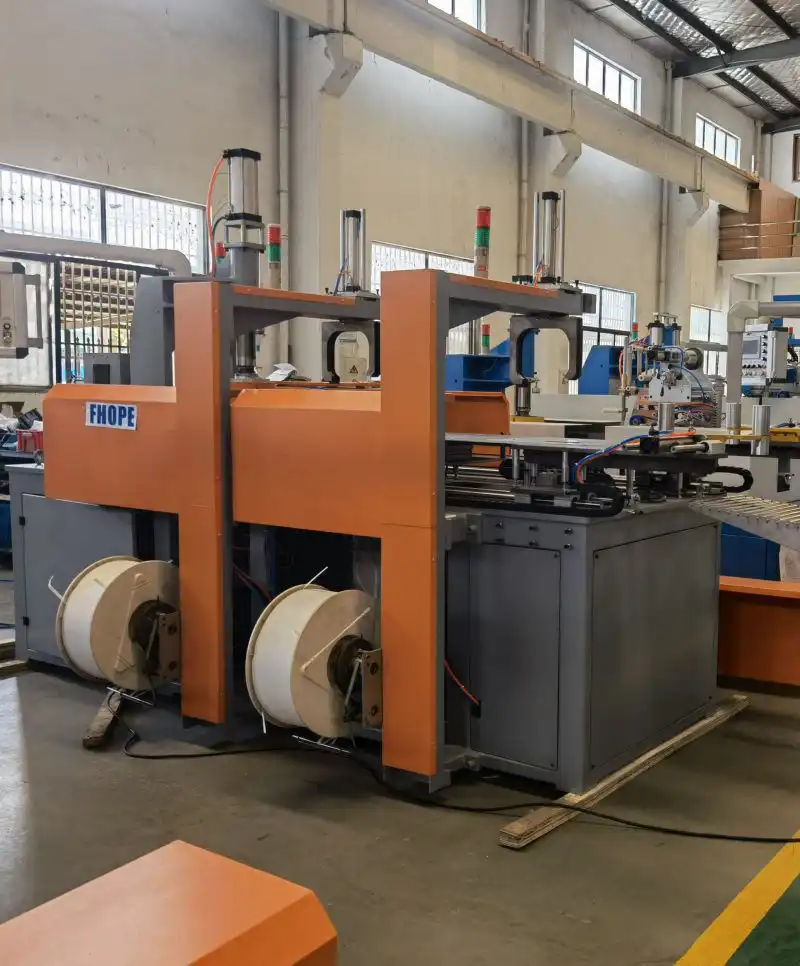
- The Indispensable Role of PPE in a Multi-Layered Safety Approach
PPE is not a substitute for safe work practices or engineering controls, but rather a critical supplement, forming a vital layer in a comprehensive safety strategy for steel coil packaging lines.
Selecting Appropriate PPE for Packaging Tasks: Tailoring Protection to Hazards
The effectiveness of PPE hinges on selecting the right equipment for the specific hazards present in steel coil packaging. A generic approach is insufficient; PPE must be task-appropriate and provide adequate protection against identified risks.
- Head Protection: Hard hats are mandatory in steel coil packaging areas to protect against falling objects, impacts, and head injuries. Ensure hard hats are properly fitted and meet relevant safety standards (e.g., ANSI Z89.1 in the US, EN 397 in Europe).
- Hand Protection: Safety gloves are essential to protect hands from cuts, abrasions, punctures, and impacts when handling steel coils, straps, and packaging materials. Select gloves made of cut-resistant materials and appropriate for the specific tasks being performed. Consider gloves with enhanced grip for better coil handling.
- Foot Protection: Steel-toed boots are crucial for protecting feet from heavy falling objects, compression hazards, and punctures. Ensure boots meet safety standards (e.g., ASTM F2413 in the US, EN ISO 20345 in Europe) and provide adequate ankle support.
- Eye Protection: Protective eyewear, such as safety glasses or goggles, is necessary to shield eyes from dust, debris, and potential impacts. Choose eyewear that meets impact resistance standards (e.g., ANSI Z87.1 in the US, EN 166 in Europe) and provides adequate coverage.
- Body Protection: Depending on the specific tasks and hazards, consider providing additional body protection such as high-visibility vests (especially in areas with forklift traffic), aprons, or protective sleeves. Flame-resistant clothing may be necessary in certain environments.
- Hearing Protection: In areas with high noise levels from machinery, provide and mandate the use of hearing protection, such as earplugs or earmuffs, to prevent noise-induced hearing loss. Conduct noise level assessments to determine appropriate hearing protection requirements.
- Respiratory Protection: While less common in typical coil packaging, respiratory protection may be necessary in environments with dust, fumes, or other airborne contaminants. Assess air quality and provide respirators if needed.
Ergonomic Considerations in PPE: Comfort and Functionality
PPE should not only protect workers but also be comfortable and allow for freedom of movement. Poorly designed or ill-fitting PPE can be uncomfortable, cumbersome, and may even increase safety risks if workers are tempted to remove it or wear it improperly.
- Ergonomic Design: Choose PPE that is ergonomically designed to minimize strain and discomfort. Look for gloves with good dexterity, boots that provide support without being too heavy, and hard hats that are lightweight and adjustable.
- Proper Fit: Ensure that PPE is properly fitted to each worker. Ill-fitting PPE is less effective and can be uncomfortable or even hazardous. Provide a range of sizes and ensure workers are trained on how to properly adjust and wear their PPE.
- Breathability and Ventilation: In hot or humid environments, choose PPE made of breathable materials and with ventilation features to minimize heat stress and discomfort.
Regular PPE Inspections and Maintenance: Ensuring Continued Protection
PPE is not a one-time investment; it requires ongoing inspection, maintenance, and replacement to ensure continued effectiveness. Worn-out or damaged PPE can provide a false sense of security and fail to protect workers in case of an accident.
- Pre-Use Inspections: Train workers to conduct pre-use inspections of their PPE before each shift or task. This includes checking for damage, wear and tear, and proper functionality.
- Regular Inspections by Supervisors: Supervisors should conduct regular inspections of PPE to ensure it is in good condition, being used correctly, and replaced when necessary.
- Cleaning and Maintenance: Establish procedures for cleaning and maintaining PPE according to manufacturer recommendations. Proper cleaning extends the lifespan of PPE and ensures hygiene.
- Replacement Procedures: Develop clear procedures for replacing damaged or worn-out PPE. Ensure that replacements are readily available and workers know how to request new equipment.
- Record Keeping: Maintain records of PPE inspections, maintenance, and replacements. This documentation helps track PPE usage, identify trends, and ensure compliance with safety regulations.
By prioritizing PPE, providing appropriate equipment, and enforcing consistent usage, businesses can significantly enhance worker safety in steel coil packaging lines. PPE, when integrated into a comprehensive safety program, is an indispensable element in creating a safe and reliable working environment.
Conclusion
Prioritizing safety and reliability in steel coil packaging lines is not merely a matter of compliance—it's a fundamental business imperative. By implementing comprehensive risk assessments, embracing automated systems, enforcing rigorous storage and transportation protocols, and emphasizing the consistent use of PPE, businesses can cultivate a safer, more efficient, and more profitable operation. Investing in these critical areas not only protects your most valuable asset—your workforce—but also ensures product integrity, minimizes costly downtime, and enhances your overall competitiveness in the demanding steel industry. Embracing wire packing automation and robust safety measures is the pathway to sustained success and operational excellence.