
Innovative Packaging Materials for Steel Coils
Are you tired of steel coils arriving at their destination rusted, damaged, and devalued? The nightmare of corrosion and physical damage during shipping and storage is a costly reality for steel manufacturers. But what if innovative packaging materials could virtually eliminate these risks, ensuring your steel coils arrive in pristine condition, every time?
Innovative packaging materials for steel coils are revolutionizing the industry by offering superior protection against corrosion, physical damage, and environmental factors. These advanced solutions, including Vapor Corrosion Inhibitors (VCI) films, recycled paperboard edge protectors, and automated stretch wrapping, ensure steel coils maintain their integrity from production to end-use.
The journey of steel coils from manufacturing to the customer is fraught with peril. Environmental exposure, mechanical handling, and the simple passage of time can all take their toll. Read on to explore the cutting-edge packaging innovations that are safeguarding steel coils and transforming industry best practices.
Advanced Corrosion Protection with VCI Films
The relentless threat of corrosion is a primary concern for steel coil manufacturers. Traditional methods often fall short, leaving coils vulnerable to rust and degradation. But imagine packaging that actively fights corrosion at a molecular level.
Vapor Corrosion Inhibitor (VCI) films represent a significant advancement in steel coil protection. These films release non-toxic inhibitors that create a protective layer on the metal surface, preventing rust and corrosion even in harsh environments. They are transparent for easy inspection and can be formulated for ferrous, non-ferrous, and multimetal applications.
ZERUST® ICT® Coil Covers exemplify this technology. These covers, combined with VCI stretch film, provide comprehensive protection. The VCI molecules diffuse and settle on the steel, creating an invisible barrier against moisture and pollutants. This proactive approach minimizes corrosion, reduces the need for rust-preventative oils, and ensures coils are ready for immediate processing upon unpacking.
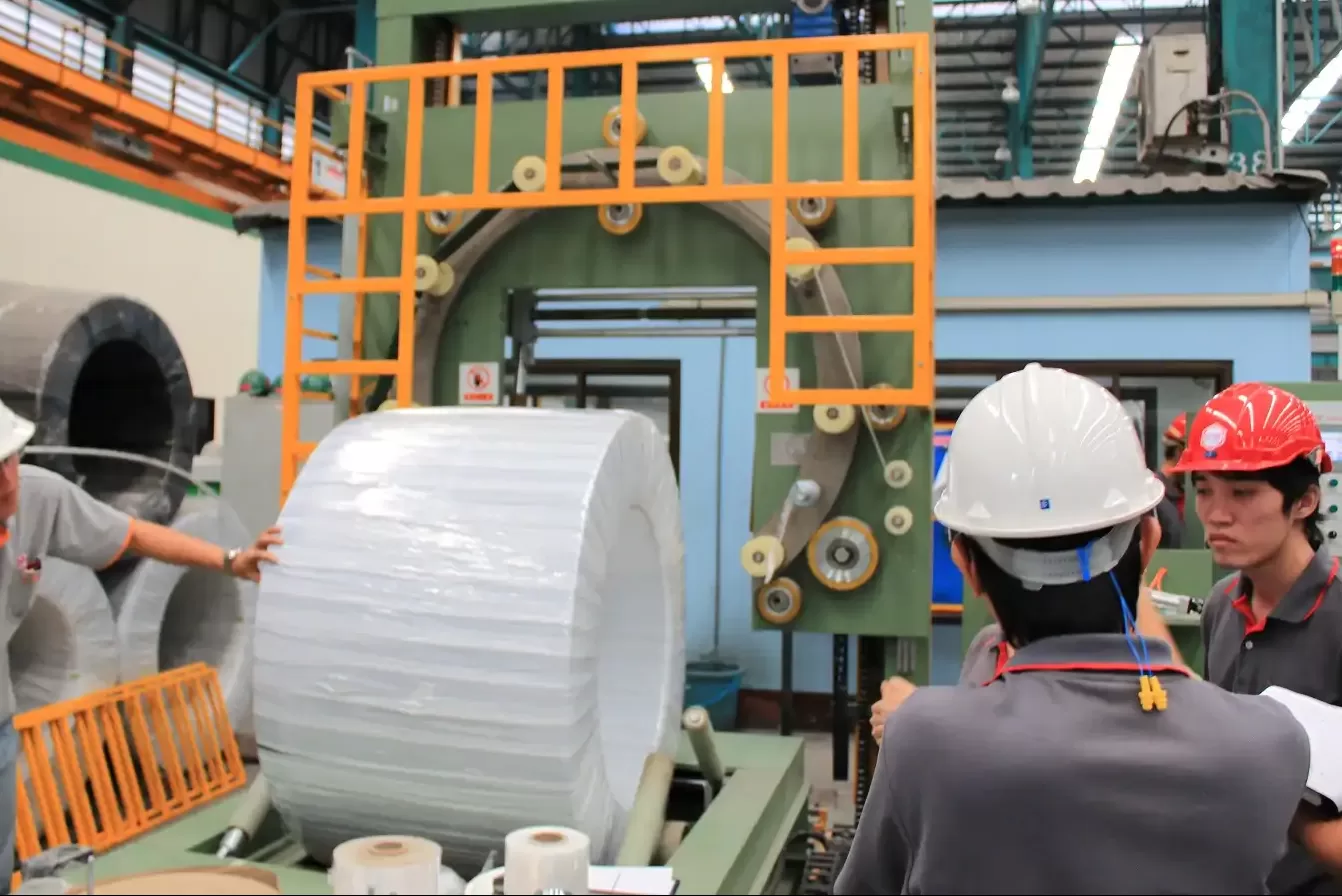
Delving Deeper into VCI Technology
VCI films are not merely passive barriers; they are active participants in corrosion prevention. To truly appreciate their innovation, it's crucial to understand the science behind them and compare them to traditional methods.
The Science of Vapor Corrosion Inhibitors
VCI technology hinges on the release of specialized chemical compounds that volatilize and travel through the packaging environment. These compounds, carried by air, deposit themselves on the surface of the steel coil. The VCI molecules then interact with the metal surface at a microscopic level, forming a thin, protective layer. This layer inhibits the electrochemical reactions that lead to rust and corrosion by:
- Passivation: Creating a passive layer on the metal surface, making it less reactive to corrosive elements like oxygen and moisture.
- Neutralization: Neutralizing corrosive agents that might penetrate the packaging.
- Barrier Formation: Establishing a molecular barrier against humidity, salts, and pollutants.
This process is dynamic and self-healing. If the VCI layer is disturbed, the continuous release of inhibitor molecules ensures the protection is quickly restored. Importantly, VCI films are designed to be non-toxic, odorless, and leave no residue on the steel, ensuring hassle-free further processing.
VCI Films vs. Traditional Corrosion Protection Methods
| Feature | VCI Films | Traditional Rust-Preventative Oils |
|---|---|---|
| Corrosion Prevention | Active, molecular-level protection | Passive barrier |
| Application | Integrated into packaging film | Applied directly to the metal surface |
| Cleanliness | Clean, dry protection, no residue | Oily residue, requires cleaning |
| Environmental Impact | Reduced use of oils, recyclable options | Potential VOC emissions, disposal issues |
| Visibility & Inspection | Transparent films allow easy inspection | Opaque, hinders inspection |
| Labor & Cost | Efficient, integrated packaging solution | Labor-intensive application & removal |
| Longevity | Long-term protection during storage & transit | Can degrade or wash off |
As the table illustrates, VCI films offer a compelling advantage over traditional rust-preventative oils. They provide superior, cleaner, and more efficient corrosion protection while aligning with modern environmental concerns. The move towards VCI technology reflects a broader industry shift towards proactive and sustainable solutions.
Automated Stretch Film Wrapping for Enhanced Efficiency
Beyond material innovation, advancements in packaging machinery are playing a critical role in optimizing steel coil protection. Automated stretch film wrapping systems are transforming packaging operations, boosting throughput and ensuring consistent, high-quality results.
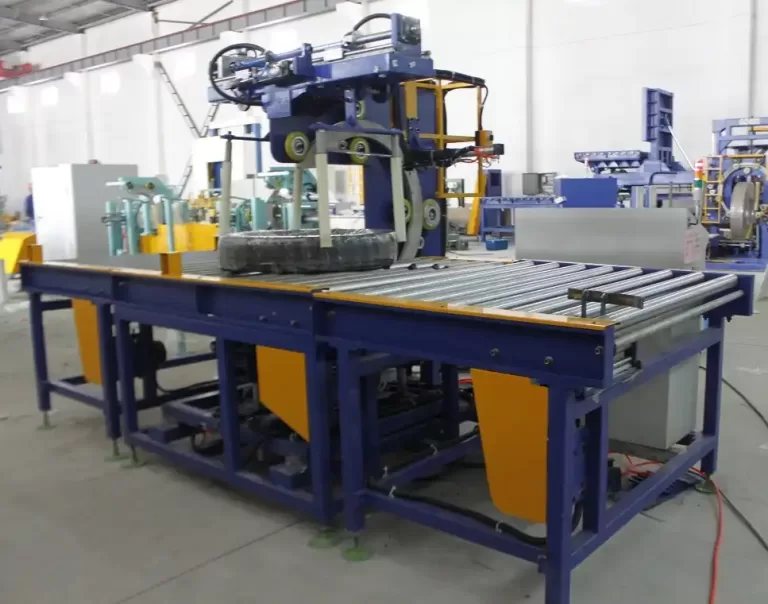
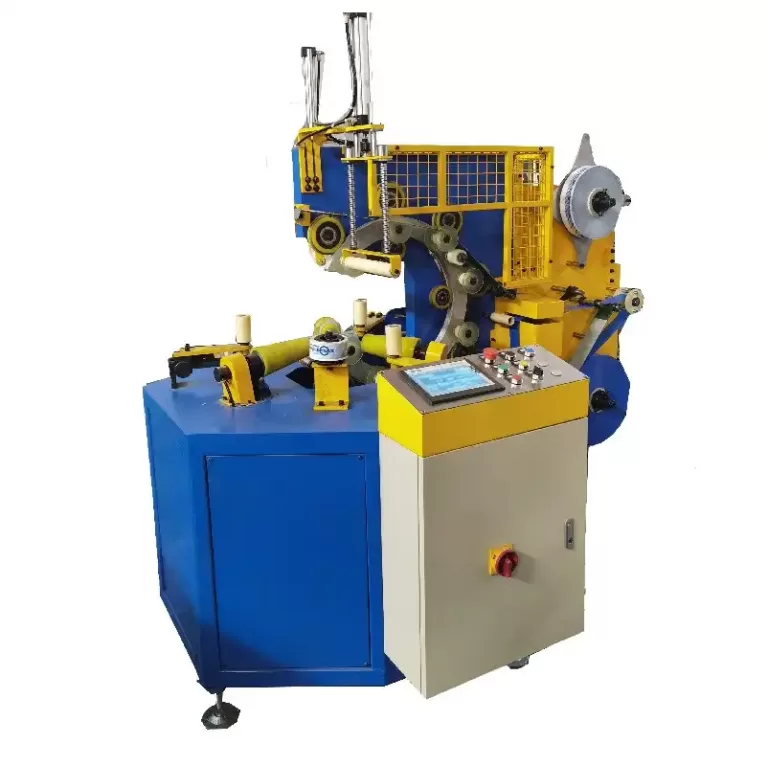
Automated stretch film wrapping machines, like MultiWrapper and PushWrapper, offer a significant leap in efficiency and consistency for steel coil packaging. These systems tightly wrap coils with stretch film, minimizing air exposure and providing robust protection against both mechanical damage and corrosion. Automation reduces labor costs, increases packaging speed, and improves overall packaging quality.
Lamiflex's MultiWrapper and PushWrapper exemplify this automation trend. The MultiWrapper is designed for high-volume production lines, delivering consistent, tight wraps that protect against damage and corrosion during transport and storage. The PushWrapper provides an entry-level automation solution, easily operated by a single person. These automated systems not only enhance protection but also streamline the entire packaging process.
The Benefits of Automation: A Deeper Dive
The adoption of automated stretch film wrapping systems in steel coil packaging is driven by a multitude of benefits that extend beyond just speed. Let’s explore the key advantages in detail:
Consistency and Reliability
Automated systems eliminate the variability inherent in manual wrapping. Machines apply consistent tension and overlap, ensuring every coil is wrapped to the same high standard. This consistency translates to:
- Predictable Protection: Reduced risk of loose wraps or improperly covered areas that can compromise protection.
- Uniform Packaging Appearance: Enhanced professionalism and brand image through consistent packaging.
- Reduced Material Waste: Precise film application minimizes over-usage and waste compared to manual methods.
Increased Throughput and Reduced Labor Costs
Automation significantly accelerates the packaging process. High-speed wrapping machines can handle a large volume of coils in a fraction of the time it would take manually. This leads to:
- Higher Production Capacity: Faster packaging throughput allows for increased production and quicker order fulfillment.
- Lower Labor Expenses: Reduced reliance on manual labor for wrapping, freeing up personnel for other tasks.
- Improved Operational Efficiency: Streamlined packaging process contributes to overall plant efficiency.
Enhanced Protection and Reduced Damage
Automated wrapping systems are designed to apply stretch film tightly and securely, providing superior protection against:
- Mechanical Damage: Film acts as a cushion against scratches, dents, and abrasions during handling and transit.
- Corrosion: Tight wraps minimize air and moisture ingress, crucial for corrosion prevention, especially when combined with VCI films.
- Environmental Contaminants: Film shields coils from dust, dirt, and pollutants.
Integration and Customization
Modern automated systems are designed for seamless integration into existing production lines. They offer:
- Inline Integration: Machines can be incorporated directly into coil production lines for continuous, automated packaging.
- Customizable Wrapping Programs: Adjustable settings for film tension, overlap, and wrapping patterns to suit different coil sizes and packaging requirements.
- Data and Monitoring Capabilities: Some systems offer data logging and monitoring features for tracking packaging performance and identifying areas for optimization.
The move towards automated stretch film wrapping is not just about keeping pace with production demands; it's about elevating packaging quality, reducing operational costs, and ensuring superior protection for steel coils in an increasingly demanding global market.
Recycled Paperboard for Robust Edge Protection
While films provide comprehensive surface protection, the edges of steel coils are particularly vulnerable to damage. Edge protectors made from recycled paperboard offer a sustainable and effective solution to safeguard these critical areas.
Recycled paperboard edge protectors, like Protect-A-Coil, provide robust defense against mechanical damage to coil edges during handling and transportation. Made from 100% recycled materials, these protectors are environmentally friendly and customizable to fit various coil sizes. They offer both inside and outside diameter protection, contributing to overall coil integrity and sustainability goals.
Greif's Protect-A-Coil exemplifies this approach. These edge protectors are crafted from 100% recycled paperboard, offering a sustainable solution without compromising on performance. They are customizable, easy to assemble, and provide essential protection to both inner and outer coil edges, preventing damage that can compromise the quality and usability of the steel.
Sustainable Edge Protection: A Closer Look
The rise of recycled paperboard edge protectors is intertwined with the growing emphasis on sustainability in the steel industry. Let's explore the key aspects of this eco-conscious packaging solution.
Environmental Advantages of Recycled Paperboard
Choosing recycled paperboard for edge protection offers significant environmental benefits compared to virgin materials or less sustainable alternatives:
- Reduced Deforestation: Utilizing recycled paperboard lessens the demand for virgin wood pulp, helping to preserve forests.
- Lower Energy Consumption: Recycling paper requires significantly less energy than producing paper from raw materials.
- Waste Reduction: Diverting paperboard from landfills reduces waste and promotes a circular economy.
- Carbon Footprint Reduction: Lower energy consumption and reduced deforestation contribute to a smaller carbon footprint.
- Recyclability: Recycled paperboard edge protectors are themselves recyclable, further enhancing their sustainability profile.
Performance and Protection Capabilities
Despite being environmentally friendly, recycled paperboard edge protectors do not compromise on performance. They offer:
- High Strength and Durability: Engineered to withstand the rigors of handling, stacking, and transportation.
- Impact Resistance: Protects coil edges from dents, crushing, and other forms of mechanical damage.
- Customizability: Can be tailored to fit various coil sizes and shapes, ensuring optimal protection.
- Ease of Use: Lightweight and easy to handle, simplifying the packaging process.
- Cost-Effectiveness: Often a cost-competitive solution compared to other edge protection methods, especially when considering long-term benefits and reduced damage costs.
Integration with Broader Sustainability Initiatives
The adoption of recycled paperboard edge protection aligns with broader sustainability initiatives within the steel industry and downstream sectors. It supports:
- Scope 3 Emissions Reduction: Using recycled materials contributes to reducing scope 3 emissions associated with purchased goods and services.
- Corporate Sustainability Goals: Demonstrates a commitment to environmental responsibility and helps companies achieve their sustainability targets.
- Customer Demand for Green Packaging: Responds to increasing customer preference for eco-friendly packaging solutions.
- Circular Economy Principles: Promotes resource efficiency and waste reduction through material recycling and reuse.
Recycled paperboard edge protection is a prime example of how innovation can drive both environmental responsibility and enhanced product protection in steel coil packaging. It represents a win-win solution for businesses seeking to minimize their environmental impact while maximizing the integrity of their products.
Complete Packaging Solutions and Expert Consultation
Moving beyond individual components, a holistic approach to steel coil packaging considers all aspects of protection and efficiency. Complete packaging solutions, coupled with expert consultation, ensure that manufacturers can optimize their packaging strategies for maximum impact.
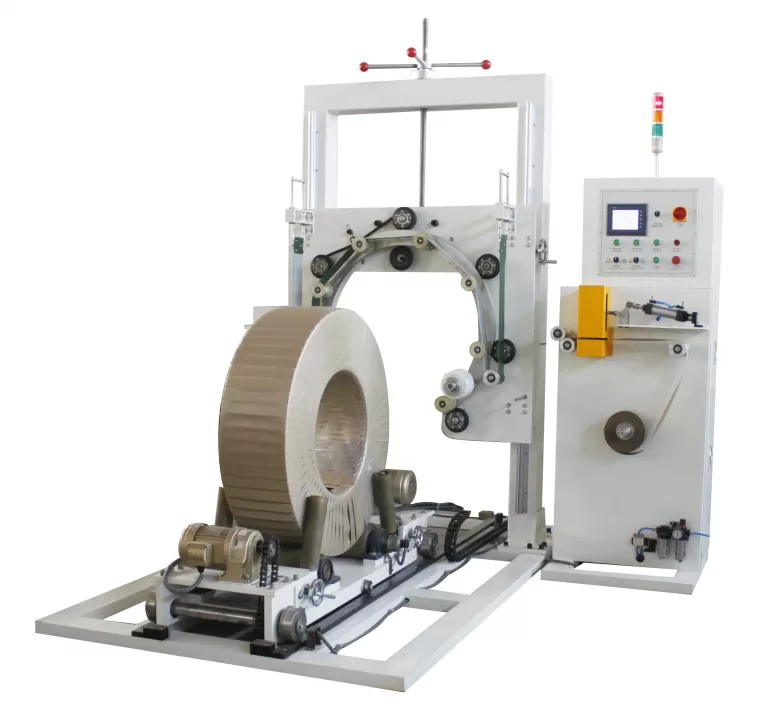
A complete steel coil packaging solution integrates various innovative materials and technologies to provide comprehensive protection against corrosion, mechanical damage, and environmental factors. This approach typically includes VCI films, stretch wrap, edge protectors, and potentially other specialized components, tailored to specific coil types and transportation conditions. Expert consultation ensures the solution is optimized for cost-effectiveness and performance.
Lamiflex and ZERUST®, along with Greif and Propagroup, exemplify companies offering comprehensive packaging solutions. They provide not just materials but also expertise in designing and implementing effective packaging strategies. Consulting with packaging experts ensures that businesses can select the right combination of materials and methods to meet their specific needs and optimize their packaging processes. This tailored approach is crucial for achieving both optimal protection and cost-efficiency.
Choosing the right innovative packaging materials for steel coils is critical for minimizing damage, reducing waste, and ensuring customer satisfaction. By adopting VCI films, automated wrapping, recycled paperboard edge protection, and seeking expert consultation, steel manufacturers can significantly enhance their packaging processes and achieve superior protection for their valuable products.
Conclusion
The evolution of steel coil packaging materials is driven by a need for enhanced protection, improved efficiency, and greater sustainability. From advanced VCI films that actively combat corrosion to automated stretch wrapping systems that streamline operations and recycled paperboard edge protectors that champion environmental responsibility, the industry is embracing innovation at every level. By adopting these cutting-edge solutions and leveraging expert consultation, steel manufacturers can ensure their coils arrive at their destination in optimal condition, minimizing losses and maximizing customer satisfaction. The future of steel coil packaging is undoubtedly leaning towards intelligent, integrated, and eco-conscious solutions that prioritize both product integrity and planetary well-being.