
Customer Needs Analysis in Steel Coil Packaging
Are you in the steel industry and struggling to ensure your valuable steel coils reach customers in perfect condition? Damage during transit and storage can lead to significant losses and dissatisfied clients. Understanding customer needs in steel coil packaging is not just about wrapping steel; it's about protecting your investment and building trust.
Customer needs analysis in steel coil packaging is the critical process of identifying and understanding what businesses require from their steel coil packaging solutions. This includes protection from damage, cost-effectiveness, efficient handling, and increasingly, sustainable practices to meet both operational and environmental goals. Failing to address these needs can lead to product damage, increased costs, and ultimately, loss of customer loyalty. Let's delve into the essential aspects of customer needs analysis in this vital sector.
Understanding the Steel Coil Market Landscape
The steel coil market is a significant global industry, projected to reach USD 193.4 million by 2032. This growth, driven by increasing demand from sectors like automotive and construction, highlights the critical role of effective steel coil packaging in the supply chain. Are you leveraging packaging to its full potential in this expanding market?
The cold rolled steel coil market is experiencing robust growth, driven by demand from key sectors like automotive, construction, and appliance manufacturing. Asia-Pacific currently leads the market, with North America showing strong growth potential. Key trends include the increasing demand for high-strength, lightweight steel, and a growing focus on sustainable practices. Understanding these market dynamics is crucial for tailoring packaging solutions to meet evolving customer needs and industry demands. This market growth underscores the importance of efficient and reliable packaging solutions to support the seamless flow of steel coils across industries.
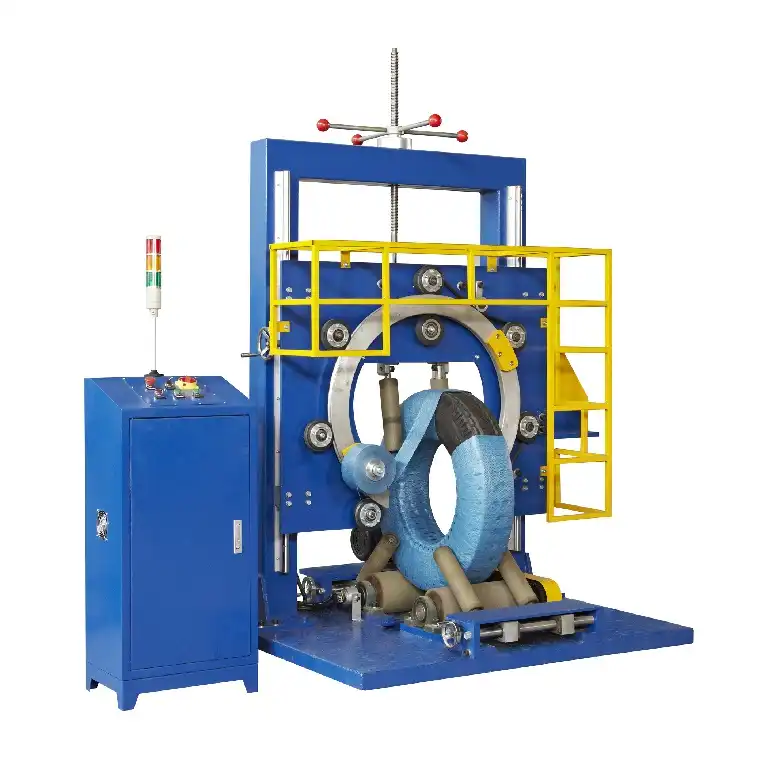
Dive Deeper: Decoding Market Dynamics and Customer Expectations
To truly understand customer needs, we must dissect the market drivers and translate them into specific packaging requirements. The expanding automotive sector, for example, demands pristine surface finishes on steel coils for body panels. Construction necessitates robust packaging for coils destined for structural applications, capable of withstanding harsh site conditions. These are not just market trends; they are direct indicators of evolving customer expectations.
Segmenting Customer Needs by Industry
Customer needs aren't monolithic. They vary significantly across end-use industries. Let's break down key sectors and their distinct packaging demands:
| Industry | Key Packaging Needs | Justification |
|---|---|---|
| Automotive | - Pristine surface protection | - Prevents defects in body panels, ensuring high aesthetic and performance standards. |
| - Lightweight yet robust packaging | - Facilitates efficient handling in automotive plants, minimizes material waste, and aligns with lightweighting trends in vehicle manufacturing. | |
| Construction | - Heavy-duty, weather-resistant packaging | - Protects coils from harsh outdoor conditions (rain, sun, dust) at construction sites, preventing corrosion and damage. |
| - Secure and stable packaging for long-distance transport | - Ensures coils arrive safely at often remote construction sites, minimizing transport damage and delays. | |
| Appliance | - Scratch and dent protection | - Maintains the quality of steel for appliance casings and components, crucial for consumer product aesthetics. |
| - Dimensionally precise packaging | - Facilitates automated handling and integration of steel coils into appliance manufacturing lines. | |
| Furniture | - Cost-effective packaging | - Furniture manufacturing often operates on tight margins, requiring economical packaging solutions without compromising basic protection. |
| - Easy-to-unpack packaging | - Streamlines furniture production processes, reducing labor time spent on unpacking and handling materials. |
The Impact of Material Composition and Application
Furthermore, customer needs are nuanced by the type of steel coil itself. Carbon steel, dominating the market due to its versatility and cost-effectiveness, might require different packaging compared to more specialized alloy steels. Similarly, the application dictates packaging needs. Coils for automotive body panels demand meticulous surface protection, whereas coils for general construction might prioritize robust weather resistance.
Beyond Basic Protection: Efficiency and Sustainability
Customers are increasingly looking beyond basic protection. Efficient handling, storage, and unpacking are paramount. Packaging must be designed to integrate seamlessly into their operations, reducing downtime and labor costs. Moreover, sustainability is no longer a niche concern; it's a mainstream demand. Customers are actively seeking eco-friendly packaging options, driving the need for recyclable, reusable, or biodegradable materials.
By deeply analyzing these market dynamics and segmenting customer needs, steel coil manufacturers and packaging providers can move beyond generic solutions and create truly customer-centric packaging strategies. This granular understanding is the foundation for developing爆款 (popular) and effective packaging solutions that resonate with the diverse needs of the steel coil market.
Addressing Key Customer Packaging Pain Points
Steel coil customers face a myriad of pain points related to packaging. From damage during transit to inefficient handling and disposal issues, these challenges can significantly impact their operations and profitability. Are you aware of the common packaging pitfalls your customers encounter?
Common pain points in steel coil packaging include physical damage during transportation (dents, scratches, corrosion), inefficient handling due to inadequate packaging design, difficulties in unpacking and accessing coils, and increasing concerns about the environmental impact of packaging waste. Addressing these pain points directly translates to improved customer satisfaction, reduced operational costs, and a stronger competitive advantage in the steel coil market. Understanding and resolving these pain points is crucial for building strong customer relationships and optimizing the steel coil supply chain.
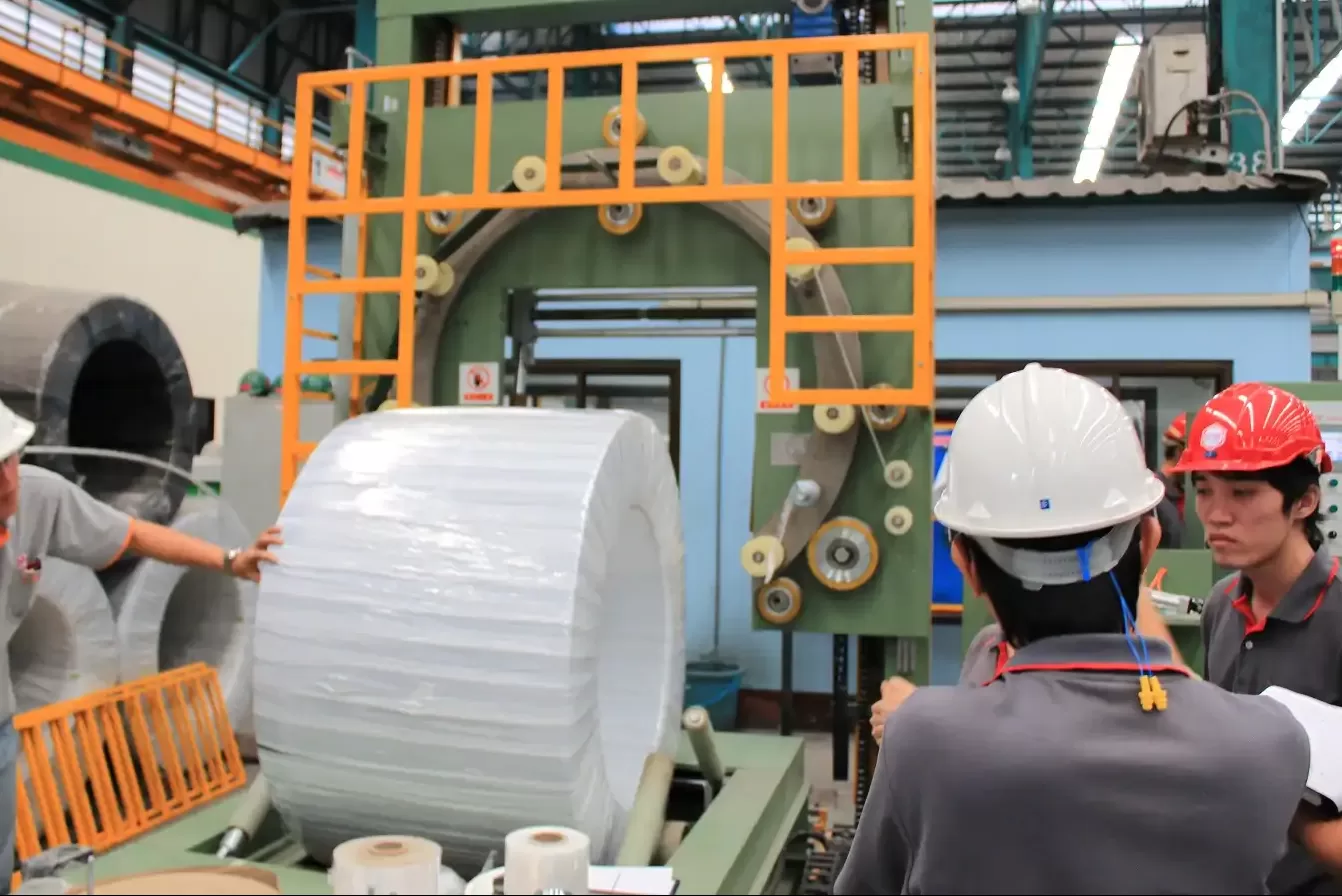
Deep Dive: Resolving Packaging Challenges for Enhanced Customer Satisfaction
Let's dissect these pain points and explore proactive solutions to transform them into opportunities for improved customer service and operational excellence.
Minimizing Transit Damage: The Protection Imperative
Transit damage is arguably the most significant pain point. Steel coils are heavy, often transported long distances, and vulnerable to damage from impacts, vibrations, and environmental exposure. Ineffective packaging directly translates to damaged goods, rejected shipments, and costly delays.
Solutions:
- Robust Wrapping Materials: Employ multi-layered wrapping using water-resistant and tear-resistant materials. Consider vapor phase corrosion inhibitors (VPCI) films for enhanced corrosion protection, especially for long sea voyages or humid climates.
- Secure Banding and Edge Protection: Utilize high-strength steel or PET banding with edge protectors made from durable materials like cardboard or plastic to prevent band marks and edge damage. Ensure proper tensioning of bands to secure the coil without causing deformation.
- Pallet Design and Stability: Design pallets specifically for steel coils, considering weight distribution and stability. Use robust materials and construction techniques to withstand handling and stacking forces. Consider using cradles or chocks on pallets to further secure coils.
- Shock Absorption: Incorporate cushioning materials within the packaging, particularly at critical impact points. Options include corrugated cardboard, foam padding, or specialized shock-absorbing corner protectors.
Streamlining Handling and Unpacking: Efficiency Gains
Inefficient packaging can create bottlenecks in customer operations. Difficult-to-handle coils, cumbersome wrapping, and time-consuming unpacking processes increase labor costs, slow down production lines, and can even pose safety risks.
Solutions:
- Optimized Coil Dimensions and Weight: Where possible, collaborate with customers to optimize coil dimensions and weights for easier handling with their existing equipment.
- Ergonomic Packaging Design: Design packaging for easy forklift access and crane lifting. Clearly mark lifting points and provide instructions for safe handling.
- User-Friendly Wrapping Systems: Implement wrapping systems that are quick and easy to apply and remove. Consider using pre-stretched films and automated wrapping machines to improve efficiency.
- Simplified Unpacking Procedures: Design wrapping that can be easily unwrapped without specialized tools or excessive manual effort. Clearly indicate the starting point for unwrapping.
Addressing Sustainability Concerns: Eco-Conscious Packaging
Growing environmental awareness is driving demand for sustainable packaging solutions. Customers are increasingly sensitive to packaging waste and seeking suppliers who prioritize eco-friendly practices. Non-recyclable or excessive packaging is becoming a significant pain point.
Solutions:
- Recyclable Packaging Materials: Transition to fully recyclable packaging materials, including steel, cardboard, and recyclable plastics. Clearly label packaging components for easy recycling.
- Reduced Material Usage: Optimize packaging design to minimize material consumption without compromising protection. Explore thinner gauge films and lighter-weight pallet options.
- Reusable Packaging Systems: Investigate reusable packaging options, such as returnable pallets or containers, particularly for closed-loop supply chains.
- Biodegradable Alternatives: Explore biodegradable or compostable packaging materials where feasible, although material performance and cost-effectiveness must be carefully evaluated.
By proactively addressing these pain points through innovative packaging design and material selection, steel coil suppliers can not only enhance customer satisfaction but also gain a competitive edge in an increasingly demanding market. These solutions contribute to smoother operations, reduced costs, and a stronger commitment to sustainability, aligning with modern customer expectations.
Tailoring Packaging Solutions to Specific Needs
Generic packaging rarely satisfies diverse customer requirements. Effective steel coil packaging demands a tailored approach, considering factors like coil dimensions, material grade, transportation mode, and end-use application. Are you offering packaging that truly fits your customers' unique needs?
Tailoring packaging solutions to specific customer needs is paramount in the steel coil industry. This involves customizing packaging based on coil dimensions, weight, steel grade, intended application (automotive, construction, etc.), transportation methods (sea, rail, road), and storage conditions. Customized packaging ensures optimal protection, efficient handling, and cost-effectiveness, leading to greater customer satisfaction and reduced supply chain risks. One-size-fits-all packaging is no longer sufficient in today's demanding market.
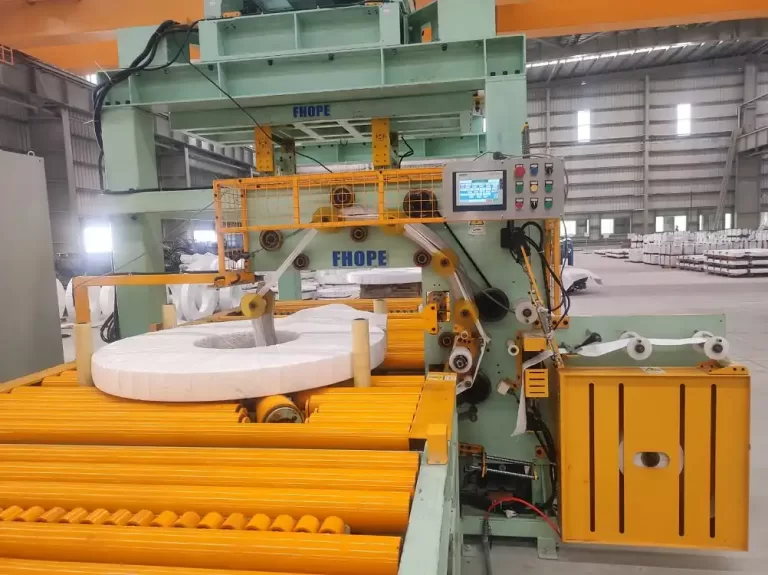
Deep Dive: The Art and Science of Customized Steel Coil Packaging
Moving beyond generic approaches requires a deep understanding of the variables that influence packaging requirements. Let's explore the key factors driving customization and the technical solutions to achieve optimal tailoring.
Key Variables Driving Packaging Customization
- Coil Dimensions and Weight: Larger and heavier coils necessitate more robust packaging materials, banding, and pallet designs. Dimensional accuracy is also crucial for automated handling systems.
- Steel Grade and Surface Finish: High-value steel grades, especially those with critical surface finishes like automotive-grade steel, require premium protection against scratches, dents, and corrosion.
- End-Use Application: As discussed earlier, automotive, construction, appliance, and furniture industries have vastly different packaging needs. Understanding the final application is critical for tailoring protection levels and handling requirements.
- Transportation Mode: Sea freight packaging must withstand harsh marine environments, including saltwater spray and prolonged exposure to humidity. Rail and road transport demand robust packaging to endure vibrations and impacts.
- Storage Conditions: Coils stored outdoors require weather-resistant packaging. Long-term storage, regardless of location, necessitates effective corrosion protection.
- Customer Handling Capabilities: Packaging should be designed considering the customer's handling equipment and infrastructure. Some customers may have advanced crane systems, while others rely on forklifts.
- Regulatory Compliance: Packaging must comply with relevant international and regional regulations regarding weight limits, material safety, and environmental standards.
Technical Solutions for Tailored Packaging
To effectively address these variables, a range of technical solutions can be employed:
| Packaging Aspect | Customization Options | Technical Justification |
|---|---|---|
| Wrapping Materials | - Multi-layer films: Combine layers with varying properties (e.g., water resistance, tear strength, VPCI). | - Offers targeted protection against specific threats. |
| - Specialty films: UV-resistant films for outdoor storage, anti-static films for sensitive steel grades. | - Addresses specific environmental or material sensitivities. | |
| - Reinforced films: Films with embedded fibers for increased tear resistance, crucial for heavy coils. | - Enhances durability and prevents film breakage during handling and transit. | |
| Banding | - Steel vs. PET banding: Choose steel for maximum strength for very heavy coils; PET banding offers good strength with less risk of surface damage and corrosion. | - Balances strength requirements with material compatibility and corrosion concerns. |
| - Variable banding patterns: Apply different banding patterns based on coil weight and dimensions for optimized security. | - Ensures securement without over-banding or under-banding, preventing both damage and insufficient restraint. | |
| Pallets | - Custom pallet dimensions: Design pallets to perfectly fit coil dimensions, preventing overhang and instability. | - Enhances pallet stability and maximizes space utilization during storage and transport. |
| - Heavy-duty pallet construction: Utilize thicker lumber, reinforced joints, and steel components for pallets handling extremely heavy coils. | - Ensures pallet integrity and prevents pallet failure under heavy loads. | |
| Internal Packaging | - Cradles and chocks: Provide additional coil support and prevent rolling on pallets, especially crucial for eye-horizontal packaging. | - Enhances coil stability and prevents movement during transit, reducing the risk of damage. |
| - Interlayer padding: Use cardboard or foam padding between coils in stacked configurations to prevent surface abrasion. | - Protects coil surfaces from scratching and rubbing during transport, especially important for pre-painted or high-finish steel. |
By meticulously considering these variables and implementing tailored technical solutions, steel coil suppliers can move from a reactive, problem-solving approach to proactive, customer-centric packaging strategies. This level of customization not only minimizes risks and costs but also builds stronger customer partnerships based on trust and reliability.
The Role of Automation in Steel Coil Packaging
Automated packaging systems are revolutionizing the steel coil industry, offering significant advantages in efficiency, consistency, and cost reduction. Is your packaging process keeping pace with the advancements in automation?
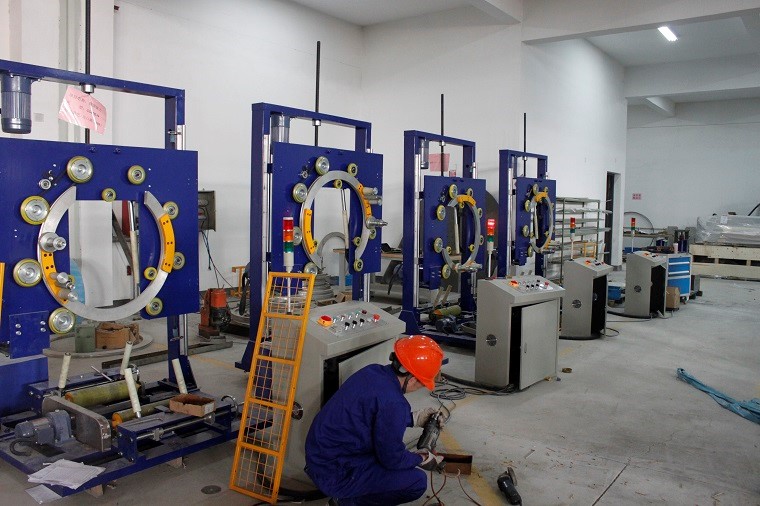
Automated packaging systems for steel coils are transforming the industry by increasing packaging speed, improving consistency and quality, reducing labor costs, and enhancing workplace safety. These systems range from semi-automatic wrapping machines to fully integrated, robotic packaging lines, offering solutions for various production volumes and packaging requirements. Adopting automation is becoming essential for steel coil manufacturers to remain competitive and meet growing customer demands for efficient and reliable packaging.
Automated steel coil packaging systems offer a compelling solution to the challenges of modern steel coil distribution. By integrating automation, businesses can significantly streamline their packaging processes, leading to substantial improvements across various operational metrics. Embracing automation is not just about upgrading equipment; it's about strategically positioning your business for future success in a dynamic and demanding market. Consider how [wire packing automation]() can revolutionize your operations and meet the evolving needs of your customers.
Conclusion
In conclusion, understanding and addressing customer needs is the cornerstone of effective steel coil packaging. By delving into market dynamics, resolving pain points, tailoring solutions, and leveraging automation, steel coil businesses can transform packaging from a mere necessity into a strategic asset. Prioritizing customer needs in packaging not only minimizes damage and costs but also fosters stronger customer relationships and a competitive edge in the global steel market.