
Automated Technologies in Steel Coil Packaging
Are you struggling with inefficient, labor-intensive steel coil packaging processes? Imagine a production line where coils are seamlessly wrapped, protected, and ready for shipment with minimal manual intervention. The future of steel coil packaging is here, driven by automated technologies that promise increased efficiency, enhanced quality, and significant cost savings.
Automated technologies in steel coil packaging revolutionize the process by using machines to perform tasks previously done manually. This includes robotic handling, automated wrapping, and intelligent quality control, leading to faster production, consistent packaging quality, reduced material waste, and improved worker safety. This article explores the cutting-edge automated solutions transforming steel coil packaging, ensuring your products arrive in pristine condition, enhancing your operational efficiency, and boosting your bottom line.
Let's delve into the transformative world of automated steel coil packaging and discover how these advancements are reshaping the industry landscape.
The Evolution of Steel Coil Packing Lines
Steel coil packing lines have undergone a dramatic transformation, evolving from predominantly manual operations to sophisticated automated systems. Initially, packaging relied heavily on manual labor, which was slow, inconsistent, and often posed safety risks.
Modern steel coil packing lines are characterized by a high degree of automation, integrating robotics, sensors, and computerized controls to streamline the entire packaging process. This evolution has led to significant improvements in speed, consistency, safety, and cost-effectiveness, enabling manufacturers to meet increasing demands and higher quality standards.
%[keywords]
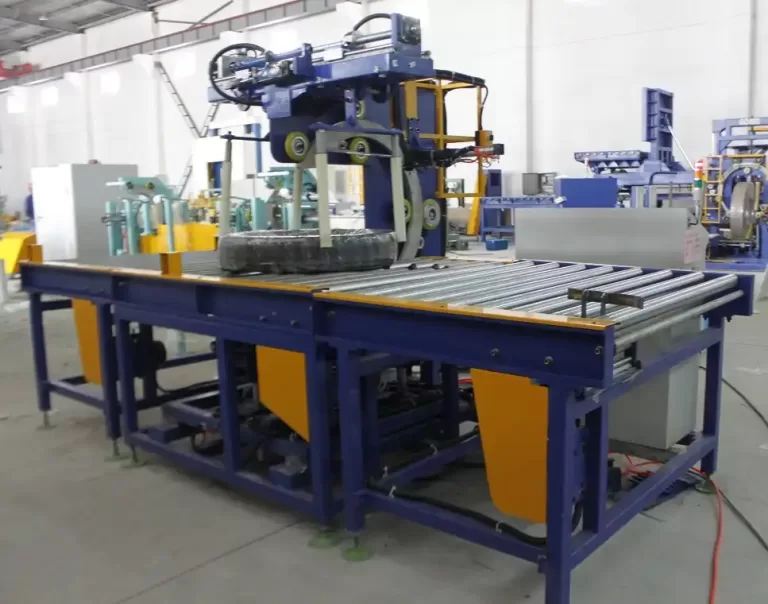
Diving Deeper: From Manual Labor to Lights-Out Automation
The journey from manual to automated steel coil packing is a story of continuous improvement driven by the need for greater efficiency and quality. Let's break down the key stages of this evolution:
1. The Era of Manual Packing:
Historically, steel coil packing was a labor-intensive process. Workers manually handled heavy coils, applied wrapping materials, and secured packages. This method was fraught with challenges:
- Low Speed and Throughput: Manual packing was slow, limiting production capacity and causing bottlenecks.
- Inconsistency in Quality: Packaging quality varied depending on operator skill and fatigue, leading to inconsistent protection and potential damage.
- High Labor Costs: A significant workforce was required, increasing labor expenses and operational overhead.
- Safety Concerns: Manual handling of heavy steel coils posed significant safety risks, leading to workplace injuries.
- Ergonomic Issues: Repetitive and strenuous tasks led to ergonomic problems and decreased worker productivity.
2. The Introduction of Semi-Automation:
The first step towards automation involved introducing machinery to assist with specific tasks. Semi-automated lines incorporated:
- Powered Conveyors: To move coils along the packaging line, reducing manual pushing and pulling.
- Simple Wrapping Machines: Basic machines to apply stretch film or paper wrap, but still requiring manual coil positioning and material feeding.
- Strapping Tools: Pneumatic or electric strapping tools to improve the speed and consistency of strapping compared to manual methods.
While semi-automation offered some improvements, it still relied heavily on manual intervention and did not fully address the core issues of speed, consistency, and labor costs.
3. The Rise of Full Automation:
The real breakthrough came with the advent of full automation, driven by advancements in robotics, sensor technology, and computer control systems. Fully automated steel coil packing lines feature:
- Robotic Coil Handling: Robots take over the tasks of lifting, moving, and positioning coils with precision and speed.
- Automated Wrapping Systems: Sophisticated machines automatically apply and secure various packaging materials like stretch film, paper, and edge protectors.
- Intelligent Quality Control: Vision systems and sensors inspect coils and packaging in real-time, ensuring quality and identifying defects.
- Integrated Control Systems: Centralized computer systems manage and monitor the entire packing line, optimizing performance and providing data for analysis.
4. The Impact of Industry 4.0:
The current era is witnessing the integration of Industry 4.0 technologies into steel coil packing automation. This includes:
- IoT Connectivity: Sensors and devices connected to the internet provide real-time data on equipment performance, material consumption, and production metrics.
- Data Analytics: Collected data is analyzed to identify trends, optimize processes, predict maintenance needs, and improve overall efficiency.
- Cloud Computing: Cloud platforms enable remote monitoring, data storage, and access to advanced analytics tools.
- Machine Learning and AI: Artificial intelligence is being used to further optimize packing processes, predict potential issues, and enhance decision-making.
This evolution can be summarized in the following table:
| Feature | Manual Packing | Semi-Automated Packing | Fully Automated Packing | Industry 4.0 Automation |
|---|---|---|---|---|
| Coil Handling | Manual Lifting & Moving | Powered Conveyors | Robotic Handling | Robotic & Data-Driven |
| Wrapping | Manual Application | Basic Wrapping Machines | Automated Wrapping Systems | Intelligent Material Usage |
| Quality Control | Manual Inspection | Limited Sensors | Vision Systems & Sensors | AI-Powered Inspection |
| Speed & Throughput | Low | Medium | High | Very High |
| Consistency | Inconsistent | Somewhat Consistent | Highly Consistent | Data-Optimized Consistency |
| Labor Costs | High | Medium | Low | Very Low |
| Safety | Low | Medium | High | Enhanced Safety Protocols |
| Data & Analytics | Limited | Basic Data Collection | Comprehensive Data | Real-time Data & Predictive Analytics |
The progression towards full and Industry 4.0 automation has revolutionized steel coil packing, transforming it from a bottleneck into an efficient and value-adding part of the production process.
Robotic Coil Handling and Manipulation
Robotic coil handling and manipulation are at the heart of modern automated steel coil packaging lines. These sophisticated systems replace manual labor in the physically demanding and potentially hazardous tasks of moving and positioning heavy steel coils.
Robotic systems utilize industrial robots equipped with specialized end-effectors to lift, rotate, and place steel coils with remarkable precision and speed. This automation significantly reduces manual handling, minimizes the risk of product damage, improves worker safety, and increases overall throughput in the packaging process.
%[keywords]
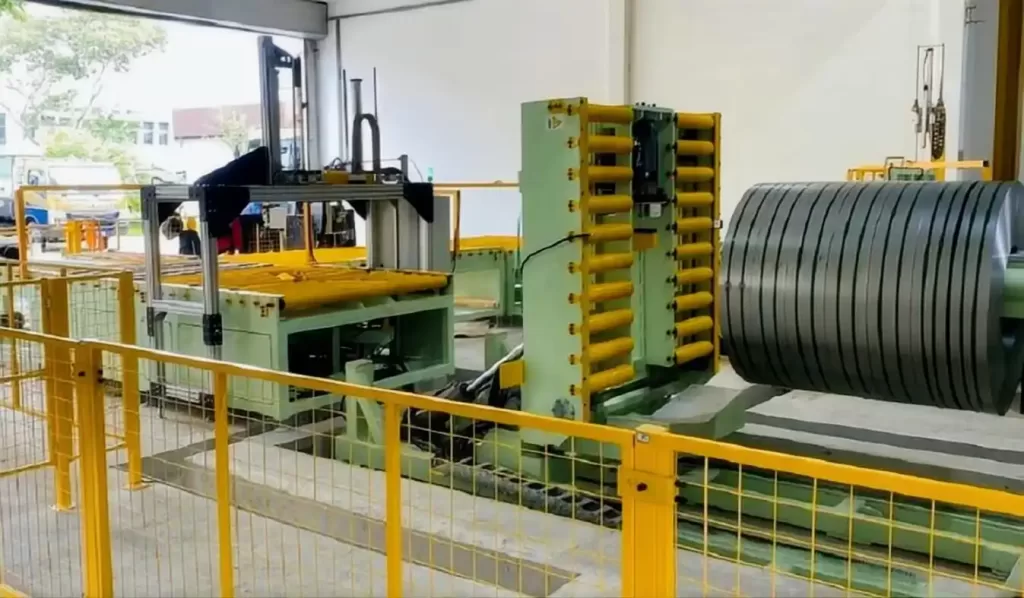
Unpacking the Benefits of Robotic Precision
Robotic coil handling offers a multitude of advantages that contribute to a more efficient and effective steel coil packaging operation:
Enhanced Precision and Control:
Robots operate with a level of precision and control unattainable by manual labor. They can:
- Accurately Position Coils: Robots can place coils in exact positions for wrapping, strapping, and other packaging processes, ensuring consistent and high-quality packaging.
- Handle Various Coil Sizes and Weights: Robots can be programmed to handle a wide range of coil dimensions and weights, offering flexibility for different product lines.
- Gentle Handling: Robots can be programmed to handle coils gently, minimizing the risk of surface damage or deformation during movement.
Increased Efficiency and Throughput:
Robotic automation dramatically increases the speed and efficiency of coil handling:
- Faster Cycle Times: Robots operate at consistently high speeds, significantly reducing the time required to move coils between packaging stations.
- Continuous Operation: Robots can work continuously without fatigue, enabling 24/7 operation and maximizing throughput.
- Reduced Bottlenecks: Automated handling eliminates bottlenecks caused by slow manual processes, streamlining the entire packaging line.
Improved Safety and Ergonomics:
Safety is a paramount concern in steel coil handling, and robots offer significant improvements:
- Elimination of Manual Lifting: Robots take over heavy lifting tasks, eliminating the risk of back injuries and other musculoskeletal disorders for workers.
- Reduced Workplace Accidents: By removing human workers from hazardous areas, robots minimize the potential for accidents related to coil handling.
- Improved Ergonomics: Workers are freed from repetitive and strenuous tasks, leading to a more comfortable and safer work environment.
Cost Savings and ROI:
While the initial investment in robotic systems may seem significant, the long-term cost savings and return on investment are substantial:
- Reduced Labor Costs: Automation reduces the need for manual labor, lowering payroll expenses and associated costs.
- Minimized Product Damage: Gentle and precise robotic handling reduces damage to coils during packaging, minimizing scrap and rework.
- Increased Productivity: Higher throughput and efficiency translate to increased production volume and revenue.
- Lower Insurance Premiums: Improved safety and reduced workplace accidents can lead to lower insurance costs.
Robotic coil handling and manipulation are not just about replacing manual labor; they are about fundamentally transforming the steel coil packaging process to achieve higher levels of efficiency, quality, safety, and profitability.
Automated Packaging Material Application
Automated packaging material application systems are another crucial component of advanced steel coil packing lines. These systems automate the dispensing, cutting, and application of various protective materials, ensuring consistent and efficient packaging.
Automated material application systems precisely measure and apply packaging materials such as stretch film, paper, cardboard, and edge protectors. This automation minimizes material waste, ensures consistent protection for each coil, speeds up the packaging process, and enhances the overall appearance and quality of the packaged product.
%[keywords]
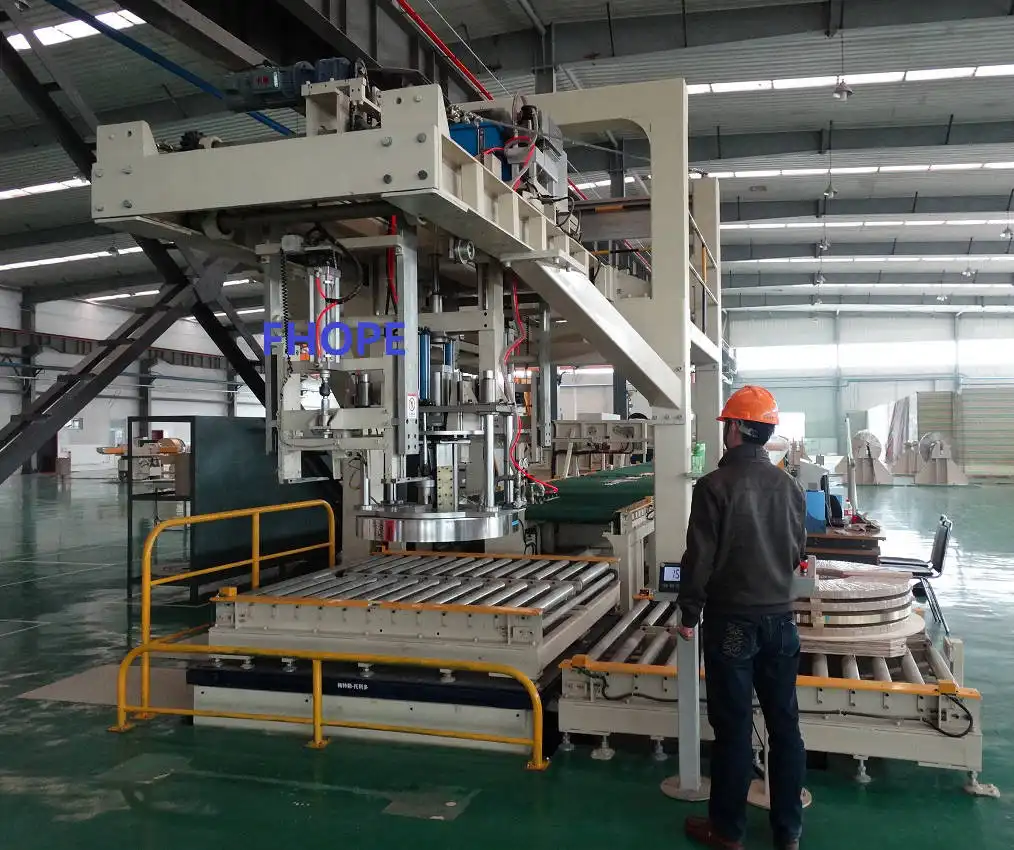
Precision and Efficiency in Material Usage
Automated material application systems offer significant advantages in terms of material efficiency, consistency, and speed:
Optimized Material Consumption:
Automated systems are designed to minimize material waste through precise control and optimization:
- On-Demand Material Cutting: Systems cut materials to the exact required length for each coil, eliminating pre-cut material waste and reducing inventory of various sizes.
- Precise Dispensing: Automated dispensers apply the optimal amount of wrapping material, avoiding excessive overlap or unnecessary layers.
- Material Optimization Algorithms: Advanced systems can use algorithms to calculate the most efficient material usage based on coil dimensions and packaging requirements.
Consistent Packaging Quality:
Automation ensures uniformity and consistency in packaging material application:
- Uniform Wrap Tension: Automated stretch wrapping systems apply consistent tension, ensuring tight and secure wrapping for all coils.
- Precise Material Placement: Edge protectors, corner boards, and other materials are placed accurately and consistently, providing reliable protection.
- Elimination of Human Error: Automation removes the variability associated with manual application, ensuring consistent packaging quality regardless of operator skill.
Increased Packaging Speed and Throughput:
Automated material application significantly speeds up the packaging process:
- Faster Application Rates: Machines apply wrapping materials and edge protection much faster than manual operators.
- Reduced Downtime: Automated systems can often handle material changes and adjustments more quickly than manual processes, minimizing downtime.
- Integration with Line Speed: Automated systems can be synchronized with the overall line speed, ensuring continuous and efficient packaging flow.
Types of Automated Material Application Systems:
Various automated systems are used for applying different packaging materials:
- Stretch Wrapping Machines: These machines automatically apply stretch film around coils, providing moisture protection and load stability. Types include orbital wrappers, rotary arm wrappers, and vertical wrappers.
- Paper Wrapping Machines: Automated systems dispense and wrap paper around coils for moisture absorption and surface protection. Crepe paper is often used for its moisture-absorbing properties.
- Edge Protection Applicators: Machines automatically apply edge protectors made of steel, cardboard, or plastic to protect coil edges from damage during handling and transportation.
- Strapping Machines: Automated strapping systems apply steel or plastic straps to secure the package and provide mechanical strength. Radial and axial strapping machines are common in coil packaging.
The choice of automated material application systems depends on the specific packaging requirements, coil type, and desired level of protection. By automating material application, steel coil manufacturers can achieve significant improvements in efficiency, consistency, material usage, and overall packaging quality.
Intelligent Quality Control and Inspection
Quality control is paramount in steel coil production, and advanced automation has revolutionized inspection processes in packing lines. Intelligent quality control systems leverage vision technology, sensors, and data analytics to ensure that every coil meets stringent quality standards before shipment.
Automated quality control systems use cameras, sensors, and machine learning algorithms to inspect coils for defects, verify dimensions, and confirm proper packaging. This real-time inspection process significantly reduces reliance on manual checks, improves consistency, identifies issues early in the process, and ensures that only high-quality, properly packaged coils are shipped to customers.
%[keywords]
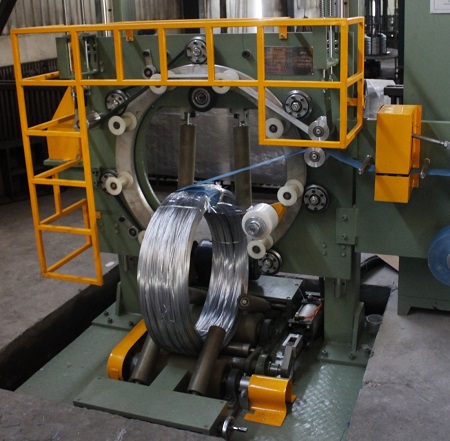
The Benefits of Automated Quality Control in Steel Coil Packaging
Automated quality control systems bring a paradigm shift to quality assurance in steel coil packing, offering numerous advantages:
- Enhanced Accuracy and Consistency: Automated systems perform inspections with a level of accuracy and consistency that surpasses manual inspection. They eliminate subjective human judgment and fatigue, ensuring uniform quality standards are applied to every coil.
- Real-Time Defect Detection: Intelligent vision systems can identify defects such as surface scratches, dents, shape deviations, and packaging flaws in real-time as coils move along the packing line. This allows for immediate corrective action, preventing further processing of defective coils and minimizing waste.
- Comprehensive Inspection Coverage: Automated systems can perform multiple inspections simultaneously, checking for various quality parameters including dimensional accuracy, surface finish, and packaging integrity. This comprehensive approach ensures a thorough quality assessment.
- Reduced Manual Inspection Costs: By automating the inspection process, manufacturers can significantly reduce the need for manual inspectors, lowering labor costs and freeing up personnel for other tasks.
- Improved Traceability and Data Collection: Automated QC systems generate detailed inspection data, which can be stored and analyzed to track quality trends, identify root causes of defects, and improve process control. This data-driven approach facilitates continuous quality improvement efforts.
Key Technologies in Automated Quality Control
Several advanced technologies are integrated into automated quality control systems for steel coil packaging:
- Vision Systems: High-resolution cameras and image processing software are used to capture images of coils and packaging. These images are then analyzed to detect surface defects, dimensional inaccuracies, and packaging flaws.
- Laser Measurement Systems: Laser scanners and sensors provide precise dimensional measurements of coils, verifying diameter, width, and shape conformity.
- Sensor Networks: Various sensors, including proximity sensors, load cells, and temperature sensors, monitor process parameters and detect anomalies that could indicate quality issues.
- Machine Learning and AI: Machine learning algorithms are trained to recognize patterns and anomalies in inspection data, enabling them to automatically identify defects and classify quality levels with increasing accuracy over time. Artificial intelligence can also be used to optimize inspection parameters and predict potential quality issues.
Examples of Automated Quality Checks:
Automated quality control systems can perform a wide range of checks, including:
- Surface Defect Detection: Identifying scratches, dents, rust spots, and other surface imperfections.
- Dimensional Measurement: Verifying coil diameter, width, thickness, and ovality.
- Shape and Form Inspection: Checking for coil roundness, straightness, and proper winding.
- Packaging Integrity Verification: Ensuring proper application of stretch film, paper wrap, edge protectors, and strapping.
- Label Verification: Confirming the presence and accuracy of labels with product information, barcodes, and QR codes.
By implementing intelligent quality control and inspection systems, steel coil manufacturers can significantly enhance product quality, reduce scrap and rework, improve customer satisfaction, and gain a competitive edge in the market. Automation in quality control is not just about catching defects; it's about building a proactive quality-focused manufacturing process.
Conclusion
Automated technologies are fundamentally transforming steel coil packaging, driving unprecedented levels of efficiency, quality, and safety. From robotic coil handling to intelligent quality control, these advancements are addressing the long-standing challenges of manual packaging processes. By embracing wire packing automation , steel manufacturers can unlock significant operational improvements, reduce costs, and ensure their products reach customers in perfect condition, ready to meet the demands of a rapidly evolving global market.