
Technological Trends in Steel Coil Packaging
Imagine steel coils, the backbone of industries, arriving damaged due to inadequate packaging. This is a costly nightmare for manufacturers. But what if technology could virtually eliminate this risk, ensuring every coil reaches its destination in pristine condition? The steel coil packaging industry is rapidly evolving, driven by innovations that promise enhanced protection and efficiency.
Steel coil packaging is undergoing a technological revolution, marked by advancements in strapping methods, automation, sustainable materials, and smart technologies. These trends are pushing the industry towards highly efficient, reliable, and environmentally conscious solutions, ensuring the safe and secure transit of steel coils globally and minimizing damage and waste.
This transformation is not just about better protection; it's about optimizing the entire supply chain. Let's delve into the specific technological trends reshaping steel coil packaging.
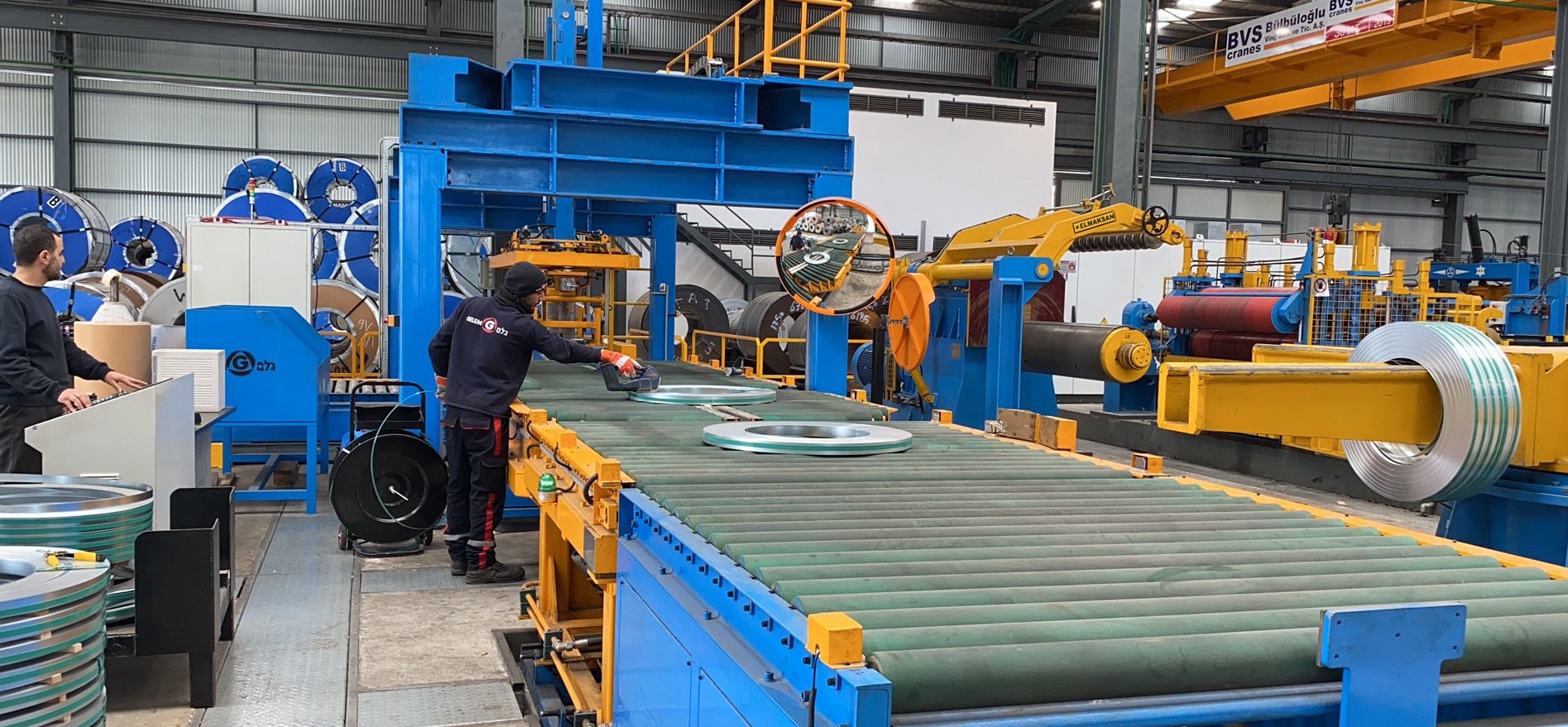
Advanced Strapping and Jointing Technologies
Securing steel coils effectively is paramount. The strapping joints are the critical points in this process, bearing the brunt of the forces during handling and transportation. As the demand for stronger and more reliable packaging grows, so does the sophistication of strapping joint technology.
The evolution of strapping joints in steel coil packaging reflects a direct response to the increasing demands for package security. Initially, simpler locking mechanisms using iron buckles were sufficient. However, modern needs have driven the development of buckle-free and welding-type joints that offer significantly higher binding forces, ensuring coil integrity under rigorous conditions.
To understand this evolution, let's examine the progression of strapping joint technologies:
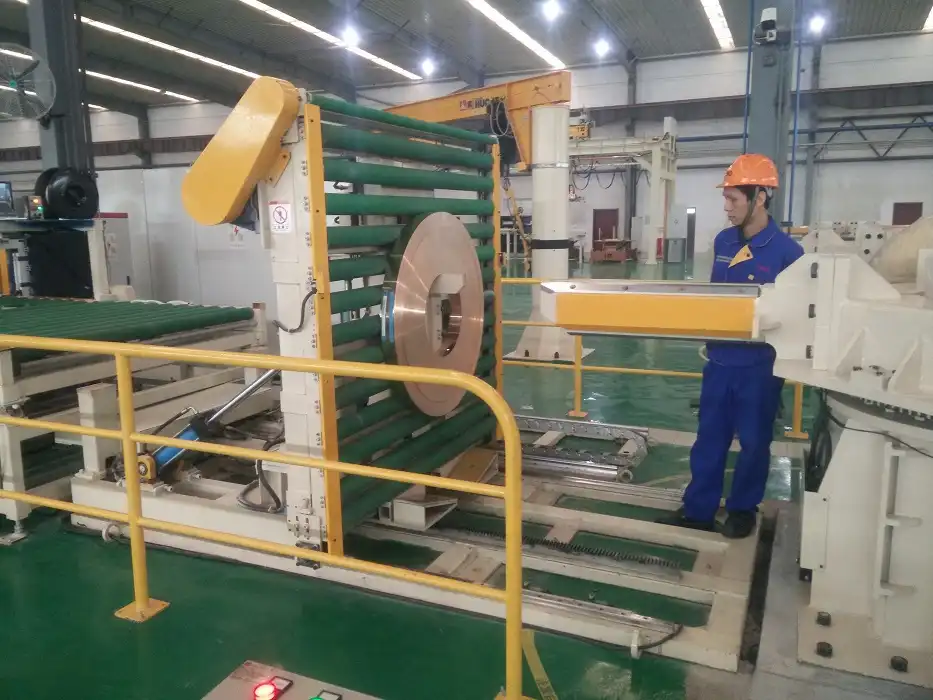
A Closer Look at Strapping Joint Evolution
The advancements in strapping joints are not merely about increasing strength; they are about optimizing efficiency, reducing material usage, and integrating with automated packaging systems. Let's break down the different types and their implications:
Types of Strapping Joints and Their Characteristics
The choice of strapping joint directly impacts the security and efficiency of steel coil packaging. Here's a comparative look at the three main types:
| Joint Type | Mechanism | Binding Force | Automation Suitability | Material Efficiency | Cost | Application Scenario |
|---|---|---|---|---|---|---|
| Locking Type | Iron buckles crimped around strap ends | > 6000N | Manual & Semi-automatic | Lower | Low | Manual bundling, lower force requirements |
| Buckle-Free Type | Stamping deformation (punching & buckling) | > 14000N | Manual & Semi-automatic | Higher | Medium | Higher force manual applications, reduced material waste |
| Welding Type | Spot welding strap ends together | > 20000N | Fully Automatic | Highest | Higher | High-volume, fully automated packaging lines |
As evident from the table, each joint type offers a different balance of strength, automation compatibility, and cost. The trend is clearly towards buckle-free and welding types for high-demand applications, driven by the need for increased binding force and the rise of automated packaging lines. This shift also reflects a growing emphasis on material efficiency and waste reduction, aligning with broader sustainability goals in the steel industry. The higher initial cost of welding-type joints and automated systems is often offset by long-term gains in productivity, reduced labor, and minimized material consumption. Ultimately, the selection of the appropriate strapping joint technology is a critical decision, balancing performance requirements with economic and operational considerations.
Leading Manufacturers in Steel Coil Packaging Equipment
When it comes to steel coil packaging machinery, certain international manufacturers stand out for their innovation, reliability, and advanced technologies. These companies have been instrumental in shaping the current landscape of the industry, setting standards for automation and performance.
Internationally renowned manufacturers of steel coil packaging equipment include SIGNODE, TITANPACK, and ITIPACK. These companies, primarily based in developed countries, lead the industry with their highly automated packaging units, advanced strapping heads, and comprehensive packaging solutions tailored for the stringent demands of modern steel production.
These companies aren't just equipment providers; they are technology partners for steel mills worldwide. Let's explore them further:

Spotlight on Key Industry Players
Understanding the strengths and specialties of leading manufacturers provides valuable insights into the direction of technological advancements in steel coil packaging.
-
SIGNODE (USA): A subsidiary of Illinois Tool Works (ITW), SIGNODE is globally recognized for its fully automatic strapping machines. They are unique in that they also produce their own strapping heads and consumables, ensuring seamless integration and optimal performance. SIGNODE's strapping heads boast the highest locking force in the industry, reaching 20,000N, a testament to their engineering prowess. Their comprehensive approach, offering machines, heads, and materials, makes them a one-stop solution for many steel producers.
-
TITANPACK (Germany): TITANPACK distinguishes itself as a specialist in fully automatic strapping heads. Their product range is extensive, catering to diverse packaging needs, and their performance is considered top-tier. In fact, many other packaging equipment manufacturers globally utilize TITANPACK strapping heads in their machines, highlighting their industry-leading position and the reliability of their components. With a maximum locking force of 17,000N, TITANPACK heads are known for their robustness and precision engineering.
-
ITIPACK (Italy): ITIPACK focuses on the design and manufacturing of complete steel packaging machinery. Notably, they integrate TITANPACK strapping heads into their systems, leveraging the German company's expertise in this critical component. ITIPACK's specialization in steel coil packaging extends to "bare coils" – coils without external wrapping. Their fully automatic bundling machines are designed for efficient and secure packaging even without additional protective materials, showcasing their expertise in handling and securing unwrapped coils.
These manufacturers, through continuous research and development, drive the industry forward. Their focus on automation, increased binding force, and integrated solutions reflects the key trends in steel coil packaging technology, pushing for greater efficiency and reliability in the global steel supply chain.
Sustainability and Eco-Friendly Materials in Steel Coil Packaging
Sustainability is no longer a niche concept but a core business imperative. The steel packaging industry, traditionally associated with heavy materials and energy-intensive processes, is actively embracing eco-friendly solutions to minimize its environmental impact.
Sustainability is taking center stage in steel coil packaging. The industry is responding to global environmental concerns by increasing the use of recycled steel, developing eco-friendly coatings, and optimizing packaging designs to reduce material consumption and waste. These efforts reflect a commitment to a circular economy and a reduced carbon footprint.
This shift towards sustainability is multifaceted, impacting materials, processes, and design.

Greener Packaging Solutions: A Multi-Pronged Approach
The pursuit of sustainability in steel coil packaging involves innovation across various fronts:
Key Sustainable Innovations in Steel Coil Packaging
| Innovation | Description | Environmental Benefit | Impact on Performance | Cost Implication |
|---|---|---|---|---|
| Recycled Steel | Utilizing recycled steel as a primary material source. | Reduced raw material extraction, lower energy consumption, lower carbon footprint. | No performance compromise, often comparable or better. | Potentially lower raw material costs, fluctuating scrap prices. |
| Eco-Friendly Coatings | Replacing harmful traditional coatings with benign, environmentally friendly alternatives. | Reduced VOC emissions, safer disposal, minimizes environmental contamination. | Maintained or improved protection, potential for enhanced functionality. | May have higher initial R&D and material costs, long-term benefits outweigh. |
| Optimized Design | Minimizing material usage through efficient packaging designs. | Reduced material consumption, less waste generation, lower transportation weight. | Maintained or improved protection with less material. | Lower material costs, potential for reduced shipping costs. |
| Biodegradable Straps | Exploring and implementing biodegradable strapping materials. | Reduced plastic waste, environmentally friendly disposal. | Ongoing development to match strength and reliability of traditional straps. | Currently may be higher, expected to decrease with wider adoption. |
The table highlights that sustainable practices are not just about environmental responsibility; they can also drive efficiency and potentially reduce costs in the long run. Recycled steel, for instance, directly lowers the demand for virgin ore and the energy needed for primary steel production. Eco-friendly coatings address the environmental hazards associated with traditional coatings, while optimized designs and biodegradable straps tackle material waste and end-of-life disposal. The industry is moving towards a holistic approach where sustainability is integrated into every stage of the packaging lifecycle, from material sourcing to disposal, reflecting a deep commitment to environmental stewardship.
The Rise of Smart Packaging Technologies
Beyond physical protection, steel coil packaging is becoming intelligent. The integration of digital technologies is transforming packaging into a data-rich source, providing real-time insights into location, condition, and handling throughout the supply chain.
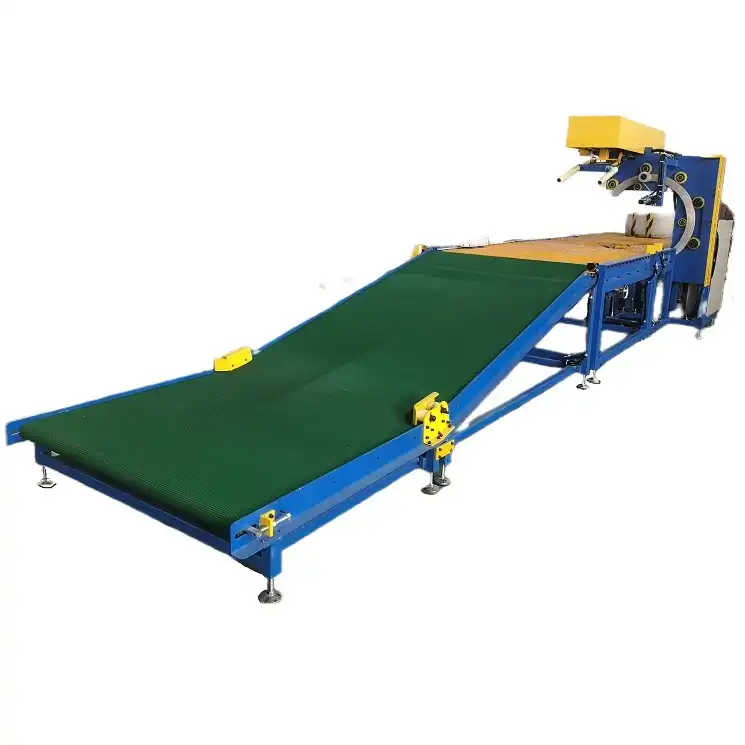
Smart packaging in the steel coil industry leverages technologies like RFID and sensors to enhance tracking, monitoring, and overall supply chain visibility. These innovations provide real-time data on coil location, condition, and environmental factors, enabling proactive management and minimizing potential damage or loss during transit.
This "smart" approach adds a new dimension to packaging, turning it from a passive protector to an active information provider.
Integrating Smart Technologies into Steel Coil Packaging:
The benefits of smart packaging are significant, extending from enhanced security and traceability to improved logistics and inventory management. By embedding technologies like RFID tags and sensors, steel coil packaging can transmit valuable data throughout the supply chain. RFID tags enable precise tracking of each coil's location, facilitating efficient inventory management and reducing the risk of loss or misplacement. Sensors, on the other hand, can monitor critical environmental conditions such as temperature, humidity, and vibration, alerting stakeholders to potential issues that could compromise coil quality. This real-time data stream empowers proactive intervention, allowing for timely corrective actions to prevent damage, corrosion, or other forms of degradation during transit. Furthermore, the data collected through smart packaging can be analyzed to optimize transportation routes, improve handling practices, and enhance overall supply chain efficiency. This move towards intelligent packaging represents a significant step forward in ensuring the integrity and timely delivery of steel coils in a complex global market.
Conclusion
The technological evolution in steel coil packaging is driven by a confluence of factors: the need for enhanced protection, increasing demands for efficiency and automation, and a growing commitment to sustainability. From advanced strapping technologies to smart, data-driven solutions, the industry is rapidly innovating to meet the challenges of modern steel manufacturing and distribution. Embracing these technological trends is crucial for stakeholders aiming to stay competitive and ensure the reliable and responsible delivery of steel products worldwide. For further exploration into related industrial packaging automation, consider delving into [Collection].