
Why Should You Consider Upgrading Your Coil Wrapping Equipment?
Are you tired of watching your packaging process lag, costing you time and money? Inefficient coil wrapping can lead to damaged goods, wasted materials, and frustrated customers. But what if a simple upgrade could transform your operations, boosting productivity and slashing costs? It's time to explore why upgrading your coil wrapping equipment isn't just a good idea—it's a game-changer for your business.
Upgrading your coil wrapping equipment is a strategic move to enhance efficiency, reduce operational costs, and improve product protection. Modern machines offer faster wrapping speeds, minimize material waste, ensure consistent quality, and enhance workplace safety, leading to significant long-term benefits and a strong return on investment. Investing in the latest coil wrapping technology can streamline your packaging process, giving you a competitive edge in today's fast-paced market.
Ready to revolutionize your packaging line? Let’s unwrap the compelling reasons to upgrade your coil wrapping equipment and discover how it can propel your business forward.
Supercharge Your Productivity: The Efficiency of Modern Coil Wrapping
Is your current coil wrapping process a bottleneck, slowing down your entire production line? Manual wrapping is labor-intensive, inconsistent, and prone to errors. Imagine a seamless, automated system that wraps coils in seconds, freeing up your workforce and dramatically increasing output. Upgrading to modern coil wrapping equipment is the key to unlocking unparalleled productivity gains.
Modern coil wrapping machines significantly enhance production speed by automating the wrapping process. Compared to manual methods, automated wrapping reduces wrapping time per coil from 10-15 minutes to just 1-2 minutes, increases daily output from 20-30 coils to 100-150 coils, and minimizes downtime. This speed boost allows manufacturers to meet tight deadlines, handle larger volumes, and improve overall operational efficiency.
%[Coil Wrapping Equipment Upgrades]
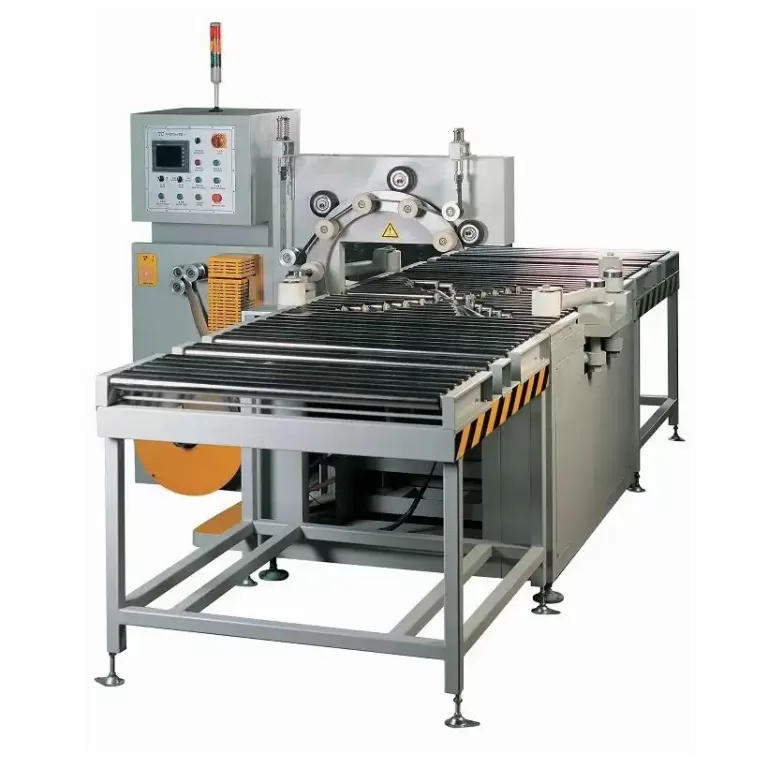
Dive Deeper into Efficiency Metrics
The leap in efficiency from outdated to modern coil wrapping equipment isn't just incremental – it's transformative. Let's break down the critical areas where these advancements make a tangible difference. By examining key performance indicators and comparing older systems to cutting-edge technology, you can truly appreciate the magnitude of improvement an upgrade offers.
Production Throughput Revolution
The most immediate impact of upgrading is a dramatic increase in throughput. Manual wrapping struggles to keep pace with production demands, leading to delays and missed deadlines. Modern automated systems, however, are engineered for speed and precision.
| Metric | Manual Wrapping | Modern Coil Wrapping | Improvement |
|---|---|---|---|
| Time per Coil | 10-15 minutes | 1-2 minutes | 800-1400% faster |
| Daily Output | 20-30 coils | 100-150 coils | 400-500% increase |
| Setup Time | 10-20 minutes | < 1 minute | 90-95% reduction |
| Changeover Time | 5-10 minutes | < 2 minutes | 60-80% reduction |
This data clearly illustrates the quantum leap in productivity. A single modern machine can often replace multiple manual wrapping stations, freeing up valuable floor space and reducing labor dependency. The ability to process coils at a significantly faster rate translates directly to increased revenue potential and improved customer satisfaction through timely order fulfillment.
Operational Excellence Beyond Speed
Beyond sheer speed, modern systems enhance efficiency in subtler but equally impactful ways:
- Reduced Downtime: Predictive maintenance features in advanced machines minimize unexpected breakdowns. Real-time monitoring and automated alerts allow for proactive maintenance, preventing costly disruptions to production schedules.
- Optimized Material Usage: Precision film application and tension control minimize material waste. AI-driven systems can even learn optimal wrapping patterns for different coil types, further reducing film consumption.
- Seamless Integration: Modern machines are designed to integrate with existing production lines and warehouse management systems. This seamless connectivity eliminates bottlenecks and ensures a smooth flow of materials and data throughout the operation.
By upgrading your coil wrapping equipment, you're not just buying a machine – you're investing in a comprehensive efficiency upgrade that will ripple through your entire manufacturing process, from raw material input to finished product output.
Slash Your Costs: Realizing the ROI of Upgraded Equipment
Are you overlooking hidden costs in your current packaging process? Manual wrapping is not only slow but also riddled with inefficiencies that drain your bottom line. From excessive material waste to high labor expenses and product damage, these costs add up quickly. Upgrading to a modern coil wrapping machine is a strategic investment that pays for itself through substantial and ongoing cost reductions.
Upgrading to modern coil wrapping equipment leads to significant cost savings by minimizing labor requirements, optimizing material usage, reducing maintenance expenses, and lowering product damage. Facilities implementing modern wrapping systems report average annual savings of $150,000-$410,000 through combined efficiency improvements and waste reduction, achieving a rapid return on investment, typically within 6-9 months for medium-sized facilities.
%[Coil Wrapping Equipment Efficiency]
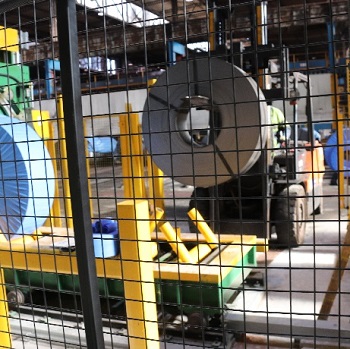
Unpacking the Cost Savings: A Detailed Analysis
The financial benefits of upgrading are multifaceted and span across several key operational areas. Let's delve into the specific cost categories where modern coil wrapping equipment delivers the most significant savings.
Labor Cost Reduction: Automation's Impact
Labor costs are a substantial portion of operational expenses, and manual wrapping is inherently labor-intensive. Automated systems drastically reduce this burden.
| Cost Factor | Manual Wrapping | Automated Wrapping | Reduction |
|---|---|---|---|
| Labor Required | 2-3 workers | 1 operator | 50-67% |
| Payroll Expenses | High | Low | Significant |
| Training Costs | Ongoing | Initial, less frequent | Lower |
| Injury Claims | Higher | Lower | Reduced |
By automating the wrapping process, you can reallocate valuable human resources to more strategic tasks, improving overall productivity and reducing the risk of human error and workplace injuries.
Material Waste Minimization: Sustainable Savings
Material waste is a significant drain on resources and profitability. Manual wrapping often leads to inconsistent film application and overuse of materials. Modern machines, with precision control, optimize material usage.
| Cost Factor | Manual Wrapping | Automated Wrapping | Reduction |
|---|---|---|---|
| Material Usage | High | Optimized | 43% average |
| Film Overlap | Inconsistent | Consistent | Minimized |
| Film Breaks | Frequent | Rare | Reduced |
| Material Costs | High | Lower | Significant |
| Waste Disposal | Higher | Lower | Reduced |
Reducing material waste not only lowers direct material costs but also contributes to environmental sustainability, aligning with increasingly important corporate social responsibility goals.
Reduced Maintenance and Downtime Costs
Outdated equipment often requires frequent maintenance and is prone to breakdowns, leading to costly downtime and repair expenses. Modern machines are built for durability and equipped with features that minimize maintenance needs.
| Cost Factor | Older Machines | Modern Machines | Reduction |
|---|---|---|---|
| Maintenance Frequency | High | Low | 58% average |
| Repair Costs | High | Lower | Significant |
| Downtime Duration | Longer | Shorter | Reduced |
| Spare Parts Costs | Higher | Lower | Reduced |
Predictive maintenance alerts and remote diagnostics further contribute to reduced downtime and maintenance costs, ensuring continuous operation and maximizing productivity.
Quality and Product Damage Cost Savings
Inconsistent manual wrapping can lead to inadequate product protection, resulting in damage during transit and handling. This translates to returns, replacements, and dissatisfied customers. Modern machines ensure consistent, high-quality wrapping, minimizing product damage.
| Cost Factor | Manual Wrapping | Automated Wrapping | Reduction |
|---|---|---|---|
| Product Damage Rate | 5-10% | < 1% | 91% average |
| Return Rate | Higher | Lower | Significant |
| Replacement Costs | High | Lower | Significant |
| Customer Dissatisfaction | Higher | Lower | Reduced |
By significantly reducing product damage, you not only save on replacement costs but also enhance customer satisfaction and protect your brand reputation.
Elevate Safety and Quality: Beyond Cost and Speed
Beyond speed and cost savings, upgrading your coil wrapping equipment significantly enhances workplace safety and product quality – critical factors for long-term success. Manual wrapping processes pose safety risks and often result in inconsistent wrapping quality, potentially damaging products. Modern automated systems address these challenges head-on, creating a safer and more reliable operation.
Coil wrapping machines ensure safety by reducing manual handling of heavy coils and minimizing repetitive strain injuries. They also ensure consistent product quality through uniform film application and tension control, protecting coils from damage during handling and transit. This reliability is crucial for meeting industry standards, enhancing product integrity, and exceeding customer expectations.
%[Coil Wrapping Equipment Efficiency]
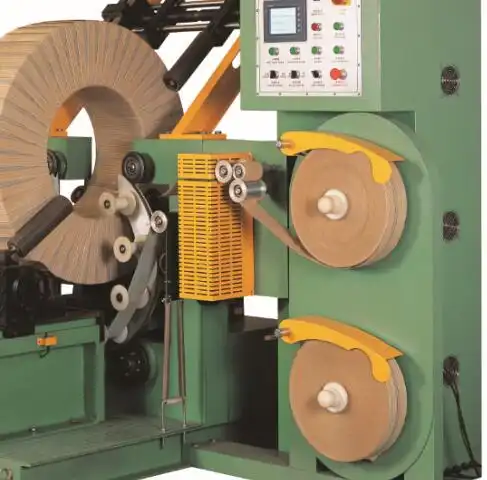
Safety First: Protecting Your Workforce
Workplace safety is paramount, and manual coil wrapping presents several hazards. Upgrading to automated equipment mitigates these risks, creating a safer environment for your employees.
Minimizing Manual Handling Risks
Manual lifting and wrapping of heavy coils are major sources of workplace injuries. Automated machines eliminate the need for manual handling, significantly reducing the risk of:
- Back Injuries: Lifting heavy coils can cause severe back strains and injuries.
- Muscle Strains: Repetitive motions and awkward postures in manual wrapping lead to muscle strains and sprains.
- Crush Injuries: Accidental dropping or mishandling of coils can result in crush injuries.
Reducing Repetitive Strain Injuries (RSIs)
Manual wrapping involves repetitive motions that, over time, can lead to debilitating RSIs such as:
- Carpal Tunnel Syndrome: Repetitive wrist movements can compress the median nerve, causing pain and numbness.
- Tendonitis: Inflammation of tendons from overuse and repetitive motions.
- Bursitis: Inflammation of bursae (fluid-filled sacs) around joints, often caused by repetitive stress.
Automated machines take over these repetitive tasks, allowing workers to focus on less physically demanding activities and reducing the incidence of RSIs.
Enhancing Overall Workplace Safety
Beyond reducing manual handling and RSIs, modern coil wrapping machines incorporate advanced safety features:
- Emergency Stops: Easily accessible emergency stop buttons halt machine operation instantly in case of hazards.
- Safety Sensors: Sensors detect obstructions or unauthorized access, automatically stopping the machine to prevent accidents.
- Guarding and Enclosures: Physical barriers and enclosures prevent accidental contact with moving parts.
- Ergonomic Design: Operator interfaces and controls are designed for ease of use and minimal strain, further enhancing safety and reducing fatigue.
By prioritizing safety, upgrading your coil wrapping equipment not only protects your workforce but also reduces insurance premiums, minimizes lost workdays due to injuries, and fosters a more positive and productive work environment.
Consistent Quality: Ensuring Product Integrity
Consistent, high-quality wrapping is crucial for protecting coils during storage and transit, ensuring they reach customers in perfect condition. Manual wrapping often falls short in delivering this consistency.
Uniform Film Application and Tension Control
Manual wrapping relies on operator skill and consistency, which can vary significantly. Automated machines, however, provide precise and repeatable film application:
- Consistent Tension: Automated tension control systems maintain uniform film tension throughout the wrapping process, preventing film breakage and ensuring secure wraps.
- Even Coverage: Pre-programmed wrapping patterns ensure consistent and even film coverage, eliminating gaps and weak spots.
- Reduced Film Slippage: Proper tension and application minimize film slippage, maintaining wrap integrity during handling and transit.
Protection from Damage
Consistent, high-quality wrapping provides superior protection against various types of damage:
- Scratches and Abrasions: Multiple layers of tightly applied film shield coils from surface damage during handling and transport.
- Moisture and Corrosion: Properly sealed wraps prevent moisture ingress, protecting coils from rust and corrosion, especially during outdoor storage or shipping.
- Dust and Debris: Wrapping provides a barrier against dust and debris, maintaining coil cleanliness and preventing contamination.
- Impact Damage: Multiple film layers provide cushioning and support, reducing the risk of dents and deformation from impacts during transit.
By ensuring consistent product quality through upgraded coil wrapping equipment, you minimize product damage, reduce customer returns, enhance customer satisfaction, and protect your reputation for delivering high-quality goods.
Is Now the Time? Recognizing the Signs to Upgrade
Are you unsure if now is the right moment to upgrade your coil wrapping equipment? Waiting too long can perpetuate inefficiencies and erode your competitive edge. Recognizing key indicators and understanding the strategic timing for an upgrade is crucial for maximizing your operational efficiency and financial returns.
%[Coil Wrapping Equipment Efficiency]
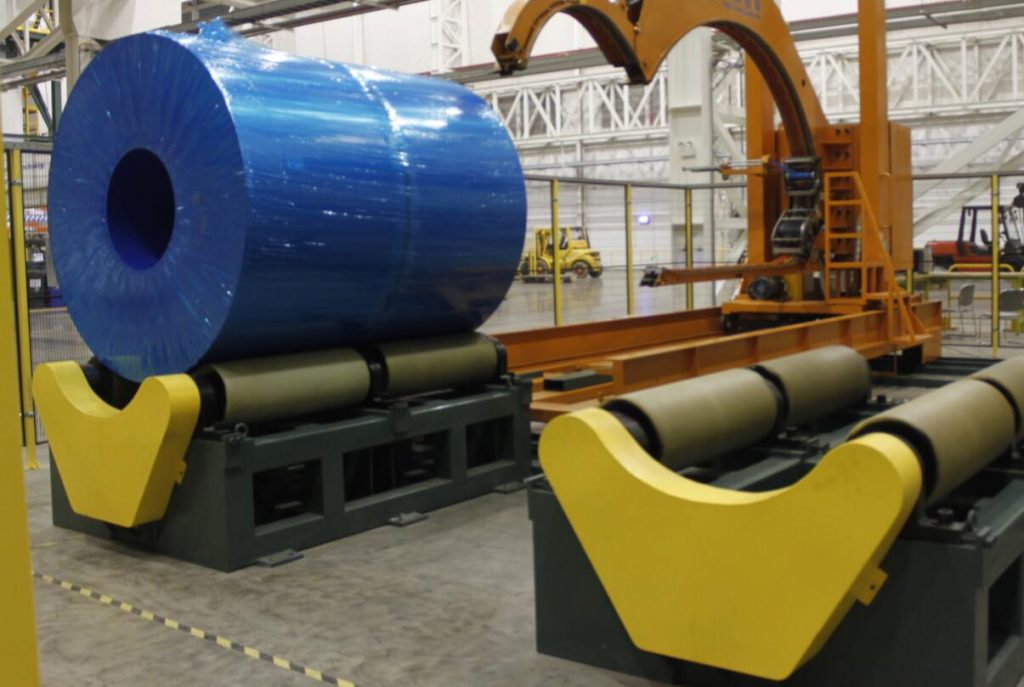
The right time to upgrade your coil wrapping equipment is when maintenance costs begin to outweigh the benefits of current equipment, production bottlenecks emerge, quality inconsistencies increase, energy consumption spikes, or when you find yourself at a competitive disadvantage. Proactive upgrades based on these indicators ensure continued efficiency and prevent escalating costs associated with outdated technology.
Key Indicators Signaling an Upgrade is Needed:
- Escalating Maintenance Costs: If maintenance expenses are consistently rising and approaching a significant portion of the equipment's initial value, it's a clear sign of diminishing returns. Frequent repairs and parts replacements indicate aging machinery that is becoming increasingly unreliable and costly to maintain.
- Production Bottlenecks: Persistent delays in the wrapping process that impact overall production throughput are a major red flag. If your wrapping station is consistently slowing down the line and preventing you from meeting production targets, outdated equipment is likely the culprit.
- Declining Wrap Quality: Increasing instances of inconsistent wrapping, film breaks, inadequate protection, or product damage point to equipment that is no longer performing to required standards. Quality issues can lead to customer dissatisfaction and increased costs associated with returns and replacements.
- Spiking Energy Consumption: A noticeable increase in energy usage without a corresponding increase in production volume suggests that your equipment is operating inefficiently. Older machines often consume significantly more energy than modern energy-efficient models, adding unnecessary costs to your operations.
- Competitive Lag: If your competitors are achieving faster production speeds, lower costs, or higher quality with their packaging processes, it's a strong indication that your current equipment is putting you at a disadvantage. Staying competitive requires adopting modern technologies that enhance efficiency and performance.
Proactive Upgrade Strategy:
Don't wait for catastrophic failure or a significant competitive disadvantage to trigger an upgrade. Implement a proactive strategy that involves:
- Regular Equipment Assessments: Conduct periodic evaluations of your coil wrapping equipment to monitor performance, maintenance costs, and identify potential issues early on.
- Performance Benchmarking: Compare your equipment's performance against industry benchmarks and the capabilities of modern machines to identify areas for improvement.
- ROI Projections: Regularly update your cost-benefit analysis for upgrading to factor in current operational costs, potential savings, and the latest equipment technologies.
- Budget Planning: Allocate budget for equipment upgrades as part of your long-term operational planning, ensuring funds are available when upgrades become necessary.
By proactively monitoring equipment performance, recognizing key upgrade indicators, and planning strategically, you can ensure a smooth and timely transition to modern coil wrapping technology, maximizing your operational efficiency and maintaining a competitive edge.
Conclusion
Upgrading your coil wrapping equipment is more than just a purchase; it's a strategic investment in efficiency. From slashing operational costs and boosting productivity to enhancing safety and ensuring consistent product quality, the benefits of modern coil wrapping technology are undeniable. Don't let outdated equipment hold you back. Embrace the future of efficient production and unlock the full potential of your operations with upgraded coil wrapping equipment today.